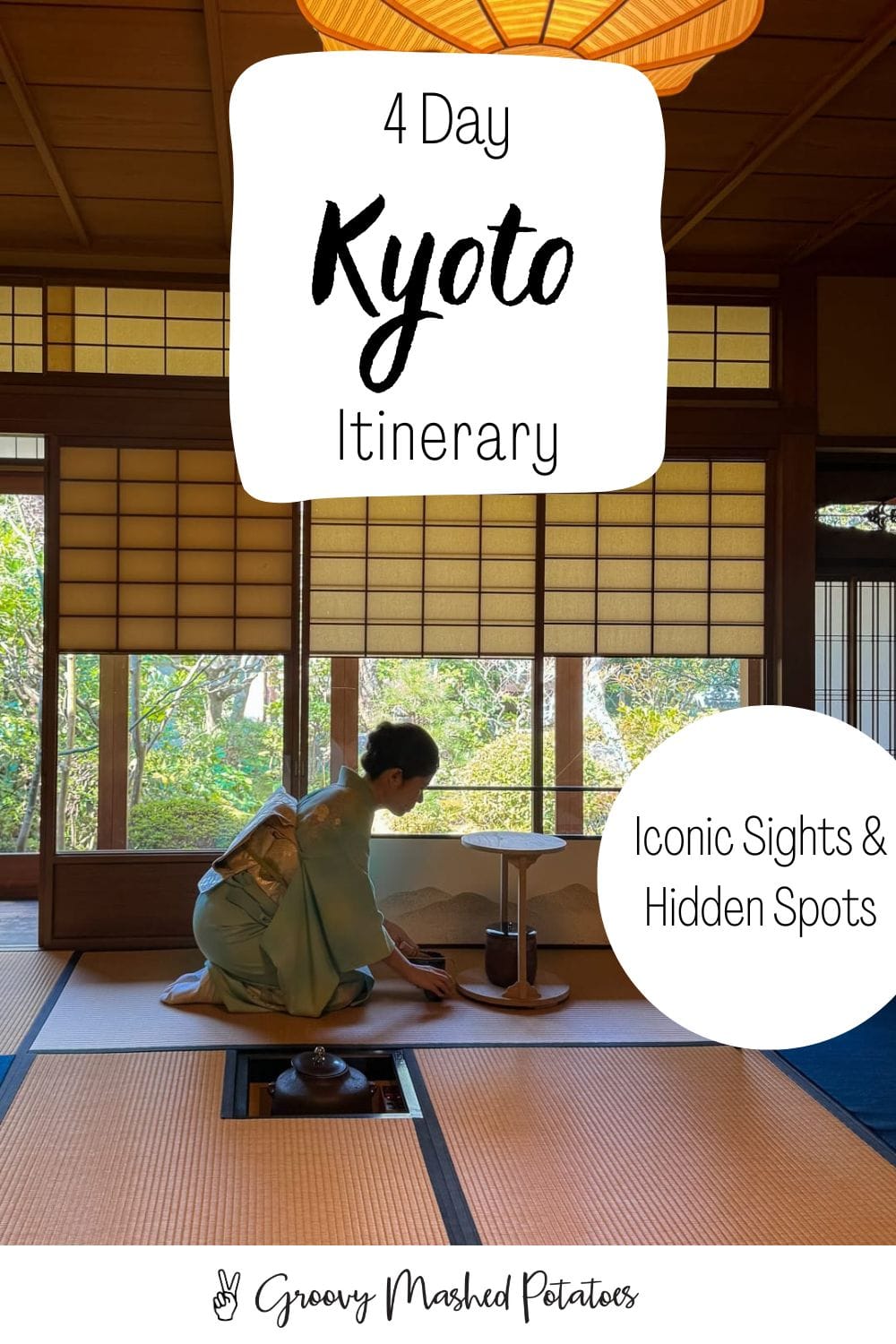
We think 4 days is the sweet spot for Kyoto. It gives you enough time to see the city's iconic temples and historic districts without feeling like you have to rush from one attraction to the next.
Kyoto can absolutely get busy, but we were surprised by how quickly the crowds disappeared once we wandered a street or two away from the main tourist routes.
Even during peak cherry blossom season, we found quiet neighbourhoods, peaceful canals and backstreets where we could really appreciate the city.
That's exactly how we've designed this 4 Day Kyoto itinerary.
You'll still visit some of Kyoto's iconic temples and historic districts, but we've also included incredible places that still fly under the radar, from the garden estate of a samurai film star to the Imperial villa that inspired Frank Lloyd Wright.
We also include a traditional matcha ceremony, canal walks, gallery-like boutiques, jazz kissas and some of Kyoto's best local food.
4 Days in Kyoto
Day 1: Explore Kyoto's historic Higashiyama district, relax in a garden cafe, wander the geisha district, and end the night with Kyoto-style sushi and vinyl. Day 2: Step inside the home of a master potter, explore Kyoto's pottery district, visit Kiyomizu-dera, eat oden at an izakaya, and finish at a listening bar. Day 3: Experience a traditional matcha ceremony, enjoy lunch in a UNESCO-listed Zen temple, explore a samurai film star's estate, and sample Kyoto's local food scene. Day 4: Eat handmade soba in a pottery studio, browse Kyoto's gallery-like boutiques, tour the Imperial villa that inspired Frank Lloyd Wright, and end with a kaiseki dinner. |
4 Day Kyoto Itinerary
Disclosure: Some of the links below are affiliate links, meaning at no additional cost to you, we will earn a commission if you click through and make a purchase. Regardless, we only recommend products or services we have used or that we believe will add value to our readers. Thank you for supporting us!Day 1
Explore Kyoto's historic Higashiyama district, relax in a garden cafe, wander the geisha district, and end the night with Kyoto-style sushi and vinyl.
Stay in a traditional machiya
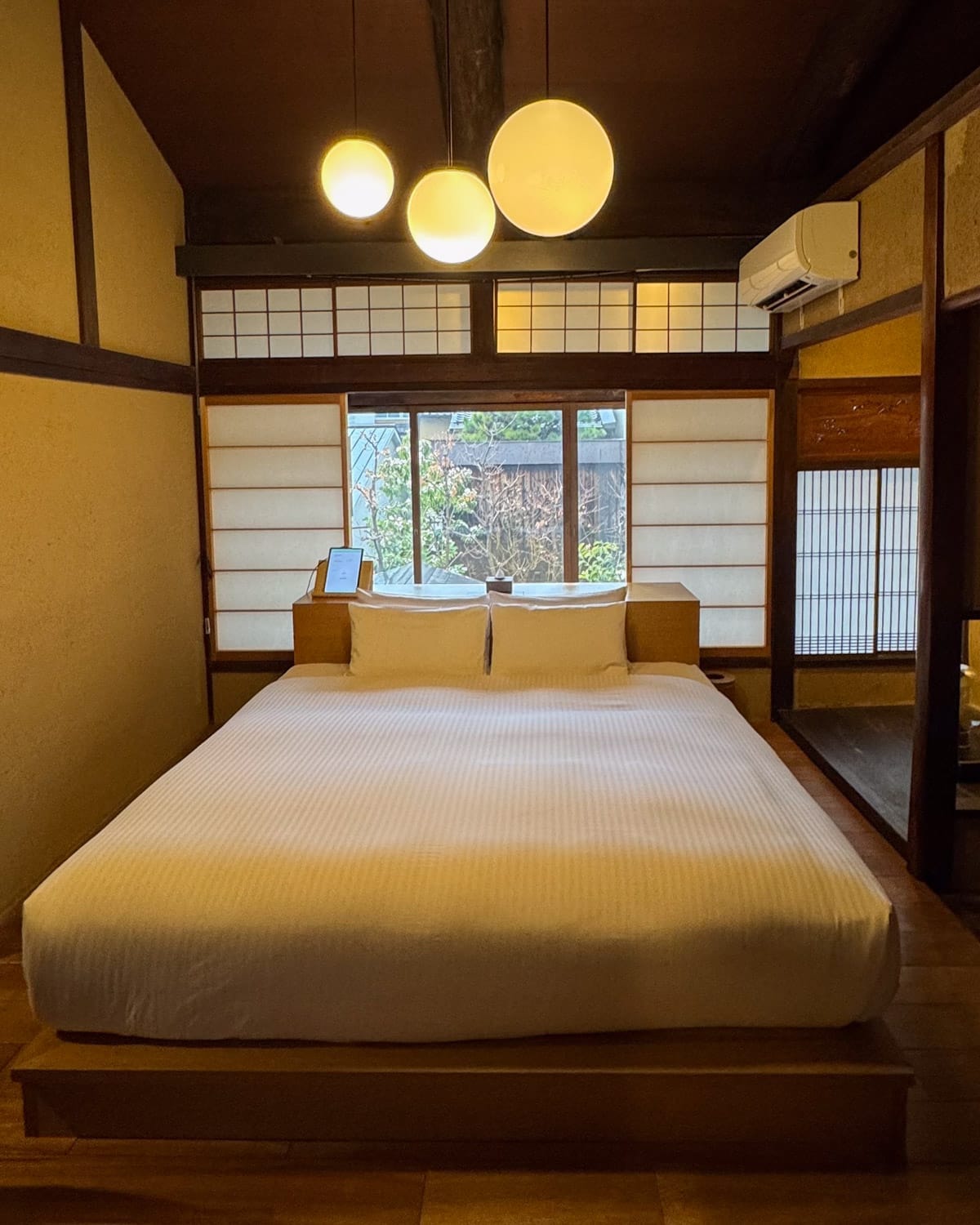
Sleeping in one of Kyoto's beautifully restored wooden townhouses is an experience in itself.
We stayed at Nazuna Kyoto Gosho and loved the quiet location, which was within easy reach of Kyoto's downtown neighbourhoods and many of the city's top sights. 🛏️ Browse more stays in Kyoto.Explore Higashiyama's historic streets
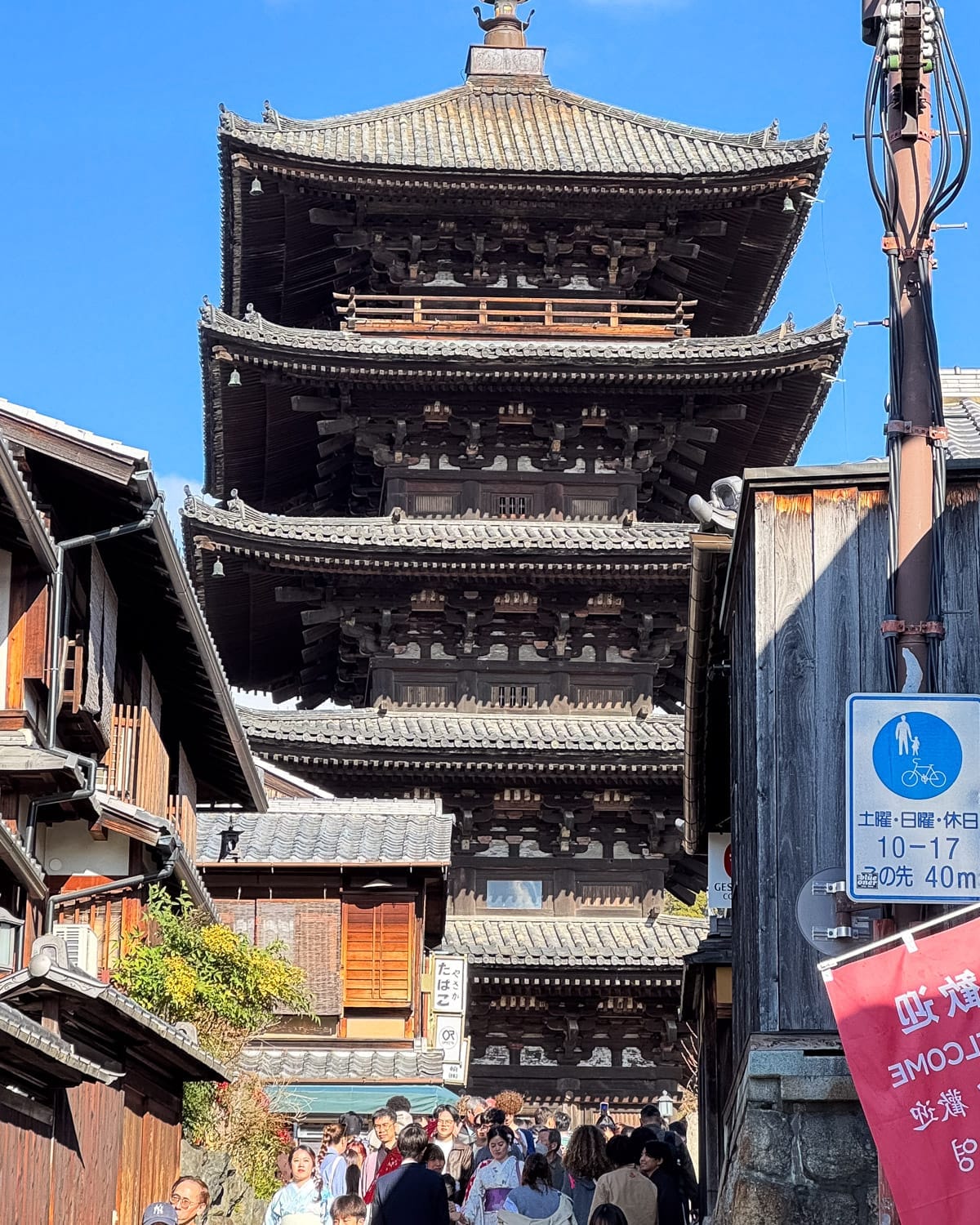
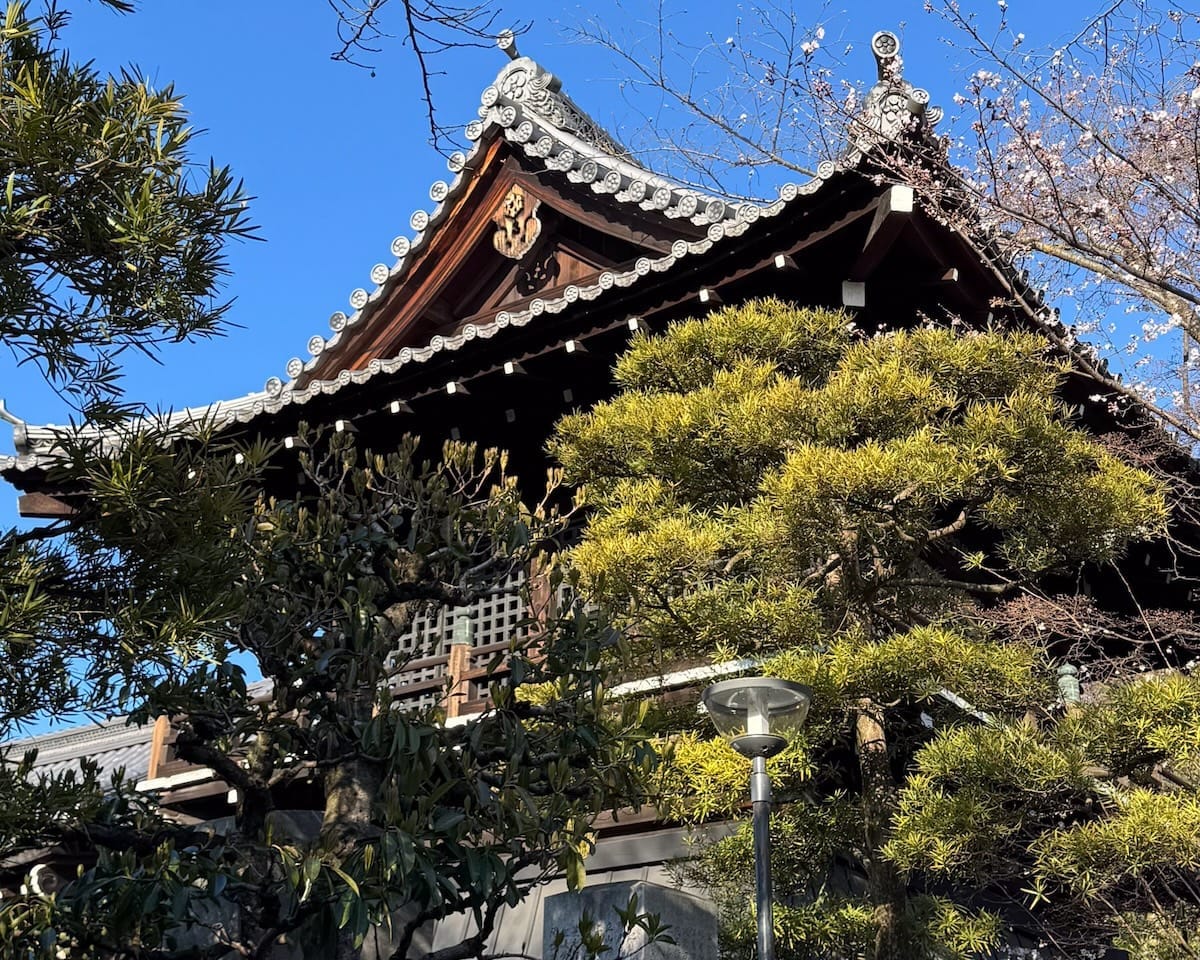
Higashiyama is one of Kyoto's best-preserved historic districts, home to an extraordinary concentration of UNESCO World Heritage sites, temples and traditional wooden buildings.
Some of these streets are absolutely packed with people. But wander just a few blocks away from the main streets, and you'll be surprised by how quickly the crowds disappear, and temples start popping up around every corner.
Start at Hōkan-ji Temple, one of Kyoto's oldest landmarks. The street leading to its five-storey pagoda will be very crowded, but seeing it rise above the historic street is one of Kyoto's most iconic views.
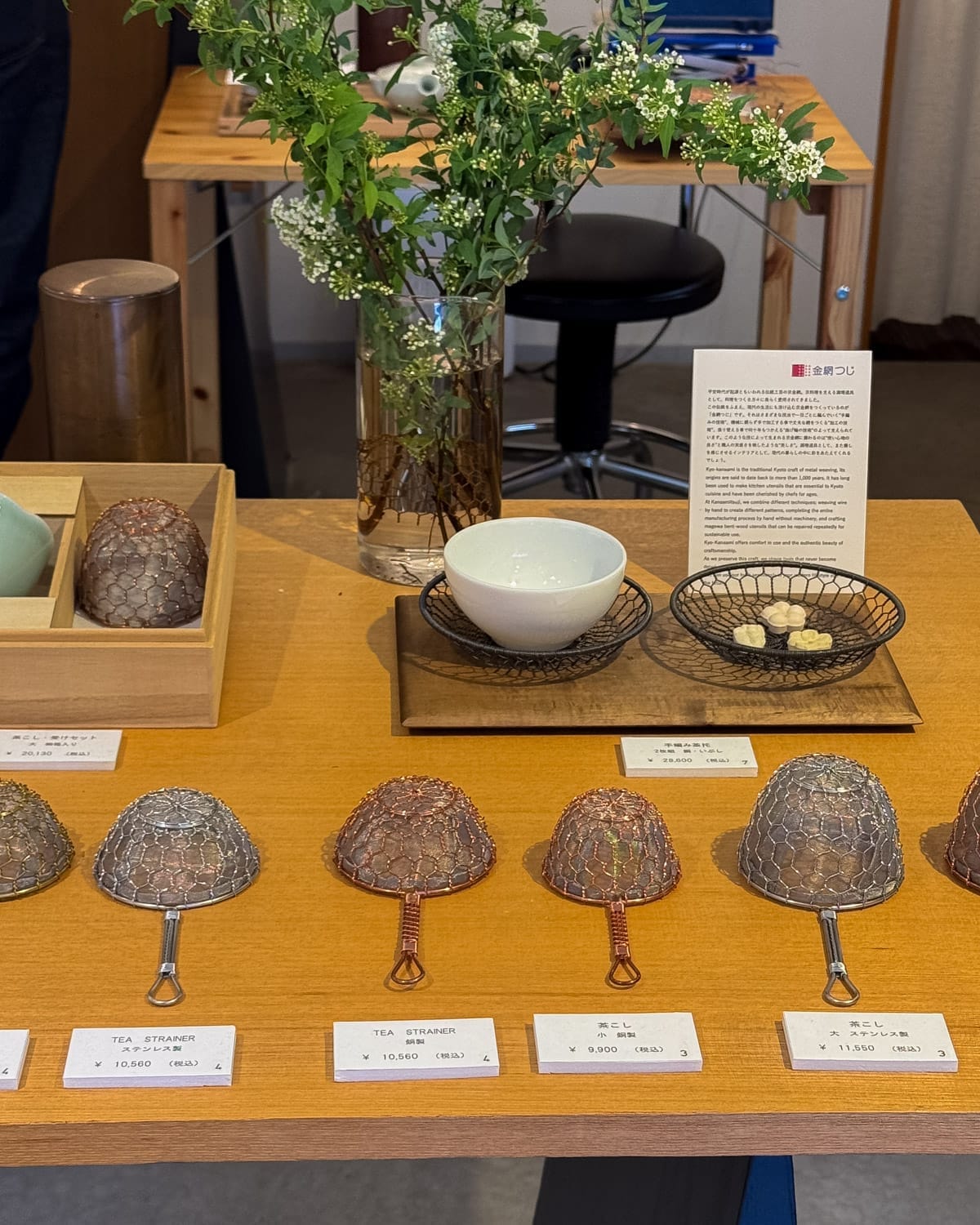
There are also plenty of independent shops to browse in the area.
If you love beautifully designed kitchenware, don't miss Ichinenzaka Kanaamitsuji.
Housed in a traditional wooden townhouse, it specializes in Kyoto's centuries-old Kyo-kanaami metal weaving.
The handcrafted kitchen tools, from tea strainers to hot pot utensils, are gorgeous. We took home one of their stovetop mesh grills.
Take a break in a peaceful garden cafe
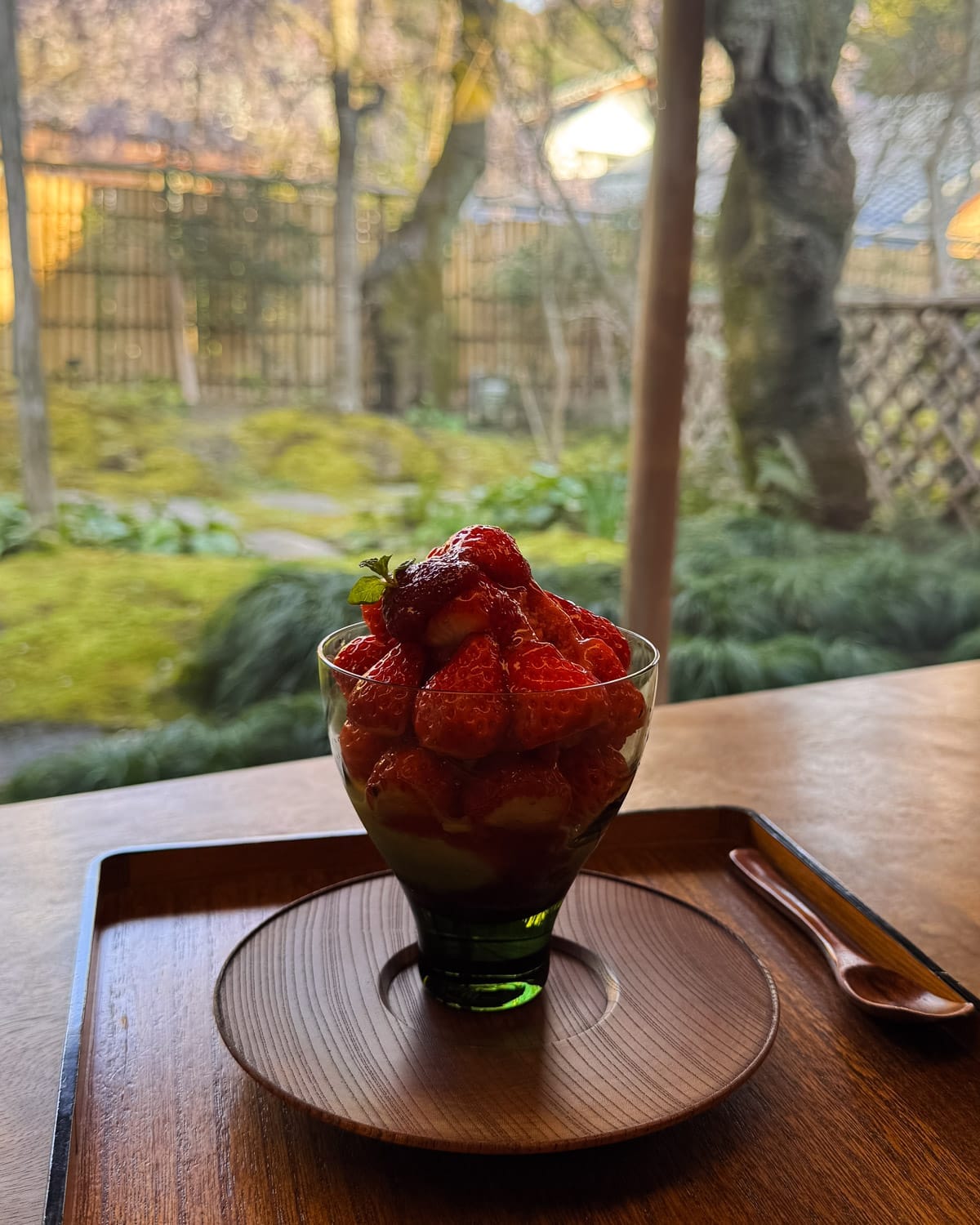
Once you're ready for a break, stop by Salon de Muge, a cafe run by Kyoto's three-Michelin-starred restaurant, Kikunoi.
Tucked away on a quiet street overlooking a peaceful Japanese garden, it felt like a secret escape from the crowds.
I ordered their famous matcha parfait with a cup of tea, while Ari ordered their seasonal strawberry parfait.
Explore Kyoto's famous geisha district
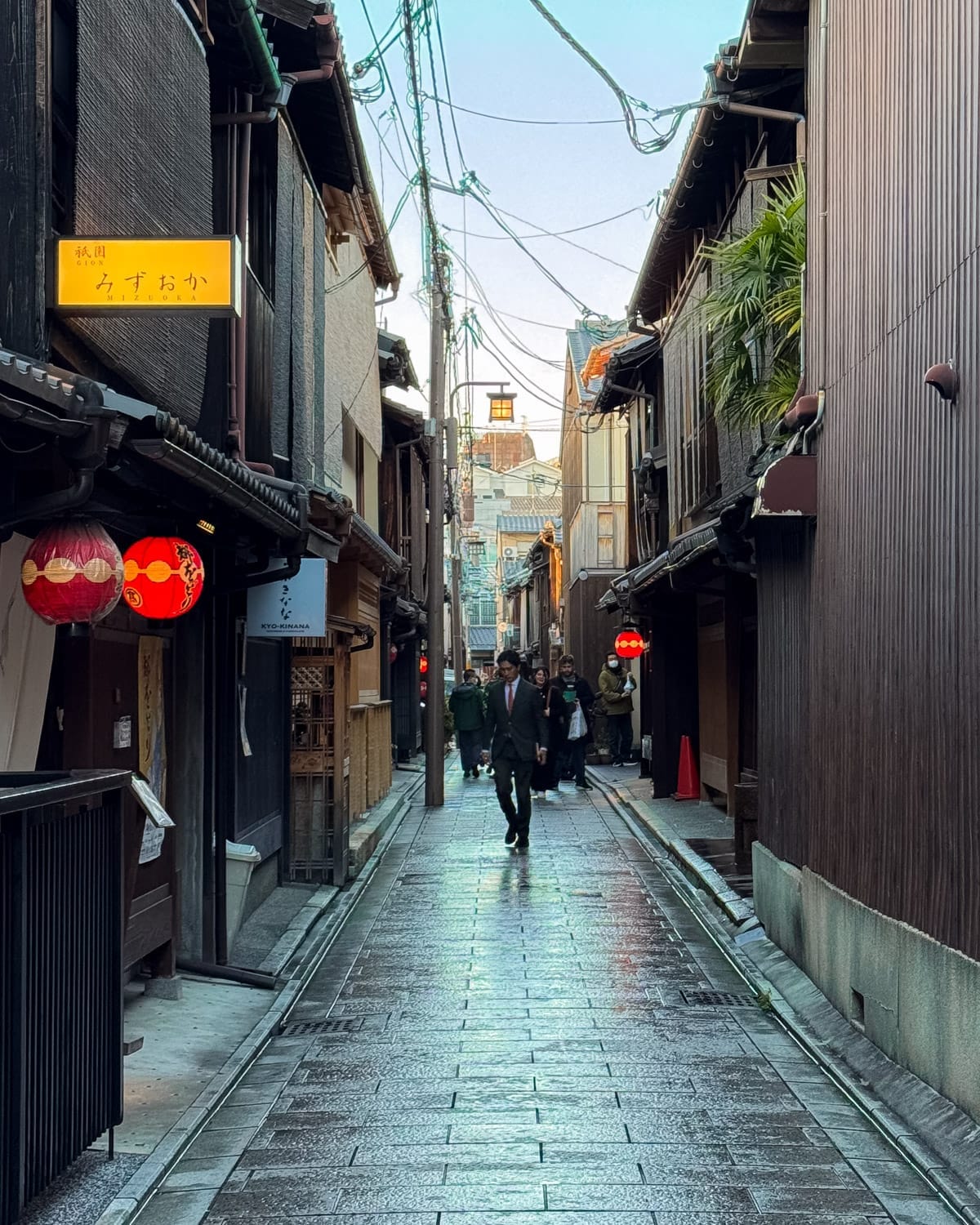
Make your way to Gion, Kyoto's famous geisha district, where traditional wooden machiya, lantern-lit streets and centuries-old tea houses have been carefully preserved.
It's one of the few places where geiko and maiko still live and work today.
First, stroll down Hanamikoji Street, Gion's famous main thoroughfare.
Then take your time exploring the smaller streets branching off it. We found these much quieter and more atmospheric.
👘 Browse geisha tours in Gion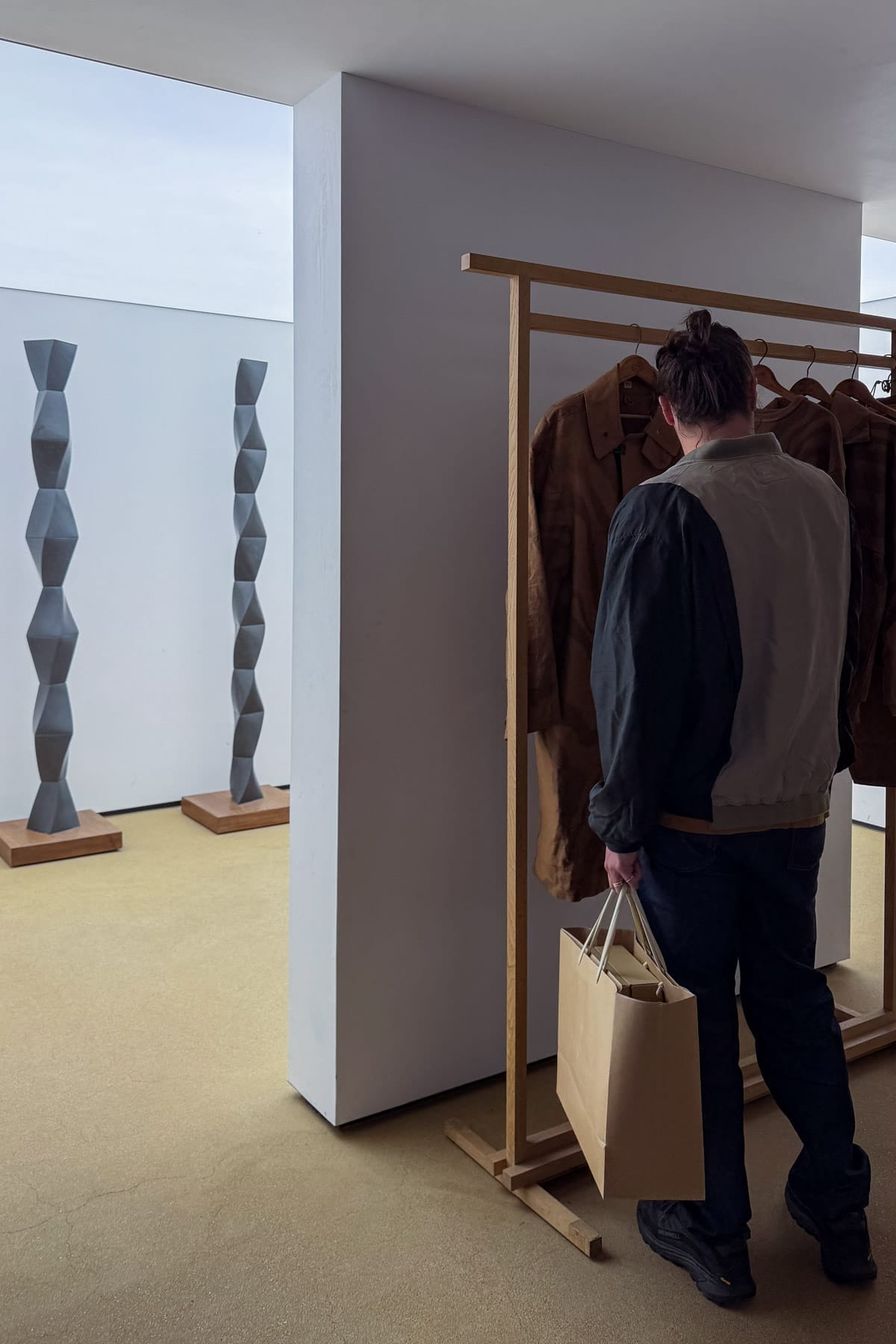
T.T Boutique on Nishi Hanamikōji-dori
Our favourite side street was Nishi Hanamikōji-dori.
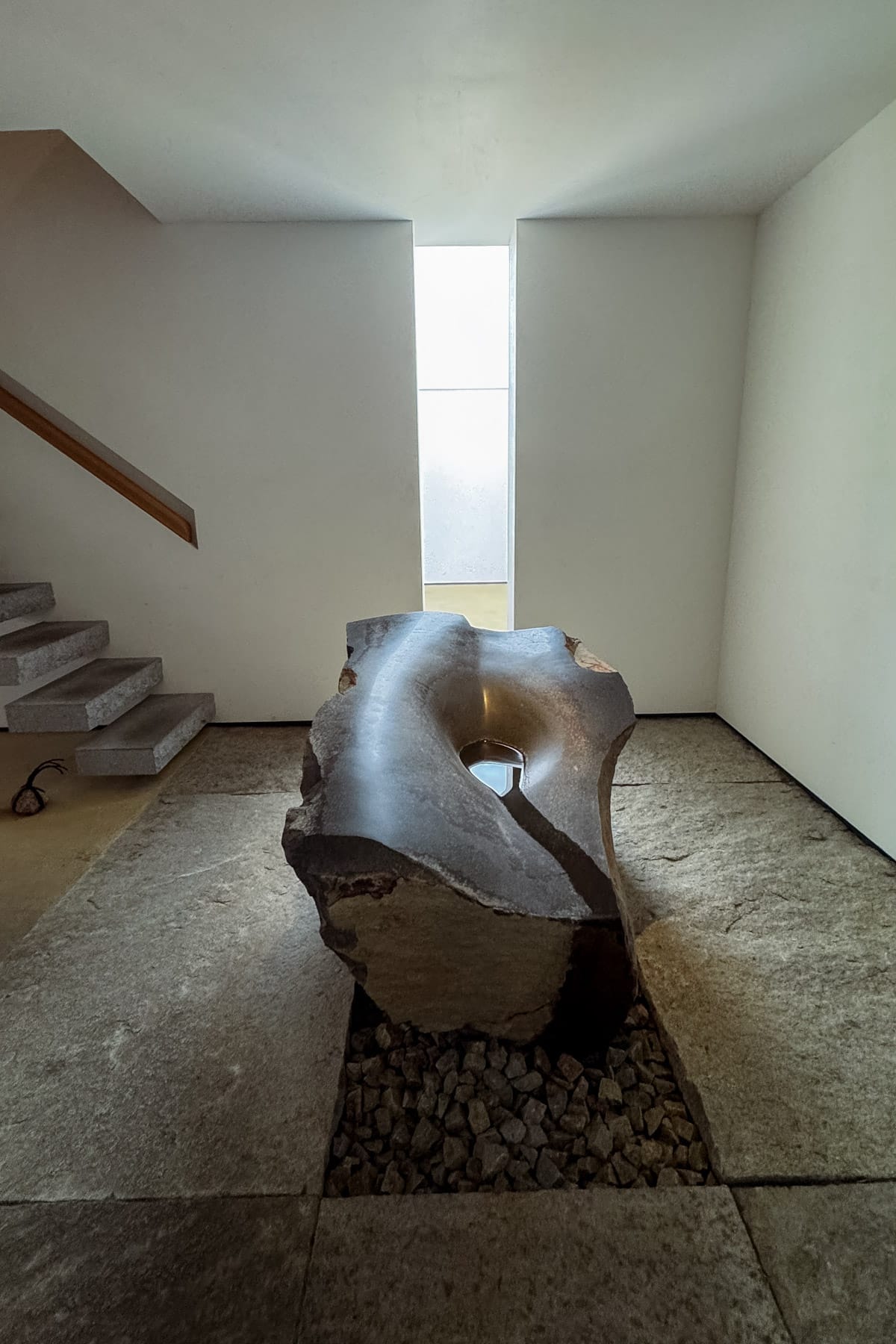
You'll find restaurants and distinctive boutiques like T.T., a minimalist, gallery-like shop with sculptures and thoughtfully displayed Japanese denim and leather.
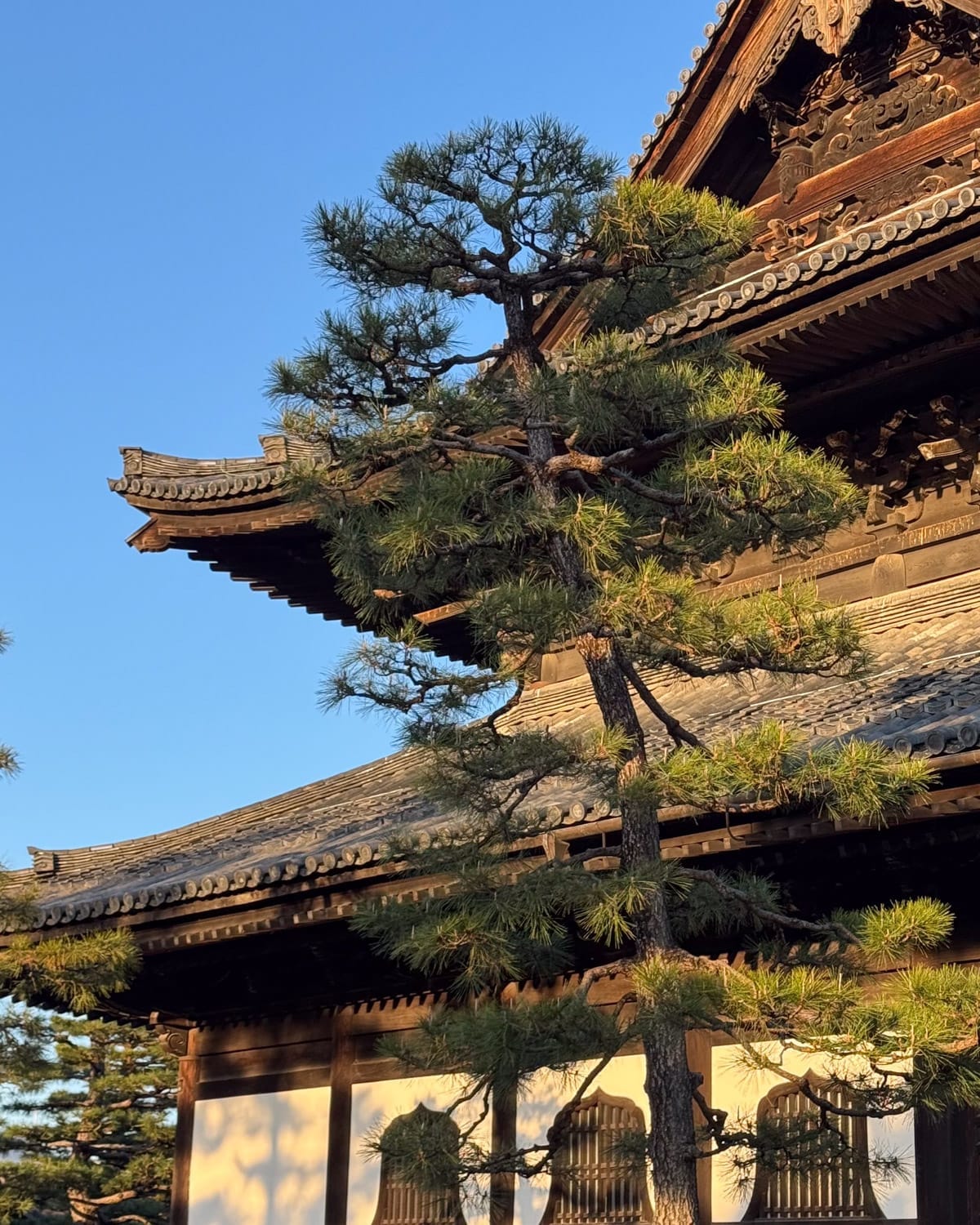
Continue south through the peaceful grounds of Kennin-ji, Kyoto's oldest Zen temple.
We arrived around golden hour after the temple had closed, and the quiet pathways and historic buildings glowed beautifully in the evening light.
Try Kyoto's traditional sushi
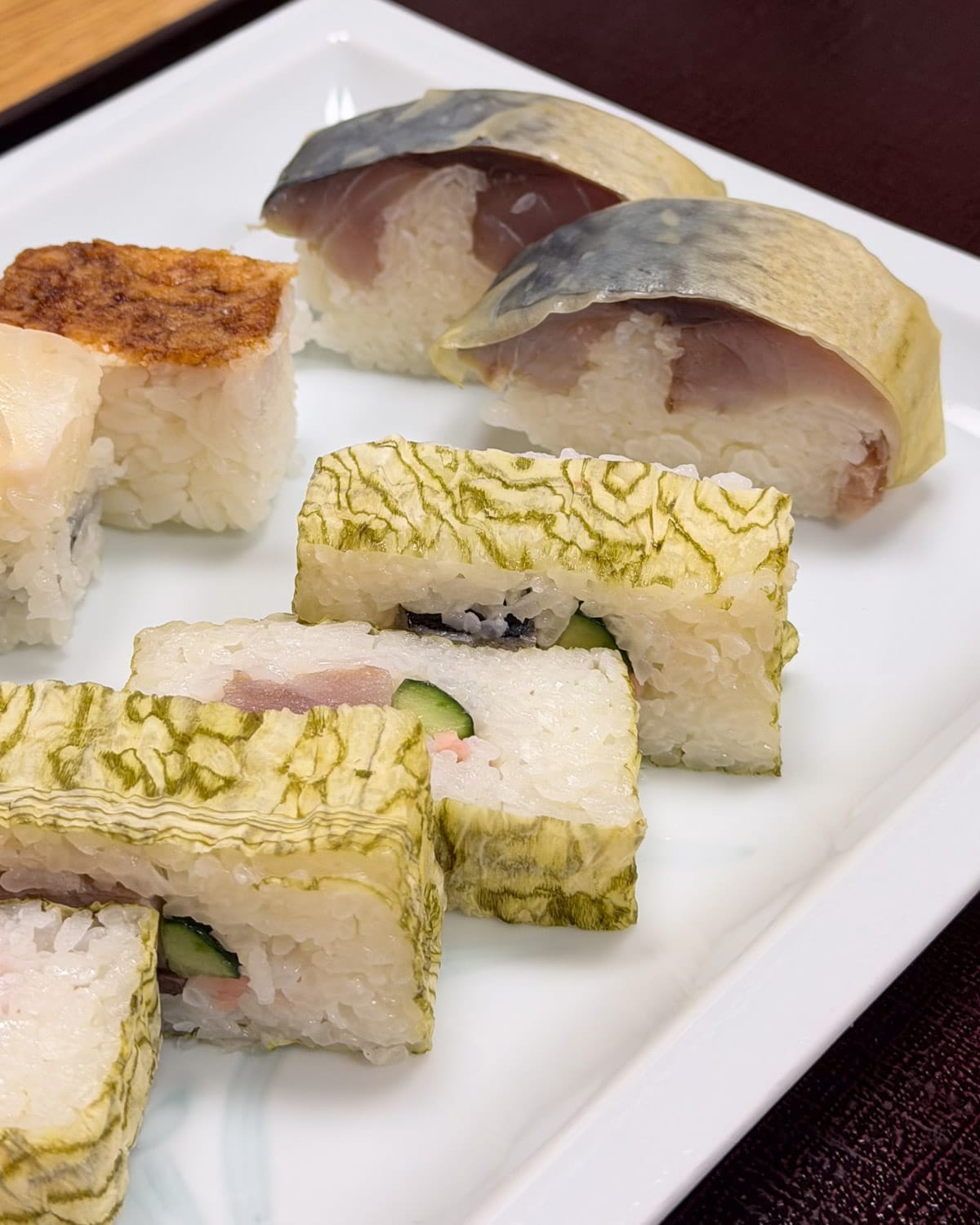
For dinner, experience Kyoto's unique style of sushi at Izugen.
Unlike the nigiri you might be used to, Kyoto-style sushi is pressed or boxed, and traditionally made with lightly cured fish.
Be sure to reserve in advance, since it's a Michelin Bib Gourmand restaurant.
Finish the night at Record Bar Yamada
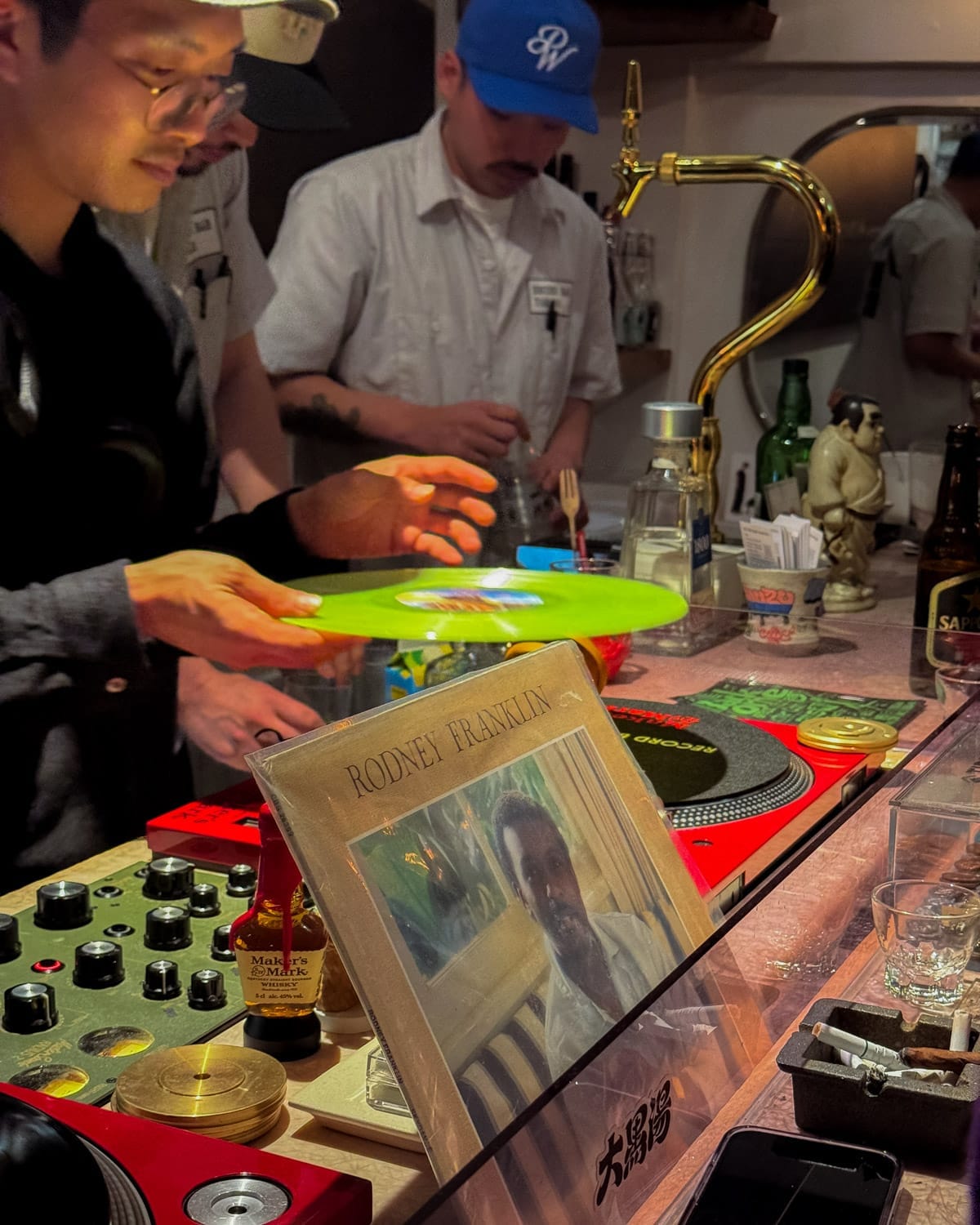
We only meant to stop in for one drink, but the DJ mixing vinyl, endless conversations with locals and travellers, and sake poured into traditional wooden masu cups kept us there until closing.
It felt less like a bar and more like we'd been invited to a local's party. And yes... I paid for it with one of the worst hangovers of the trip.
Day 2
Step inside the home of a master potter, explore Kyoto's pottery district, visit Kiyomizu-dera, eat oden at an izakaya, and finish at a listening bar.
Step inside the home of a master potter
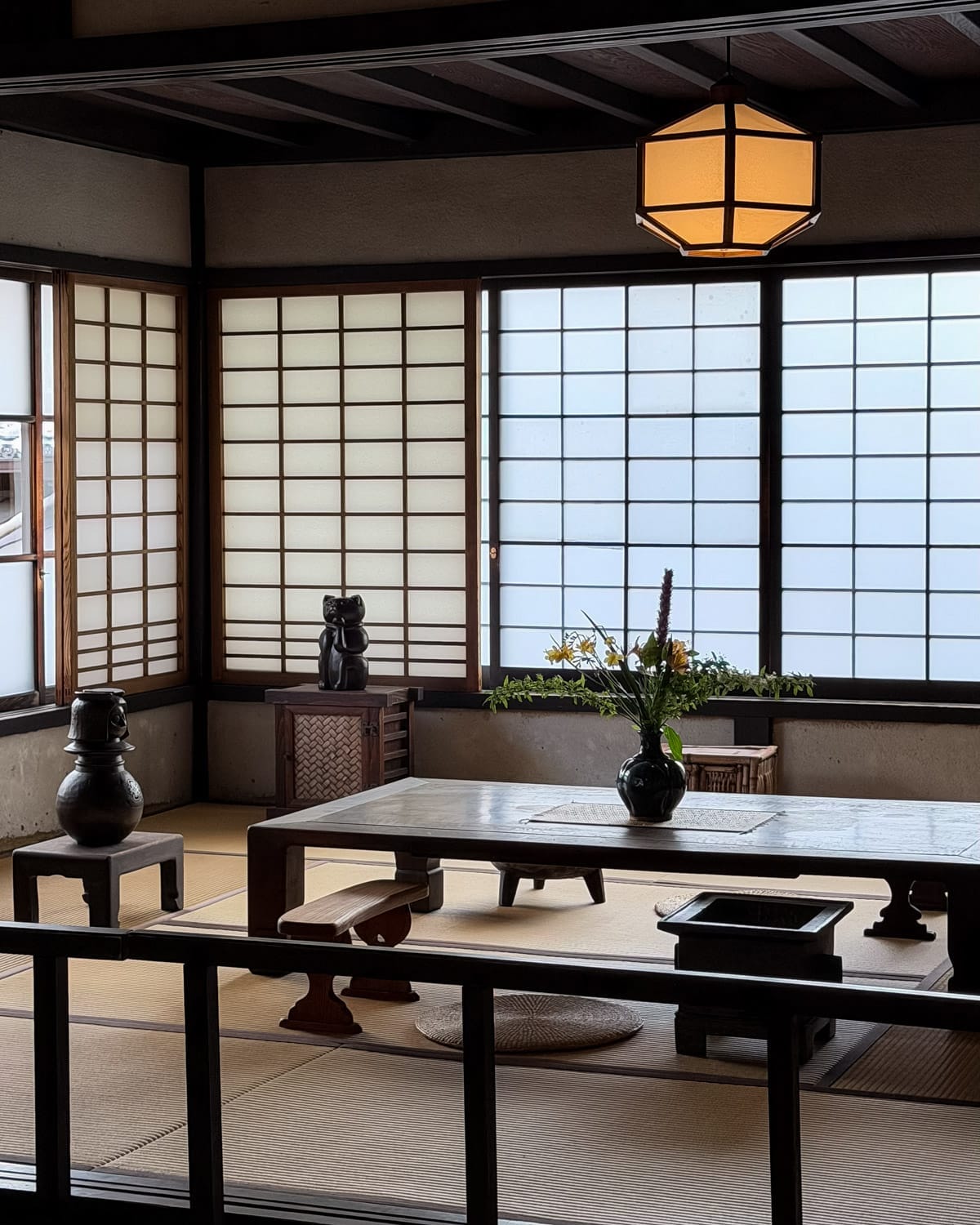
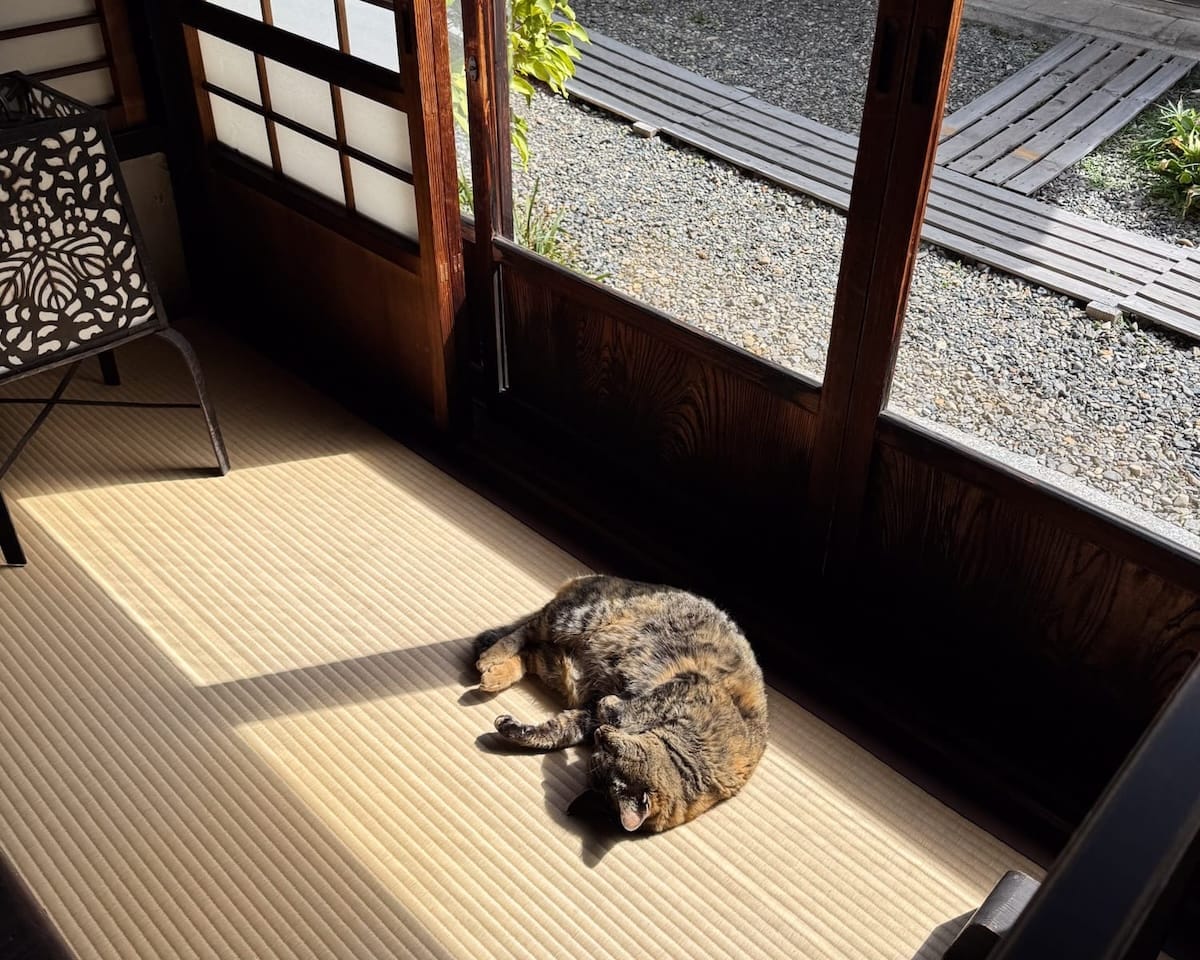
Today you'll explore the southern end of Higashiyama, home to Kyoto's famous pottery district and one of the city's most famous temples.
First, step inside Kawai Kanjiro's House, the former home and workshop of one of Japan's most celebrated potters.
Tickets are purchased at the door, and despite being one of the most impressive places we visited in Kyoto, it was surprisingly uncrowded.
It felt less like a museum and more like being welcomed into his home, with designed interiors that looked straight out of Architectural Digest.
Be sure to wander into the garden to see the enormous climbing kiln once used to fire his ceramics.
Enjoy brunch in a 200-year-old wooden townhouse
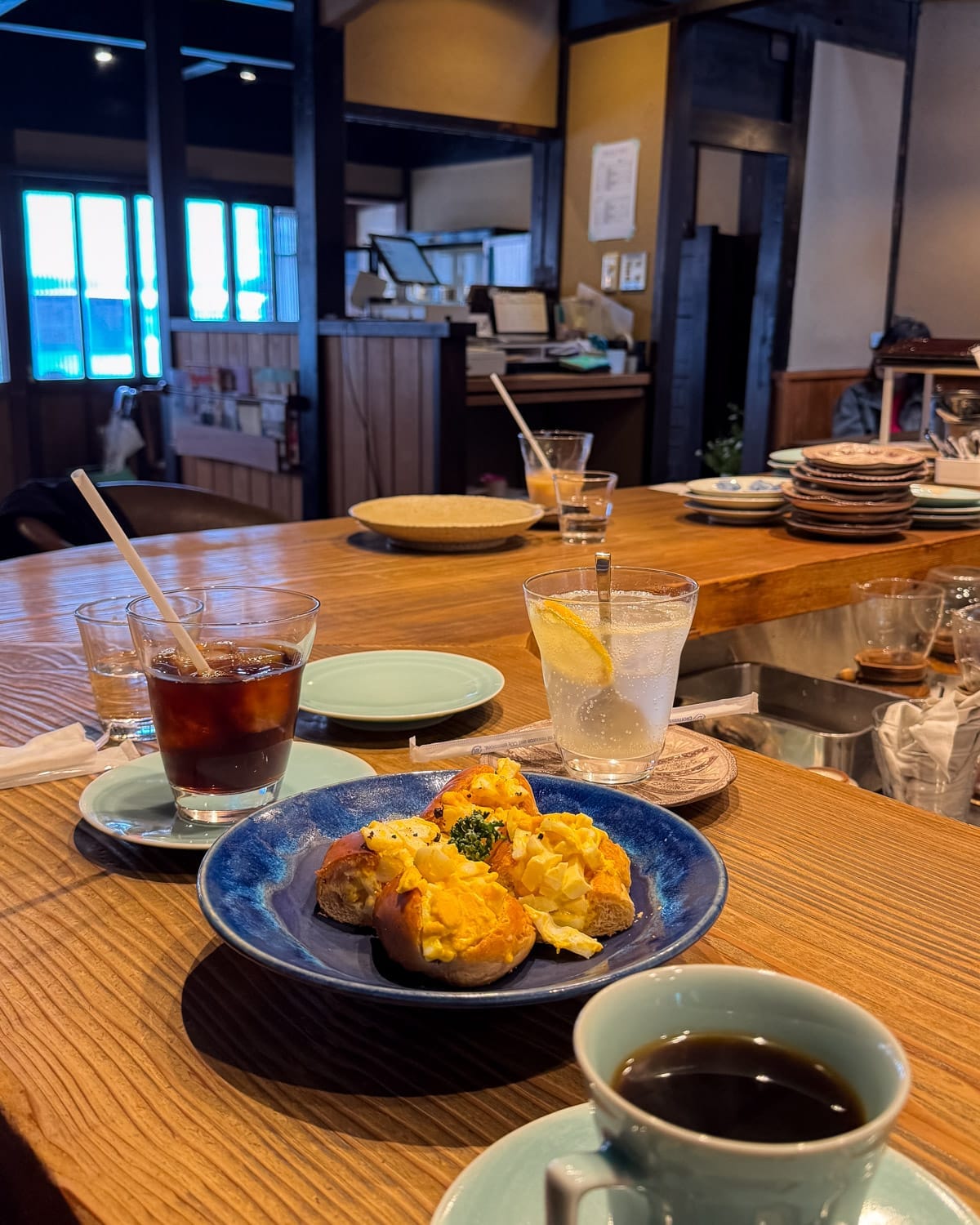
Stop by Ichikawaya Coffee, a lovingly restored 200-year-old machiya that was once a pottery workshop.
We grabbed a couple of egg salad sandwiches and coffee made with house-roasted beans, and sat around the arched wooden bar before continuing our day.
Browse Kyoto's Gojō-zaka pottery street
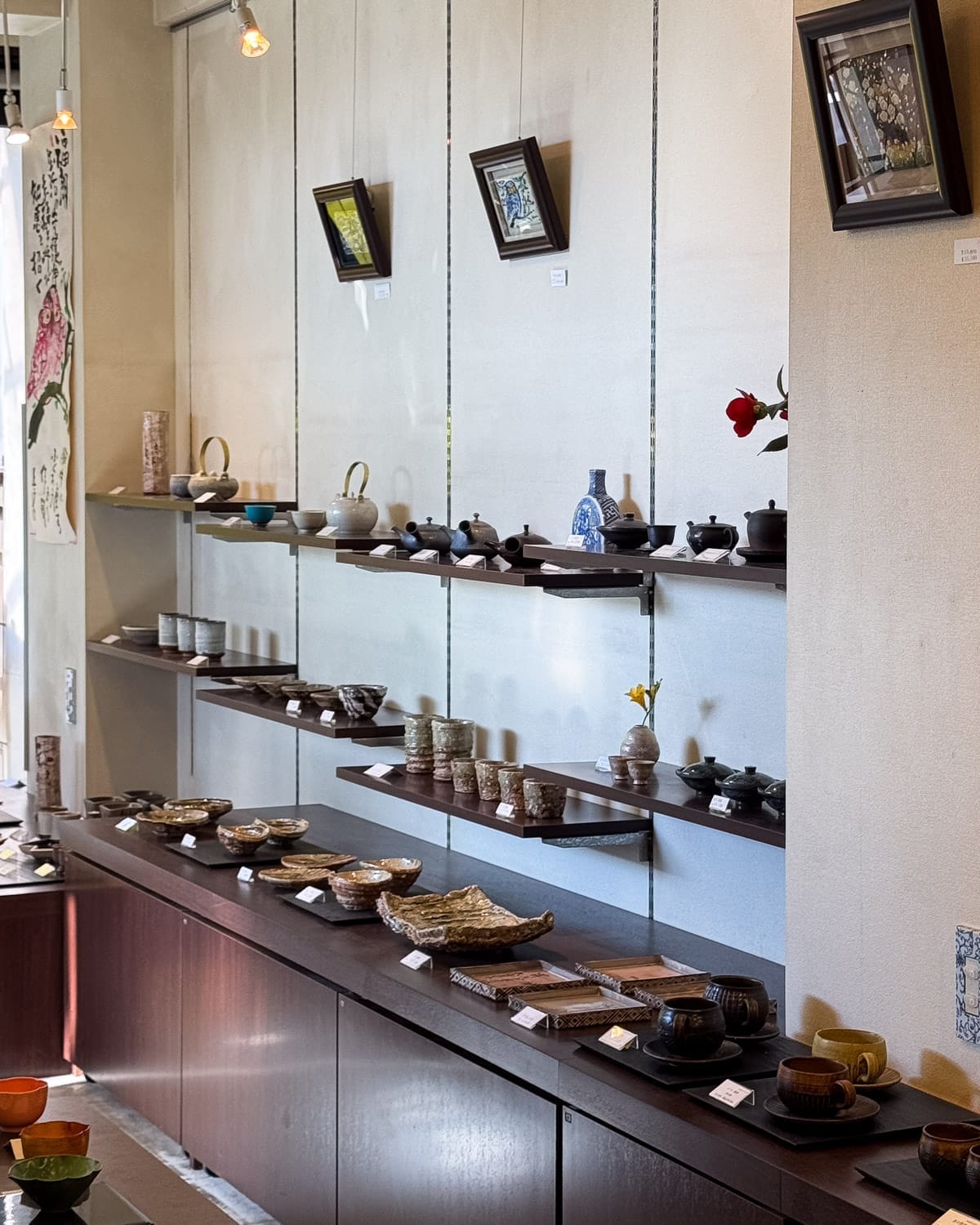
From Kawai Kanjiro's House, make your way to the eastern side of Gojō-dōri and follow it uphill towards Kiyomizu-dera.
This historic slope is known as Gojō-zaka, Kyoto's famous pottery street, lined with ceramic studios and shops.
Our favourite was Tou Tanaka (陶たなか). We first picked up a couple of small bowls and thought we were done shopping, but after paying, we spotted a few more pieces we loved... then it happened again.

On your way up the hill to Kiyomizu-dera, keep an eye out for the matcha swirl ice cream. It's a nice treat along the way.
Take in panoramic views from Kiyomizu-dera, one of Kyoto's most famous temples
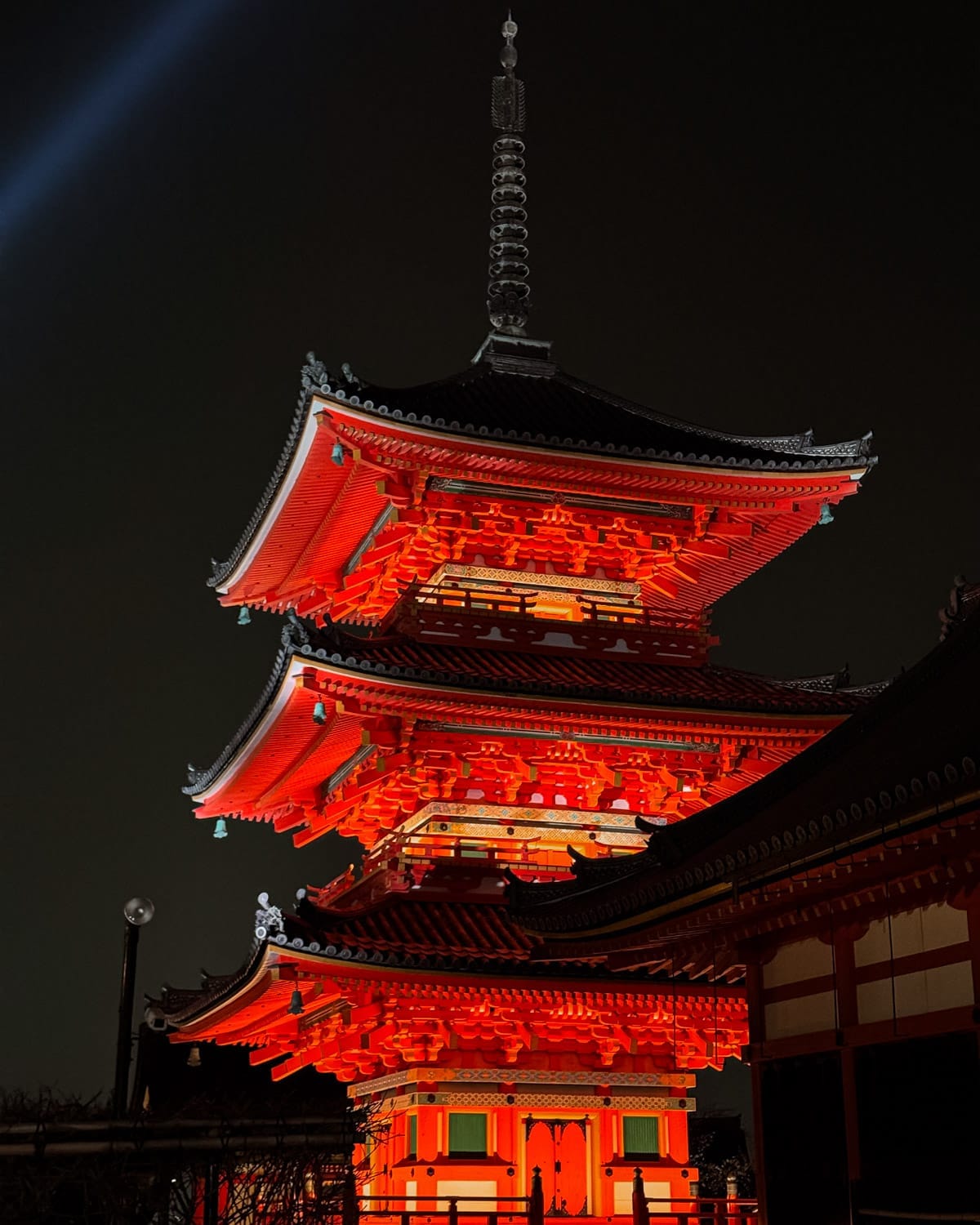
Kiyomizu-dera, a Buddhist temple founded in 778, is one of Kyoto's most famous landmarks. It gets busy, but it's absolutely worth visiting.
One of the most impressive things about it is the enormous wooden stage projecting out over the hillside, built without using a single nail.
The temple grounds are large, and we enjoyed walking the hillside paths while taking in views over Kyoto.
If you're lucky enough to be in Kyoto during one of Kiyomizu-dera's special night viewings, we recommend having dinner first and visiting after dark instead. The illuminated temple and grounds are magical.
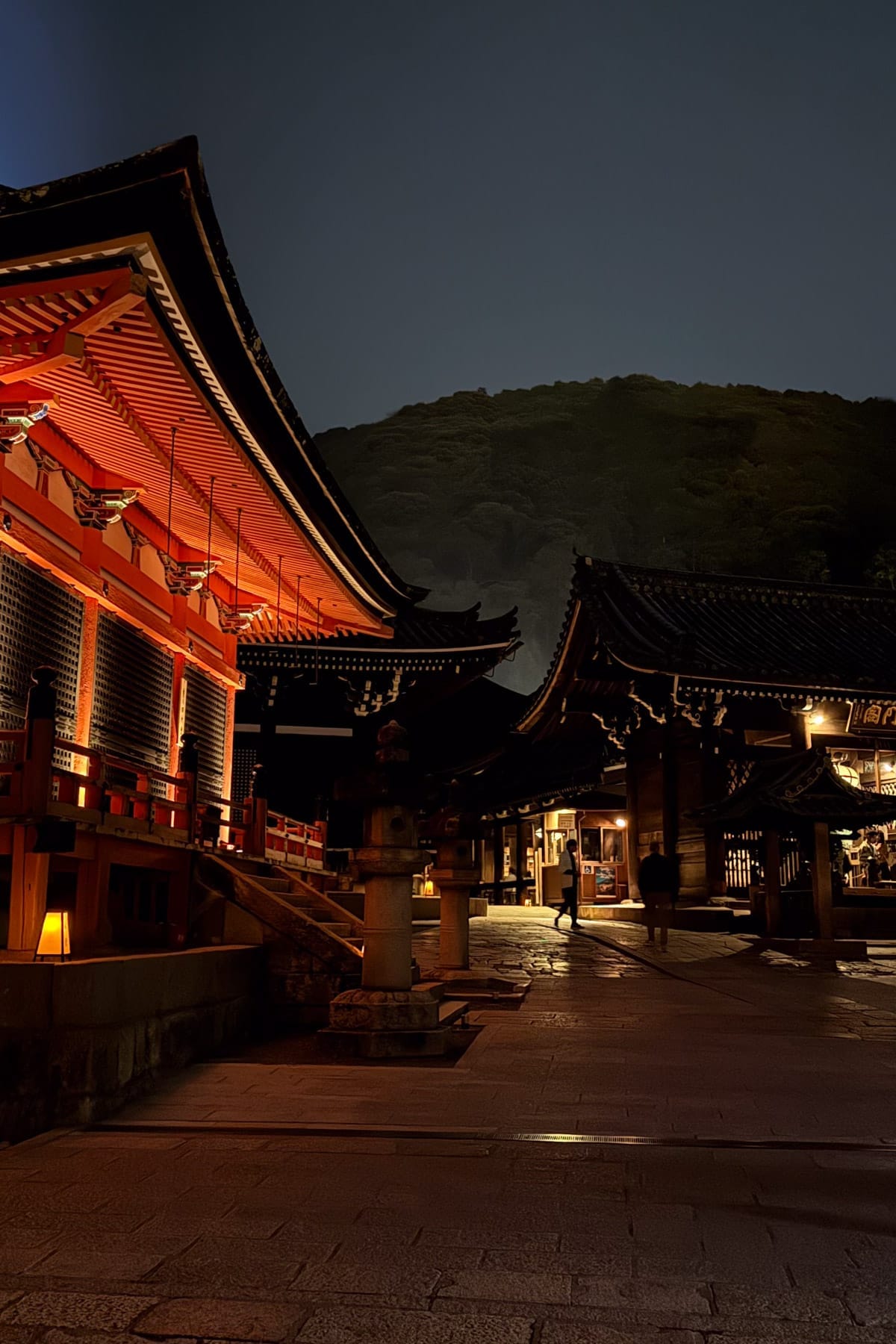
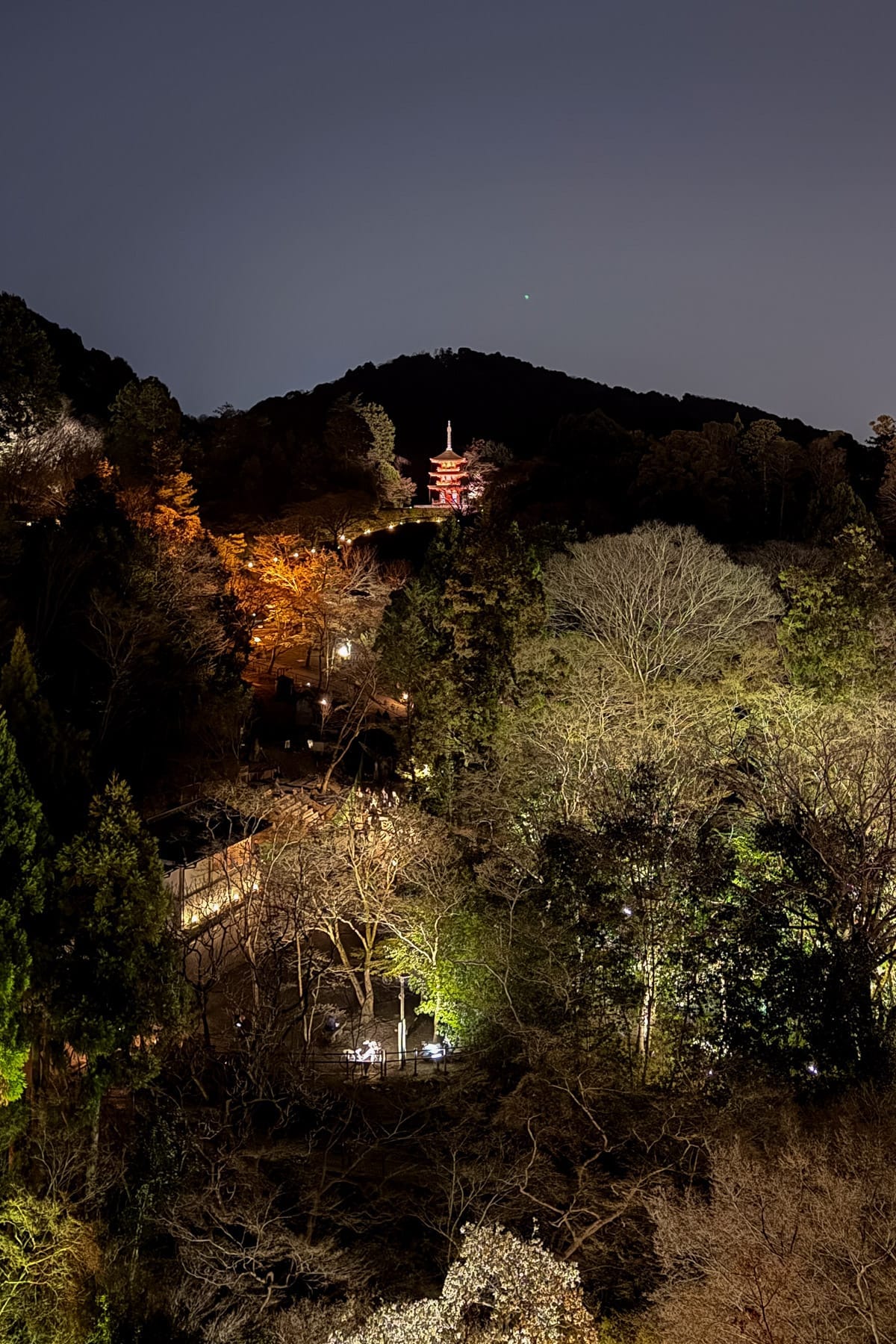
Kiyomizu-dera during its special night viewing
The special night viewings are only held three times a year:
- 10 days during cherry blossom season in spring
- 3 days during Obon (traditional Buddhist festival) in August
- 10 days during peak autumn in November
We recommend taking part in a few of the temple traditions. We lit a stick of incense as an offering, bought charms, and drew an omikuji (fortune slip).
These fortune slips cover everything from love and travel to health and business. They're usually in Japanese, so have your phone ready to translate them.
If you draw a bad fortune, tie it to one of the racks at the temple to symbolically leave the bad luck behind.
✔️ Top Tip: Bring cash!
Experience a traditional oden izakaya
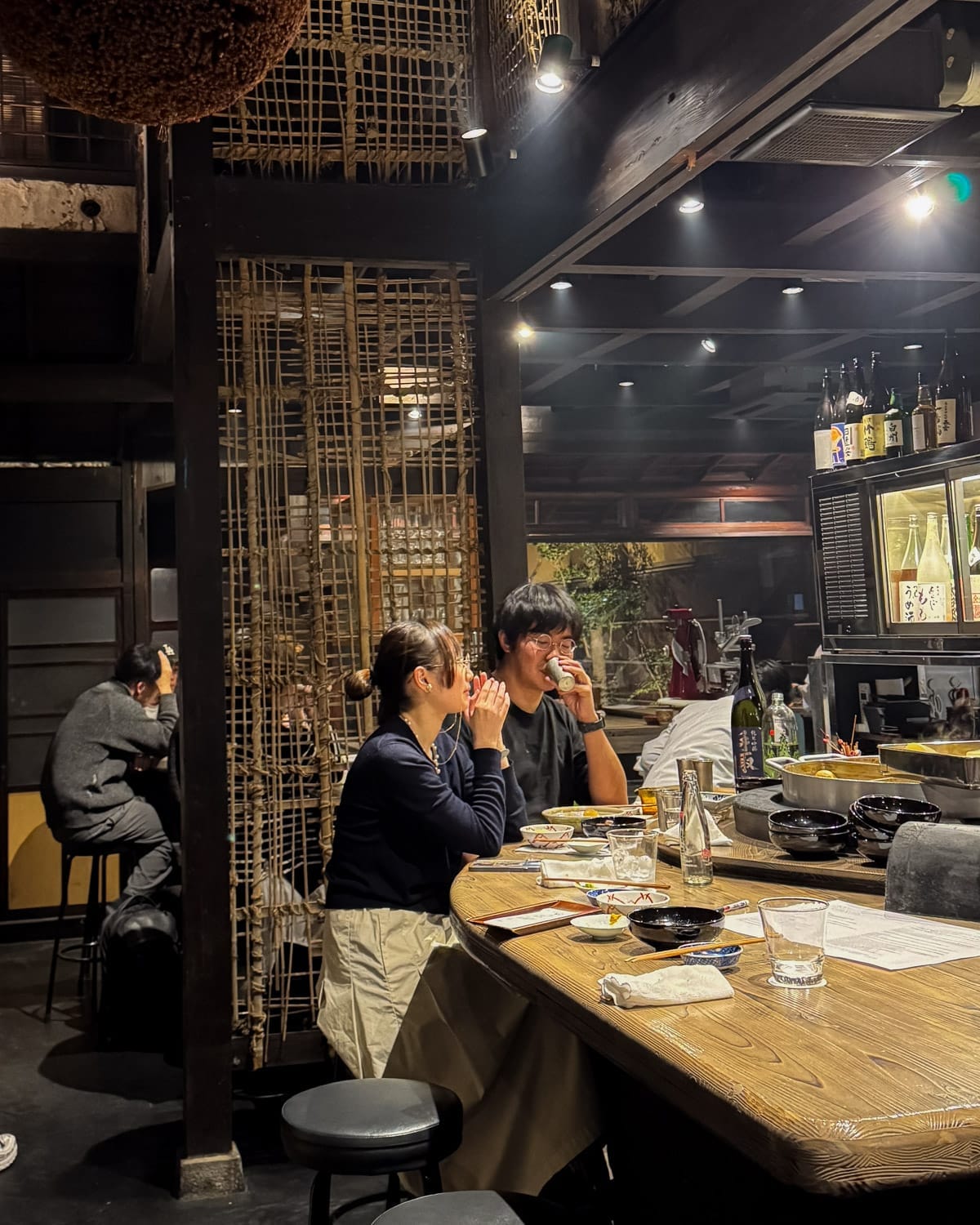
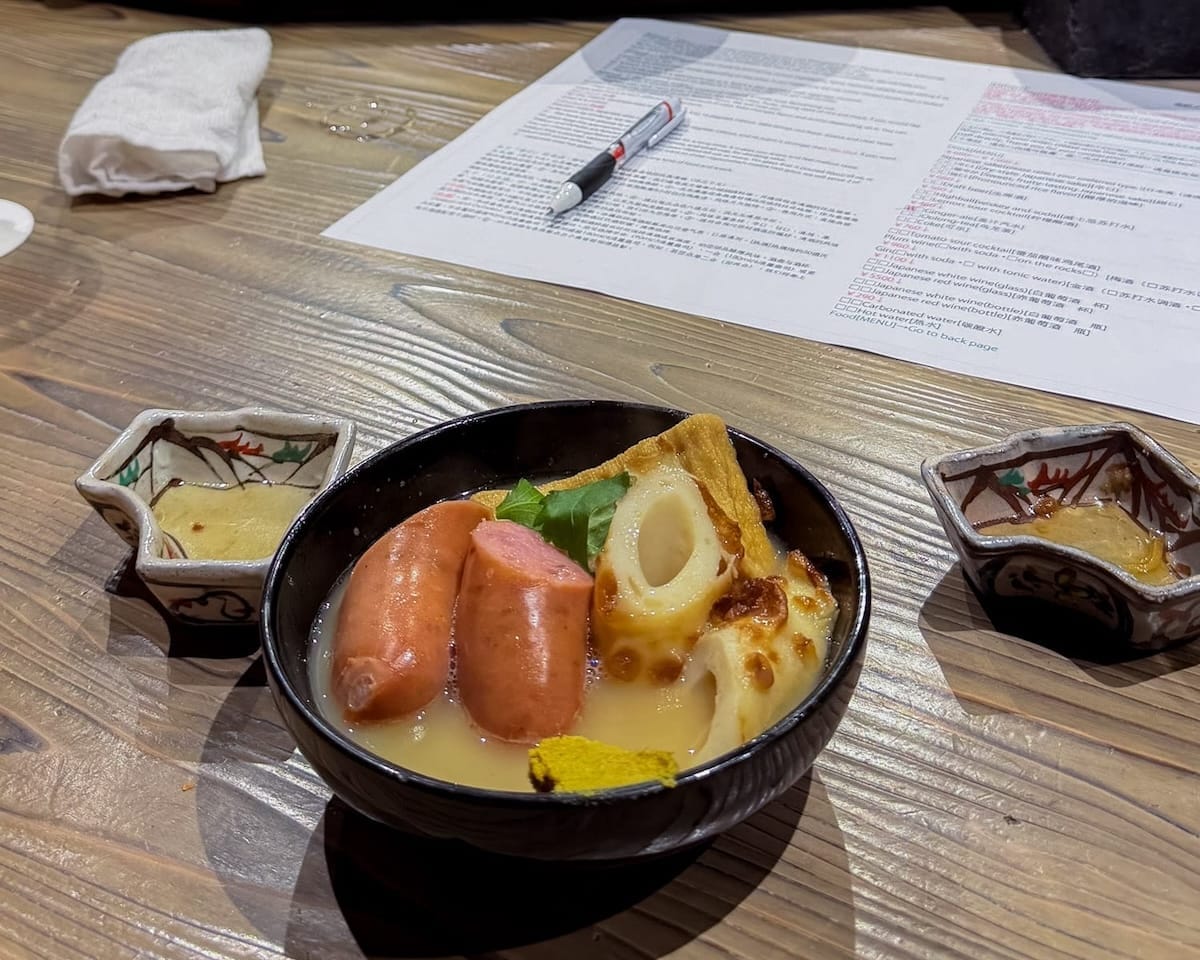
For dinner, head to Ponshu-ya Santoku Rokumi, an izakaya recommended to us by a local.
Set inside a restored Taisho-era townhouse with soaring ceilings and exposed wooden beams, we grabbed seats at the counter overlooking a huge pot of simmering oden.
Oden is a comforting Japanese dish where ingredients like daikon, eggs, tofu and fish cakes slowly cook in a flavourful broth.
You just tick what you'd like on a paper menu.
Alongside the oden, there are so many other dishes to choose from. We kept ordering more as we ate, and everything we tried was so good.
Head to Hachi for a classic listening bar experience
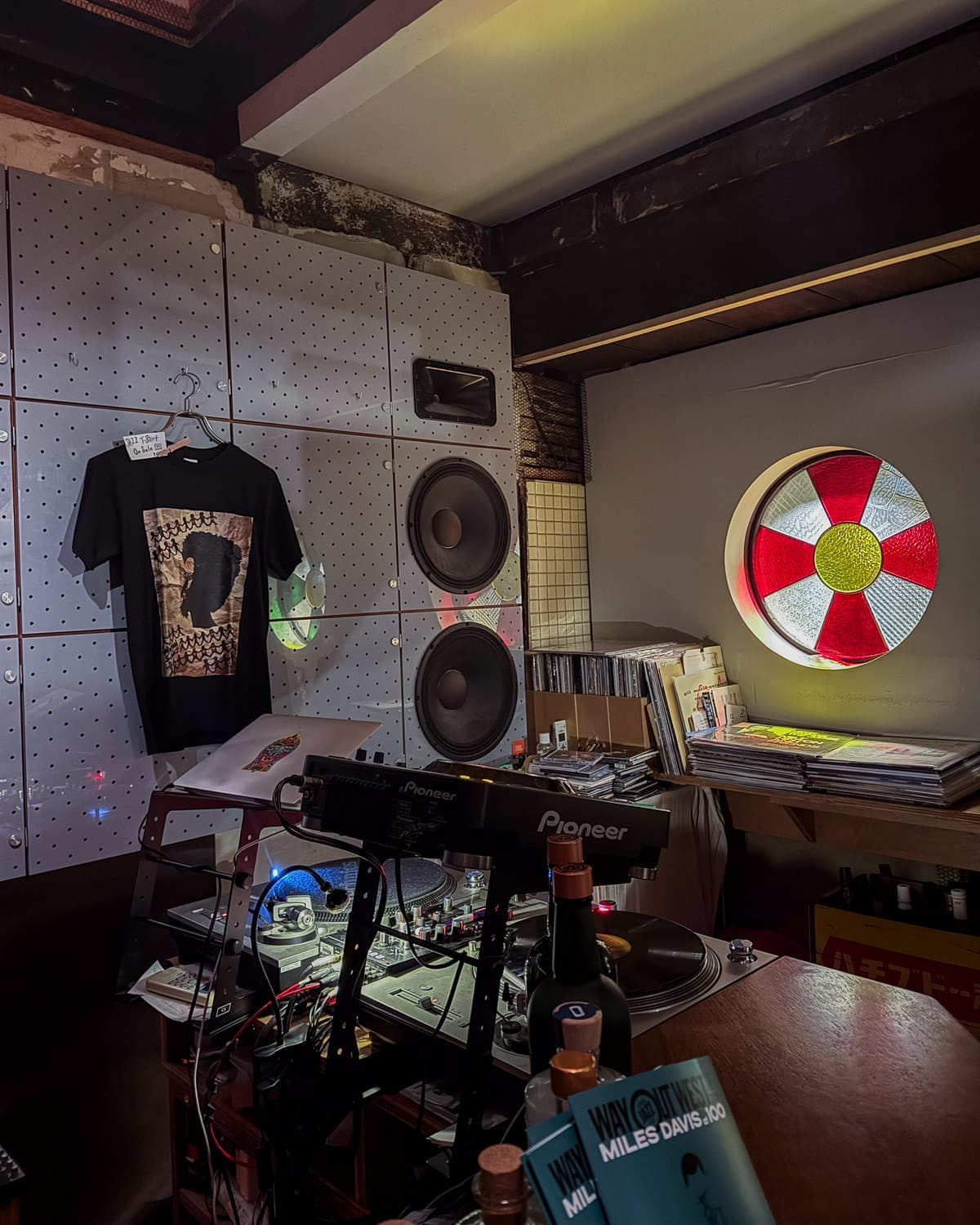
For a traditional listening bar experience, head to Hachi. Order a drink, settle into your seat and let the music take over.
Conversations are kept to a whisper so everyone can appreciate the crisp sound system and carefully selected jazz vinyl.
Hidden away on an unassuming residential street, there's also a record shop upstairs that's open during bar hours.
We picked up a couple jazz records and a jazz kissa magazine.
Day 3
Experience a traditional matcha ceremony, enjoy lunch in a UNESCO-listed Zen temple, explore a samurai film star's estate, and sample Kyoto's local food scene.
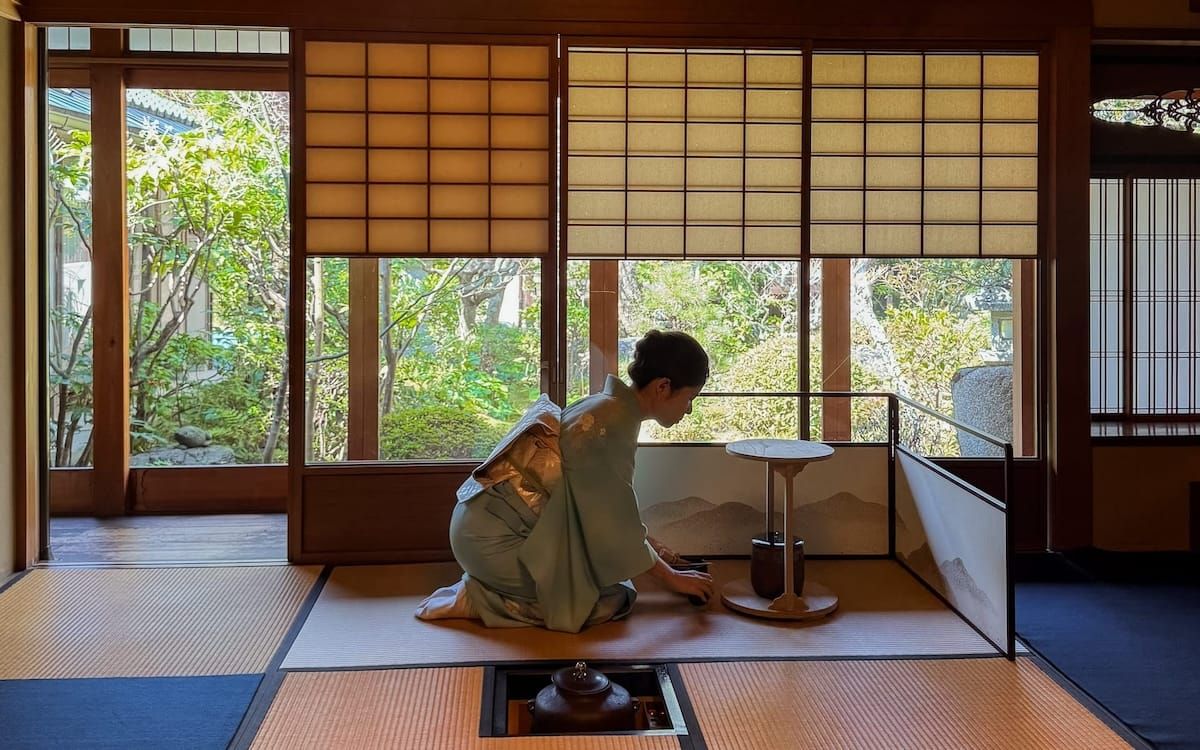
Learn about matcha at a traditional tea ceremony
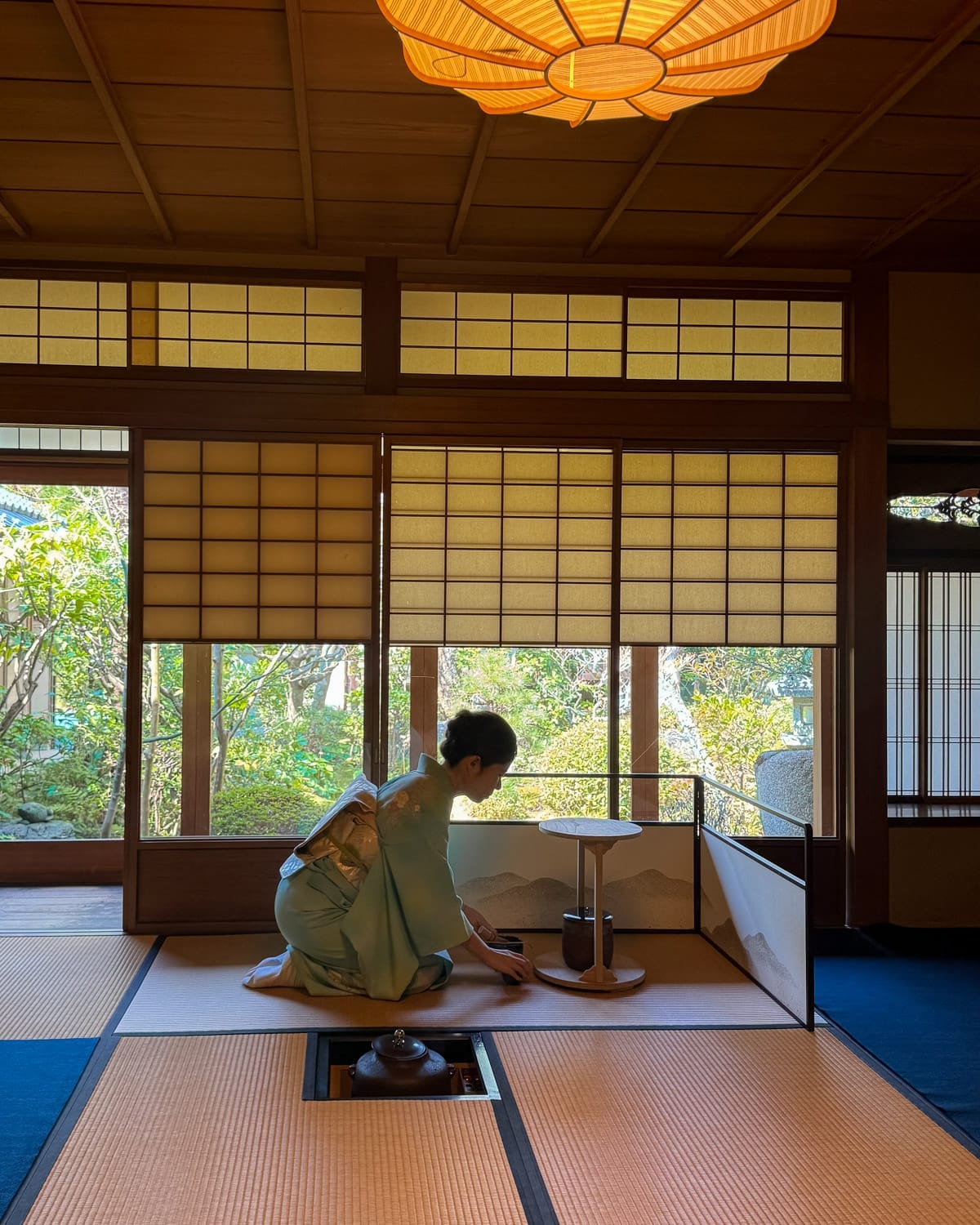
Start your morning with a traditional tea ceremony at Camelia.
As Japan's matcha capital, Kyoto is one of the best places to experience the country's centuries-old tea culture.
We chose the private experience at the Garden Teahouse, set inside a gorgeous 100-year-old traditional Japanese house overlooking a garden.
It's the more expensive option, but we thought the peaceful setting made it well worth it.
During the 50-minute experience, we learned what makes matcha ceremonial grade, how Buddhist monks drank it to help them stay focused during meditation, and the customs and traditions behind the Japanese tea ceremony.
Our tea master happily answered all of our questions before preparing us a bowl of matcha.
From the gentle sounds of the kettle to watching the matcha being whisked, we felt completely present. It was so calming.
If you're looking to save a little money, the Flower Teahouse also offers cheaper private and group ceremonies. It's also the only location where you can rent a kimono, if that's something you're interested in.
🍵 Browse more tea ceremoniesEnjoy a Michelin Bib Gourmand lunch inside a UNESCO-listed Zen temple
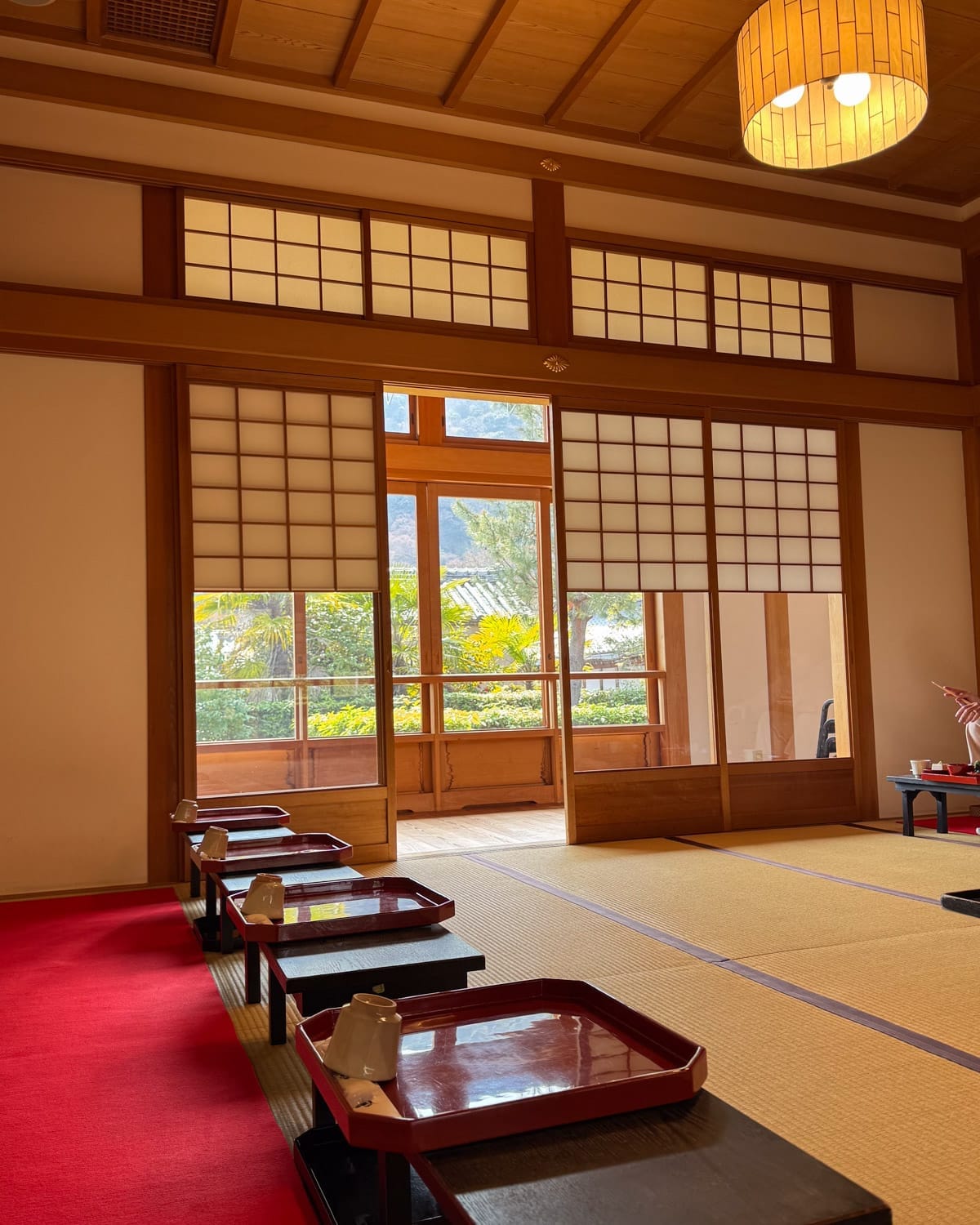
Next, make your way to Arashiyama. It's one of Kyoto's busiest sightseeing districts, but we found a unique way to escape the crowds.
Book lunch at Shigetsu, a restaurant tucked inside the grounds of Tenryū-ji, a UNESCO-listed Zen temple.
The restaurant specializes in shōjin ryōri, a traditional Buddhist cuisine that's completely plant-based. We sat on tatami mats and were served a beautifully presented multi-course meal.
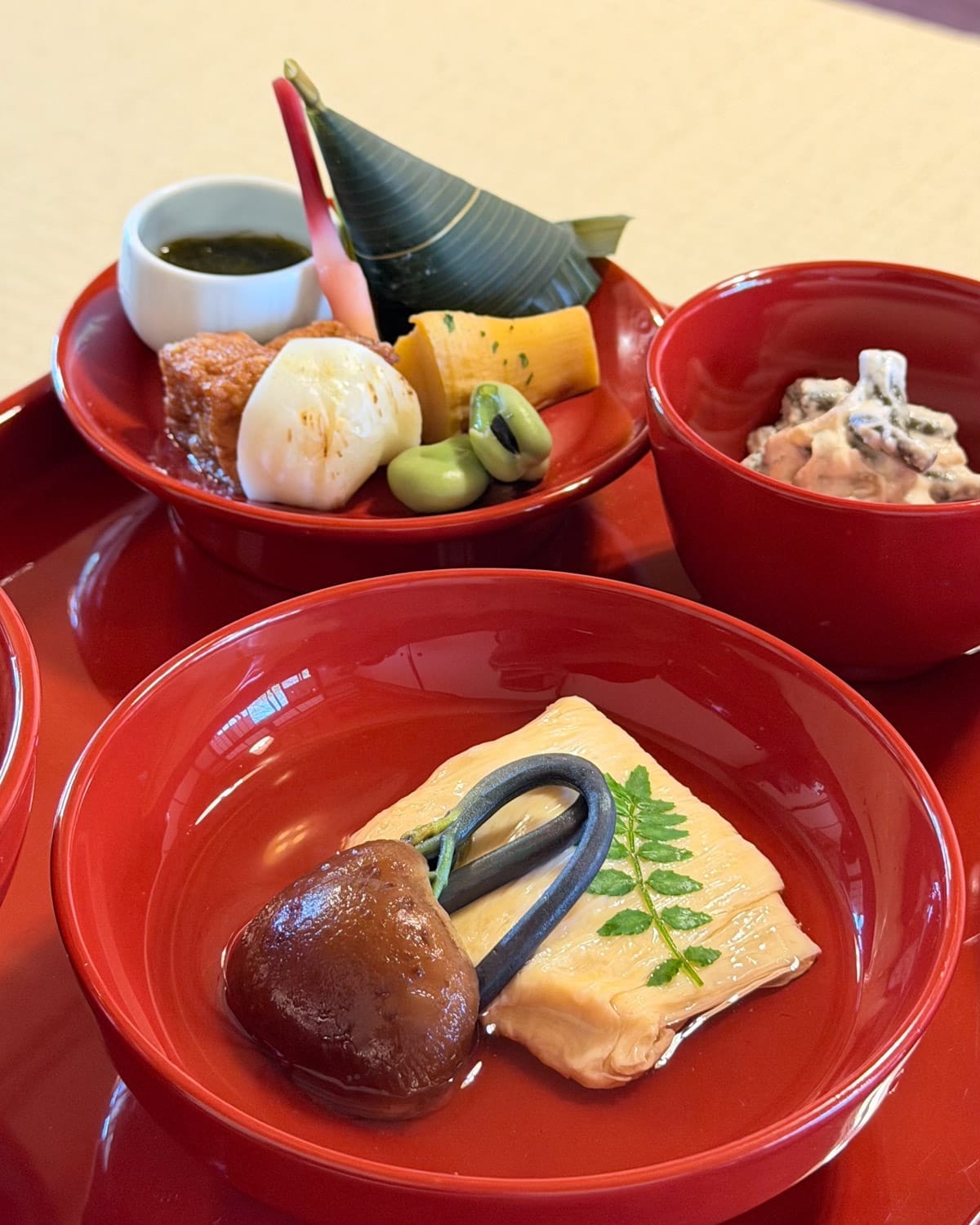
It was one of the most unique dining experiences we had in Kyoto. It's not every day you get to enjoy a Michelin Bib Gourmand meal inside the grounds of a centuries-old Zen temple.
Book your table far in advance.
After lunch, take some time to wander the beautiful grounds of Tenryū-ji, whose garden has remained largely unchanged for over 700 years.
Walk through the Bamboo Forest to the garden estate of a samurai film star
Ōkōchi Sansō Villa
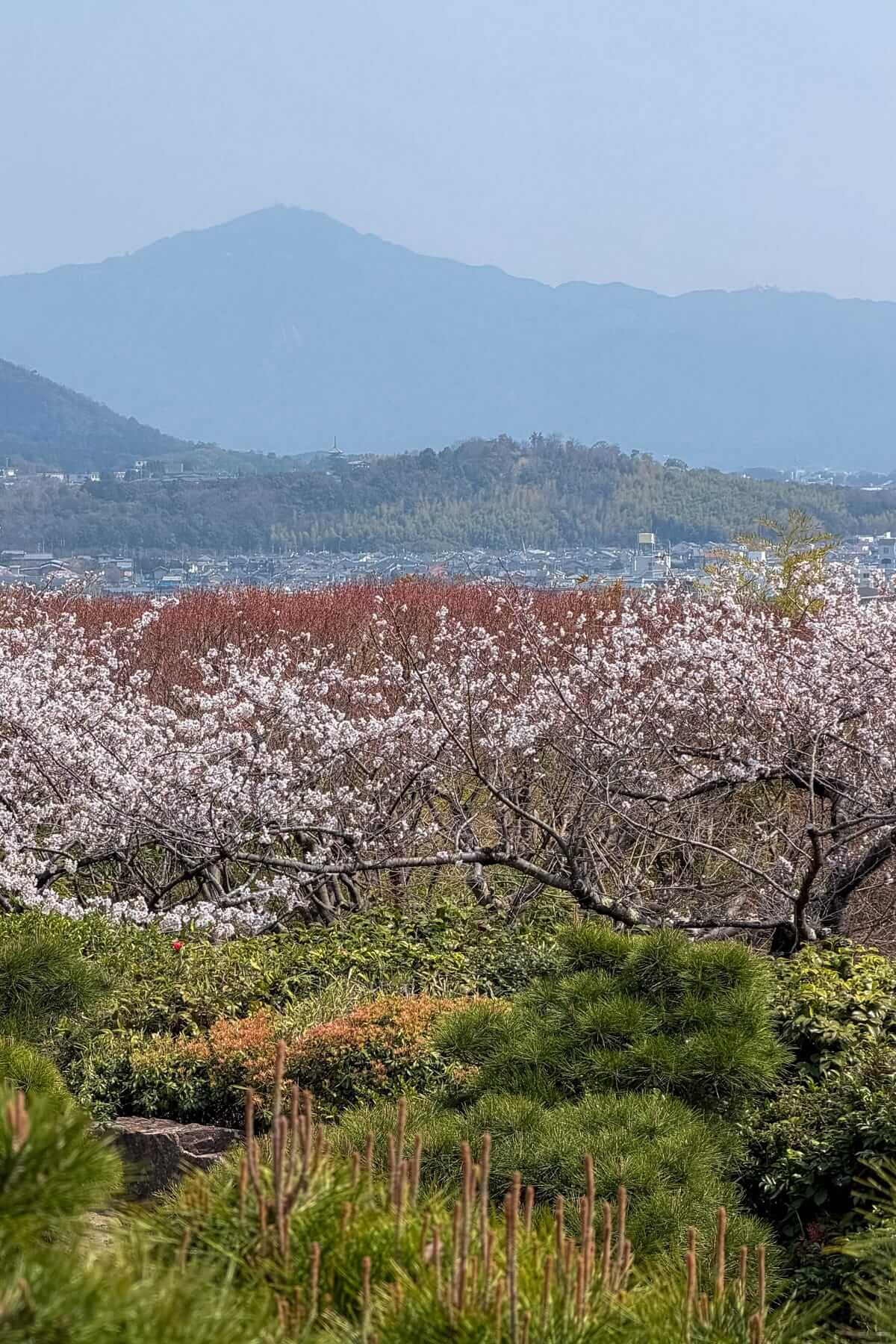
From Tenryū-ji, it's just a short walk through the famous Bamboo Forest to your next stop, Ōkōchi Sansō Villa.
The moment we stepped through the entrance, we couldn't believe how quickly the crowds disappeared.
Ōkōchi Sansō Villa was the private estate of samurai film star Denjirō Ōkōchi, who spent around 30 years using his movie earnings to create the villa and its gardens.
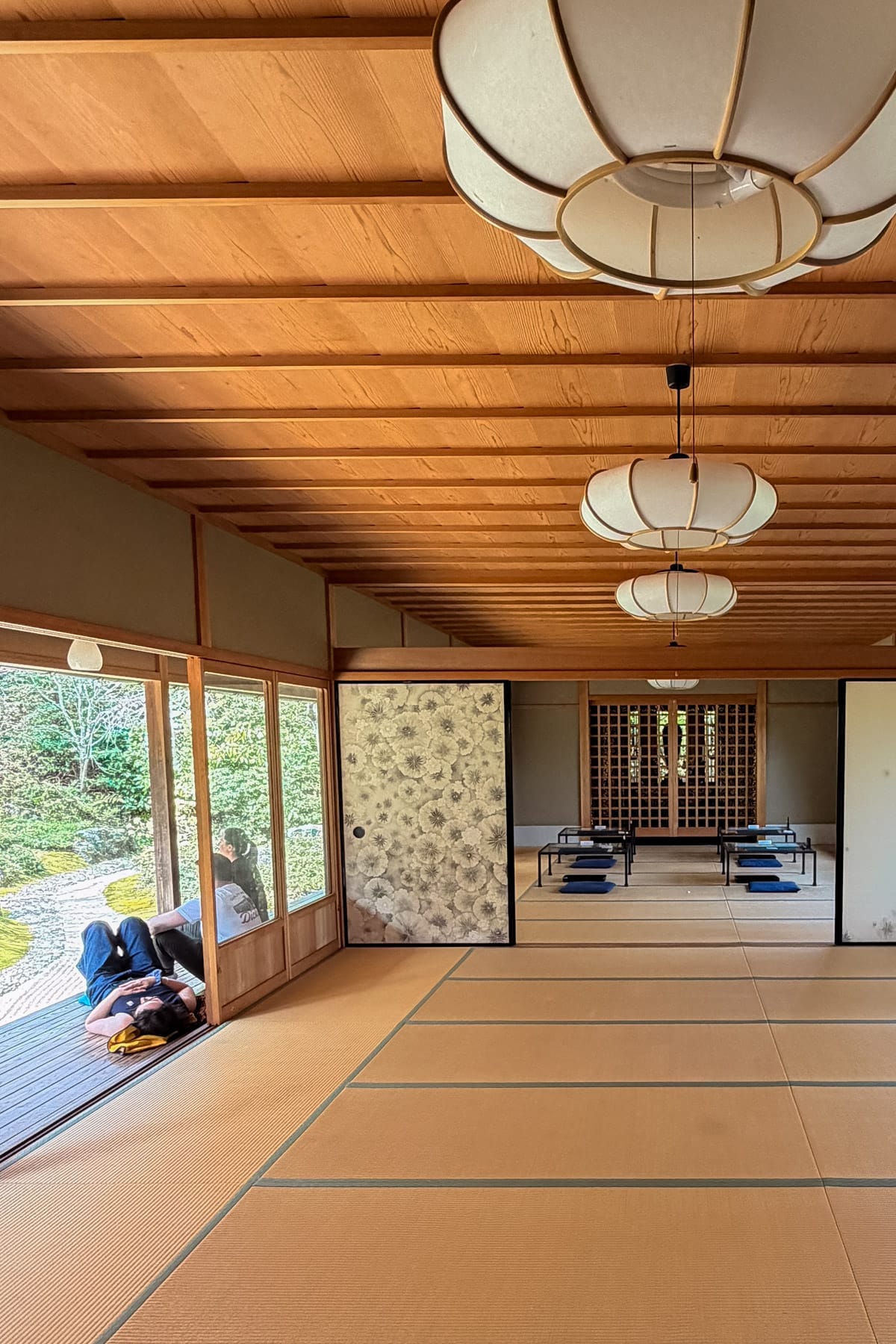
Today, you can wander through meticulously maintained gardens and quiet walking paths, with incredible views over Kyoto and the Arashiyama mountains.
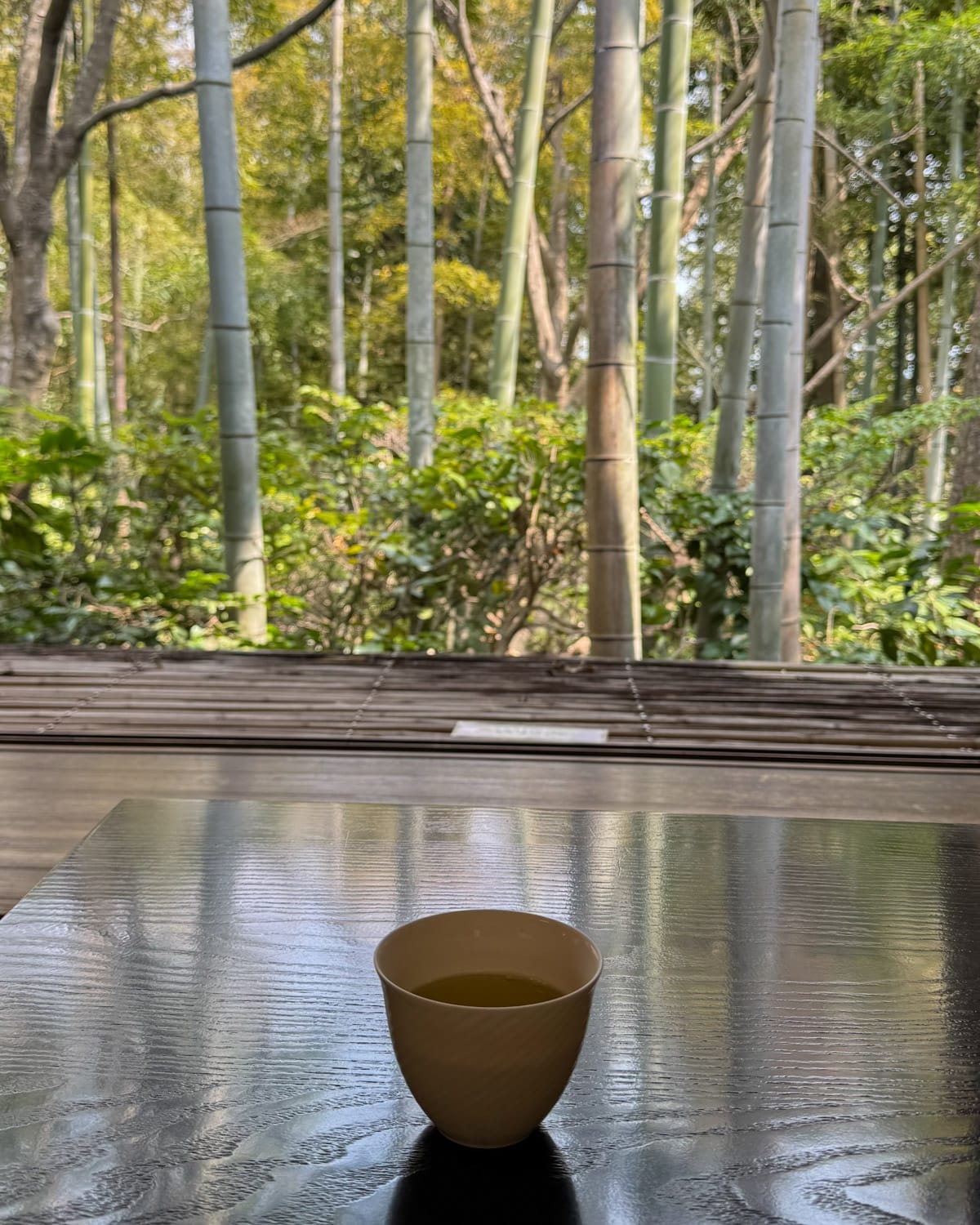
Your admission includes a cup of green tea. We drank it overlooking the bamboo forest before continuing through the gardens.
Don't miss the peaceful meditation hall beside the raked Zen garden. I can't describe how grounding it felt to sit in there.
We actually made the mistake of coming here before lunch and felt rushed. Looking back, it's one of the calmest places we've ever visited, and we easily could have spent a couple of hours there.
✔️ Top Tip: Bring cash for admission - they don't accept card.
Discover Kyoto's local food scene
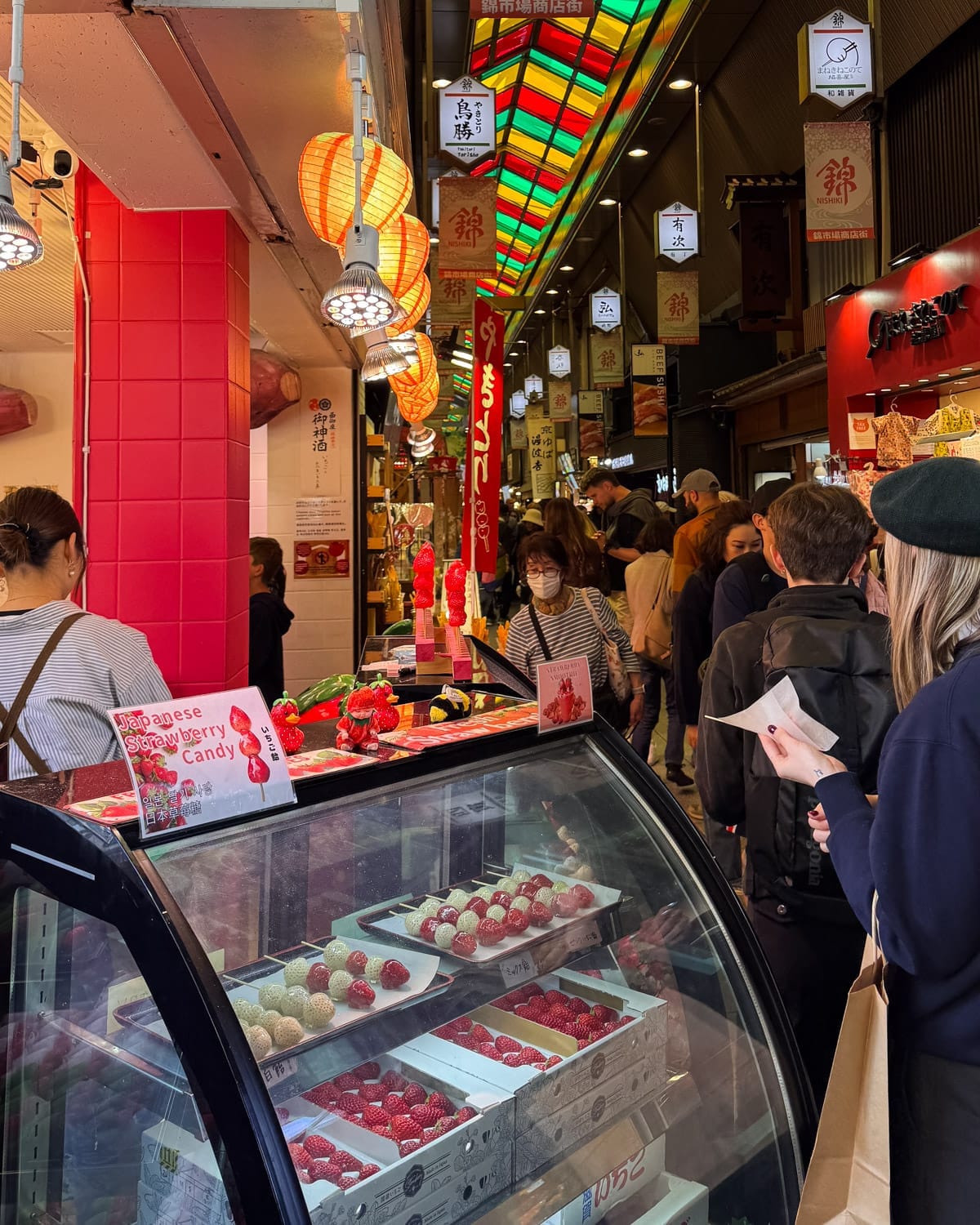
After your day of sightseeing, make your way to Nishiki Market, known as "Kyoto's Kitchen.
Serving the city for over 400 years, it's one of the best places to sample Kyoto specialties, with dozens of family-run stalls selling local dishes and ingredients.
We recommend arriving before 5 pm, as many stalls begin closing in the early evening.
🥢 Or, leave it in the hands of a local guide on a Nishiki Market food tour.Then, head a few minutes away to Yontomi Kaikan, a local favourite hidden inside an unassuming building. The narrow indoor alley is lined on both sides with tiny counter-only bars and restaurants.
Day 4
Eat handmade soba in a pottery studio, browse Kyoto's gallery-like boutiques, tour the Imperial villa that inspired Frank Lloyd Wright, and end with a kaiseki dinner.
Enjoy handmade soba in a working pottery studio
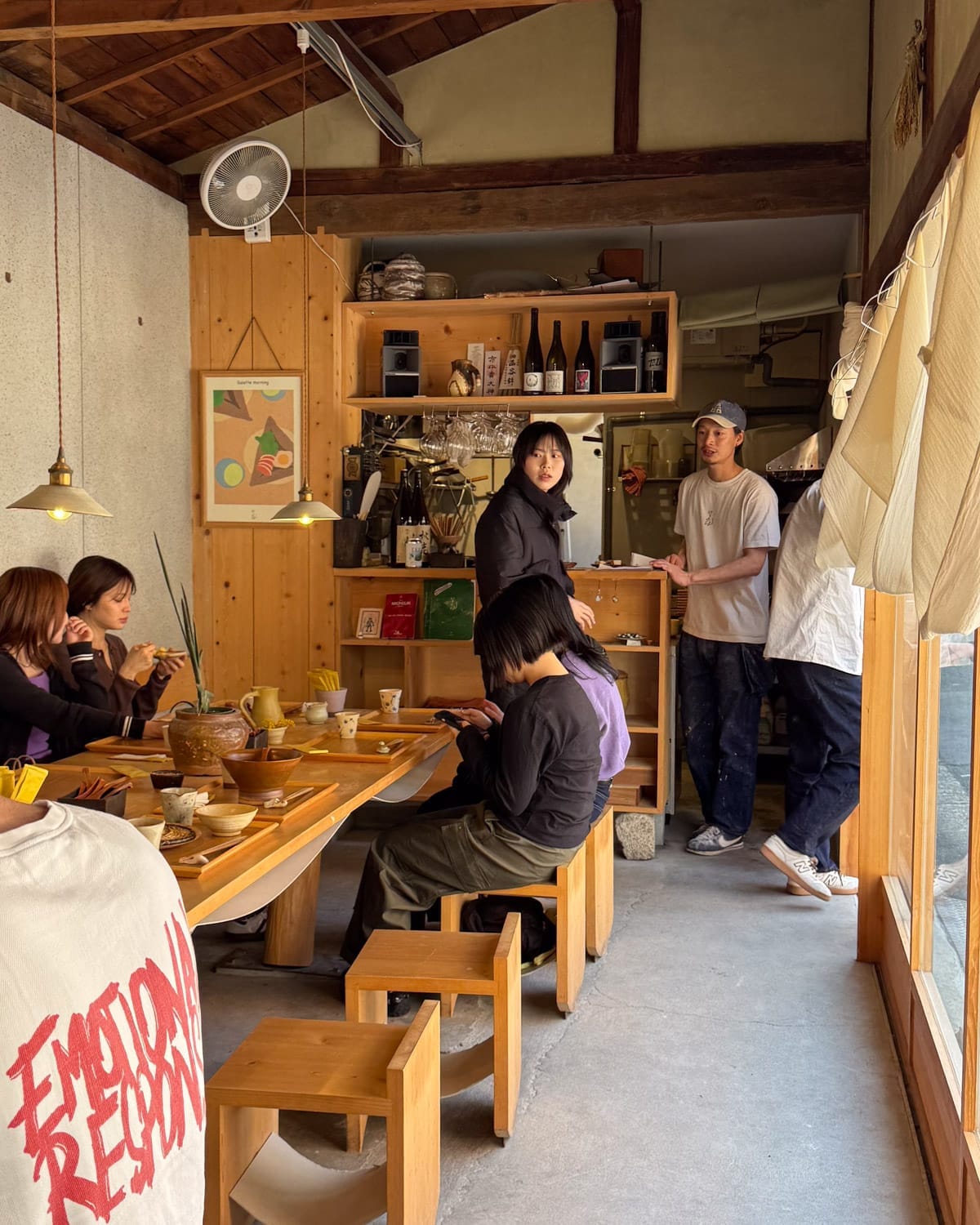
Sonoba was our best lunch in Kyoto.
The chef mills 100% buckwheat in-house and handmakes all of the beautiful pottery used to serve the food.
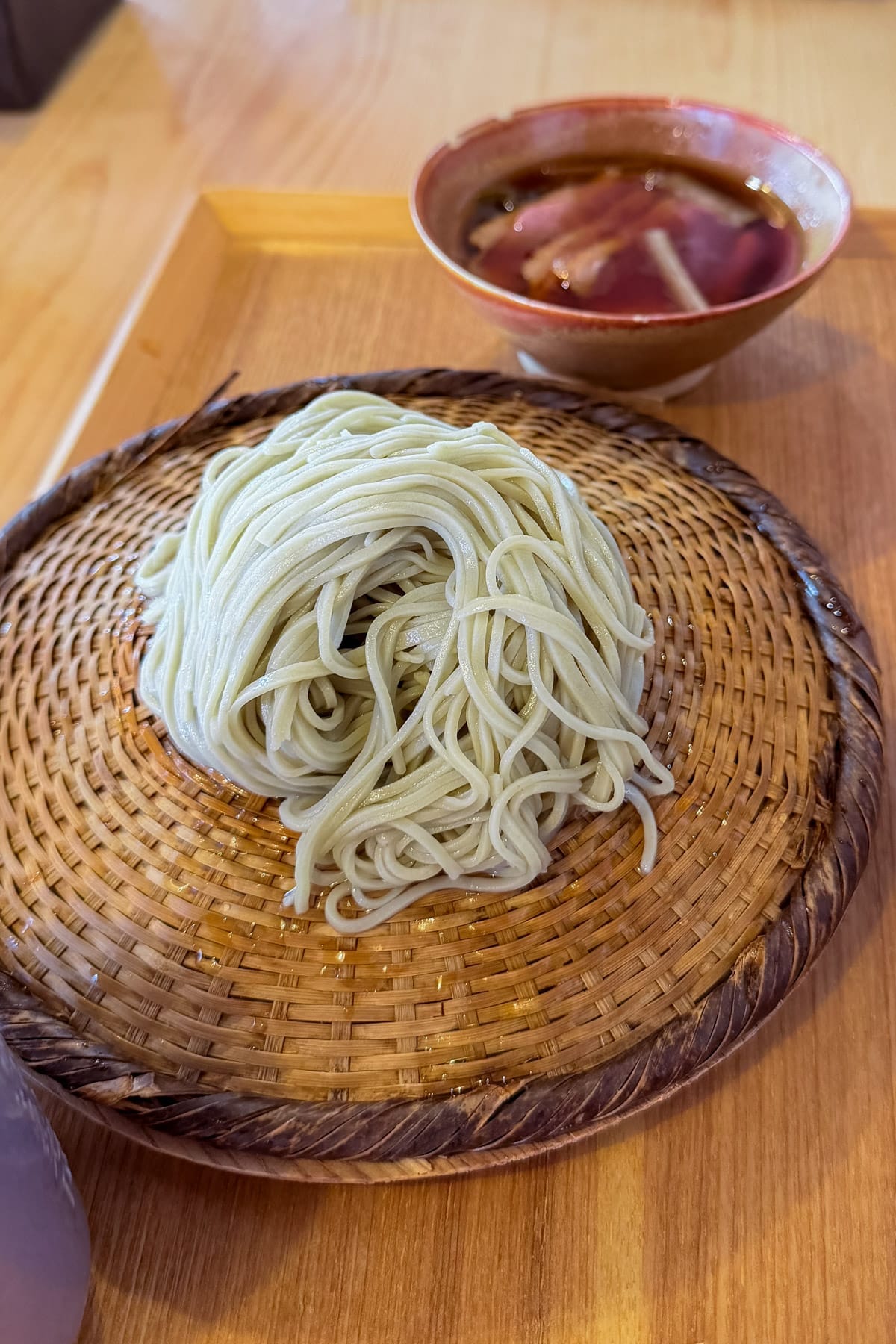
We recommend ordering the cold soba noodles served with a hot dashi dipping broth.
Ari ordered the hot soba in broth and wished he'd ordered the cold soba instead. The texture of the cold noodles dipped into the hot dashi was far more satisfying.
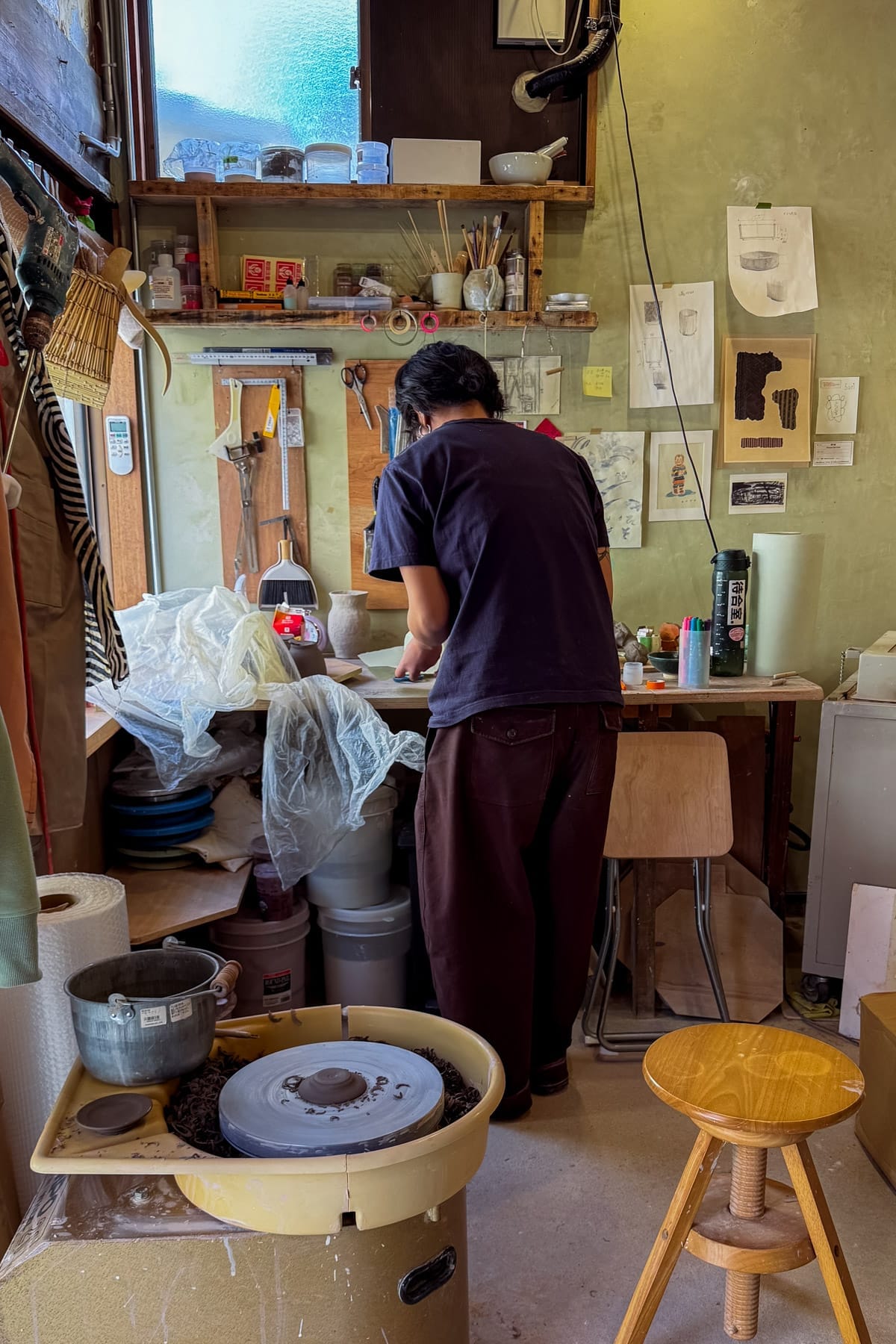
Eating cold soba with a view of the pottery studio at Sonoba
Another thing that makes Sonoba so special is the working pottery studio attached to the restaurant, with handmade ceramics for sale.
If you fall in love with the chopstick rest you used during lunch, you can even buy it. We did!
The restaurant doesn't take reservations, but we didn't have to wait long. We recommend arriving before the lunchtime rush.
Stroll along the peaceful Takase River canal
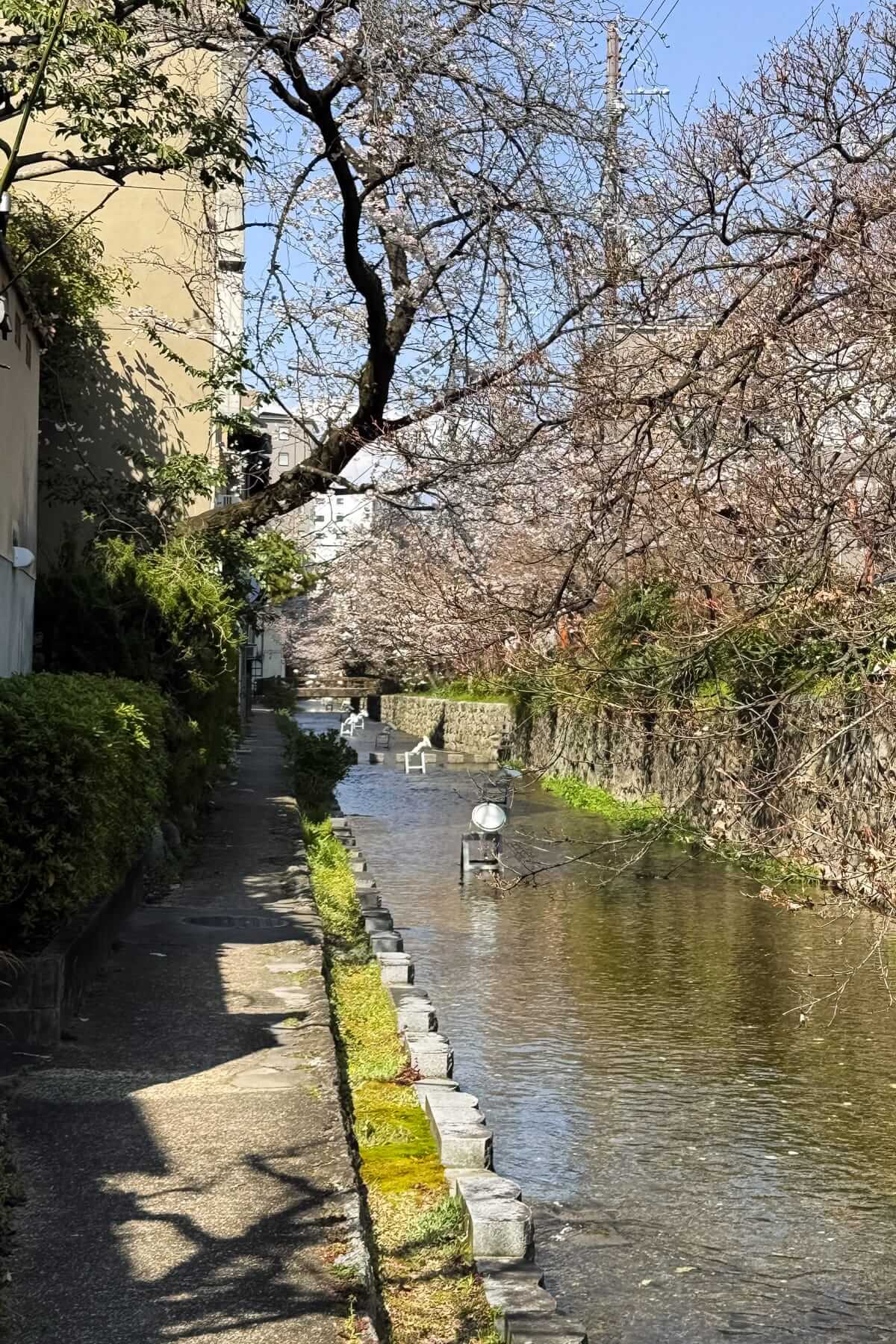
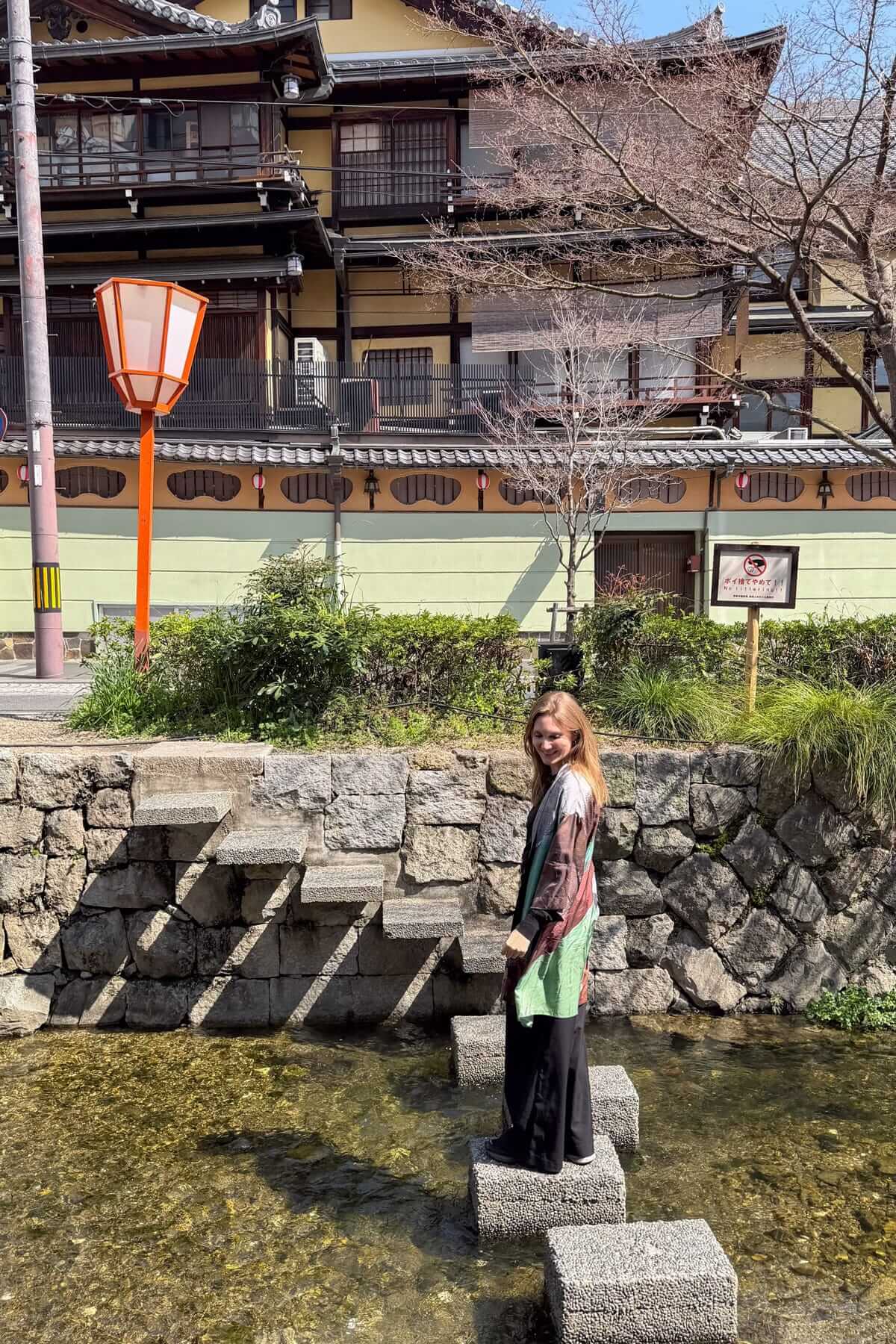
Walking along the Takase canal
After lunch, take a stroll along the Takase River canal. We got this tip from a local and couldn't believe how quiet it was.
Built in the early 1600s as a shipping canal, it's now one of Kyoto's most peaceful city walks.
If you're visiting during cherry blossom season, you'll find cherry trees blooming along the water.
Shop handmade Japanese ceramics at POJ Studio
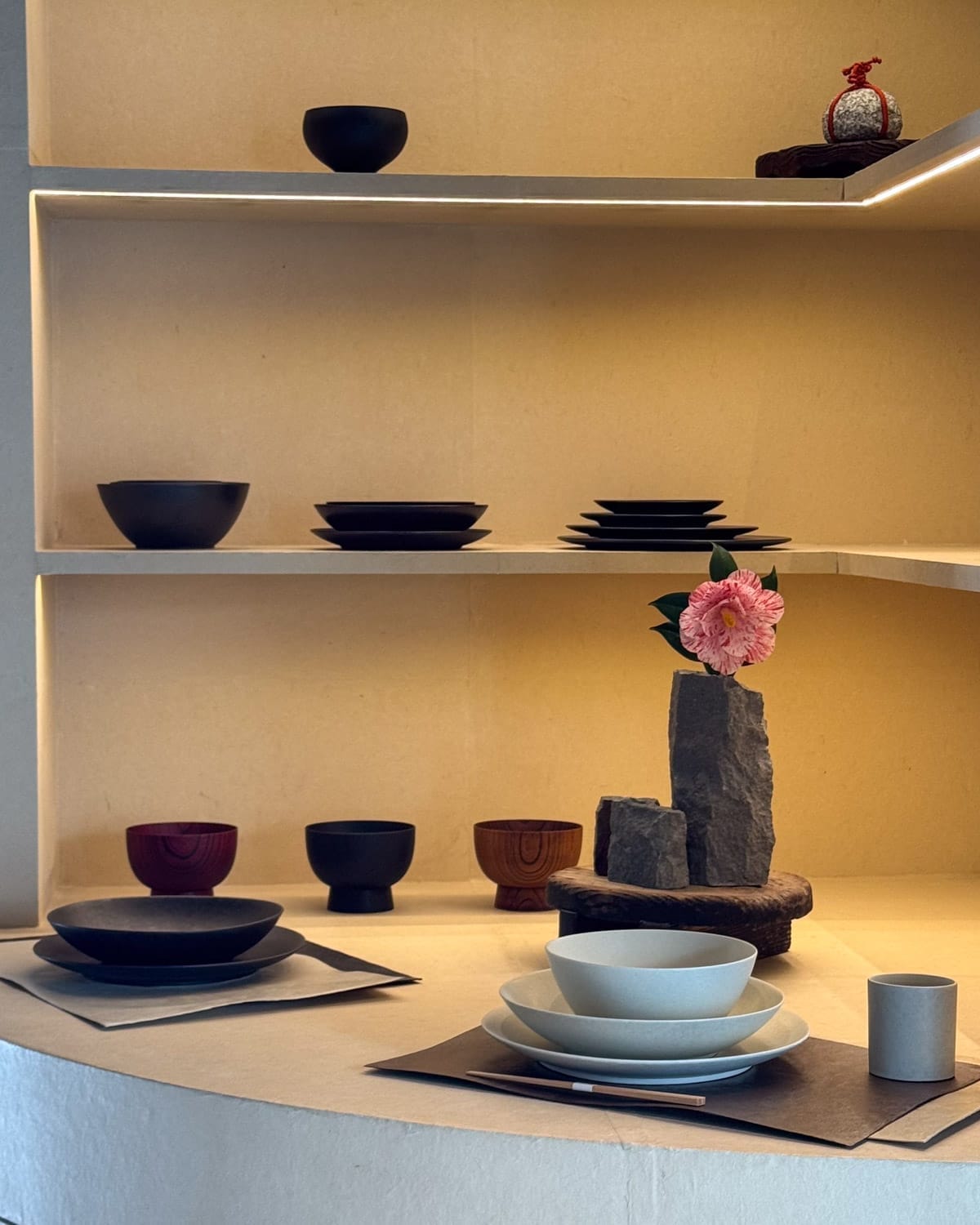
From the canal, head over to POJ Studio, our favourite boutique shop in Kyoto.
The shop works directly with artisans across Japan to help preserve traditional crafts, many of them using centuries-old techniques.
You'll find thoughtfully curated ceramics, homewares, textiles and other handmade pieces.
We bought two ceramic pasta plates and loved them so much that we ended up ordering another eight online for hosting.
Explore more of Kyoto's gallery-like shops
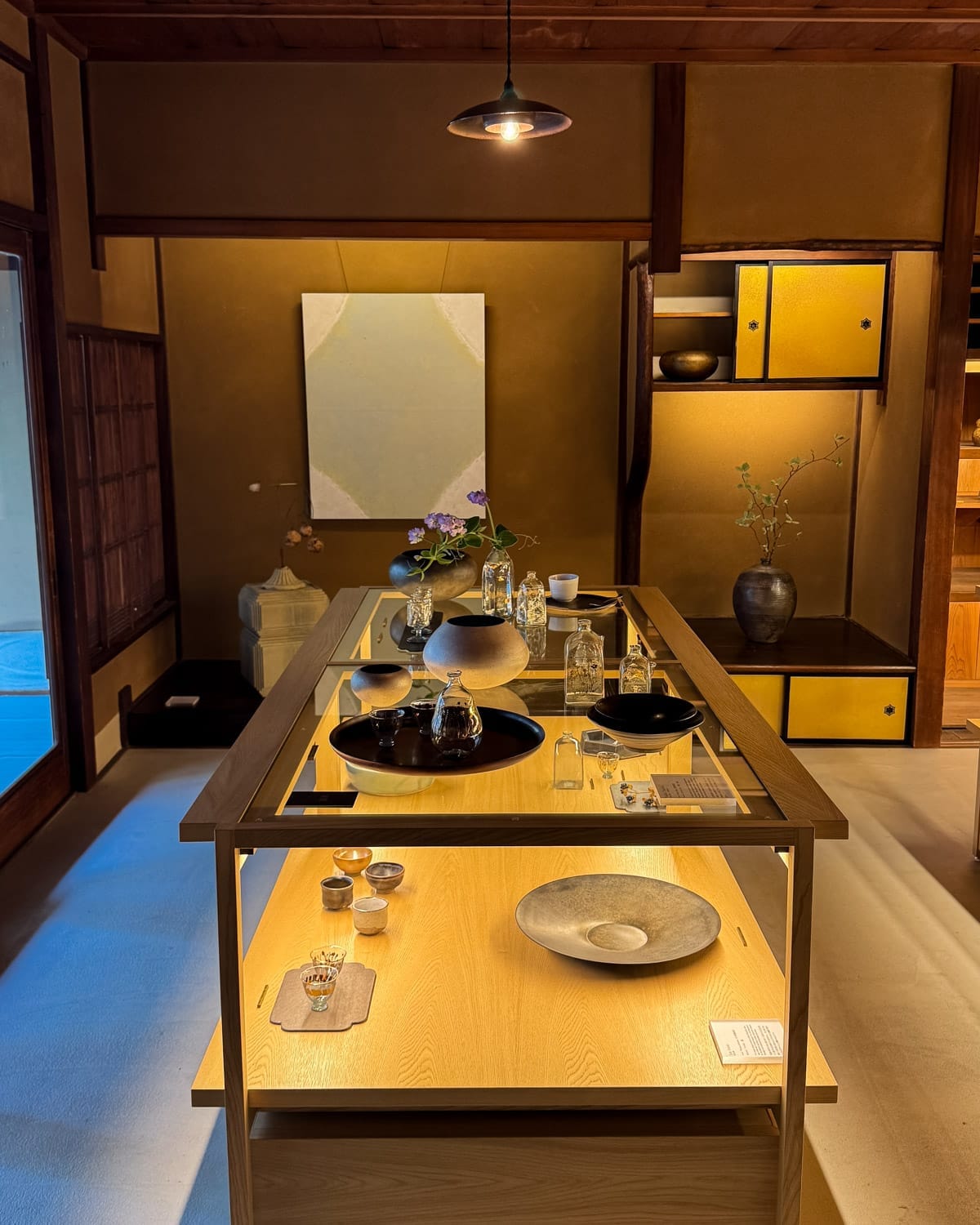
From POJ Studio, continue north into Kyoto's downtown core and spend some time browsing more of the city's unique boutique shops.
One thing we kept saying to each other was how many of the stores felt more like art galleries than shops.
Many are set inside restored traditional buildings, with peaceful inner gardens and minimalist interiors.
Instead of cramming shelves and clothing racks full of products, everything felt carefully curated, with each piece given room to stand on its own.
The downtown streets are also a pleasure to wander. They're compact, easy to explore on foot and much quieter than you'd expect for the city centre.
Don't miss these shops:
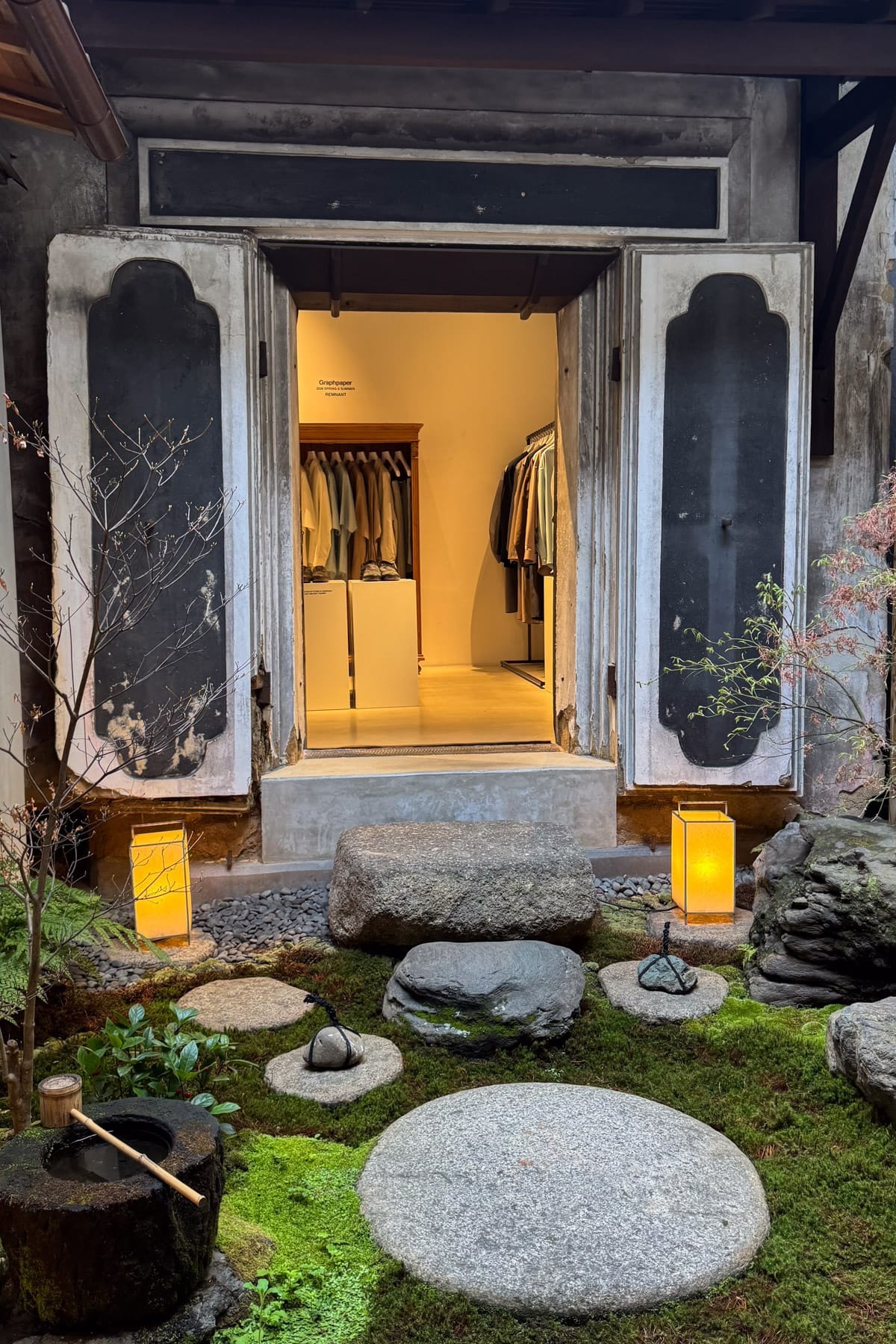
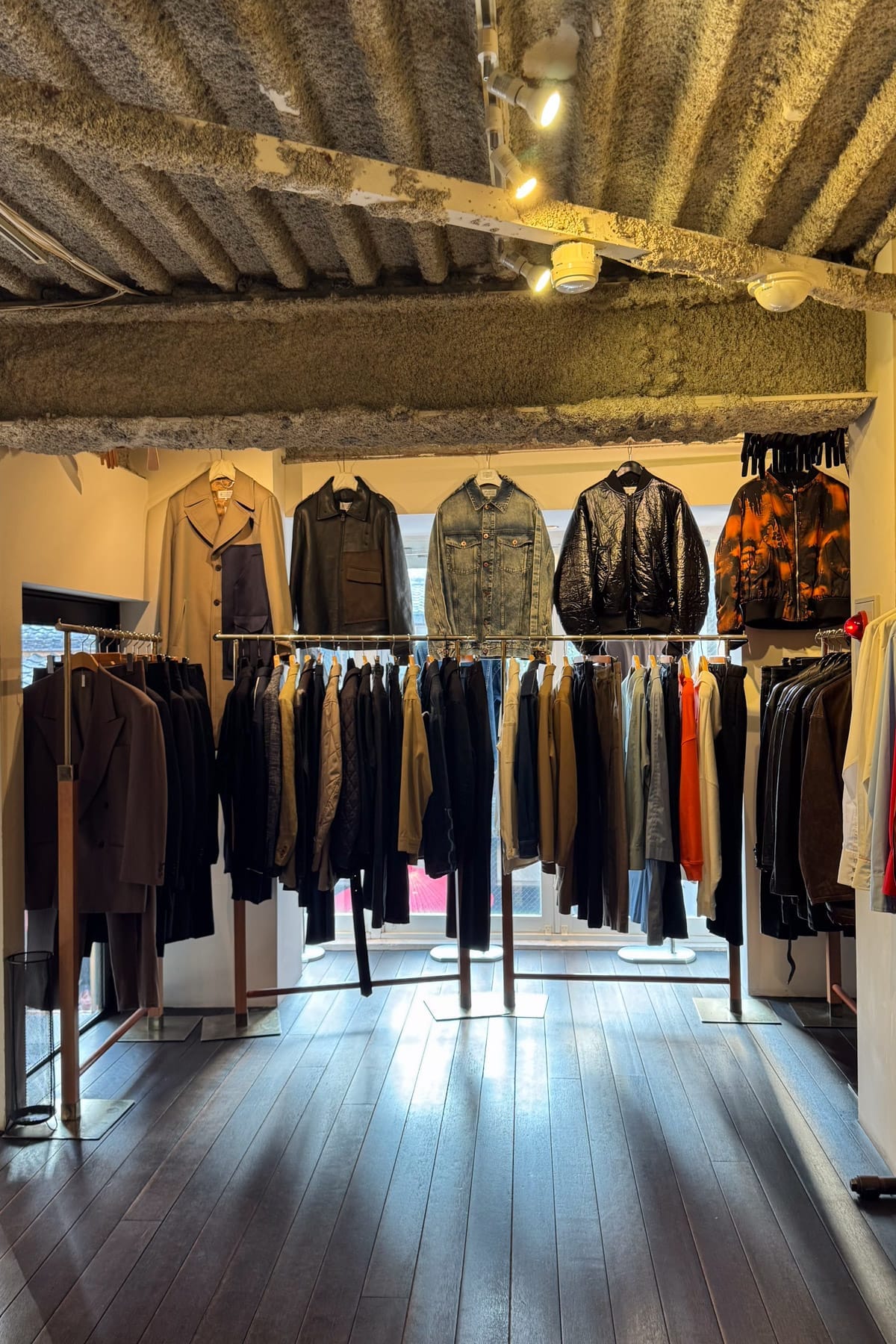
Graphpaper Kyoto | goat
Founded in 1834, this family-run incense shop makes its products using natural aromatic ingredients. We loved how soft and refined the scents were without being overpowering.
We bought the musk temple-shaped incense, which comes with its own incense holder, and wish we bought more once we lit our first one at home.
Browse handcrafted ceramics, glassware and homewares by some of Japan's leading contemporary artisans.
The pieces are on the pricey side, but they feel like works of art. We bought a couple sake glasses and tiny forks, perfect for a charcuterie board.
Browse a unique collection of antique Japanese tableware. I found the matcha bowl of my dreams here.
The owners happily shared the history behind each piece, and included notes with the maker and age of the things we bought.
Browse understated Japanese clothing inside a renovated traditional townhouse with a peaceful garden.
An excellent curation of second-hand fashion with pieces given room to stand out rather than crammed onto racks.
Tour the imperial villa that inspired Frank Lloyd Wright
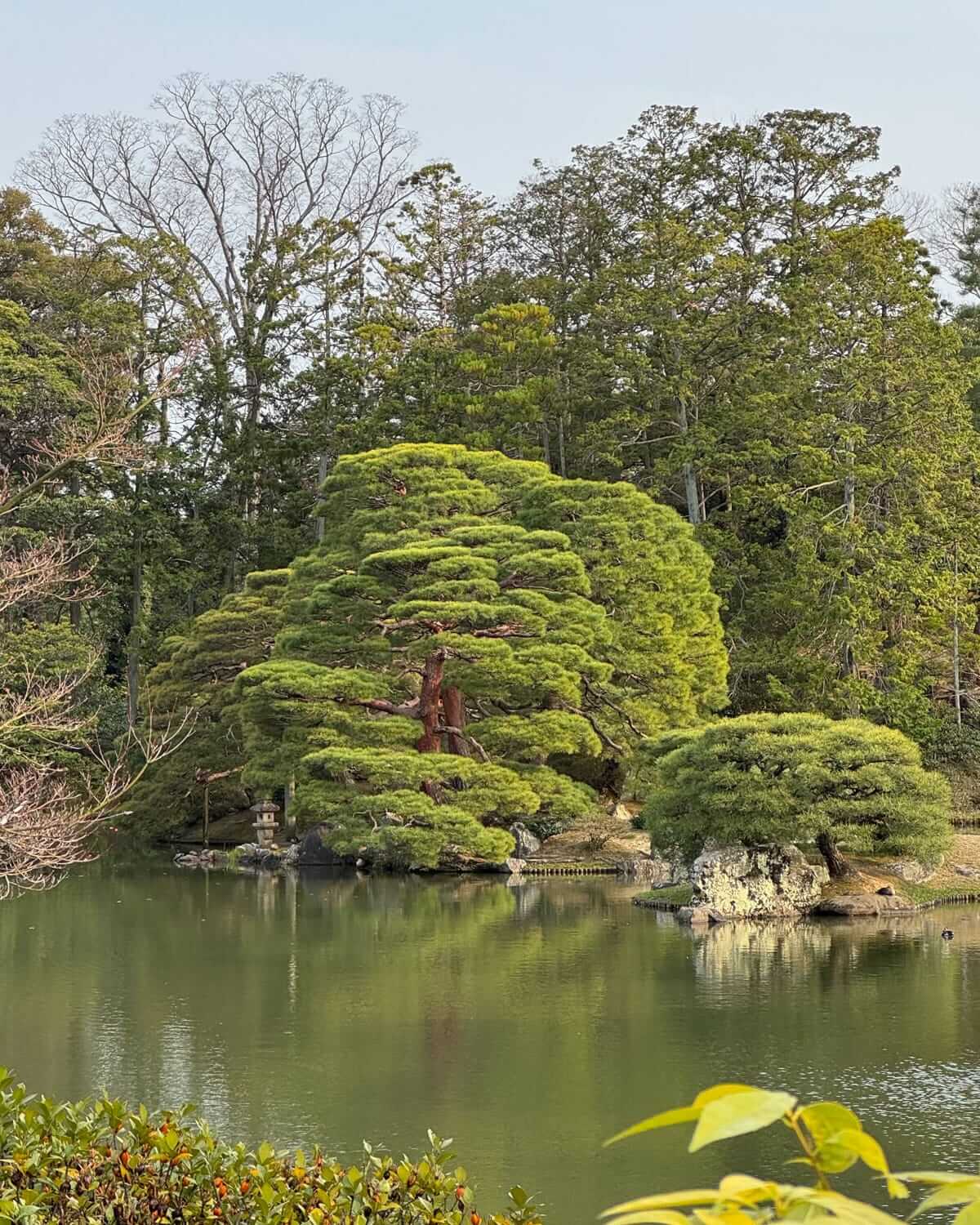
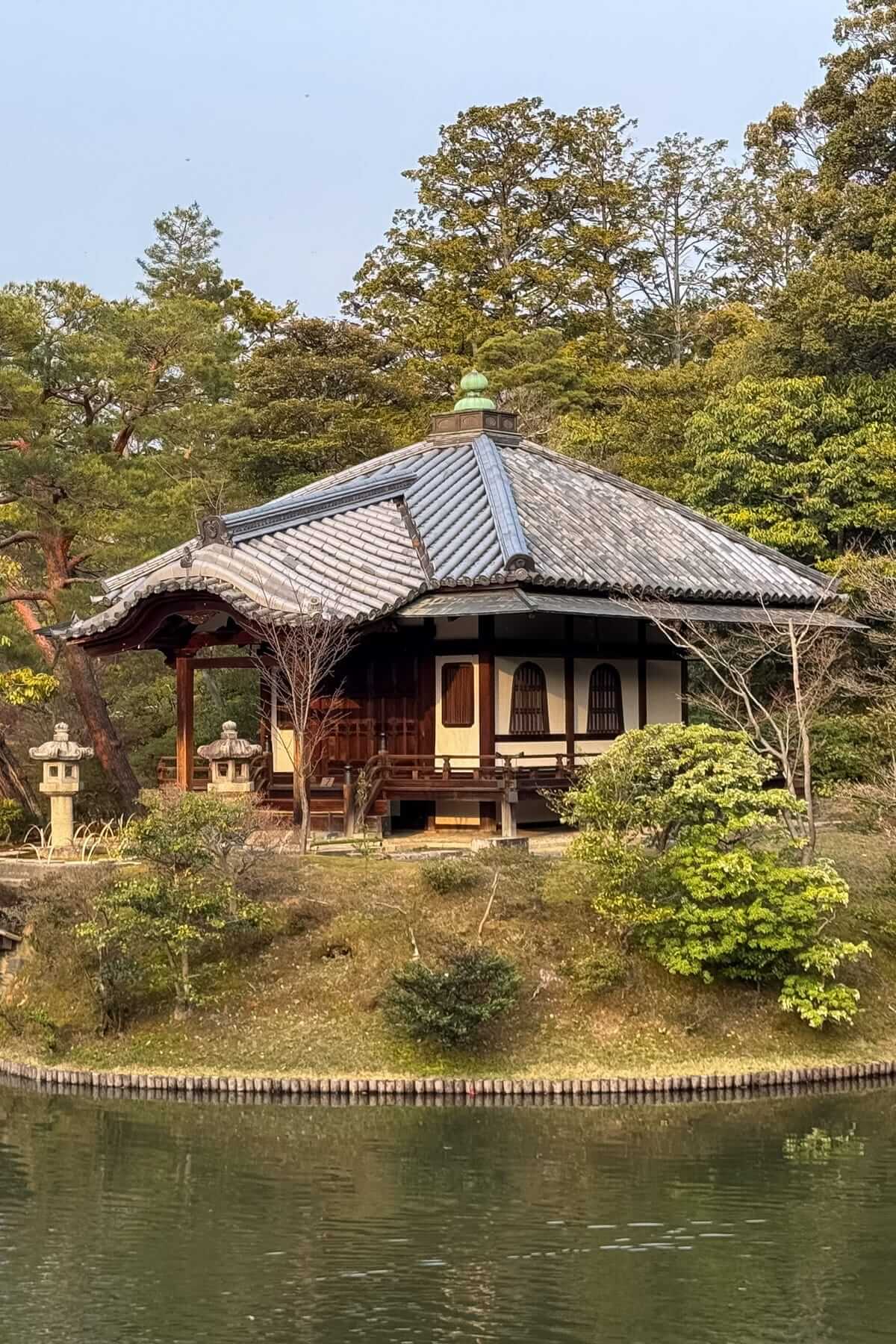
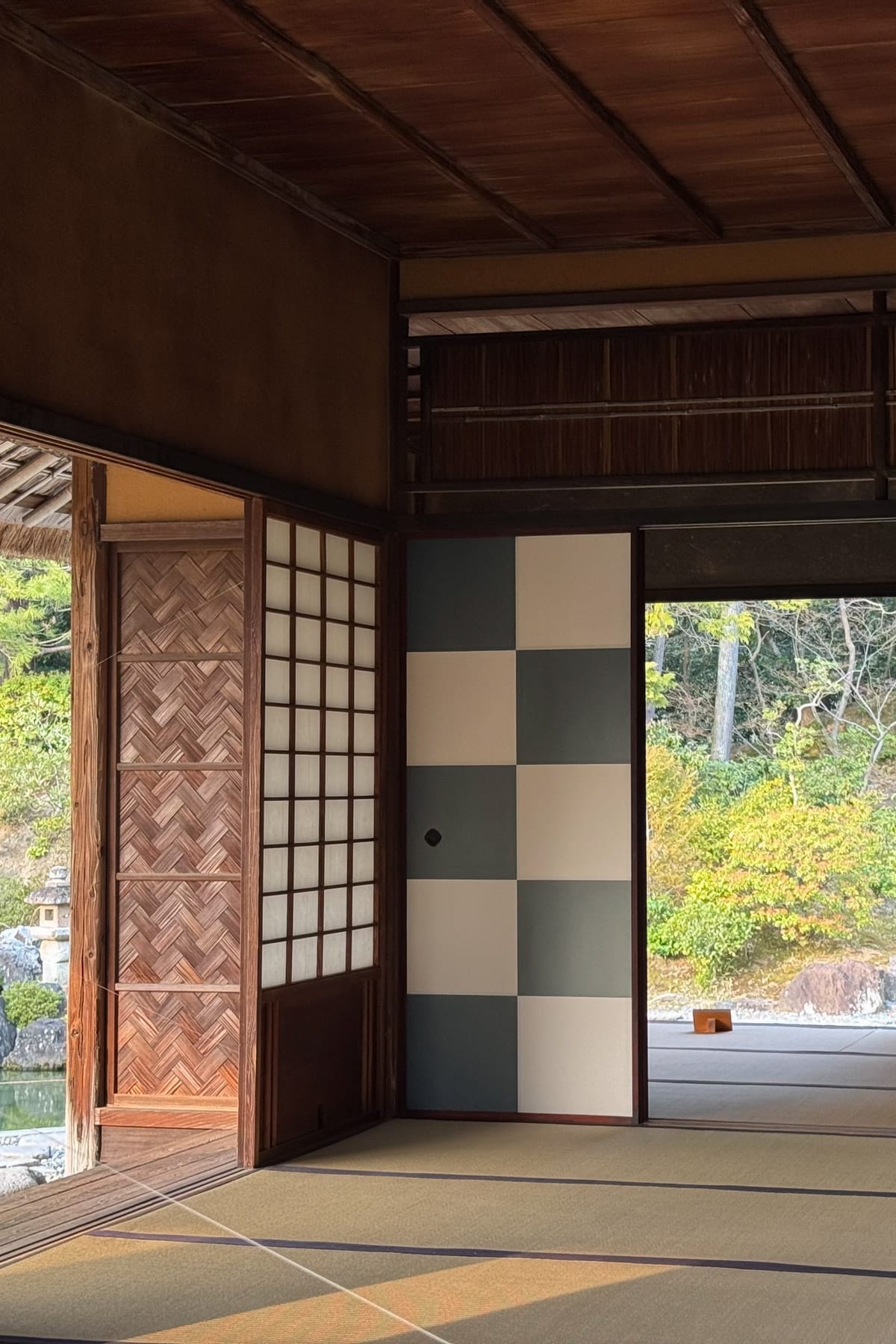
Katsura Imperial Villa
For the grand finale, visit Katsura Imperial Villa.
Built in the early 1600s as a retreat for members of the Imperial family, it's considered one of the finest examples of traditional Japanese architecture and garden design.
The grounds are absolutely immaculate. As you walk through them, your guide explains how the Imperial family entertained guests here.
Their gatherings were designed around nature, with each teahouse carefully positioned to make the most of the surrounding gardens. One pavilion was even built specifically for moon viewing.
Katsura Imperial Villa even inspired architects like Frank Lloyd Wright, who admired the way the buildings blended so naturally into the surrounding landscape.
You'll need to book your tour well in advance, as only a small number of people are allowed in each day. It takes a little extra planning, but you'll be rewarded with one of the most special places in Kyoto.
✔️ Top Tip: Don't forget to bring your passport or government-issued ID.
Enjoy a traditional kaiseki dinner
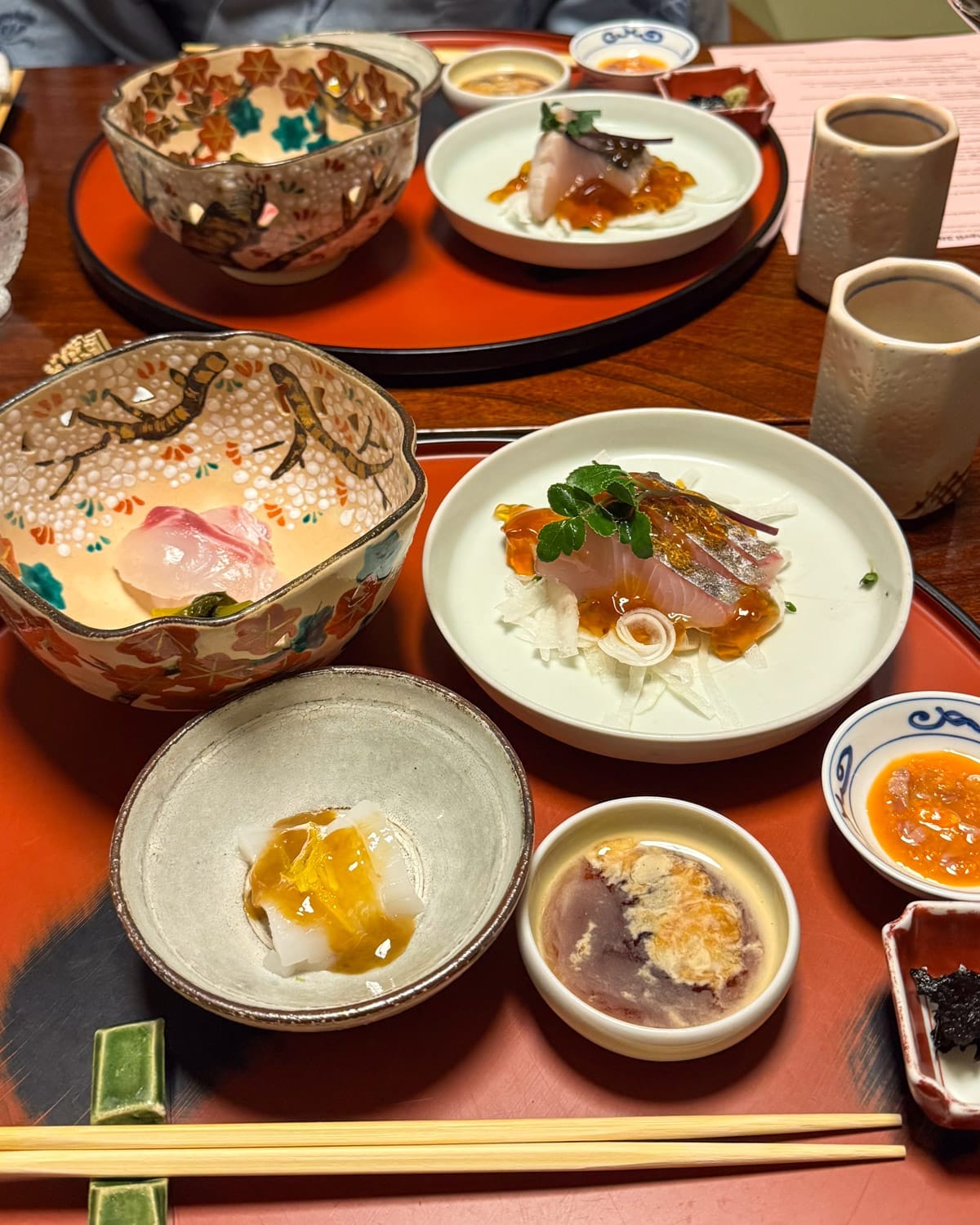
For your final dinner in Kyoto, treat yourself to a traditional kaiseki meal.
Kyoto is considered the birthplace of kaiseki, a multi-course meal that showcases seasonal ingredients through artfully presented courses.
Rather than recommending one restaurant, ask your hotel for a local recommendation nearby.
With so many excellent kaiseki restaurants across the city, it's a great way to take advantage of local knowledge.
Enjoy your 4 days in Kyoto!
Don't miss our other Japan guides:
- 2 Week Japan Itinerary
- 31 Alternative Things to Do in Tokyo
- 2 Day Naoshima Itinerary
- 2 Day Osaka Itinerary
- Kanazawa 3 Day Itinerary
Get started on planning your trip to Kyoto
- 🌃 Book your hotel: Booking.com is our go-to for finding places to stay. Sort by top reviewed.
- 🎡 Browse tours with a local guide: through GetYourGuide. Most experiences offer free cancellation up to 24 hours in advance.
- 🛫 Book your flight: use Skyscanner to compare flights across different airlines (we recommend booking direct with the airline however).
Don't forget about travel insurance
👩⚕️ For affordable travel insurance: go with SafetyWing - it's budget-friendly and you can even buy it while abroad, but note the max medical coverage is $250,000 USD. 🏥 For comprehensive travel insurance: go with World Nomads - it's more expensive, but the max emergency medical coverage is $5-10 million, depending on the plan.Save and pin this 4 Day Kyoto itinerary for later: