
After spending nearly three months in Japan over two trips, we've put together the 2-week itinerary we’d recommend to friends visiting for the first time.
If you’re more interested in discovering Japan through its food, design, nature, local neighbourhoods and everyday culture than racing between temples, this itinerary is for you.
Our 2 week Japan itinerary combines the energy of Tokyo and Osaka with the mountains and hot springs of Hakone and the contemporary art island of Naoshima, creating a route that naturally flows from one destination to the next.
Overview: 2 Week Japan Itinerary
|
2 Week Japan Itinerary
Disclosure: Some of the links below are affiliate links, meaning at no additional cost to you, we will earn a commission if you click through and make a purchase. We only recommend products or services we have used or that we believe will add value to our readers. Thank you for supporting us!Days 1-6: Tokyo
Tokyo is one of the most exciting cities in the world, where incredible food, culture, fashion and nightlife all come together. It has so much to offer that it's impossible to see it all in one trip.
What worked really well for us was giving each day its own neighbourhood. We'd spend the day exploring, popping into shops, and stopping wherever looked good for lunch.
Then we'd head to a dinner reservation (many of Tokyo's best restaurants book up well in advance), before finishing the night at a listening bar, live jazz show, cocktail bar, retro arcade or wandering the neon-lit streets.
Below are our favourite neighbourhoods to explore, places to eat, where to stay, and unique things to do in Tokyo.
The best neighbourhoods to explore in Tokyo
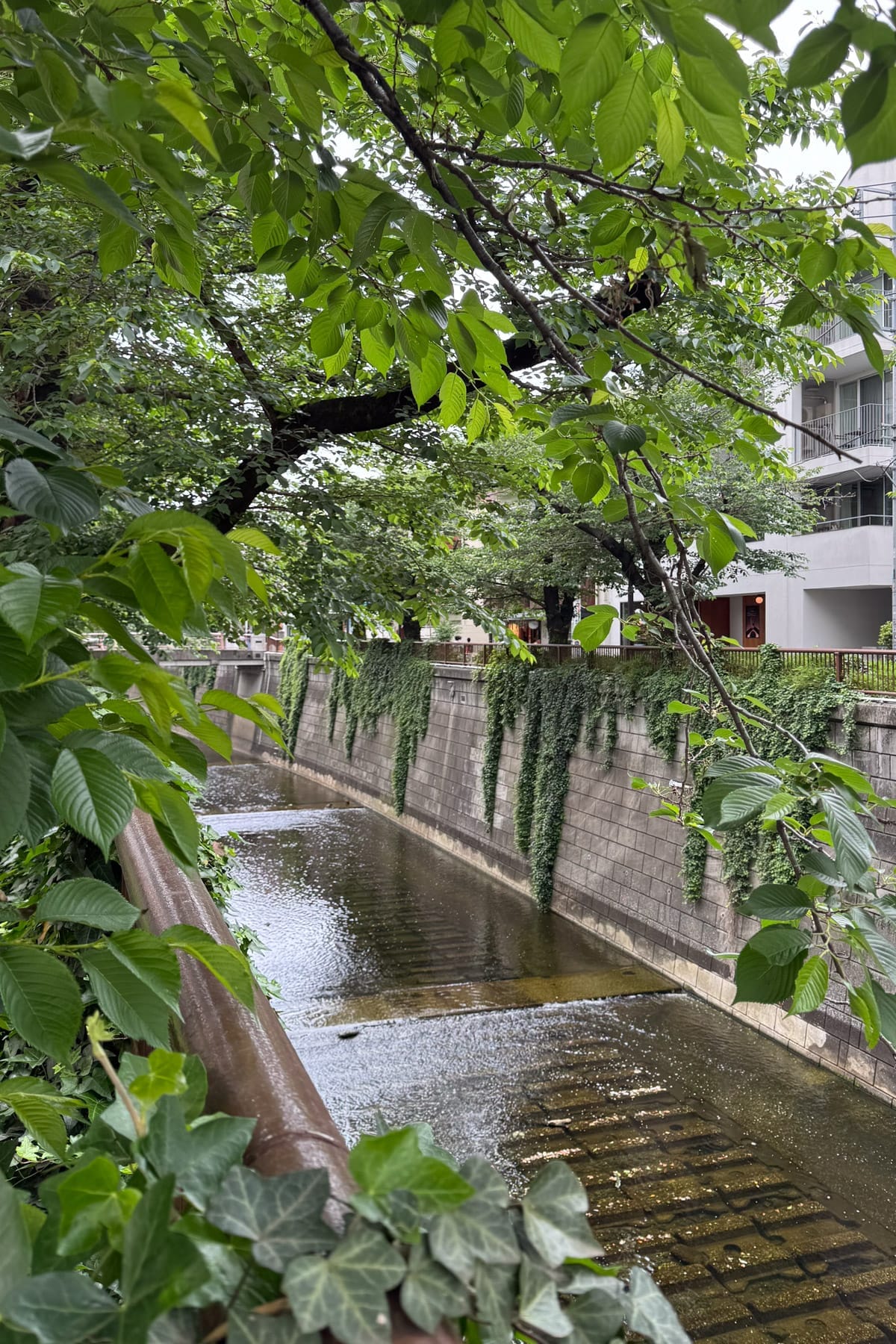
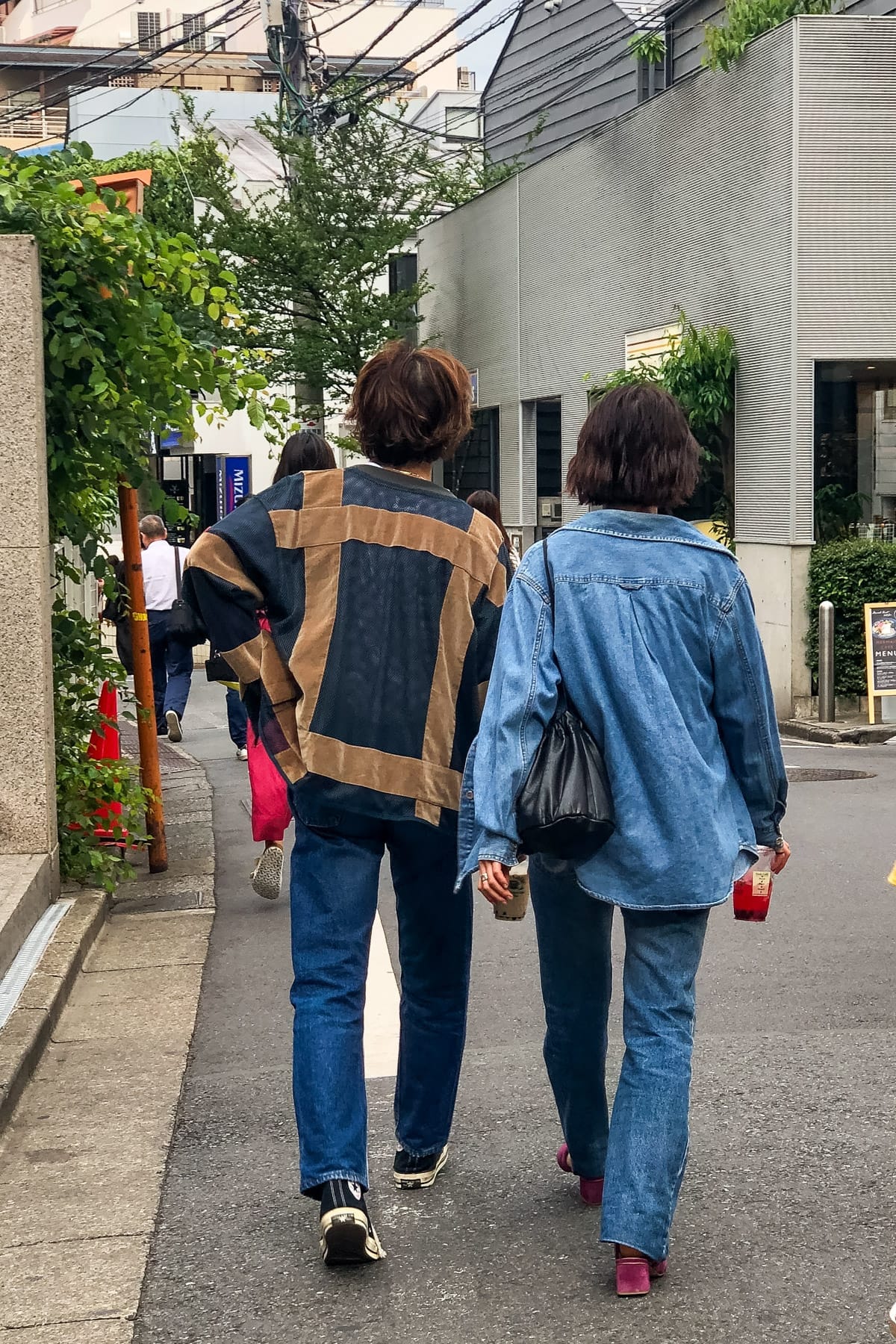
Meguro River in Aobadai | Stylish locals in Daikanyama
Daikanyama & Aobadai: best for architecture, design and indie shops
Daikanyama is one of our favourite areas in Tokyo. It’s stylish, creative and far less hectic than central Shibuya, with small streets lined with independent boutiques, vintage stores and cafes.
Don't miss a stroll along the pretty Meguro River in neighbouring Aobadai, a quieter side of Tokyo with a design focus.
For women's vintage, browse Carboots, The Brisk Vintage, vinivini, and viniviniluxe
The Vintage Dress specializes in vintage designer dresses, while Hedy Daikanyama has a nice selection of timeless luxury handbags.
Hollywood Ranch Market and Eliminator are our top picks for menswear, while The Conran Shop is our favourite for design-led homewares and gifts.
Tsukiji Market: best for seafood & market eats
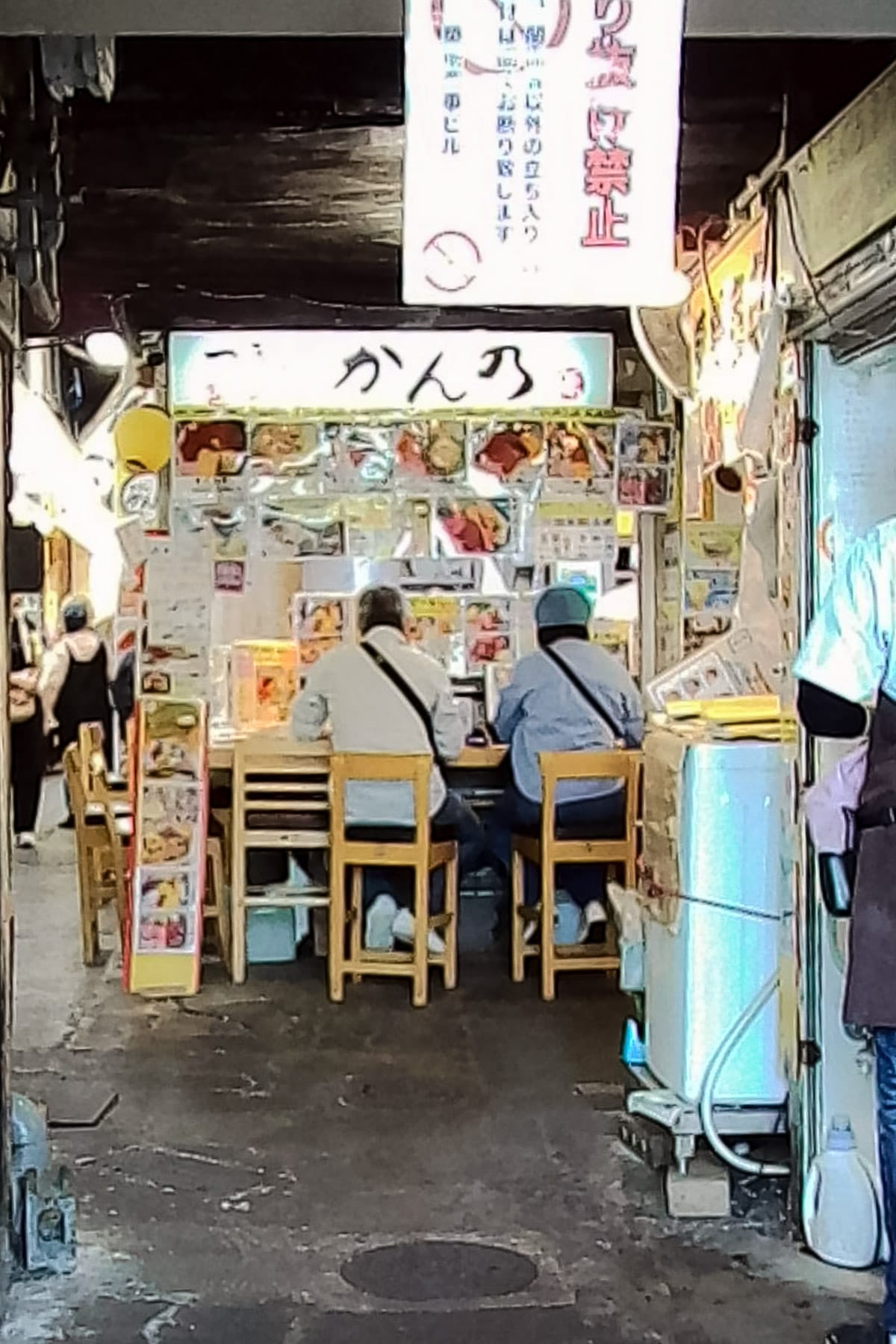
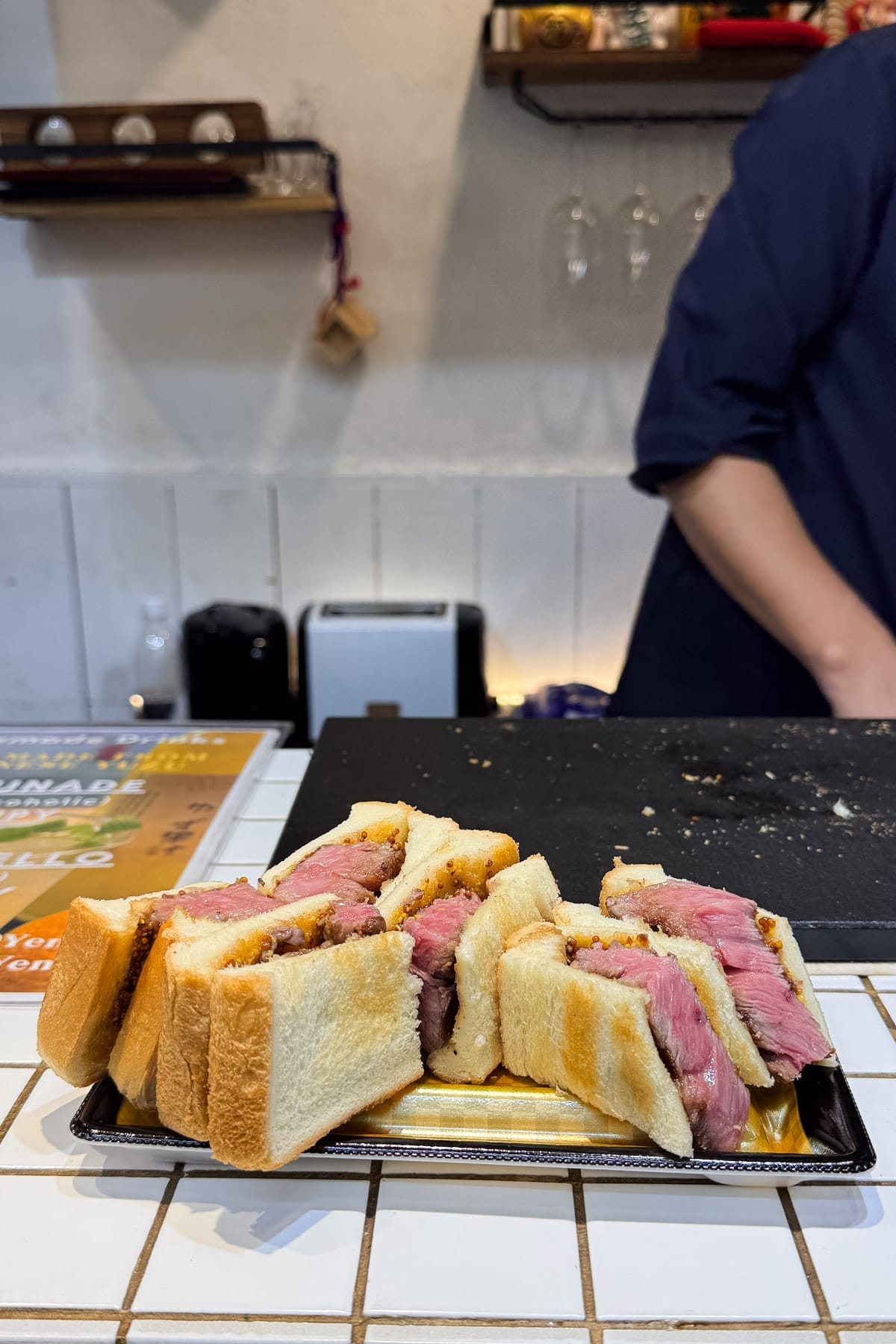
Tsukiji Market
While the famous fish auctions moved to Toyosu, Tsukiji is still one of Tokyo's best places to eat.
Wander beyond the busy main street into the narrow side alleys, where you'll find tiny sushi counters, coffee shops and local restaurants that many visitors miss.
Don't forget to explore the market building itself, where you'll get a glimpse into the everyday workings of the market.
Shimokitazawa: best for bohemian energy & a young local scene
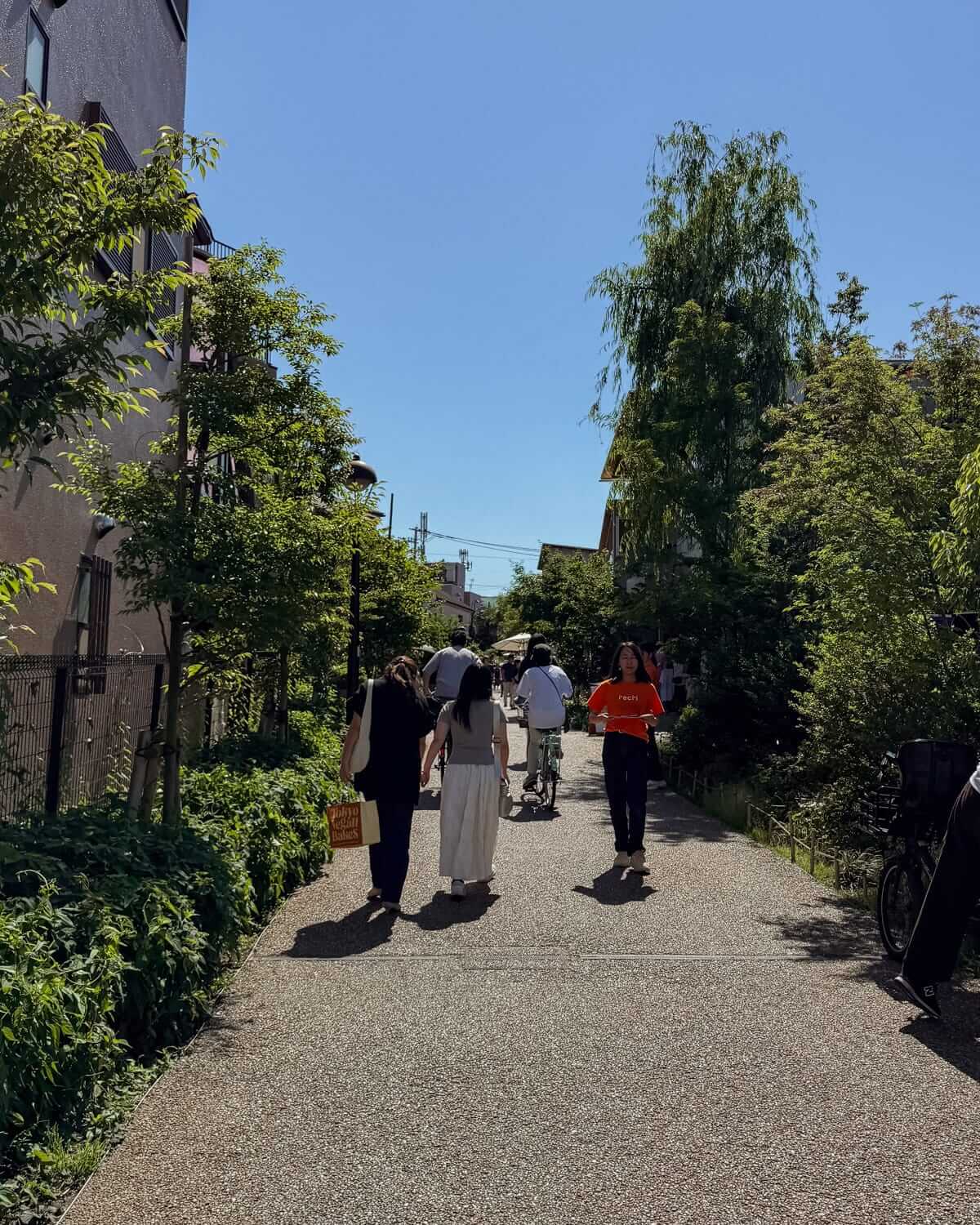
Shimokitazawa feels like one of Tokyo's "it" neighbourhoods. Popular with young locals, it has a bohemian feel, with leafy pedestrian streets, vintage shops, record stores and independent businesses.
Don't miss Reload, a low-rise shopping complex filled with small boutiques, including FORESTIÈR for vintage and contemporary designer clothing and Sekai Class for Japanese ceramics and homewares.
Finish at Bonus Track, an open-air cluster of independent shops, cafes and outdoor seating, where you'll also find Pianola Records.
Kappabashi: best for Japanese craftsmanship & kitchenware
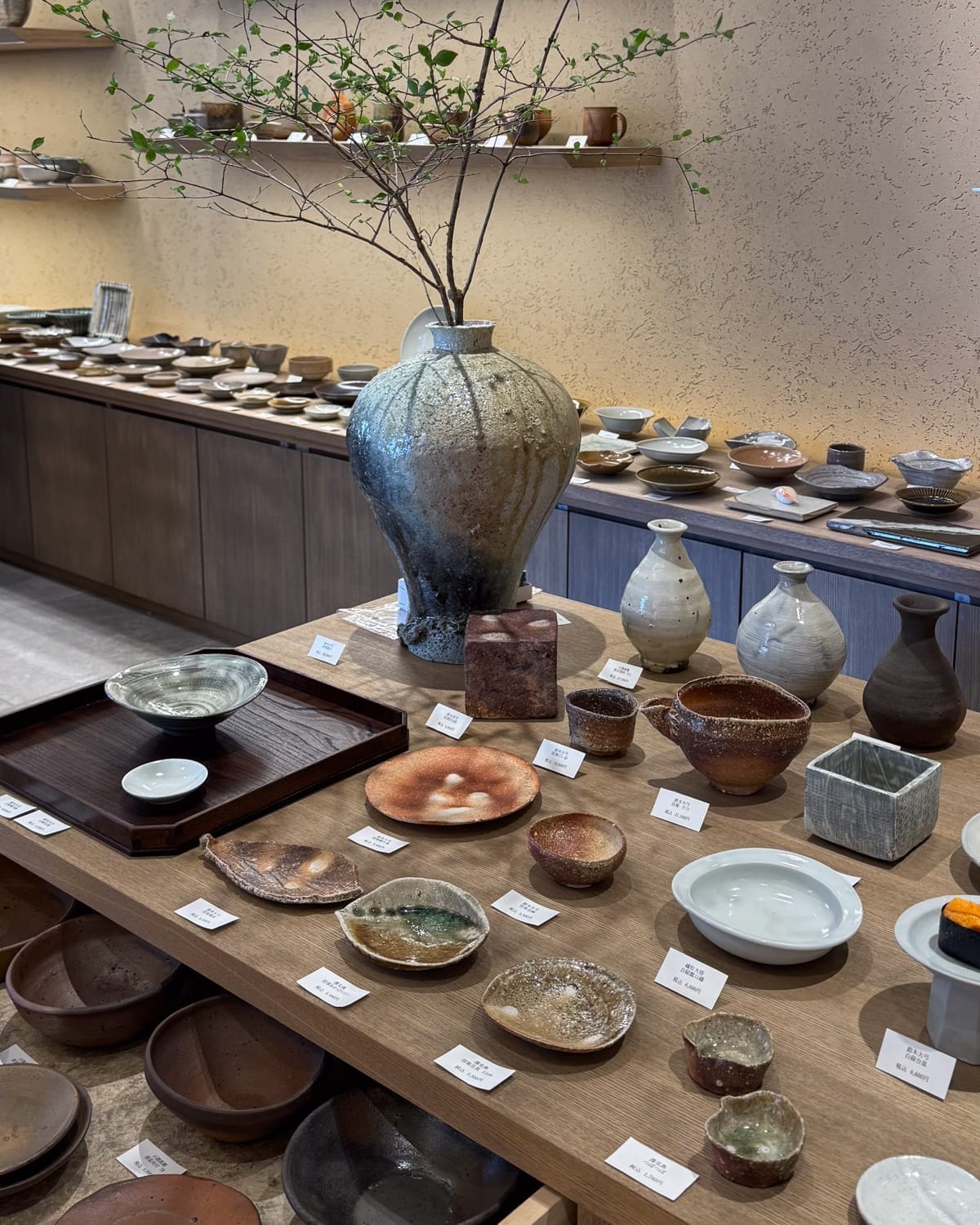
If you fall in love with Japanese tableware like we did, Kappabashi is the place to shop. It's where the locals go.
This famous kitchenware district is filled with specialist stores selling ceramics, chopsticks, knives, sake cups and cooking tools. Ari found all of his sushi kit here.
Start at the southern end of Kappabashi Street and wander north through the district.
Don't miss Kama-Asa for premium kitchen tools, 器 まえさか for artisan ceramics, TSUCHI-YA for Japanese glassware and Hashitou for chopsticks.
Koenji: best for vintage shopping & underground culture
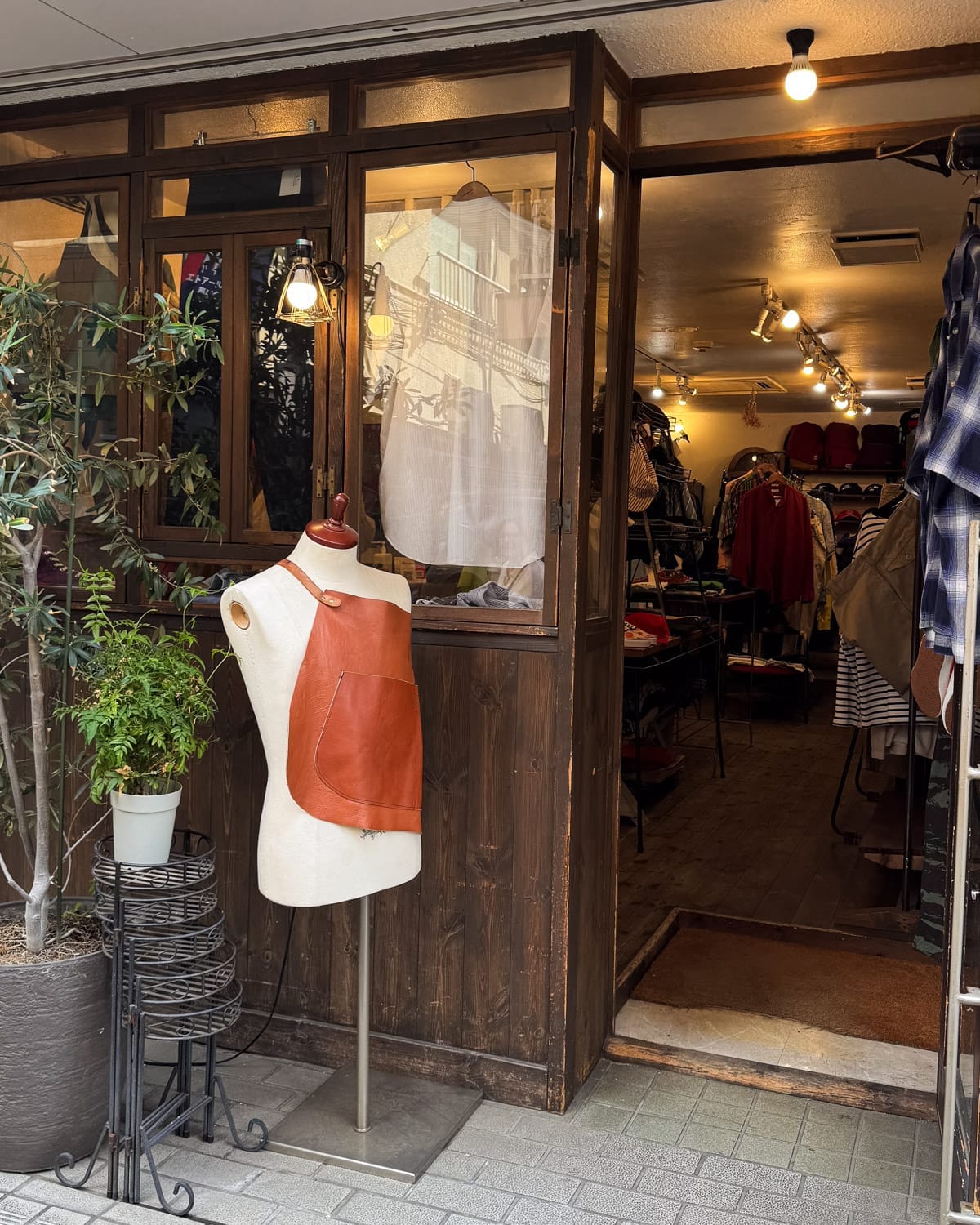
Often called Tokyo's underground capital, Koenji is packed with vintage shops, quirky boutiques, eclectic bars and artist studios.
If you love vintage shopping, Japanese designer and high-end brands are a steal in this neighbourhood.
This was also the neighbourhood where we found the best menswear.
Don't miss Odoriba Vintage, Zuccaro, Kissmet and Atlantis Vintage Tokyo for designer fashion, Momotaro Jeans for Japanese denim, ma to ga for handmade candles and gifts, and City, a listening cafe perfect for an afternoon coffee.
Kabukichō: best for neon nightlife & entertainment
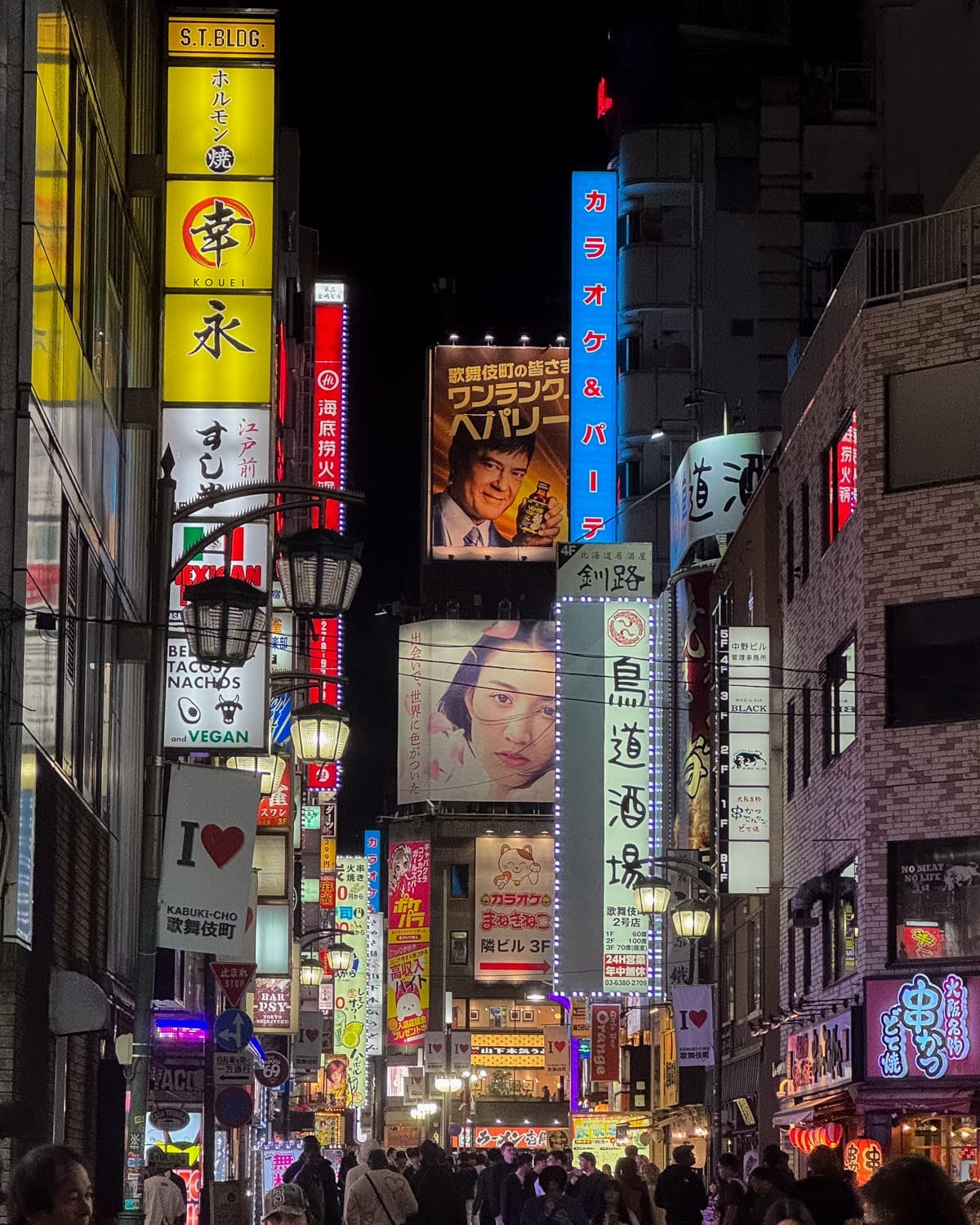
Experience Tokyo after dark as you wander the neon-lit streets of Kabukichō, Tokyo's famous entertainment district.
You'll pass towering neon signs, love hotels and endless nightlife before reaching nearby Golden Gai, where tiny bars tucked into narrow alleyways make it one of the city's best places for a drink.
Don't forget to look up for the giant Godzilla head watching over the neighbourhood.
Akihabara: best for gaming & arcades
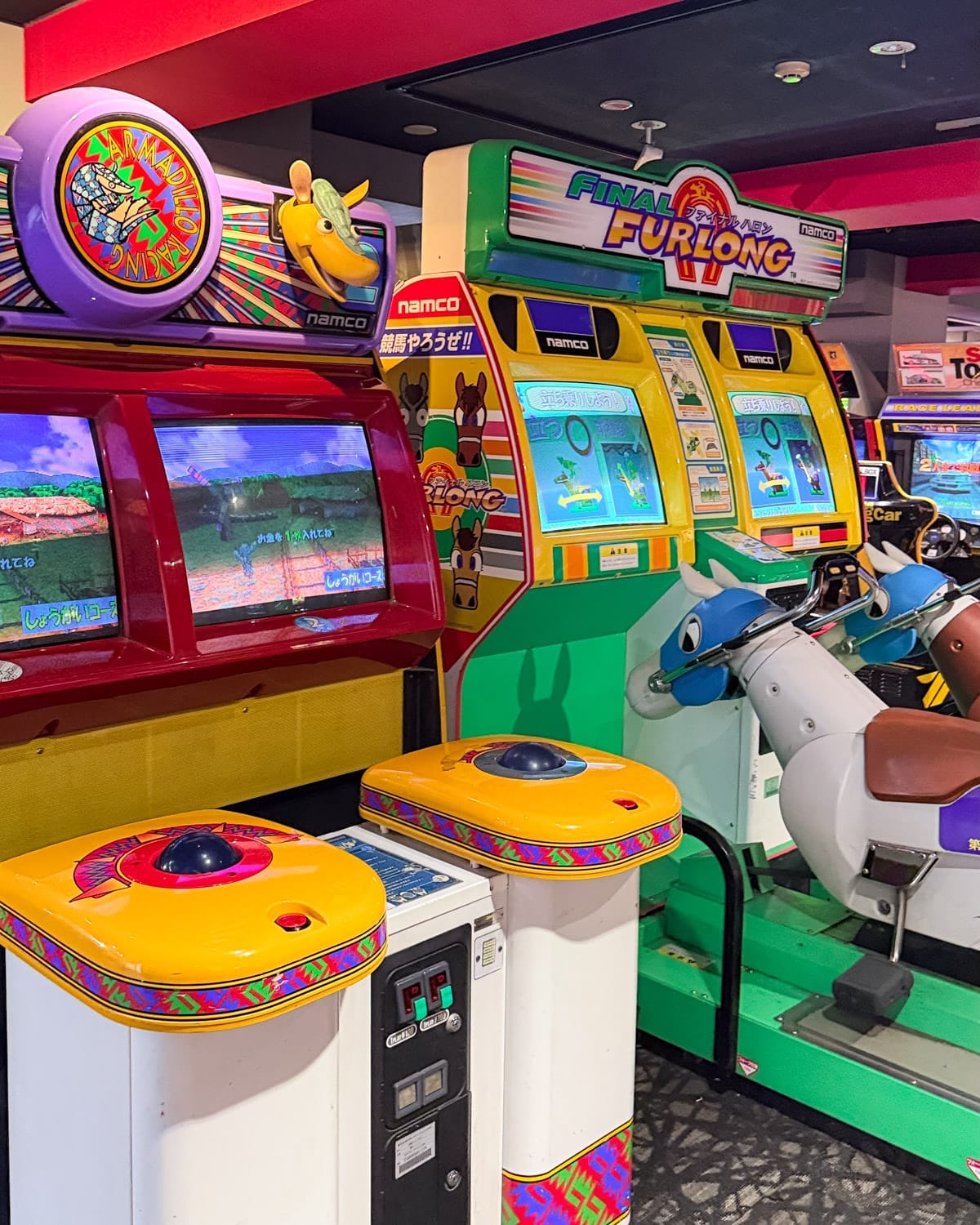
If you grew up playing video games, don't miss Akihabara. It's Tokyo's gaming and electronics district, packed with multi-storey arcades, bright neon signs and a nostalgic energy.
Head upstairs at GiGO, past the claw machines, where you'll find retro arcade games, Mario Kart Arcade GP, Alpine Racer, rhythm games and plenty of classics.
Around Cat Street in Harajuku: best for fashion & pedestrian shopping streets
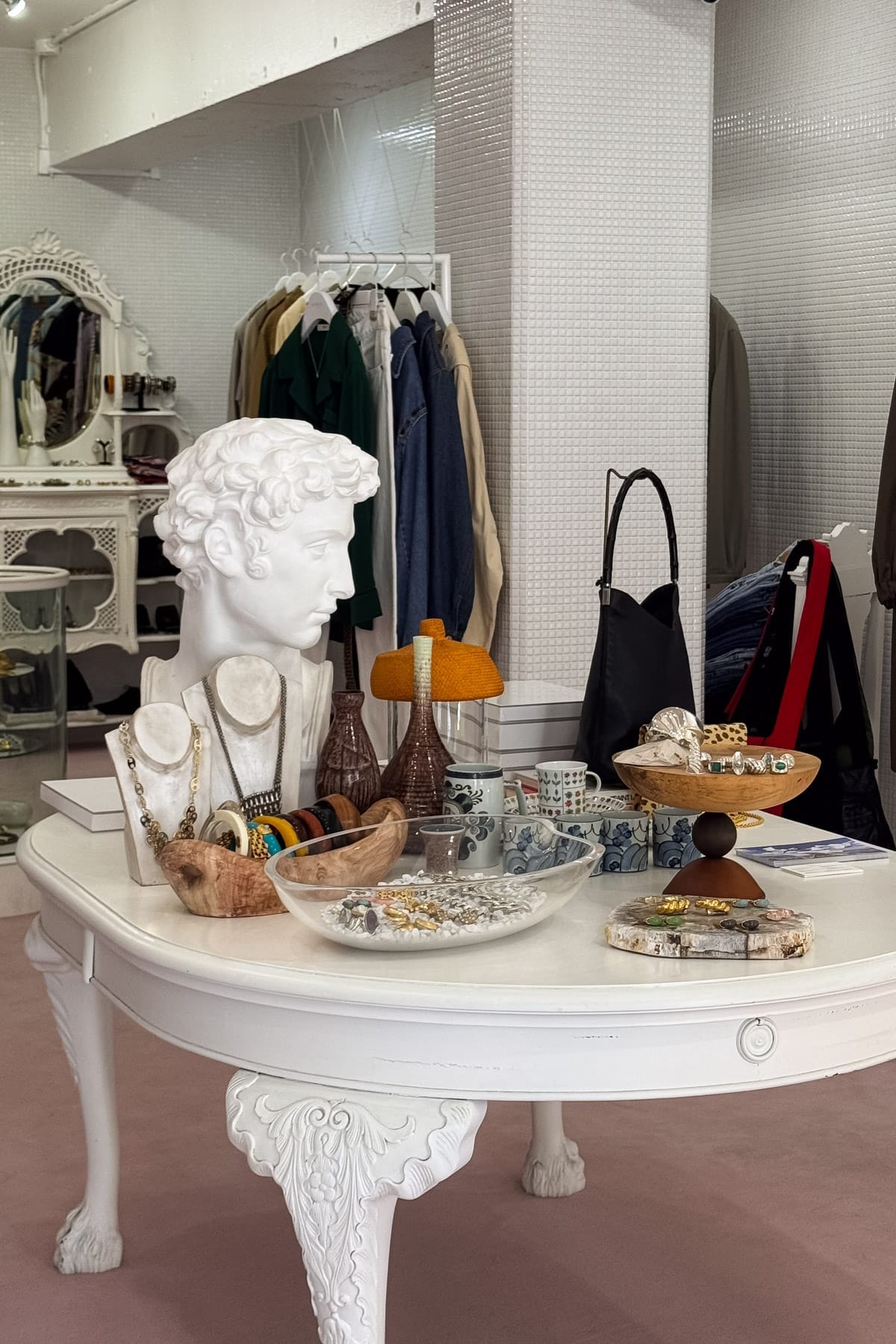
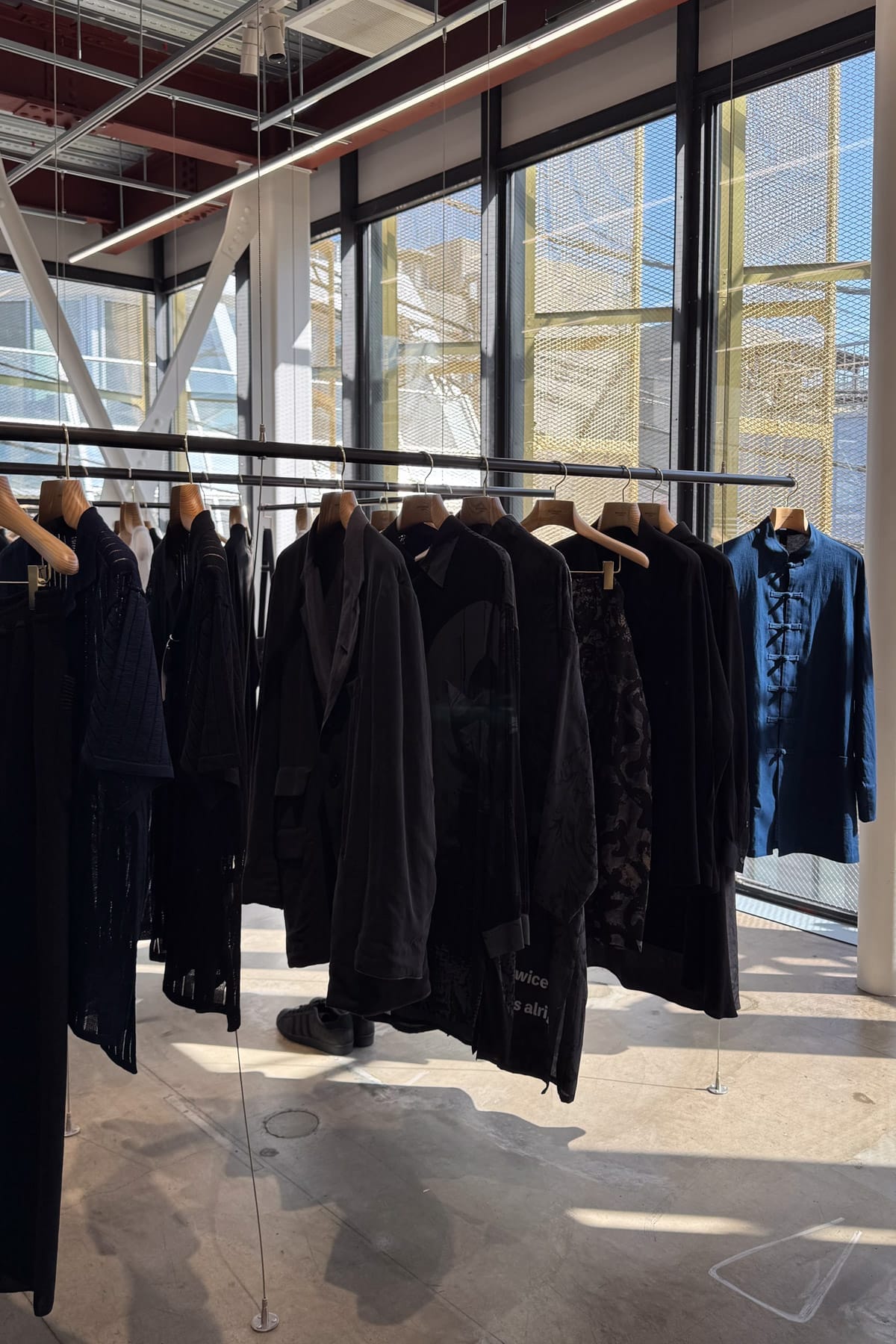
Laila Vintage | Studious
Skip the crowds of Takeshita Street and explore the pedestrian streets around Cat Street instead.
This is where you'll find some of Tokyo's best shopping, with vintage stores, Japanese labels and independent boutiques.
Keep an eye out for Studious, RAGTAG, Laila Vintage and Graphpaper.
Unique places to eat in Tokyo
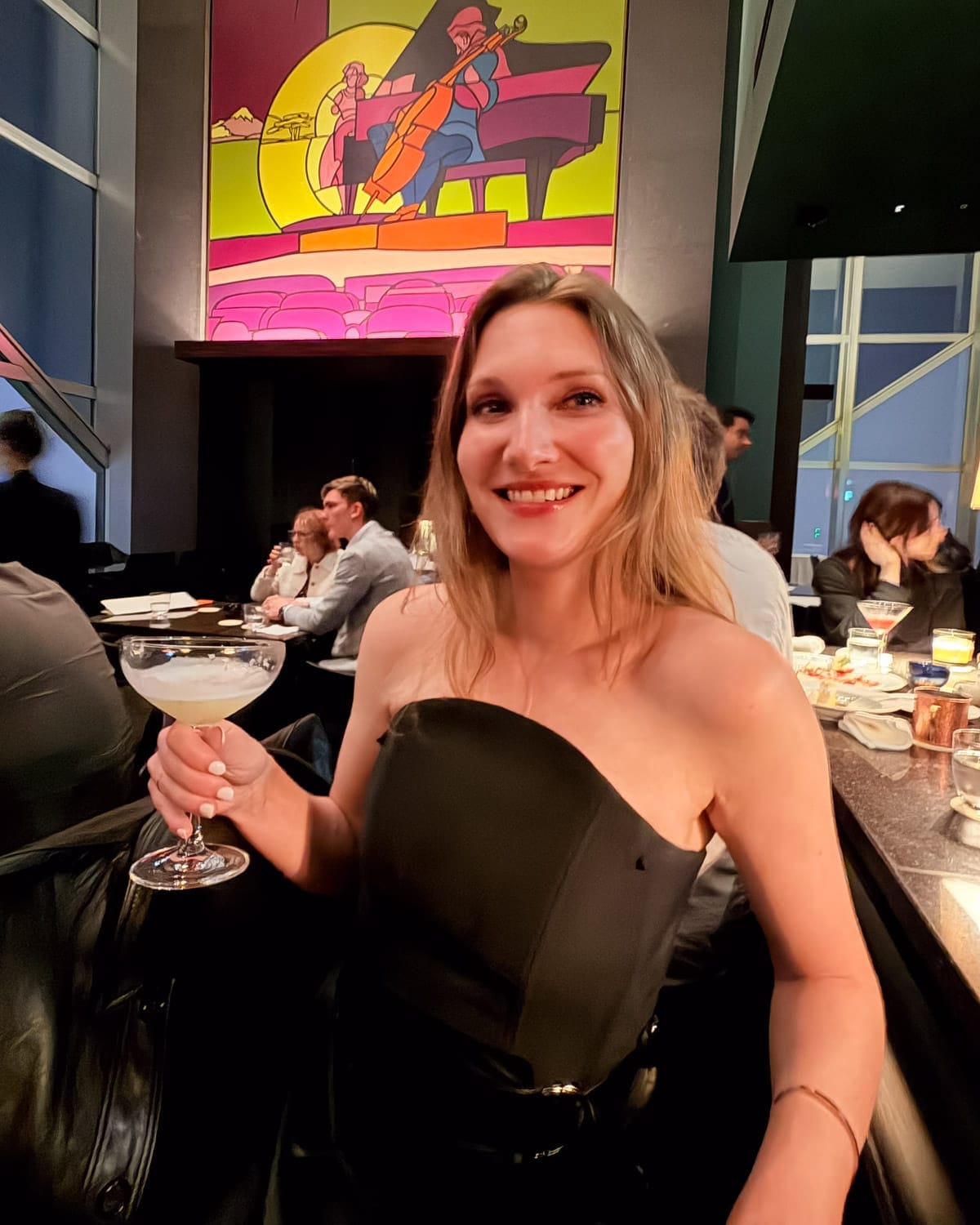
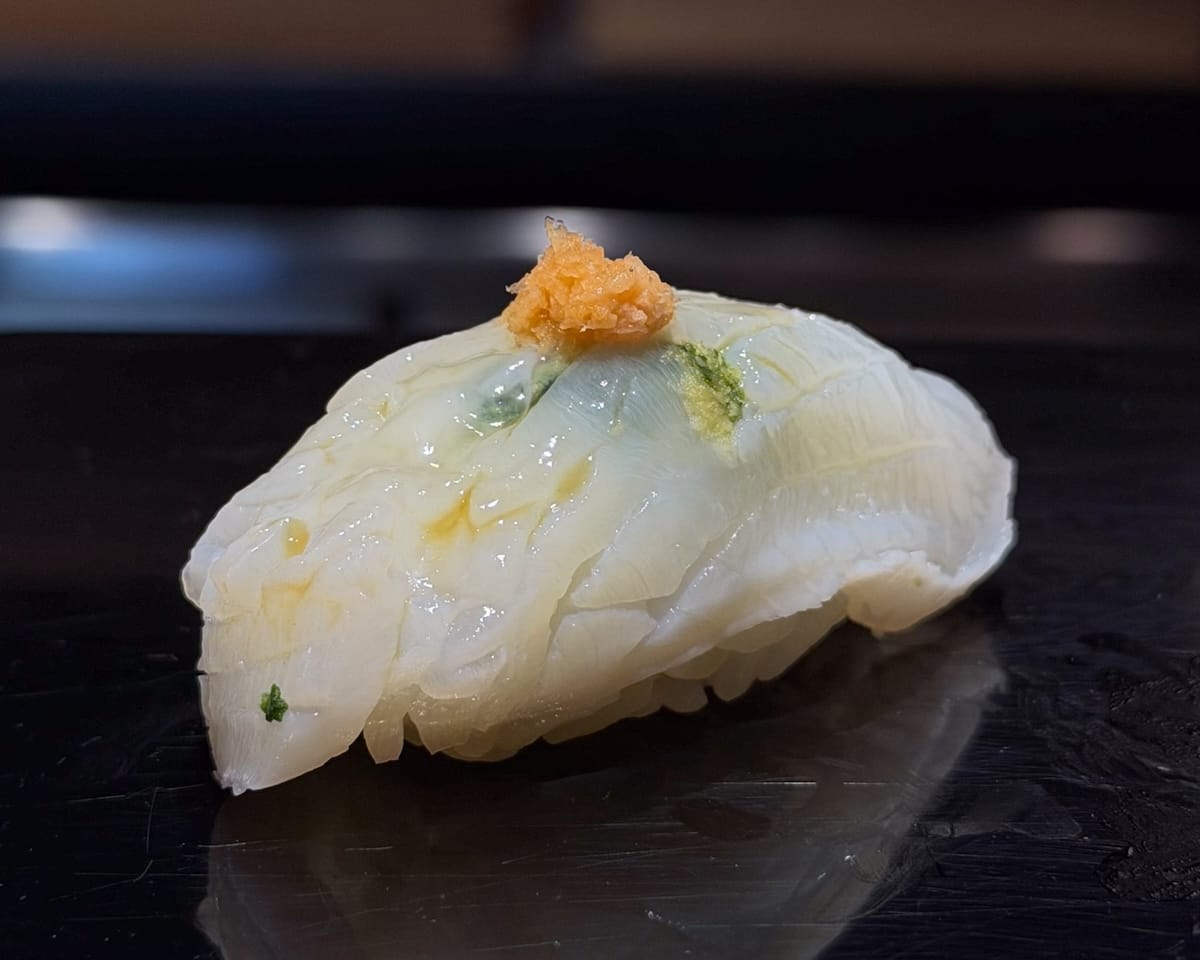
There are so many amazing places to eat in Tokyo that narrowing this list down wasn't easy!
These are the restaurants we loved most and would go back to. Just don't forget to make your reservations well in advance.
Best for the view: New York Grill & Bar
If you've seen Lost in Translation, you'll recognize this iconic spot on the 52nd floor of the Park Hyatt.
Dress up for the evening and enjoy the live jazz, incredible atmosphere and one of the best views in Tokyo.
If you're celebrating, the Japanese wagyu is worth the splurge. We celebrated Ari completing his sushi training here.
Make your reservation online.
Best for traditional omakase: Nishiazabu Sushi Shin
If you've never experienced a traditional Edomae-style omakase, this is a fantastic place to start. Omakase means "chef's choice," so sit back while each piece of nigiri is prepared and served one at a time.
We recommend going for lunch, when it's better value and reservations are a little easier to get.
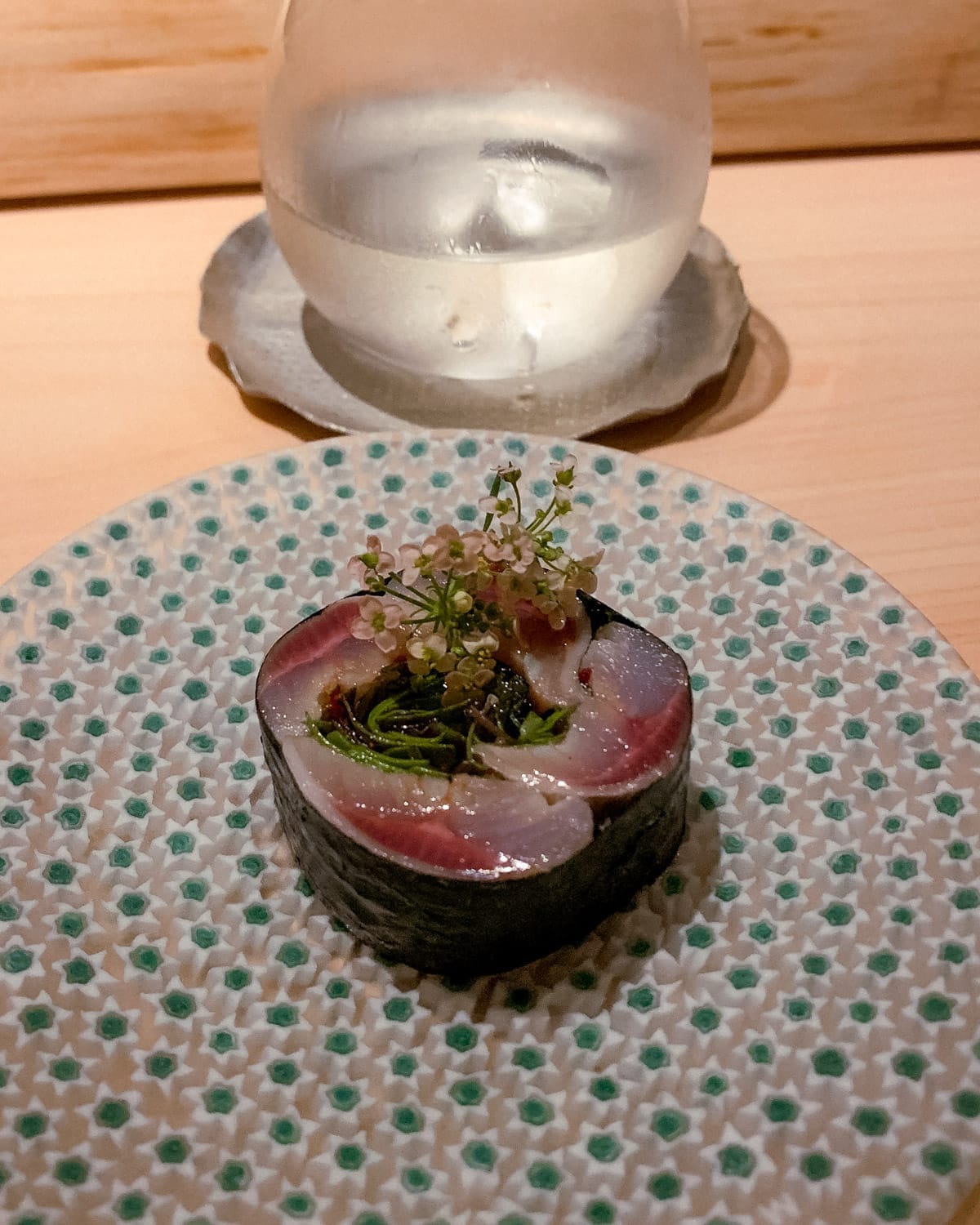
Best for modern omakase: Udatsu Sushi
Tucked away in Daikanyama, Udatsu puts a modern spin on omakase in an intimate setting. It's also one of the few high-end sushi restaurants to offer a vegetarian omakase.
Best for adventurous omakase: Sushi Riku
If you're looking to step outside your comfort zone, this is the place to do it. It's popular with Tokyo's sushi chefs and serves plenty of seafood you probably haven't tried before.
Best for premium sushi with choice: Kyubey
Not everyone wants to leave every decision up to the chef. That's what we loved about Kyubey - you can order exactly what you want while watching the chefs prepare each piece right in front of you. The quality here is excellent.
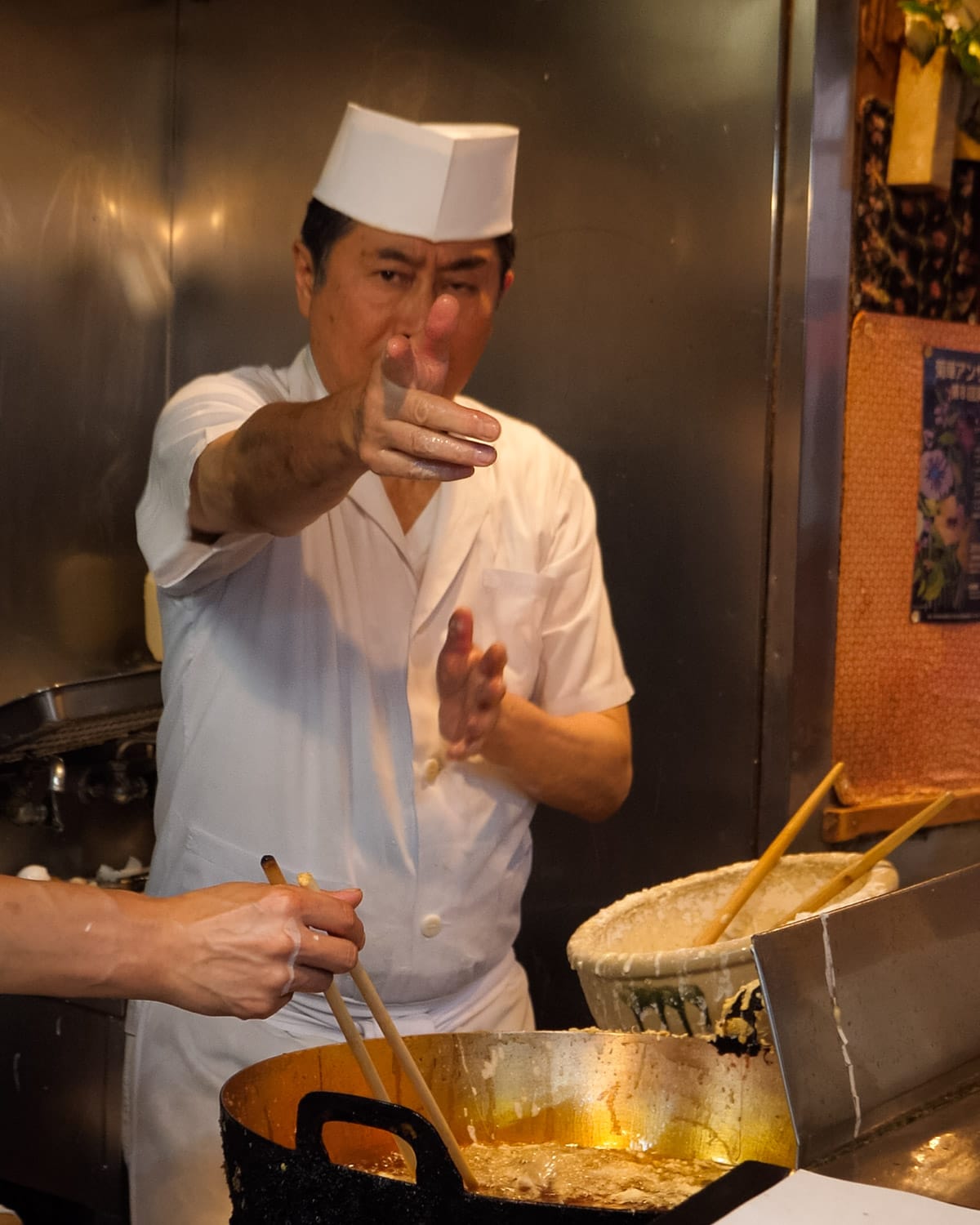
Best for tempura: Tensuke
Hidden away in Koenji, Tensuke serves perfectly cooked tempura one piece at a time. The charismatic chef keeps the whole space entertained, and if there's a line outside, the wait is worth it.
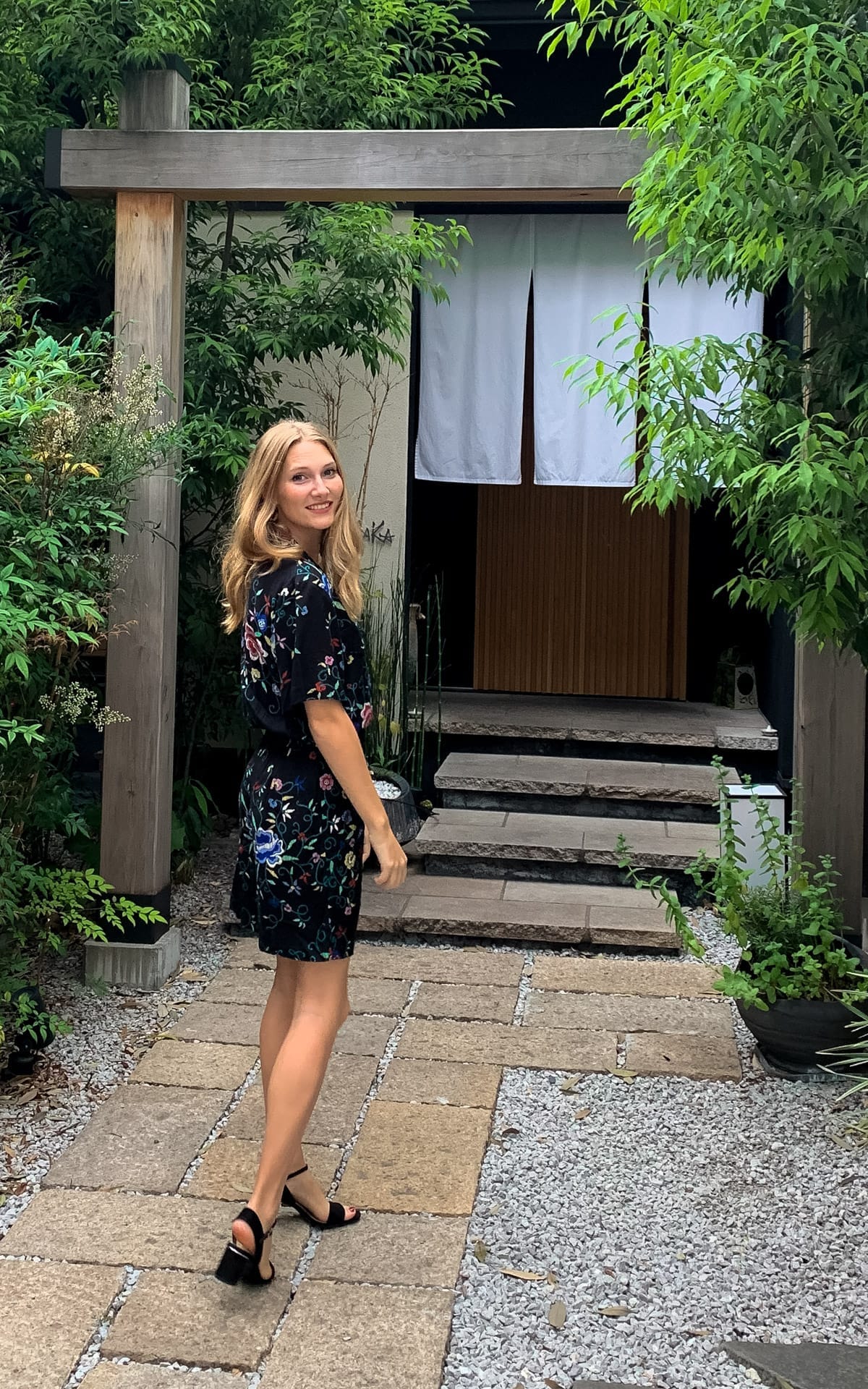
Best for modern kaiseki: Shirosaka
Kaiseki is Japan's traditional multi-course dinner, and Shirosaka serves a modern, approachable version.
This was one of our best meals in Japan. There wasn't one course we would have changed. The atmosphere was fun and welcoming, and it felt like Michelin dining without any of the stuffiness.
Best at Tsukiji Market
Grab a fish burger at Tsukiji Fish Burger Masa, a wagyu sandwich at Wagyu Sushi and Sandwich, sushi by the piece at Tsukiji Kagura Sushi, coffee at Kunisuke Coffee, and finish with the sweetest fresh strawberries and Hokkaido milk ice cream.
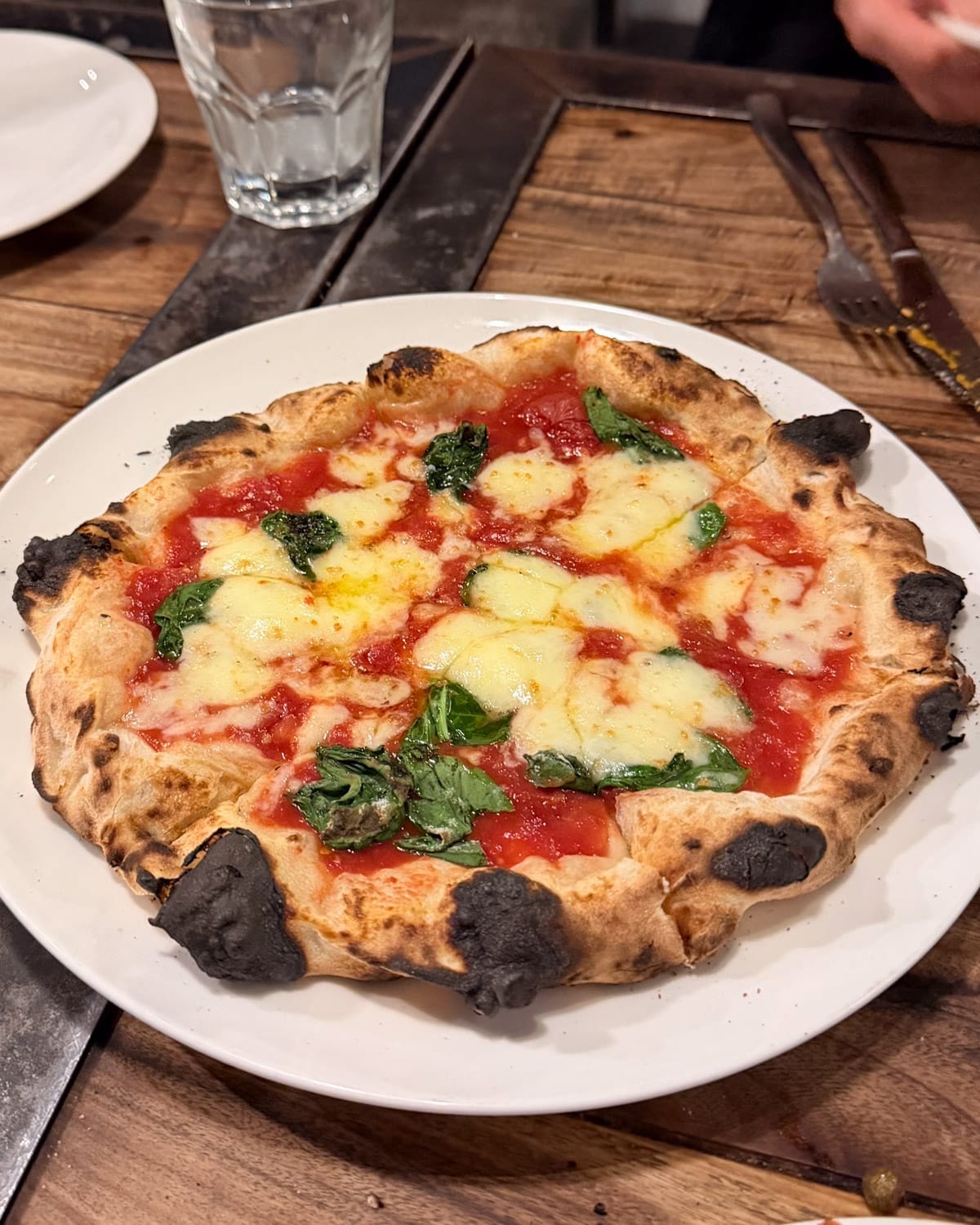
Best for pizza: Pizza Studio Tamaki Roppongi
The Japanese have a way of making international cuisines their own, and pizza is no exception. PST Roppongi serves beautifully blistered Neapolitan-style pizzas that rival some of the best we've had in Italy.
Best for a picnic: Mitsukoshi Ginza Food Hall
Step onto the basement floor and you won't believe your eyes when you see vendor after vendor selling a variety of food items.
Tempura, sushi, pasta salads, French macarons... it has everything you need for the perfect picnic.
Trying to find a garbage can after your picnic will be your biggest challenge!
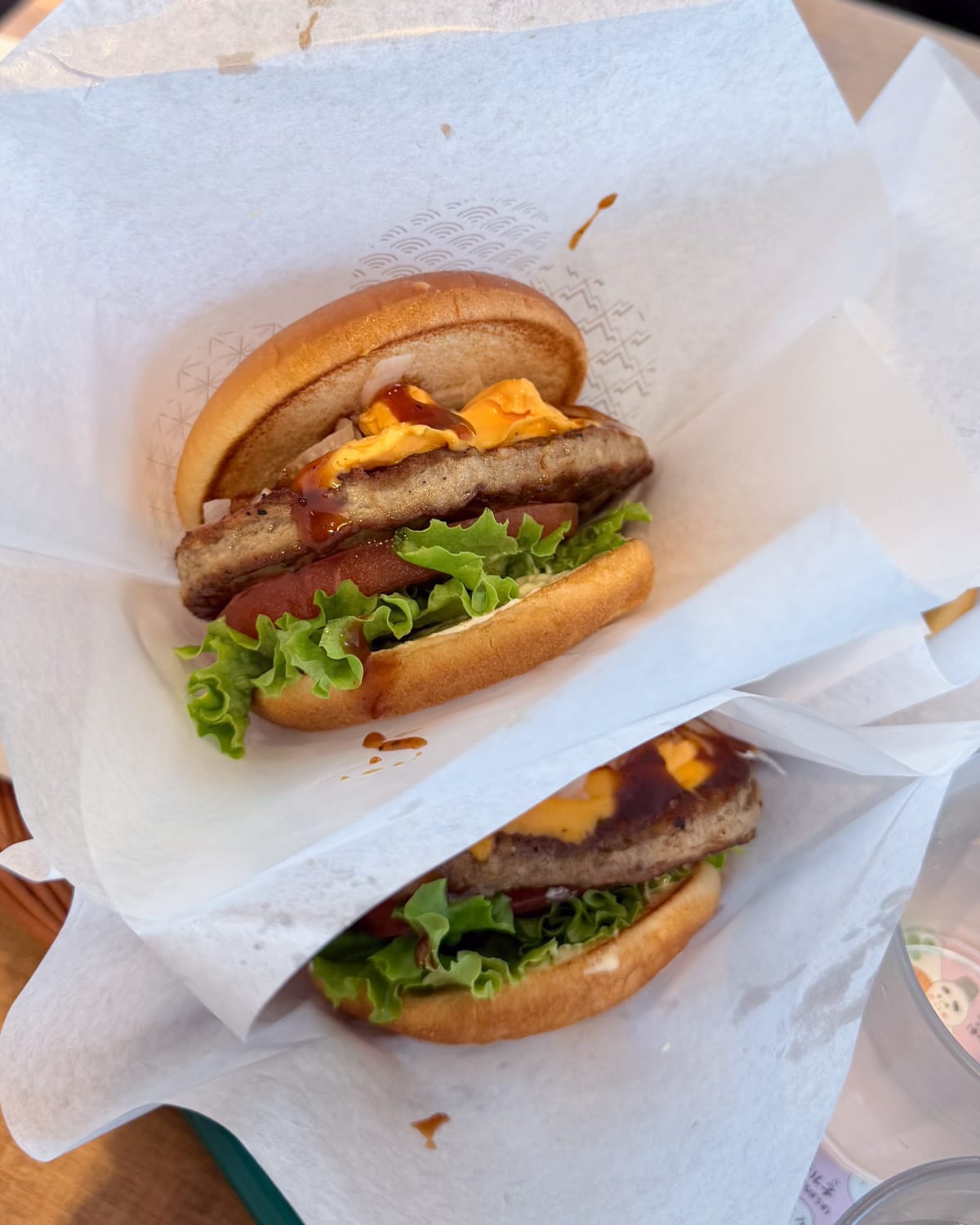
Best for Japanese fast food: MOS Burger
Skip the usual fast-food chains and give MOS Burger a try instead. Their burger topped with melted Hokkaido cheese became our go-to for a quick lunch in between exploring.
Best for cheap eats: Lawson, FamilyMart & 7-Eleven
This is no joke. Japan's convenience stores are on another level. Grab an egg salad sandwich (Anthony Bourdain raved about the Lawson one) and a spicy Famichiki from FamilyMart for the perfect salty snack.
Our favourite things to do in Tokyo
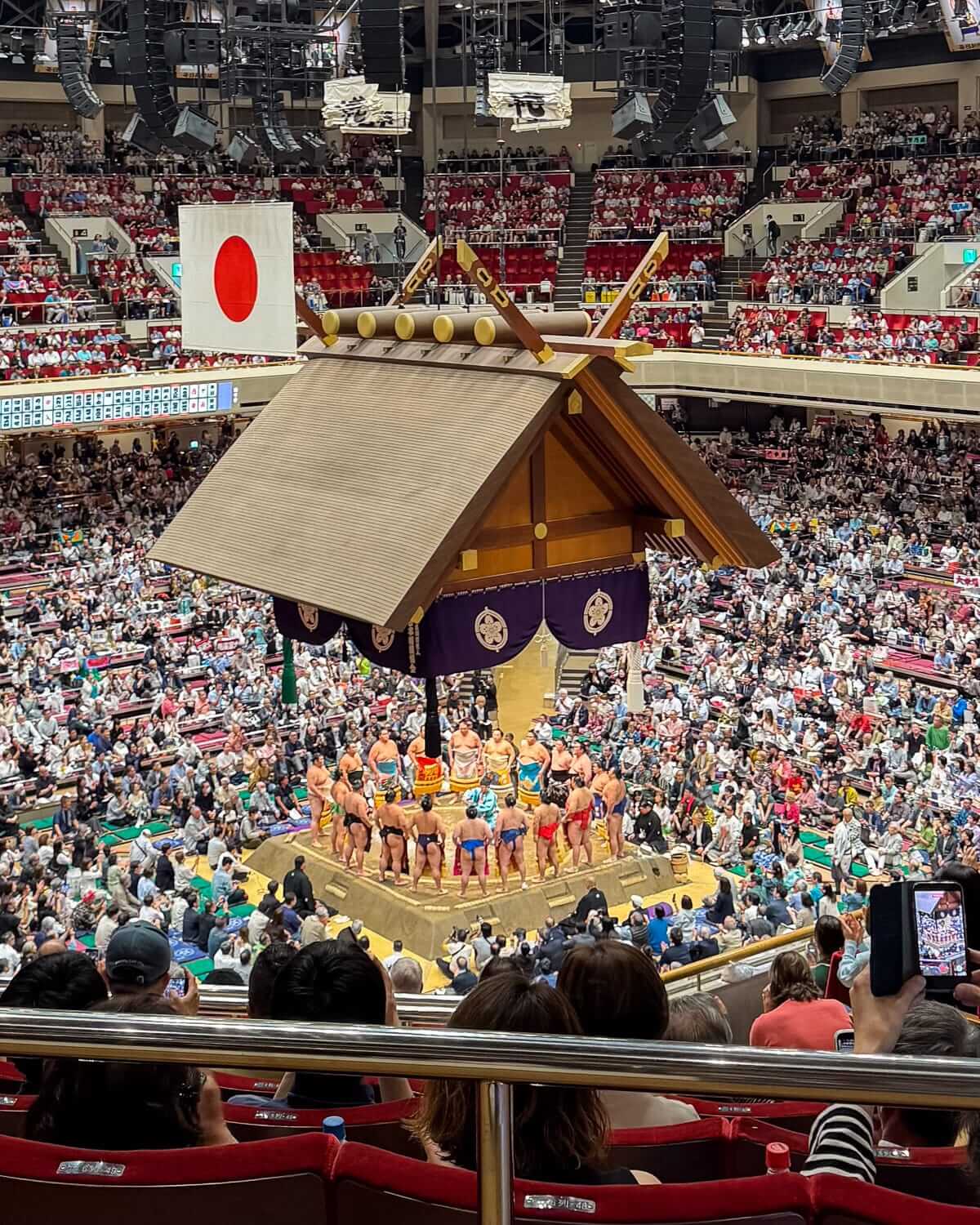
From watching a sumo tournament and sipping matcha in a traditional teahouse to discovering hidden jazz bars, Tokyo has no shortage of fun experiences.
See our guide to 31 Unique Things to Do in Tokyo for our full list of favourites.
Where to stay in Tokyo
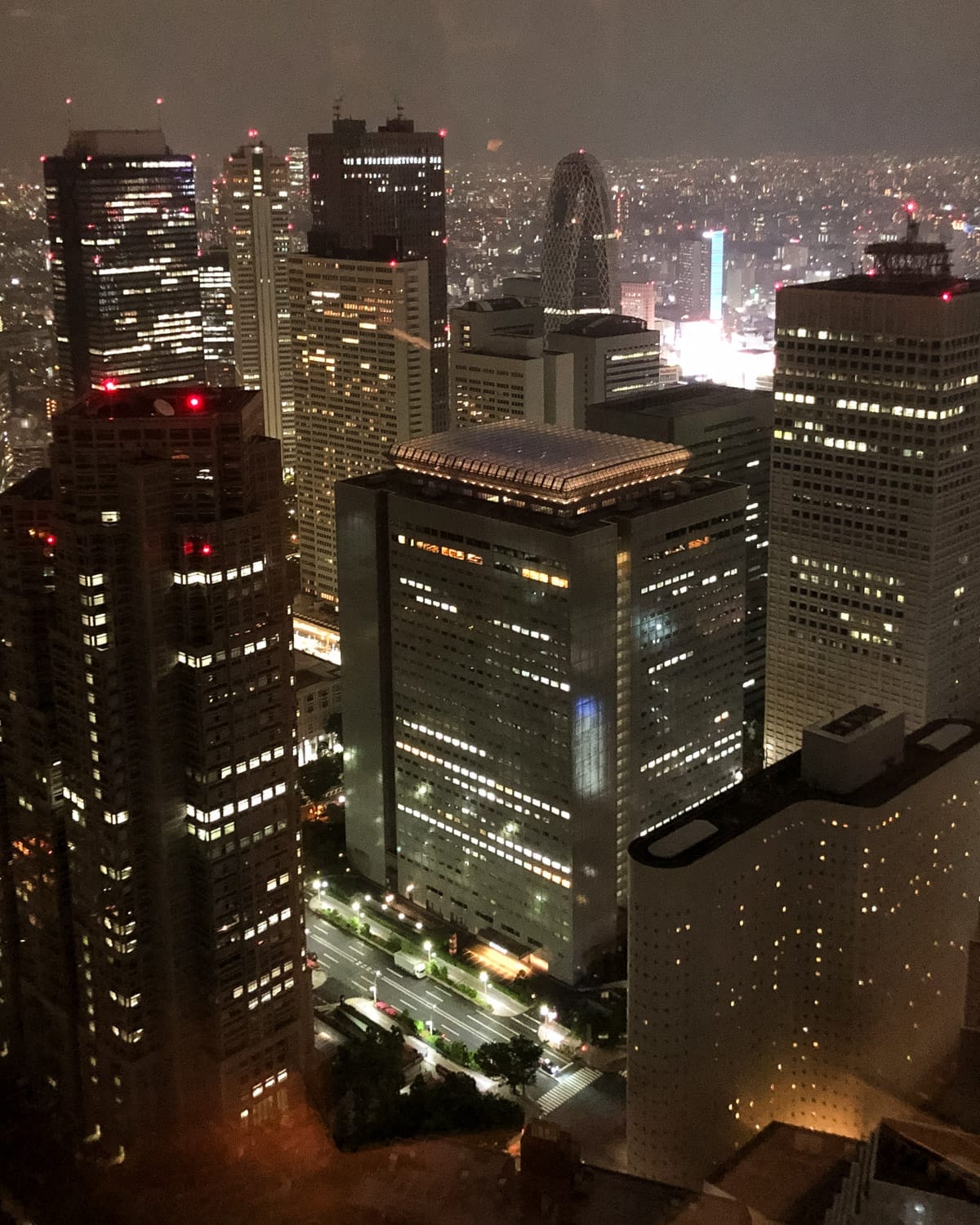
Our best tip is to stay within a short walk of a well-connected train station. You'll be using the train constantly, so it makes getting around the city so much easier.
At the same time, avoid the major stations like Shinjuku Station or Tokyo Station, since they are massive. It can take ages just to find the right platform with hundreds of people moving around you.
We liked staying in the Shinjuku, Ginza and Akasaka districts. They all gave us easy access to the rest of the city. 🛏️ We thought Millennium Mitsui Garden Hotel was good value. It's a comfortable, modern hotel with surprisingly spacious rooms by Tokyo standards, and its Ginza location makes exploring the city easy.Days 7-8: Hakone
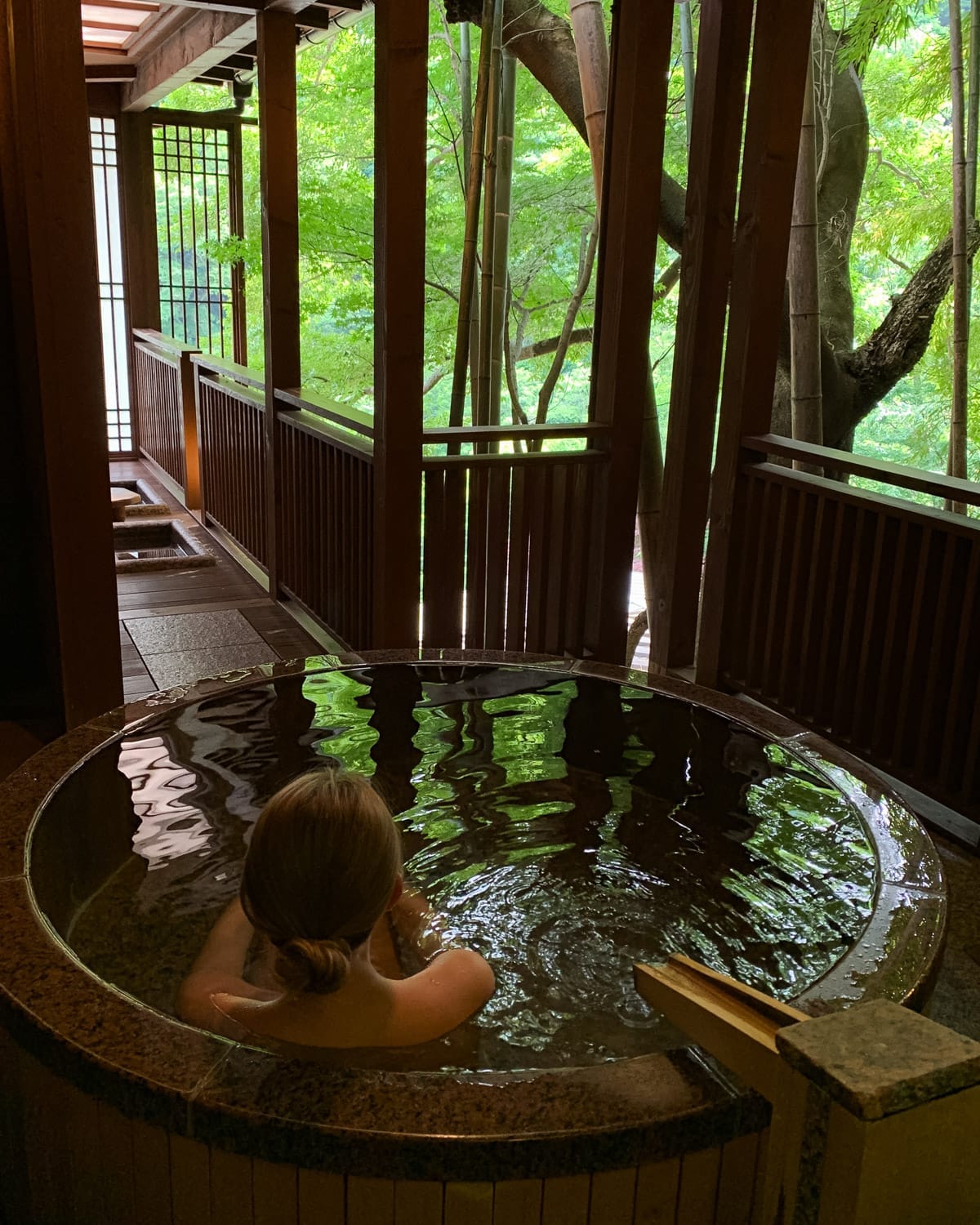
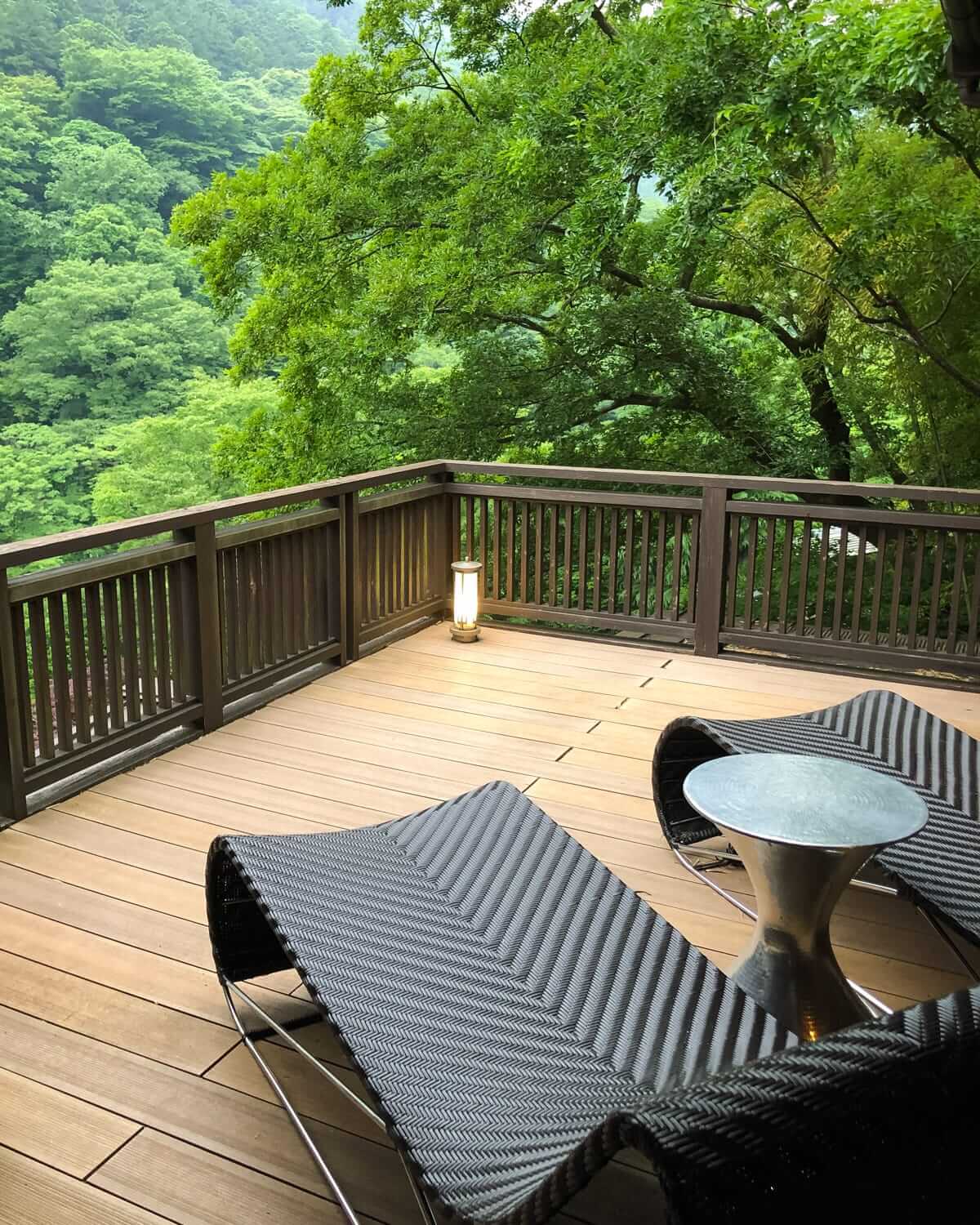
Hakone is a great change of pace after Tokyo. Just hop on a 90-minute train and, before you know it, you've traded skyscrapers for lush mountains, fresh air and a completely different side of Japan.
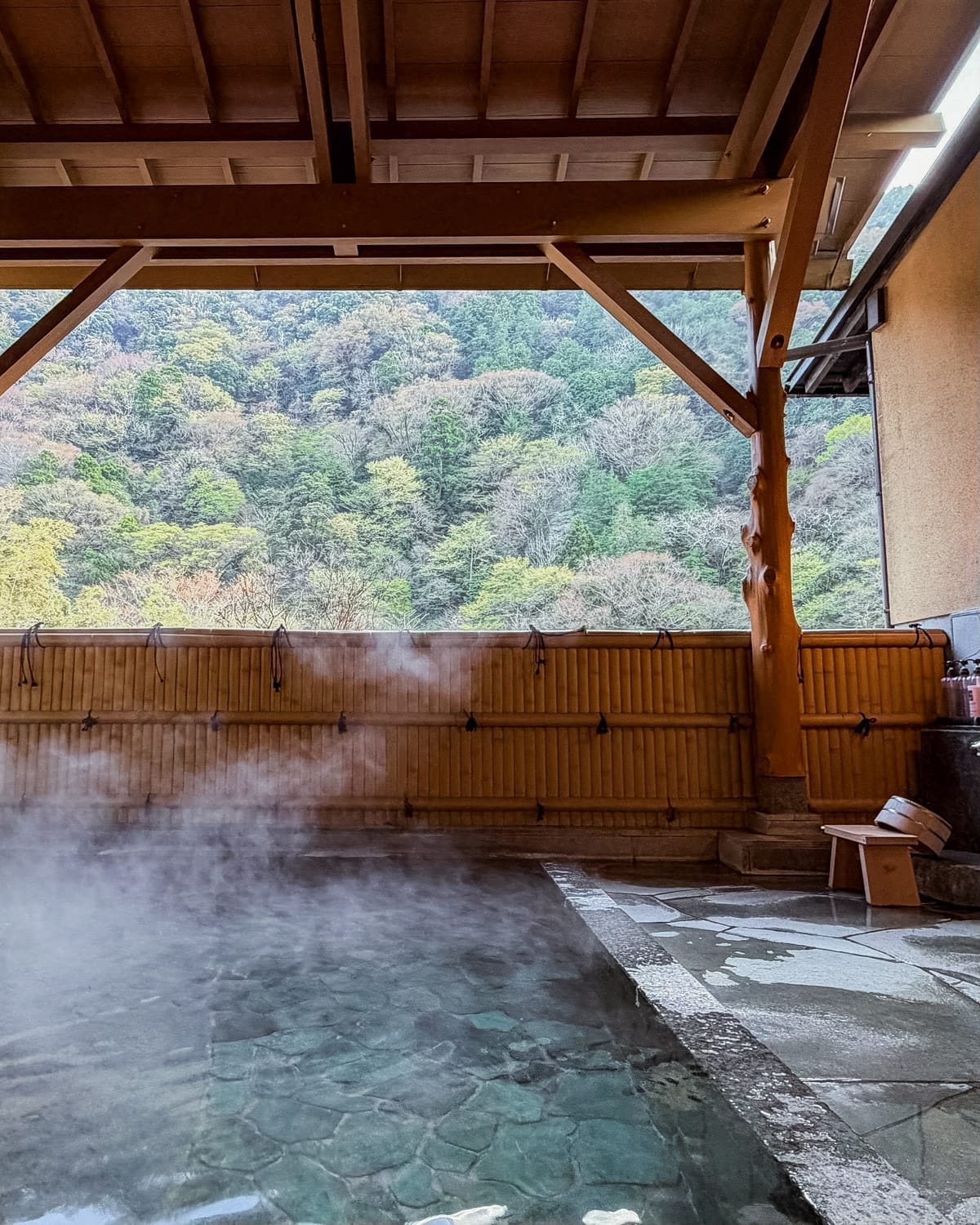
The main reason to come is for the onsen. Hakone is famous for its volcanic, mineral-rich hot springs, which are piped directly into the baths at traditional ryokans.
Soaking in an outdoor onsen was one of the most relaxing and rejuvenating experiences we had in Japan.
Getting to Hakone from Tokyo
The easiest way to get there is on the Limited Express Romancecar from Shinjuku Station to Hakone-Yumoto Station, which takes you right to the centre of town.
🚆 We recommend reserving your seats online in advance, but keep in mind that you'll still need to pay the base train fare separately at the station.
Where to stay in Hakone
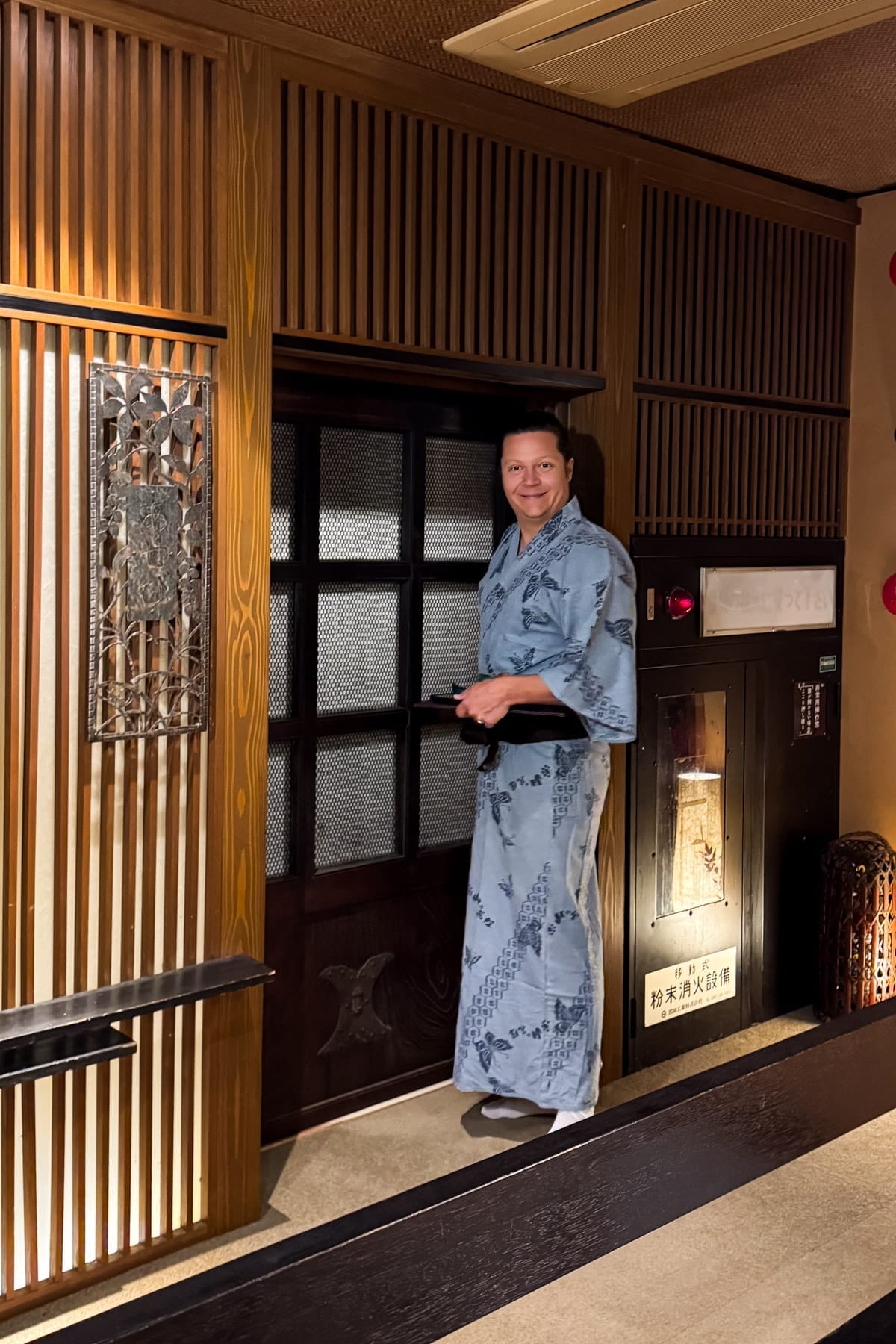
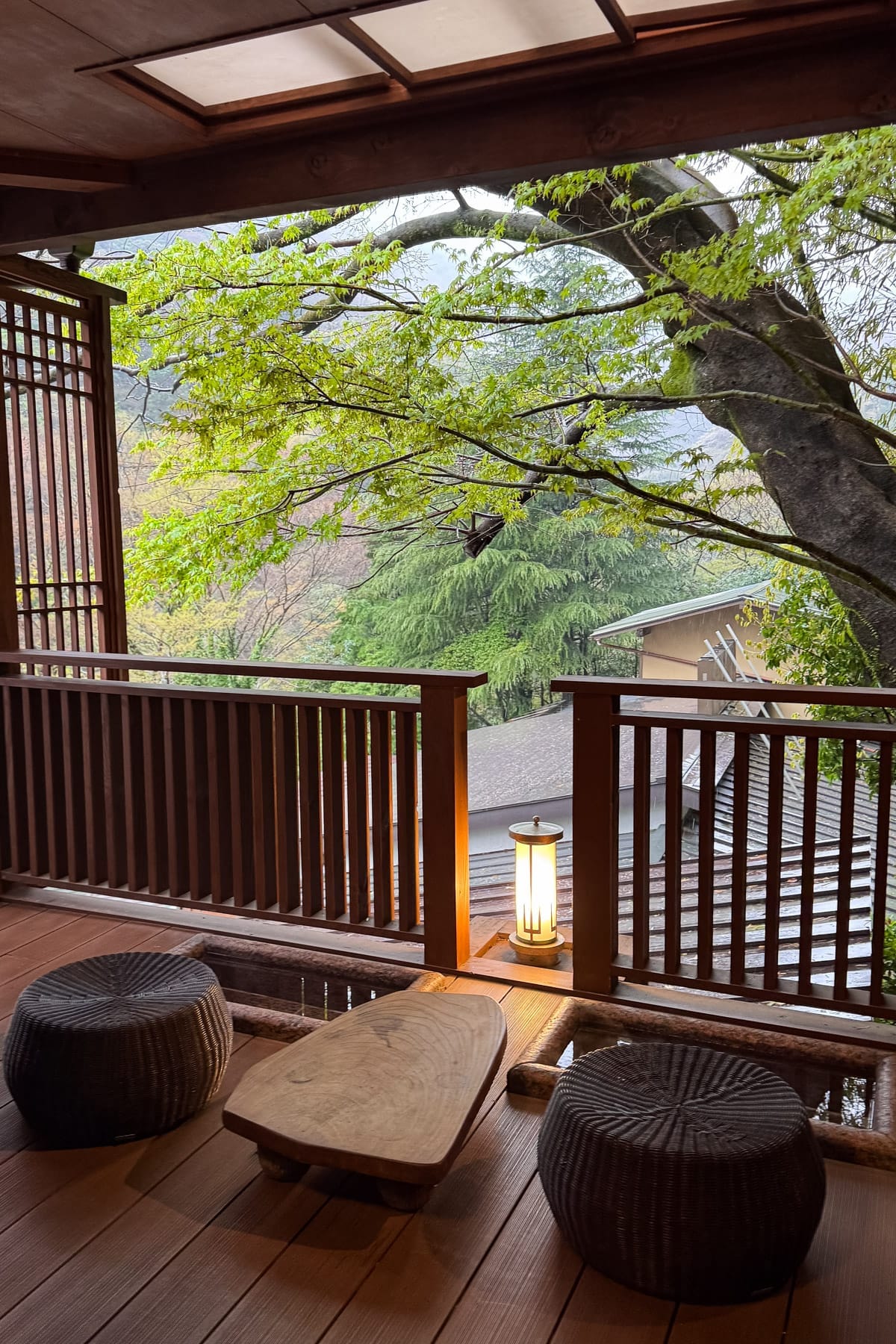
Wearing traditional yukata robes and soaking our feet in onsens
For the full Hakone experience, stay in a traditional ryokan.
Rooms have tatami floors, simple Japanese furnishings and shared onsen baths, while dinner is served kaiseki-style right in your room.
In the shared onsens, Men and women bathe separately, and it's a fully nude experience. If that sounds a little intimidating, don't worry. Many ryokans also have private baths you can reserve.
Splurge a little, and you may even get your own private onsen, which means you can hop into a steaming bath whenever you feel like it.
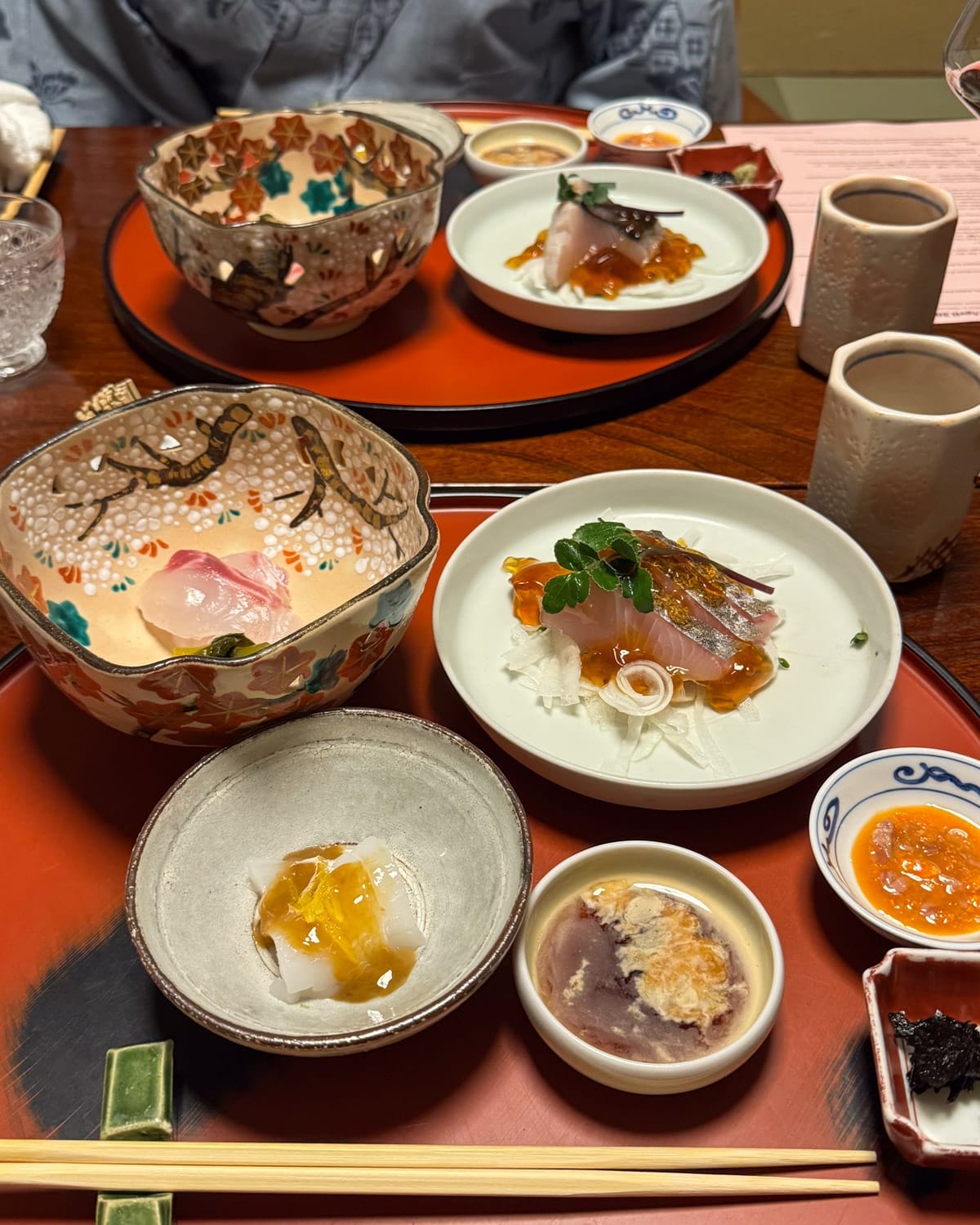
Dinner is a big part of the experience. Your room attendant sets the table up in your room and brings out around 10 small courses over a couple of hours.
We wore our yukata robes, played jazz, drank sake and enjoyed trying many dishes. The wagyu shabu-shabu (hot pot) was our favourite.
Breakfast is served in your room too, and you can choose between a traditional Japanese breakfast or a Western one.
We stayed at two ryokans and loved them each for completely different reasons.
Best Luxury Ryokan: Yama No Chaya
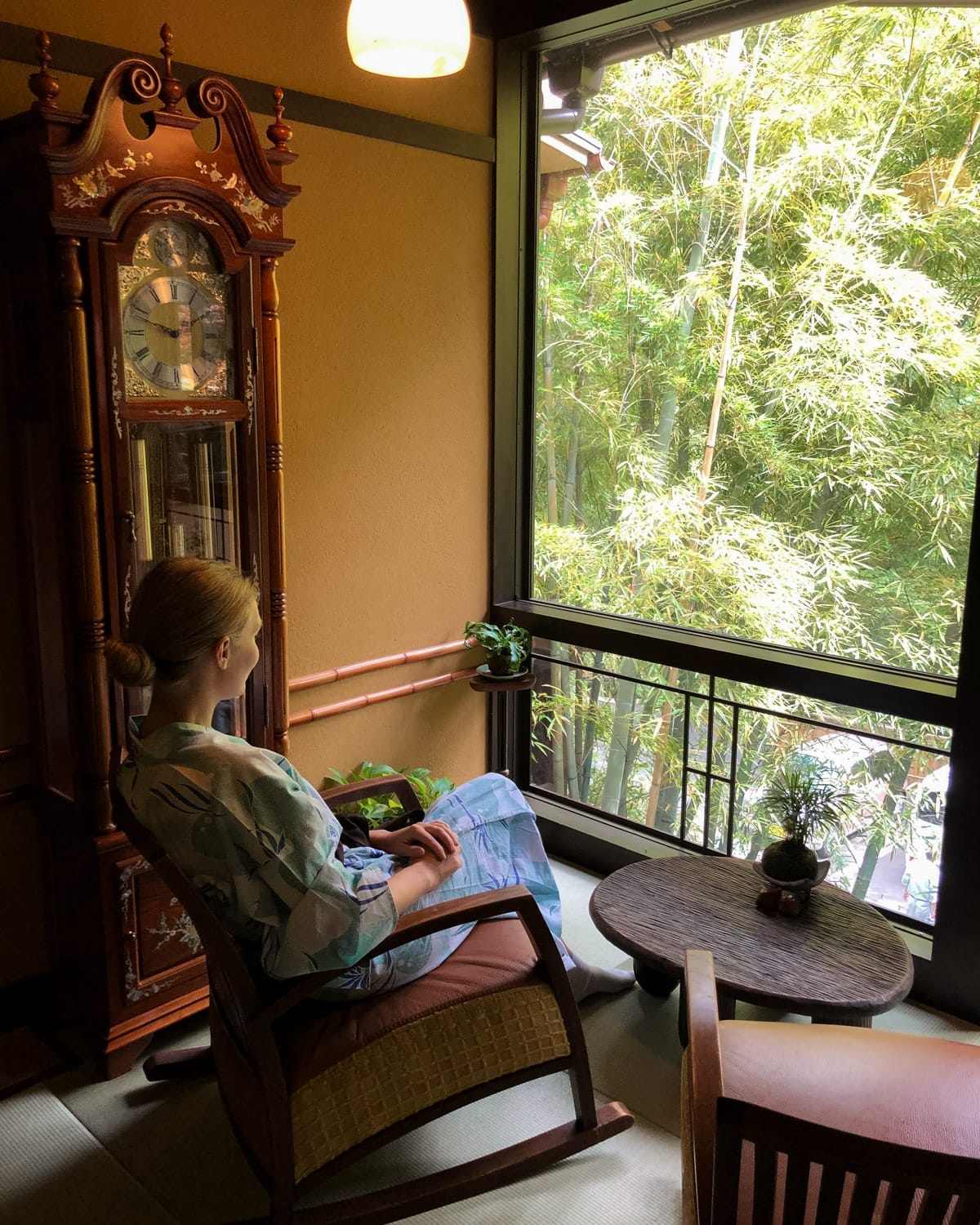
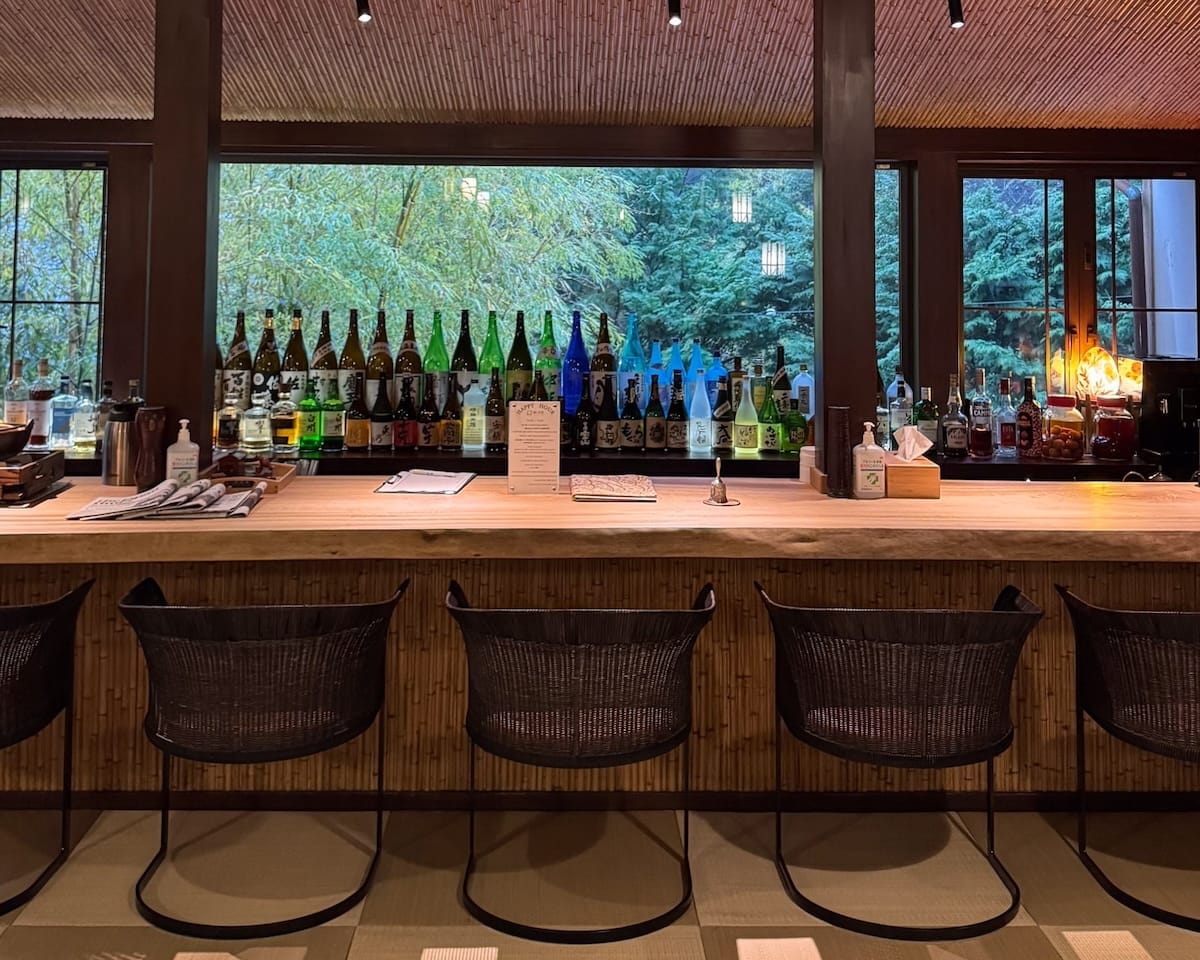
This ryokan is the definition of Japanese hospitality from the moment you arrive to when you leave. The rooms, service, food, and onsens were all top notch.
Many of the rooms come with their own private onsen. Being able to slip into satisfyingly hot water whenever we wanted was a dream.
✔️ Top Tip: Have a drink in the bar before dinner and look for the custom kaleidoscopes. The patterns inside are incredible!
🛏️ See rates for Yama No Chaya.Best Traditional Ryokan: Fukuzumiro
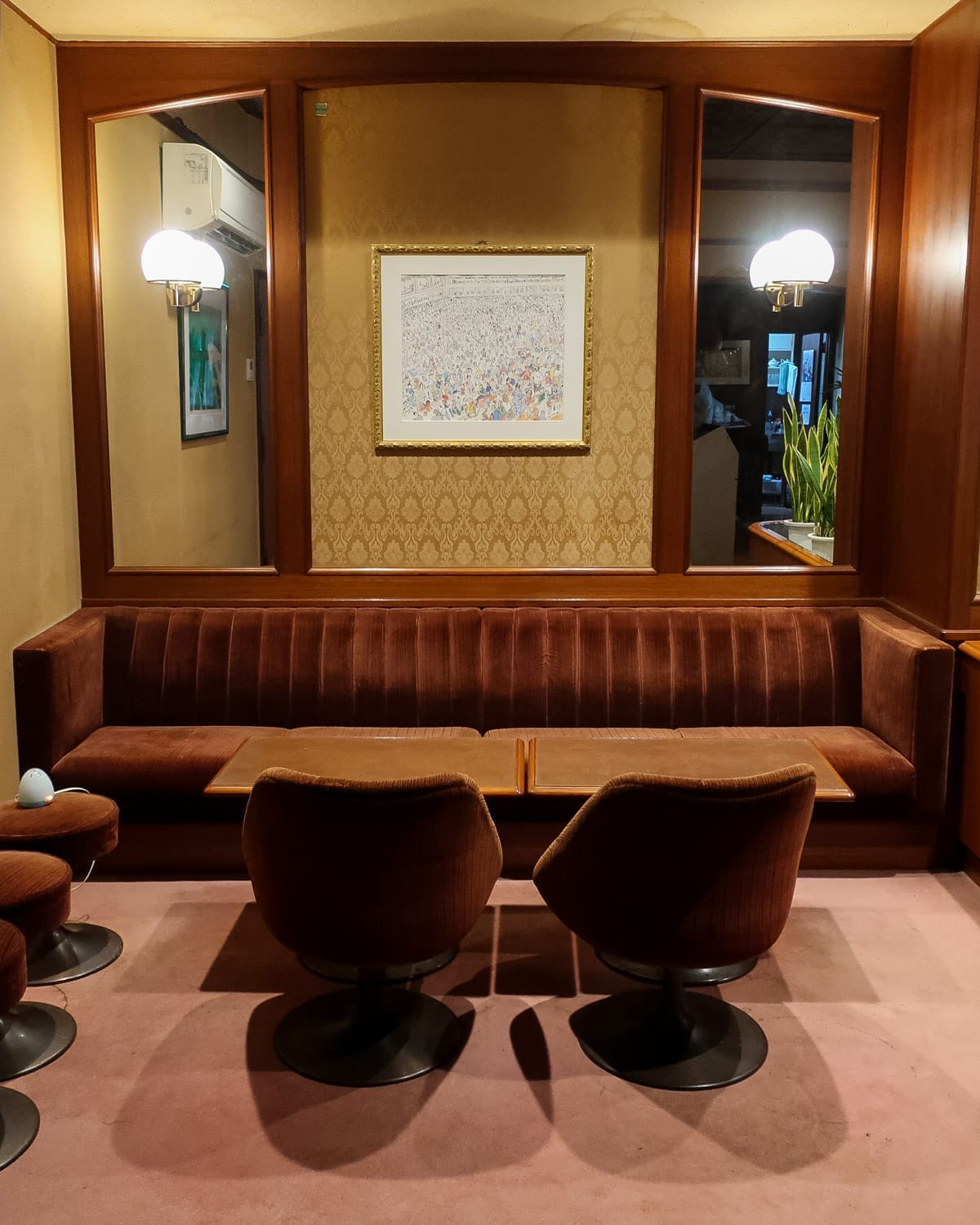
Open since 1890, it's a registered cultural property of Japan and full of character.
Try to book a riverside room, and don't miss the amazing midcentury lounge. It had a tape machine, so we listened to Japanese classics and drank sake all night!
🛏️ See rates for Fukuzumiro.Best Things to Do in Hakone
Exploring Hakone
♨️ Spend time at your ryokan
Don't feel like you have to be out sightseeing all day. In Hakone, downtime is the experience. Soak in the onsen, put your phone away, play a game of cards, read a book, sip Sencha and enjoy the slower pace.
🪵 Wander around town
Hakone is a lovely town to explore, with small eateries, boutiques and shops selling traditional Hakone Yosegi Zaiku woodcraft. The area has been known for these intricate wooden souvenirs for over 200 years.
🍕 Eat pizza at 808 Monsmare
This is the ultimate spot for lunch. The Neapolitan-style pizzas are delicious and rank among some of the best we've had, even after travelling through Italy.
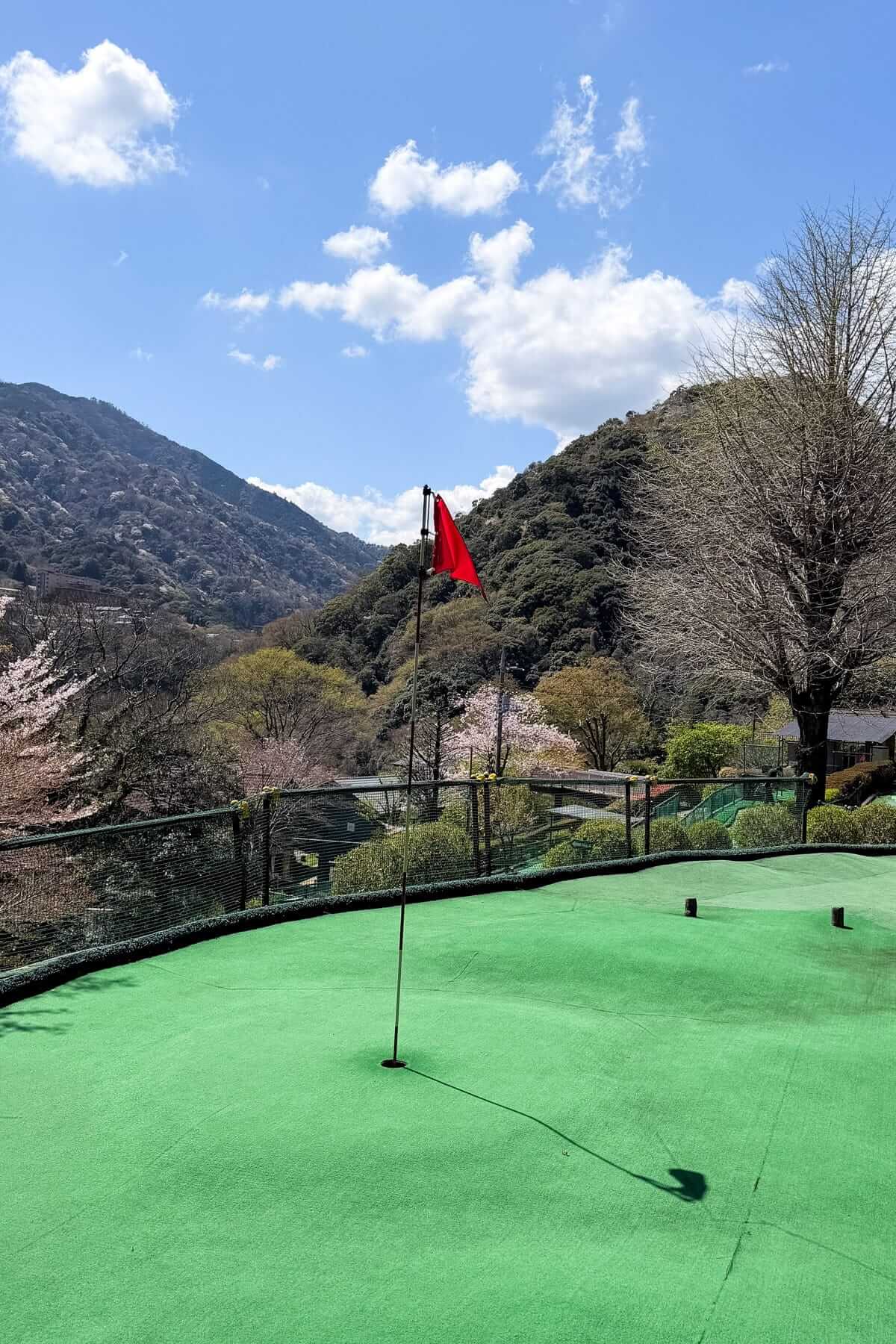
⛳ Play mini golf
After lunch at 808 Monsmare, walk up the hill to Hakone Putter Golf for a fun game of nine-hole mini golf.
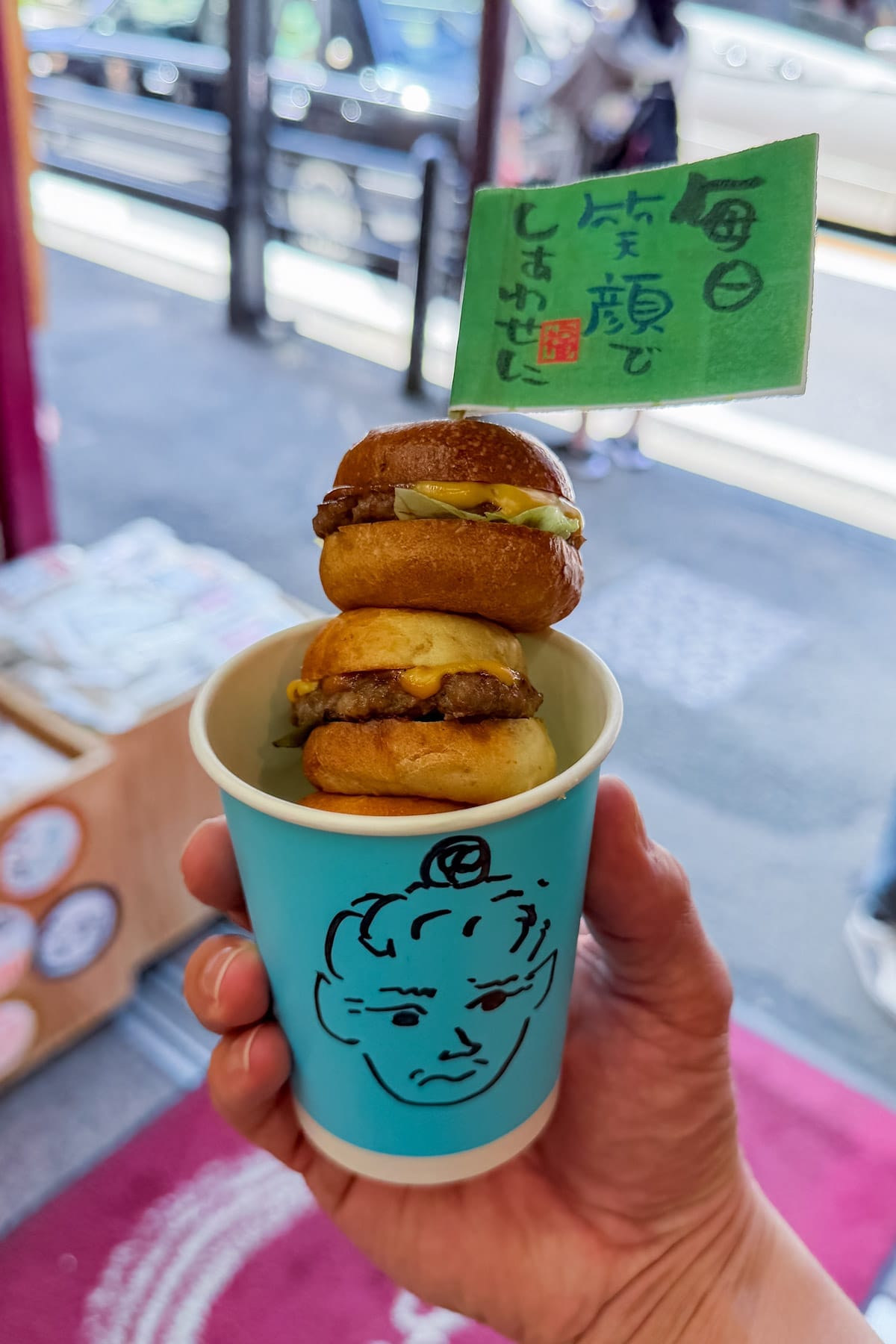
🍔 Get chibi burgers
For a snack, stop by 箱根登山名産店湯本駅前店 for their adorable chibi burgers - three mini slider burgers served on a stick. They even draw your face on the takeaway cup, making it one of the cutest lunches we had in Japan.
🗻 Take a day trip to see Mount Fuji (requires an extra day in Hakone)
If seeing Mount Fuji is high on your list, plan an extra day in Hakone. On a clear day you'll be rewarded with some of Japan's most iconic views. Your ryokan can help you plan the best route and viewpoints.
Days 9-11: Osaka
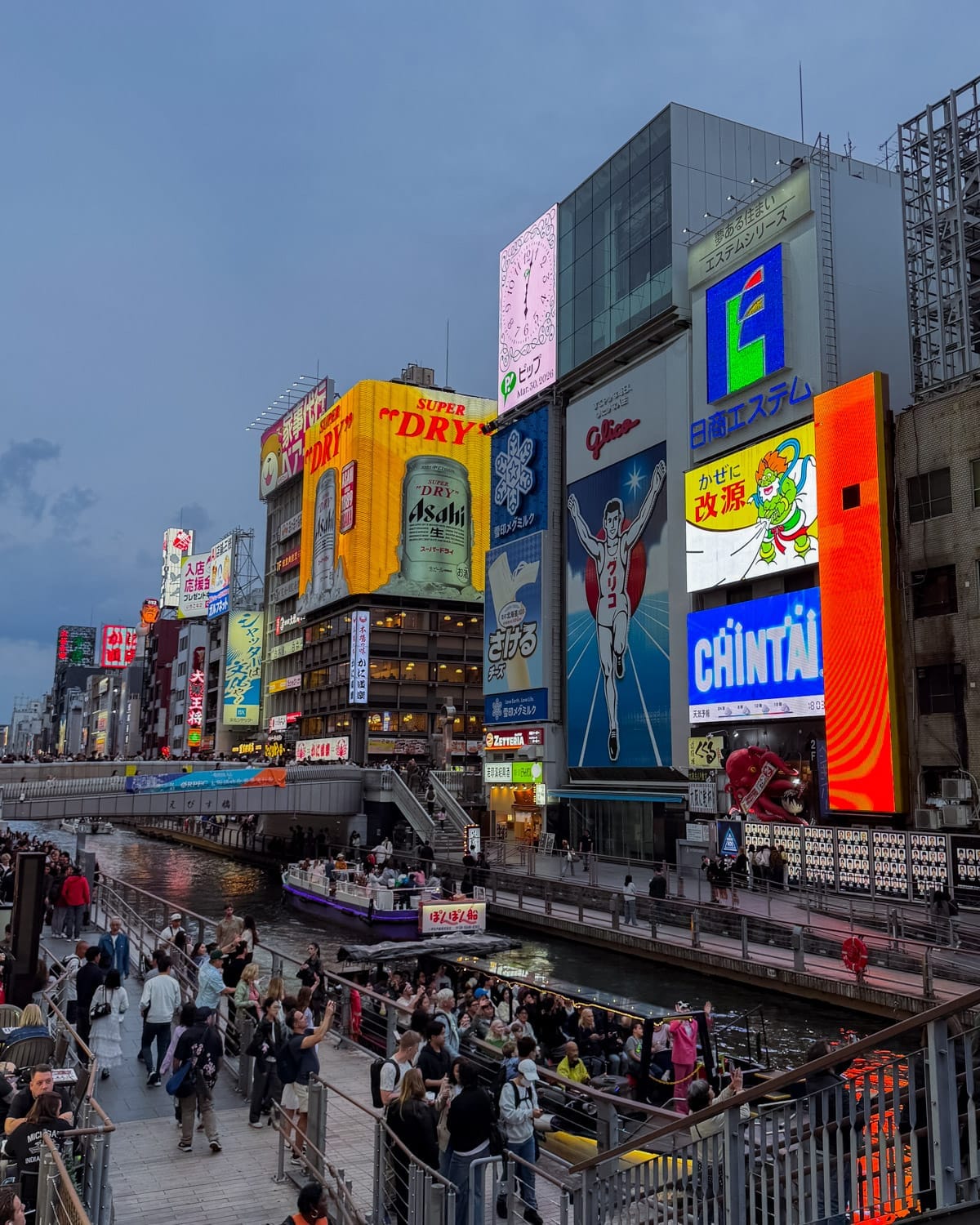
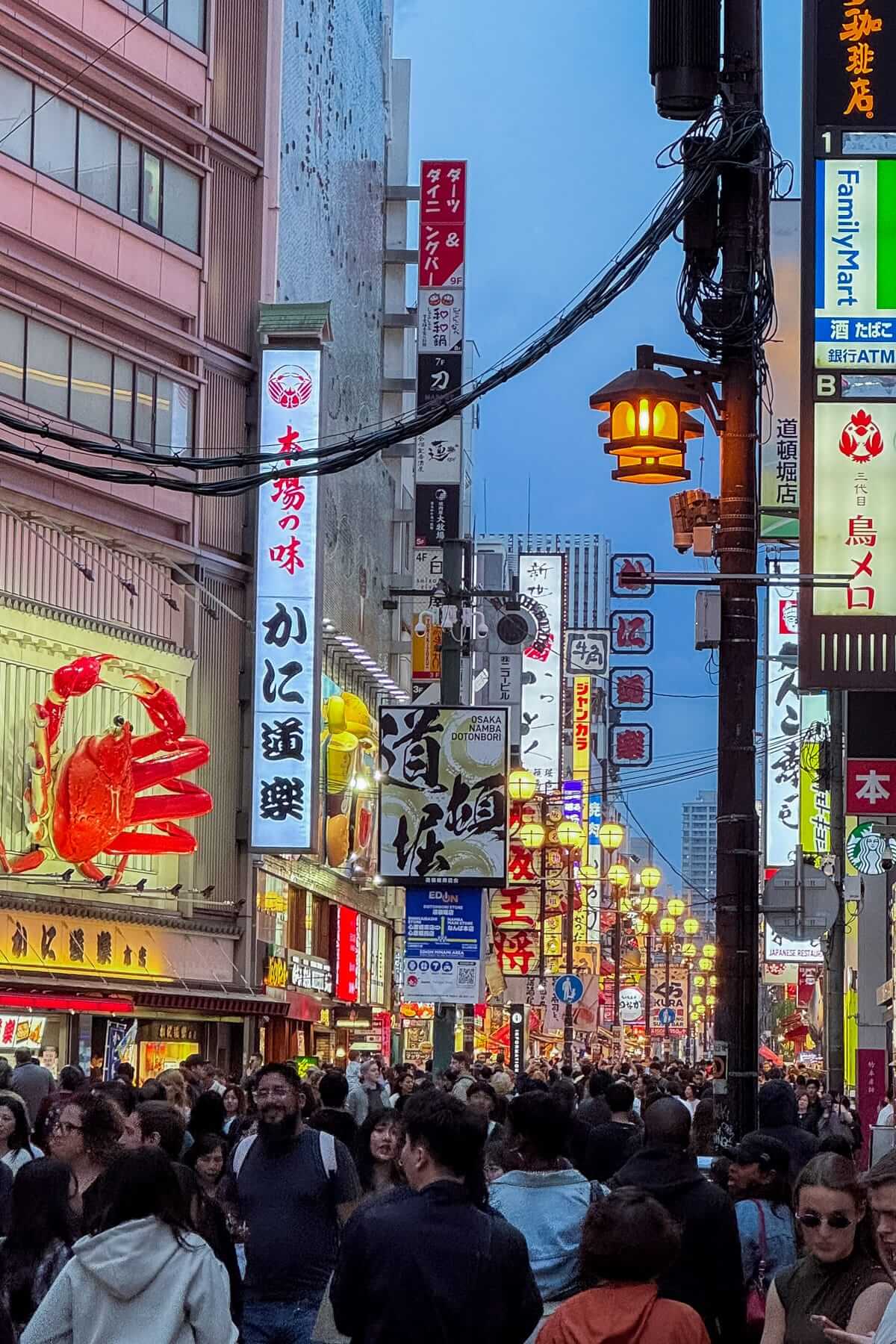
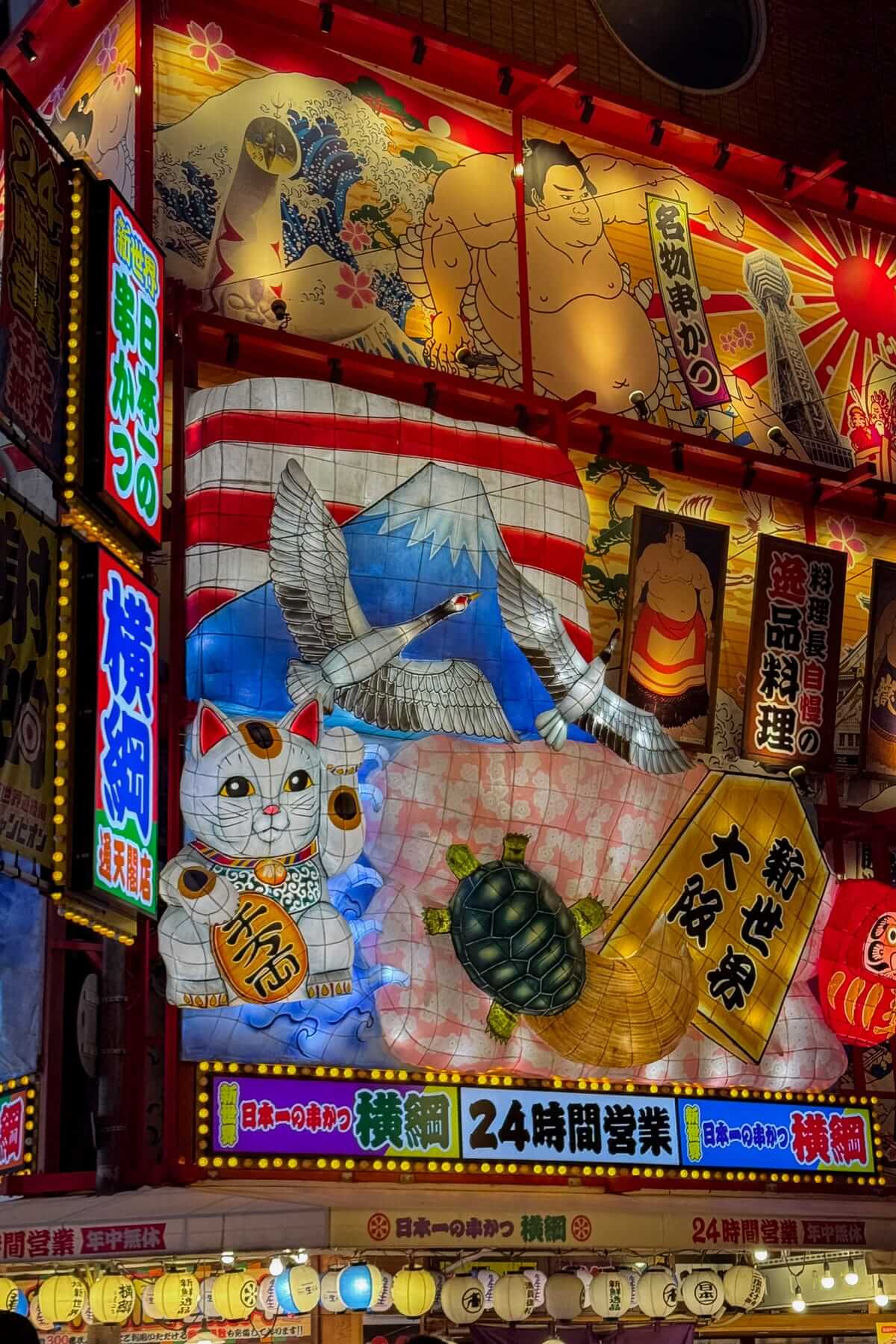
The zany streets of Osaka
Osaka is often overlooked by Western travellers, but we think it's one of the most fun cities in Japan.
As the country's food capital and home to its famous kuidaore ("eat until you drop") culture, it's packed with incredible restaurants, eccentric neighbourhoods and some of the best nightlife in the country.
It has a grittier, louder and wackier personality that feels completely different from Tokyo, and it's compact enough that you can experience the best of it in just three days.
Getting from Hakone to Osaka
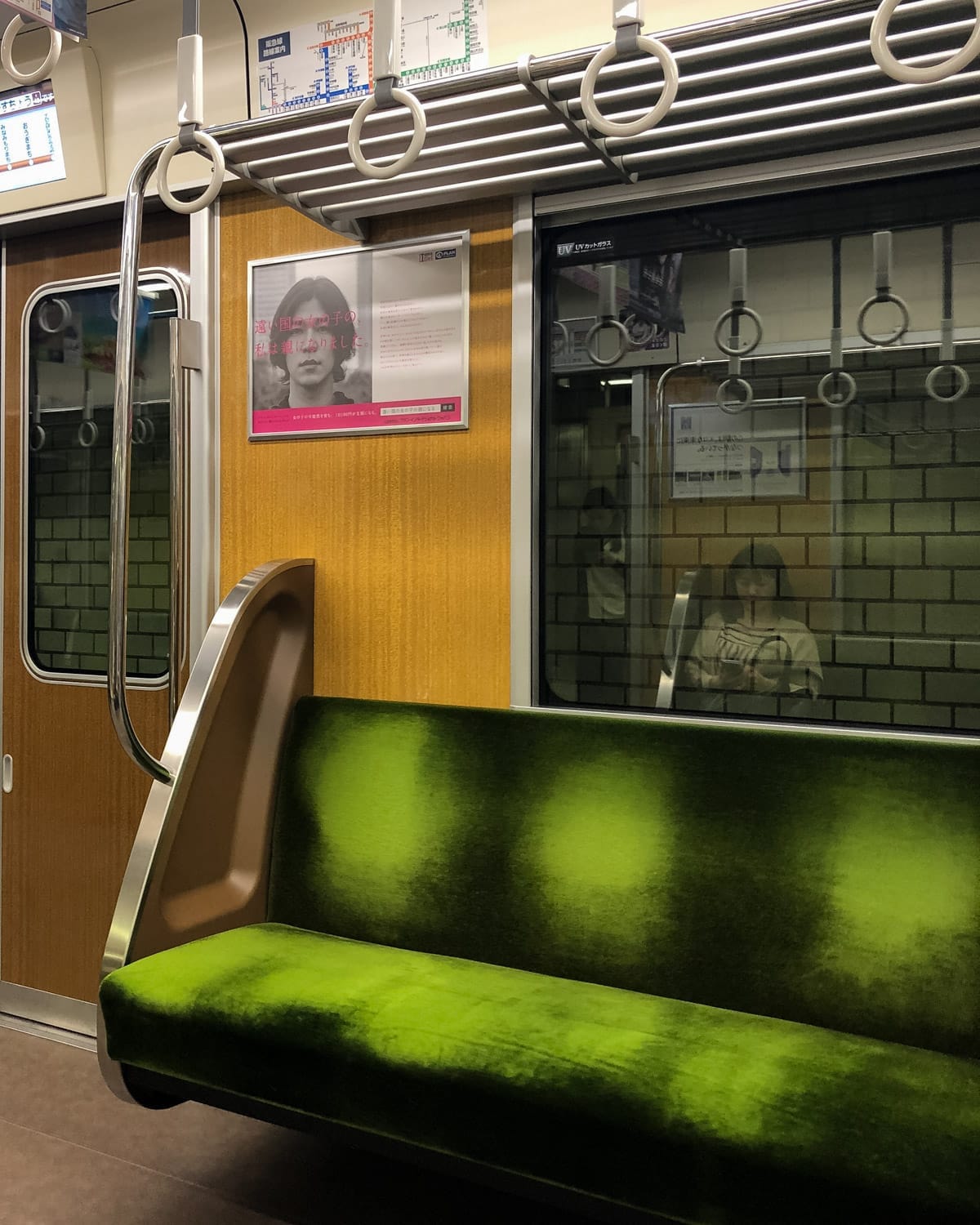
The easiest way to get from Hakone to Osaka is by train.
First, take the Hakone Tozan Line from Hakone-Yumoto Station to Odawara Station (about 15 minutes).
From there, hop on the shinkansen (high-speed train) to Shin-Osaka Station, which takes around 2 hours and 20 minutes.
✔️ Top Tip: If you're travelling with a suitcase that you can't lift onto the overhead rack, reserve a seat with oversized baggage space. These seats are in the back row of each carriage and include space behind the seats for your luggage. They book up quickly, so we'd recommend reserving one as far in advance as you can.
🚄 We easily booked our train from Odawara to Osaka through Klook.Best neighbourhoods to explore in Osaka
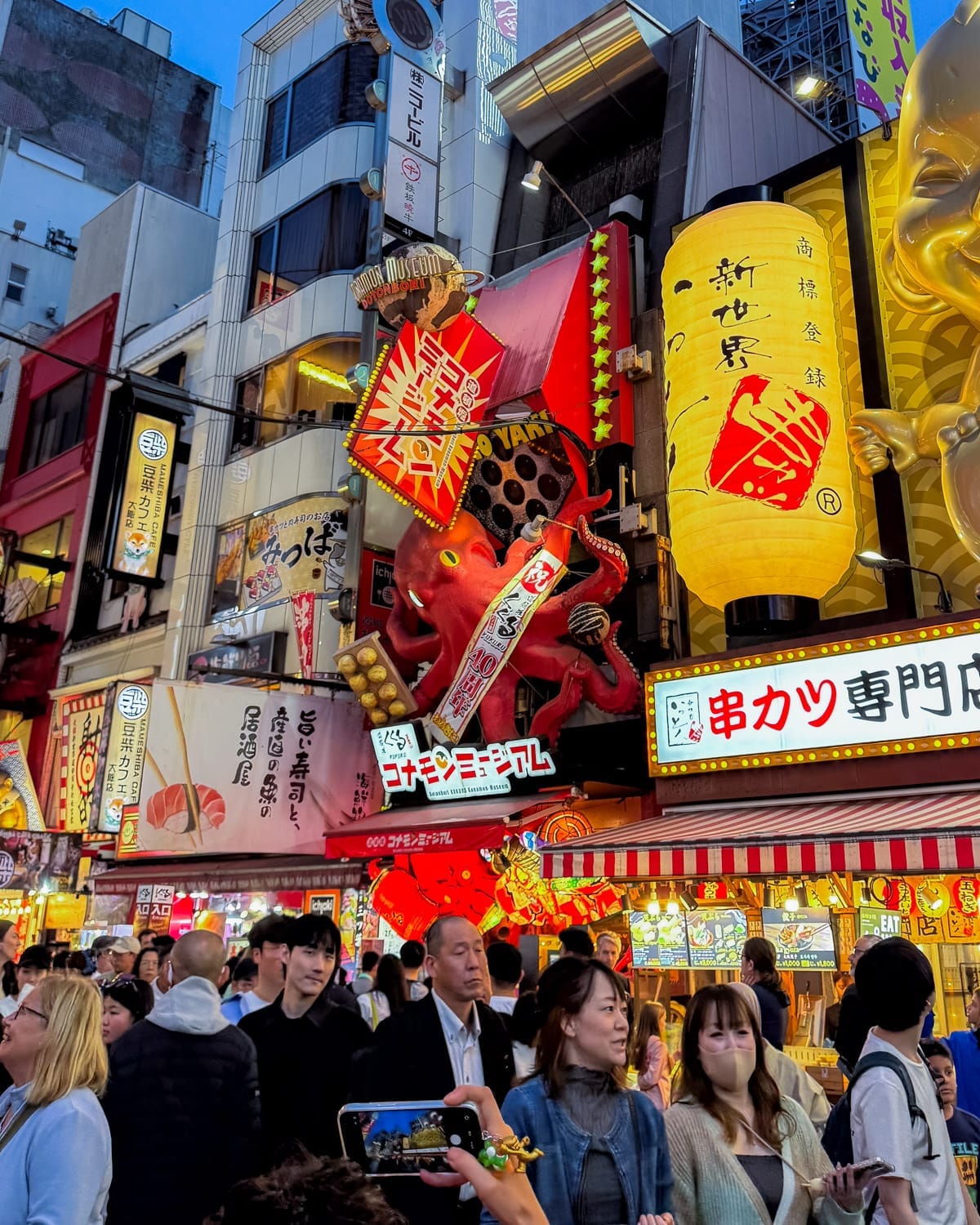
Dotonbori
Best for: Street food, giant moving neon signs and Osaka's famous kuidaore culture
Osaka's famous neighbourhood is loud, chaotic and touristy in the best way. Spend the evening walking along the canal and the lively Dotonbori strip, where giant moving storefronts, sizzling street food and flashing lights all compete for your attention.
Nakazakicho
Best for: Historic architecture, independent shops and cafe culture
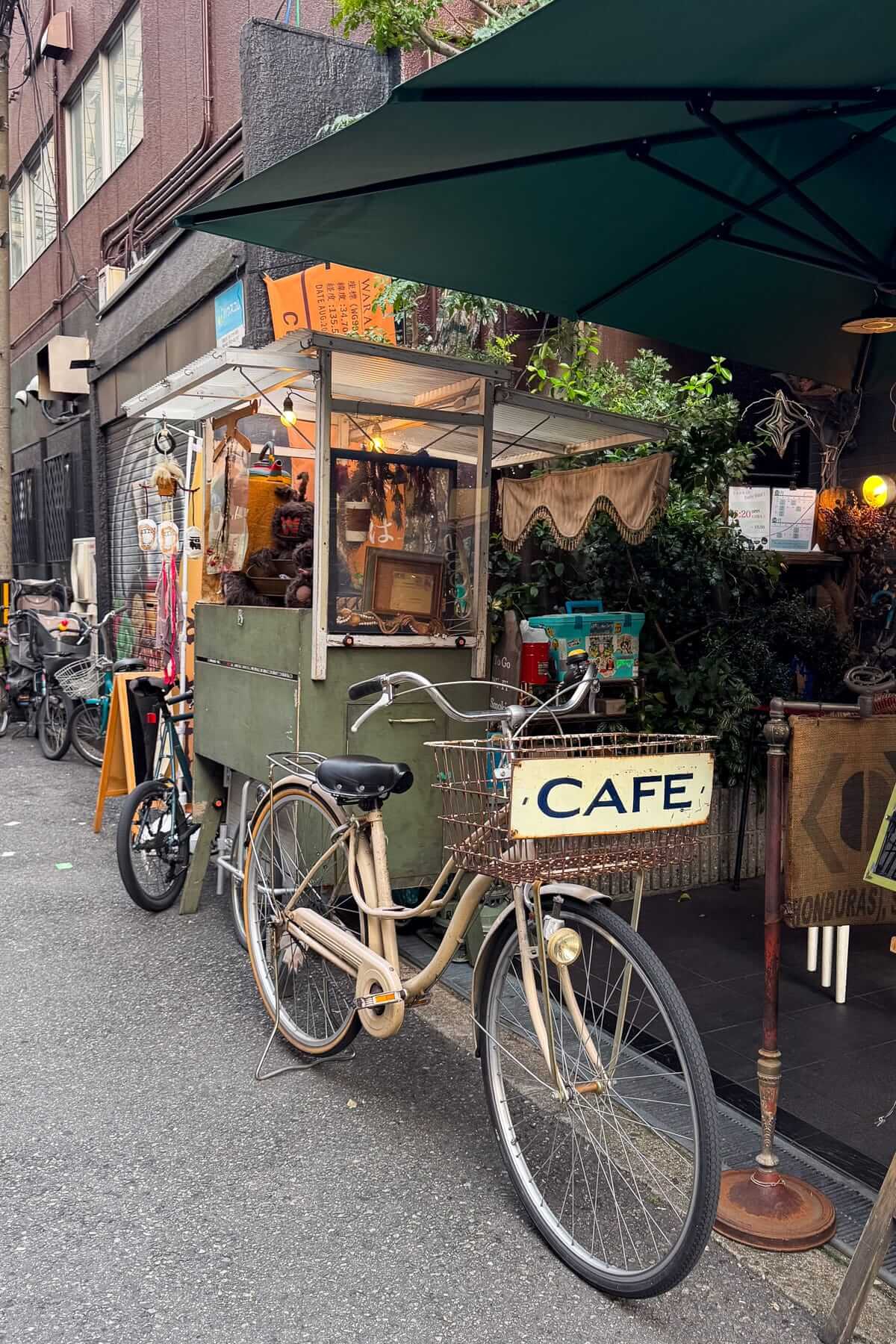
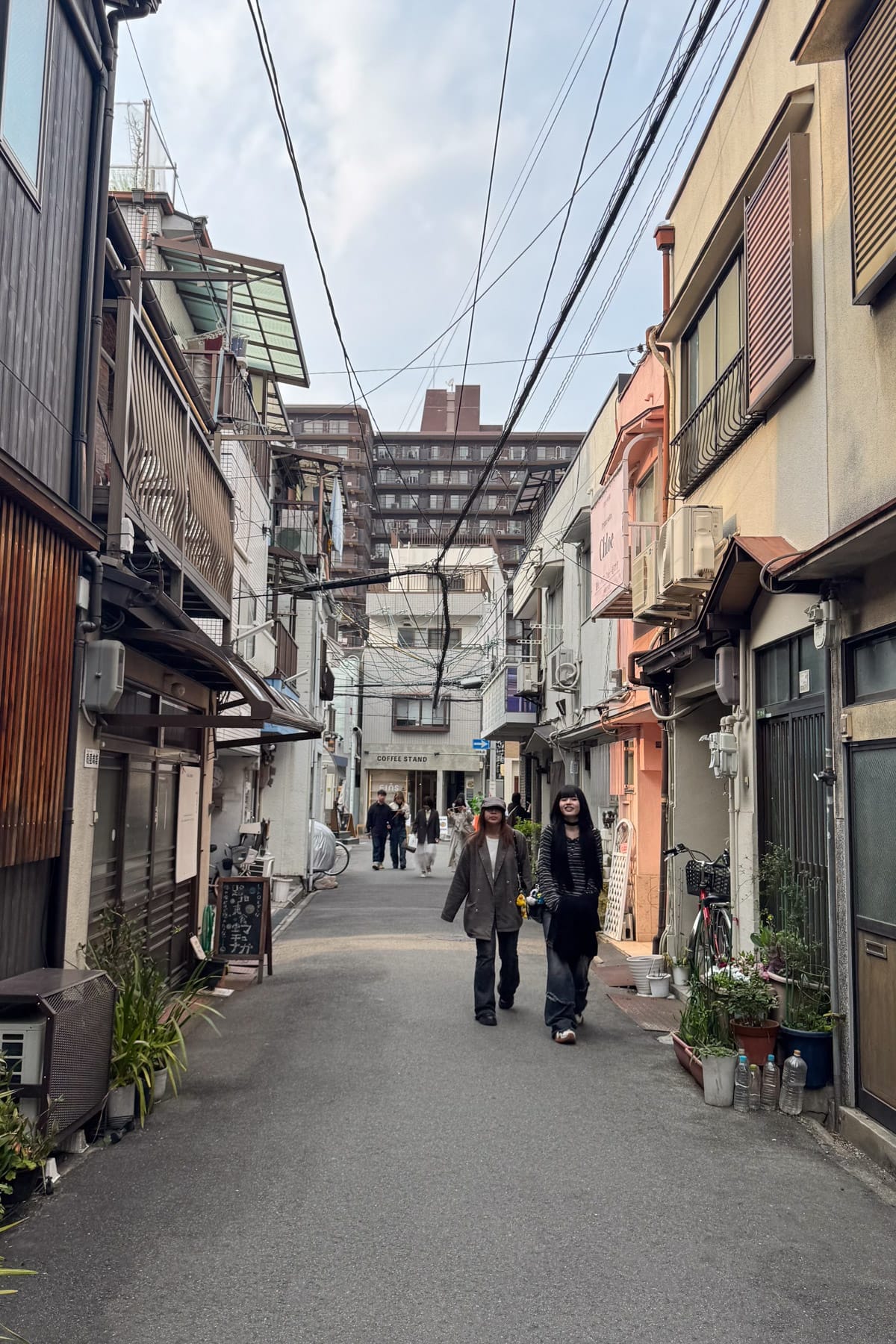
Nakazakicho neighbourhood
One of the few parts of Osaka to survive the World War II air raids, Nakazakicho's narrow laneways are lined with preserved homes that have been transformed into cafes, galleries, vintage shops and tiny local businesses.
It has a creative, local feel, with stylish young Osakans browsing boutiques and hanging out at cafes throughout the day.
Shinsekai
Best for: Retro Osaka and old-school eateries
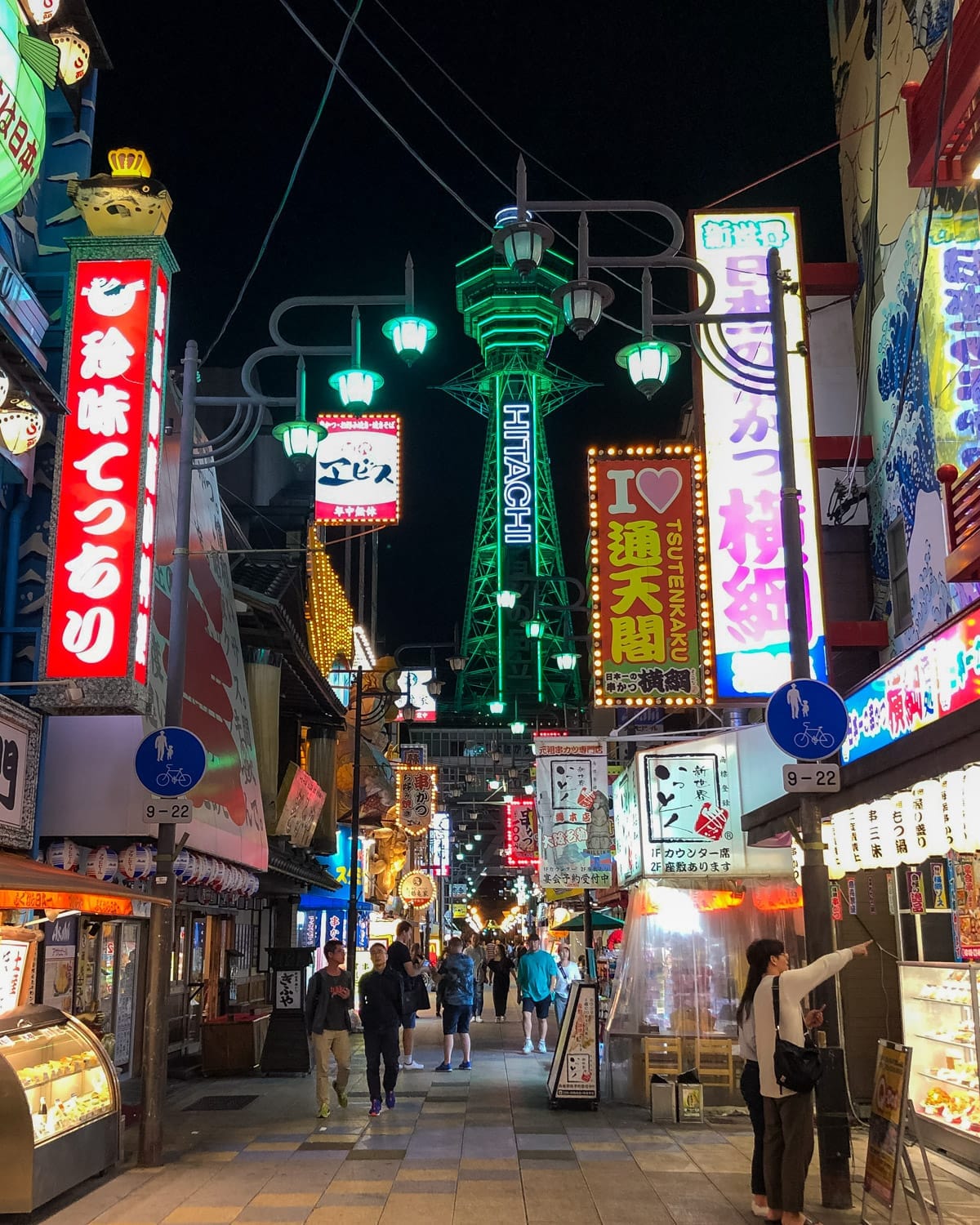
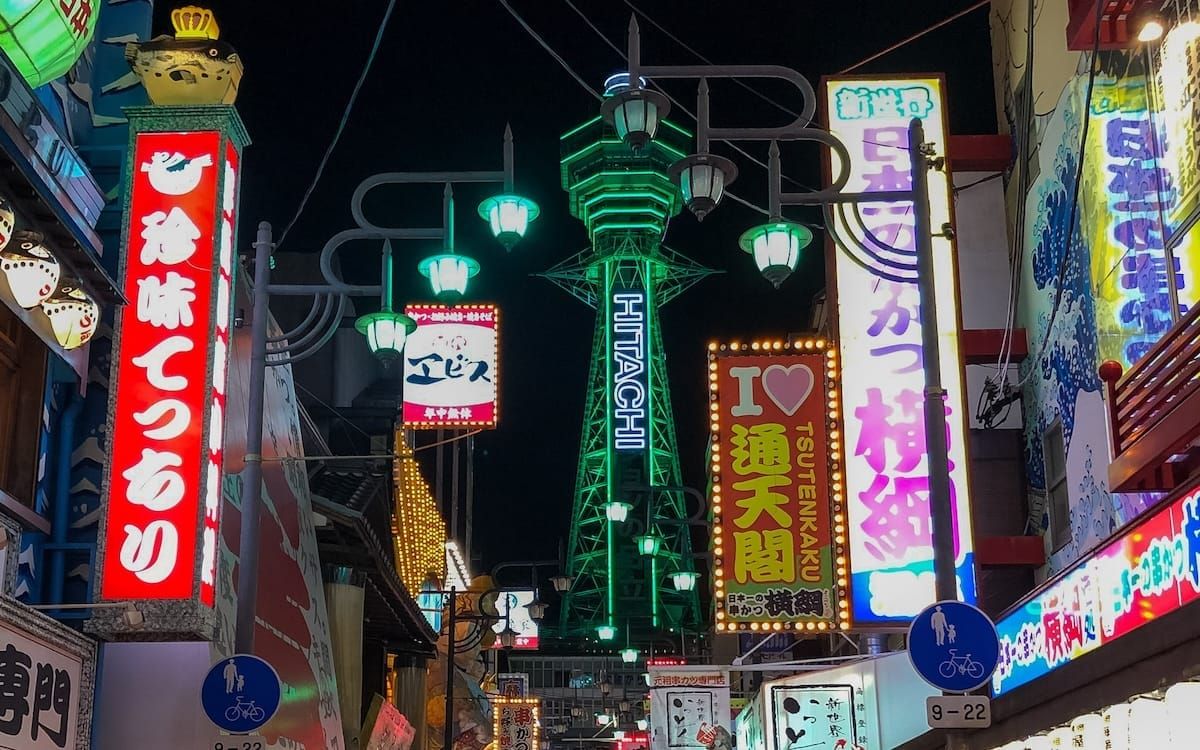
Shinsekai was our favourite district in Osaka. Built around the iconic Tsutenkaku Tower, it has been revitalized while holding onto its nostalgic old-school character.
It's gritty, a little zany and full of retro signs, old-school eateries and some of the city's best kushikatsu restaurants.
This is where you'll also find the coin pusher games. We somehow ended up spending hours at Kasuga Gorakujo, right until closing, completely hooked on the Mario coin pusher game.
Since gambling is illegal in Japan, you don't win cash, but if you collect enough tokens you can exchange them for a cute little prize.
Amerikamura
Best for: Youth culture, street-style and people-watching
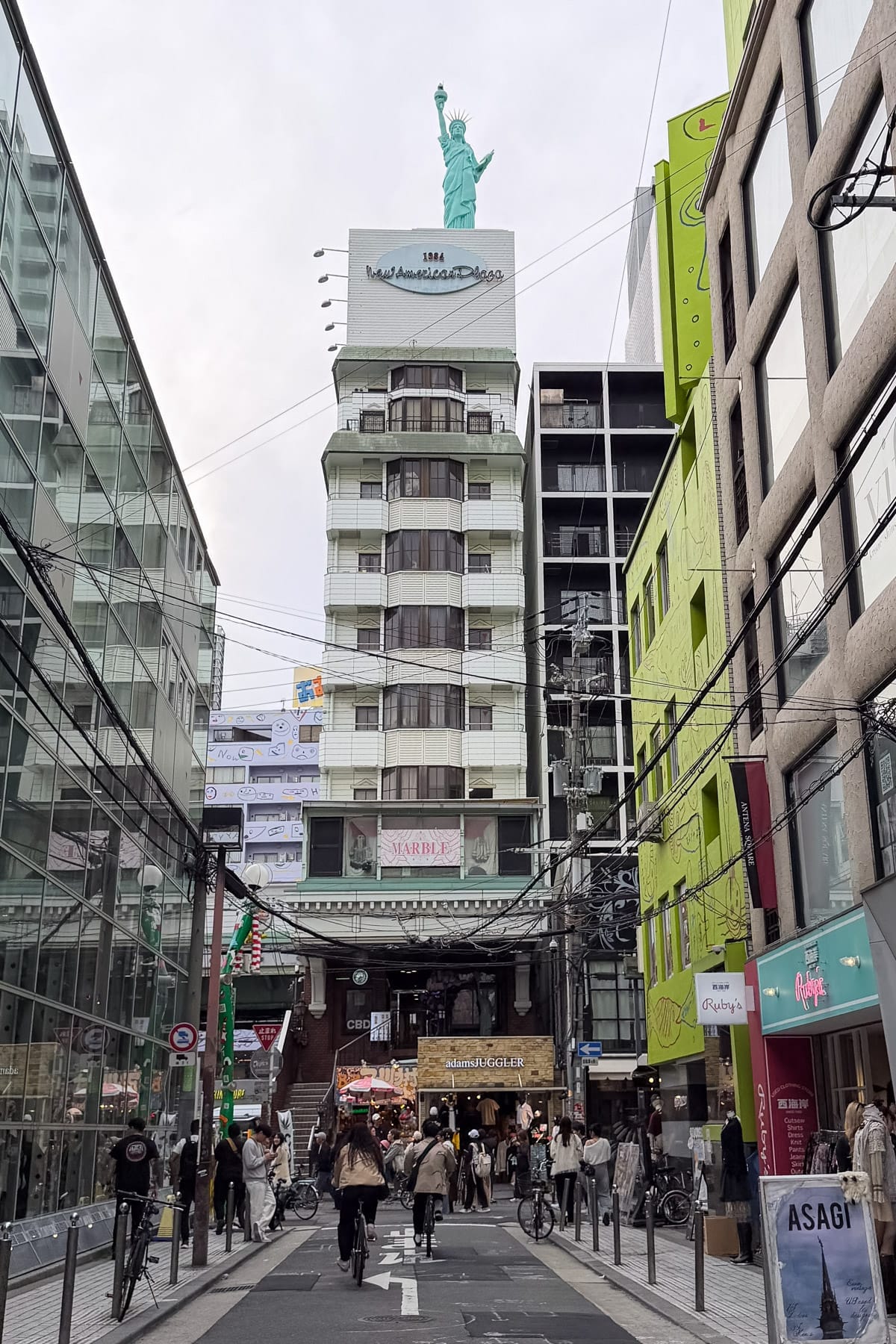
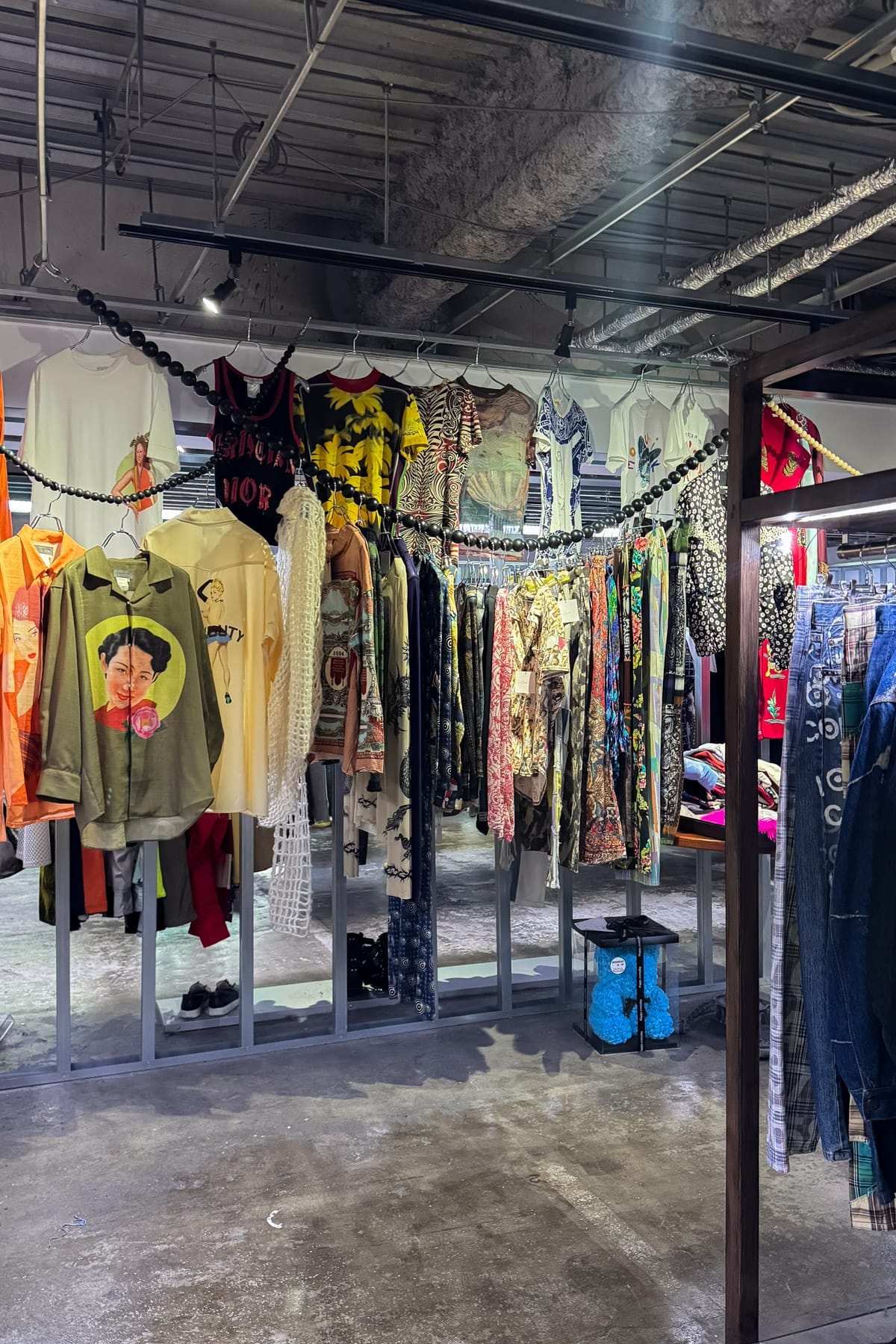
Amerikamura | PAT MARKET in neighbouring Shinsaibashi
Amerikamura, meaning "American Village," earned its name in the '70s and '80s when the neighbourhood became known for shops selling imported American clothing, records and jeans.
Today, it's Osaka's hub for street fashion and vintage shopping, with a gritty, alternative feel and some of the city's best people watching.
If you're into vinyl, don't miss Record Shop Rare Groove. We found some awesome Japanese records there, from psychedelic rock to jazz featuring the traditional shakuhachi flute.
✔️ Top Tip: If you're into Japanese streetwear, don't miss PAT MARKET in neighbouring Shinsaibashi. We loved browsing their unique archive pieces, but our favourite find was a stack of TUNE Japanese fashion magazines from the 2000s.
The best things to eat in Osaka
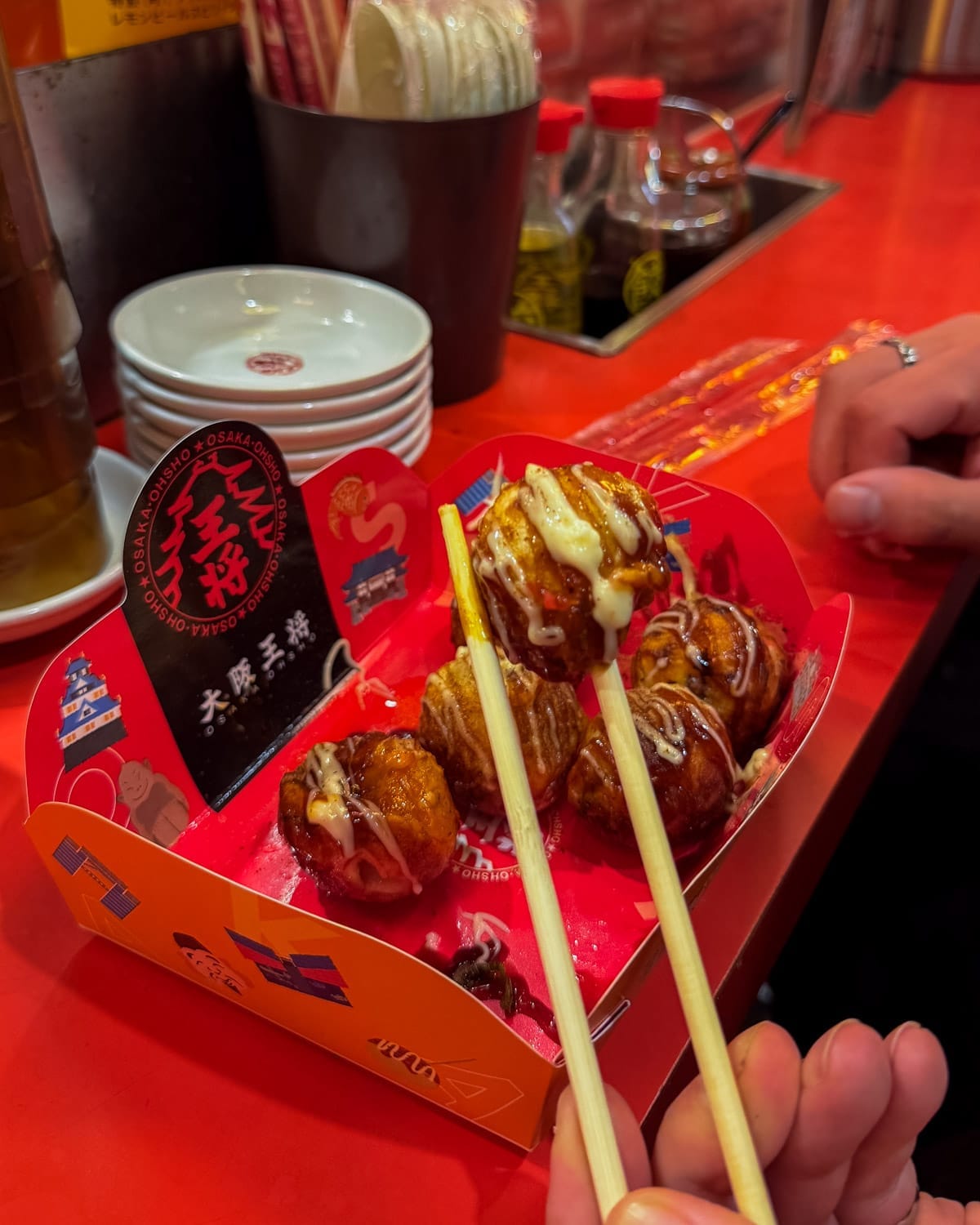
Street food in Dotonbori
Half the fun is looking up at the giant three-dimensional storefront signs. Massive octopuses, giant crabs and oversized sushi jut out over the street as you wander between food stalls.
Grab Osaka classics like takoyaki (octopus-filled dough balls), okonomiyaki (Japanese cabbage pancake), and other street food as you explore.
Tonkatsu KATSU Hana
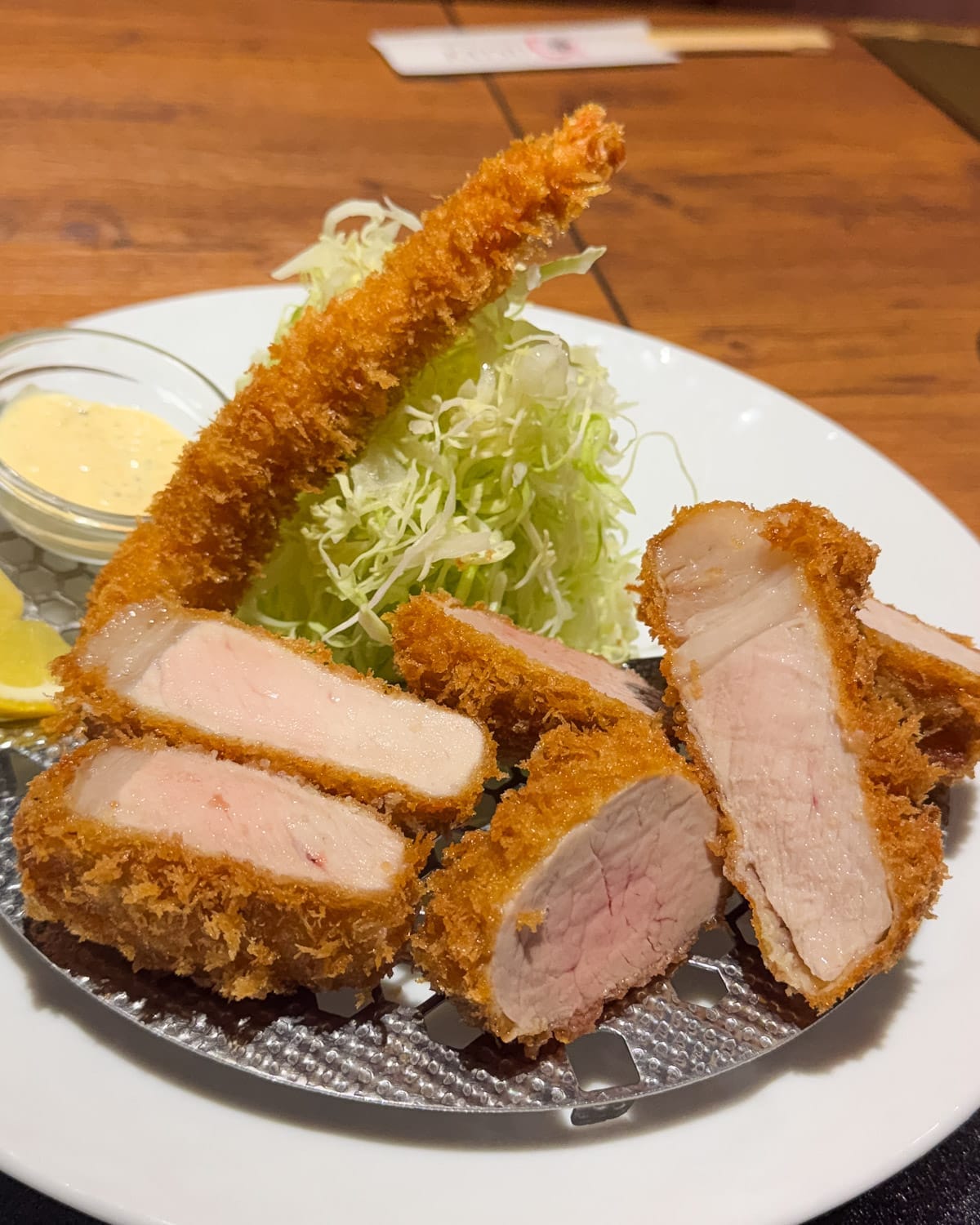
Tonkatsu KATSU Hana rotates different premium pork breeds throughout the year, so it's fun comparing the different cuts to see which one you like best.
We went for the combination platter of three different brands. The pork was unbelievably juicy with a perfectly crisp coating.
Make your reservation well in advance, as it has a Michelin Bib Gourmand designation.
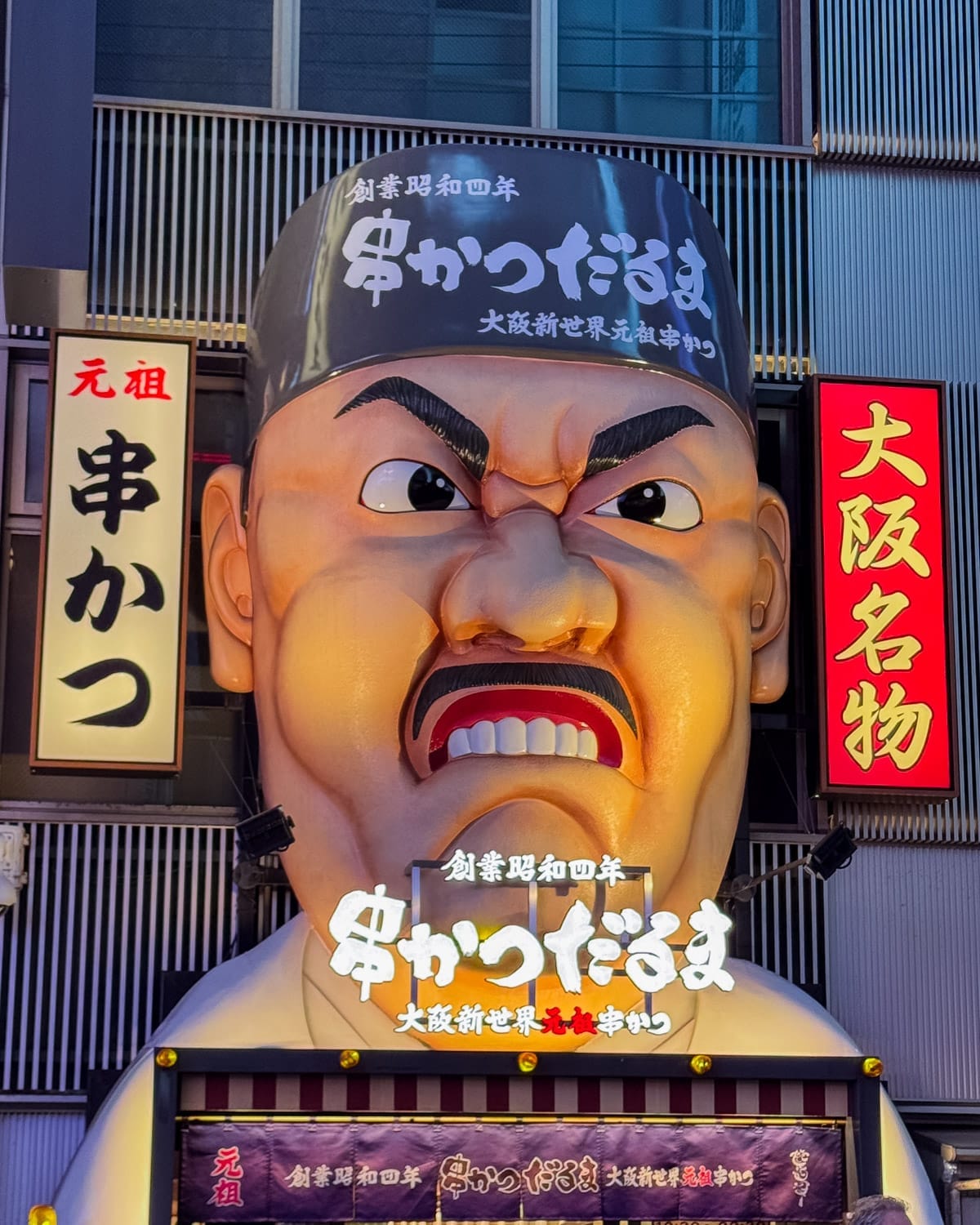
Kushikatsu Daruma
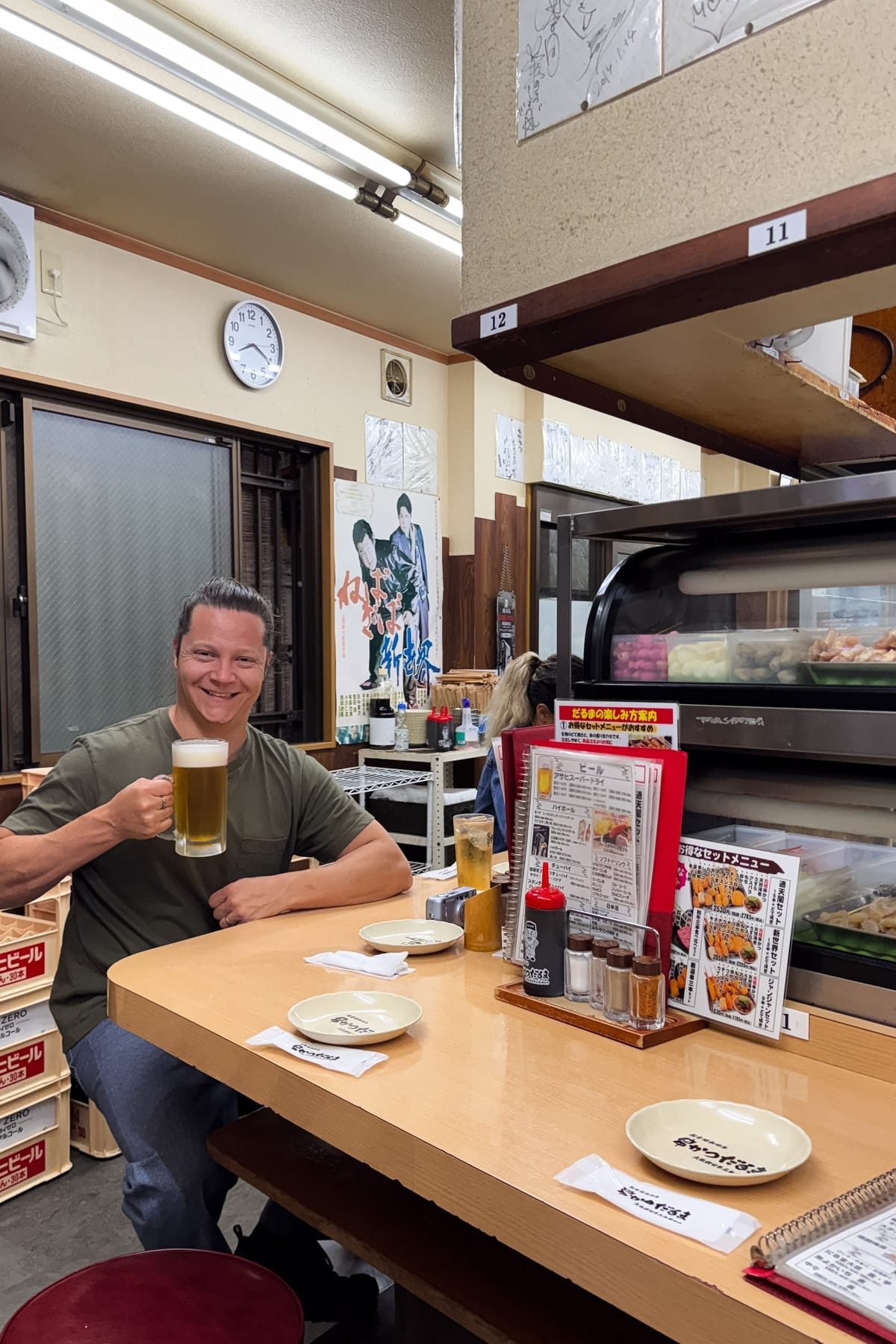
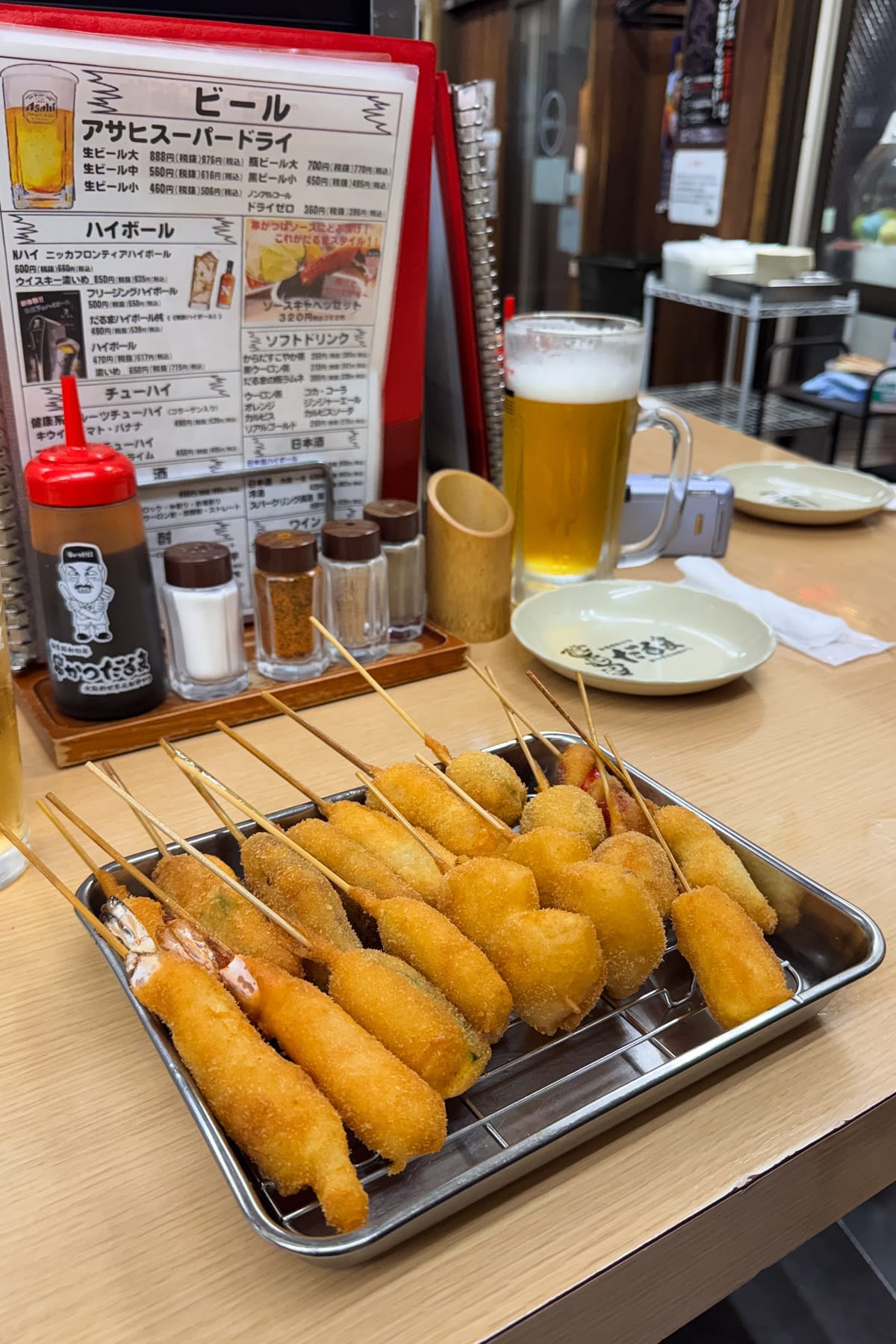
Kushikatsu Daruma in Shinsekai
Kushikatsu Daruma is Osaka's most iconic kushikatsu restaurant, serving fried skewers since 1929.
Unlike tempura, kushikatsu skewers are coated in breadcrumbs, giving them a crunchier texture.
We loved the location beside Tsutenkaku Tower. It was the perfect stop after exploring Shinsekai.
Order a mix of skewers from the iPad, pair them with a cold beer and keep ordering as you discover your favourites.
Yakitori Matsuoka
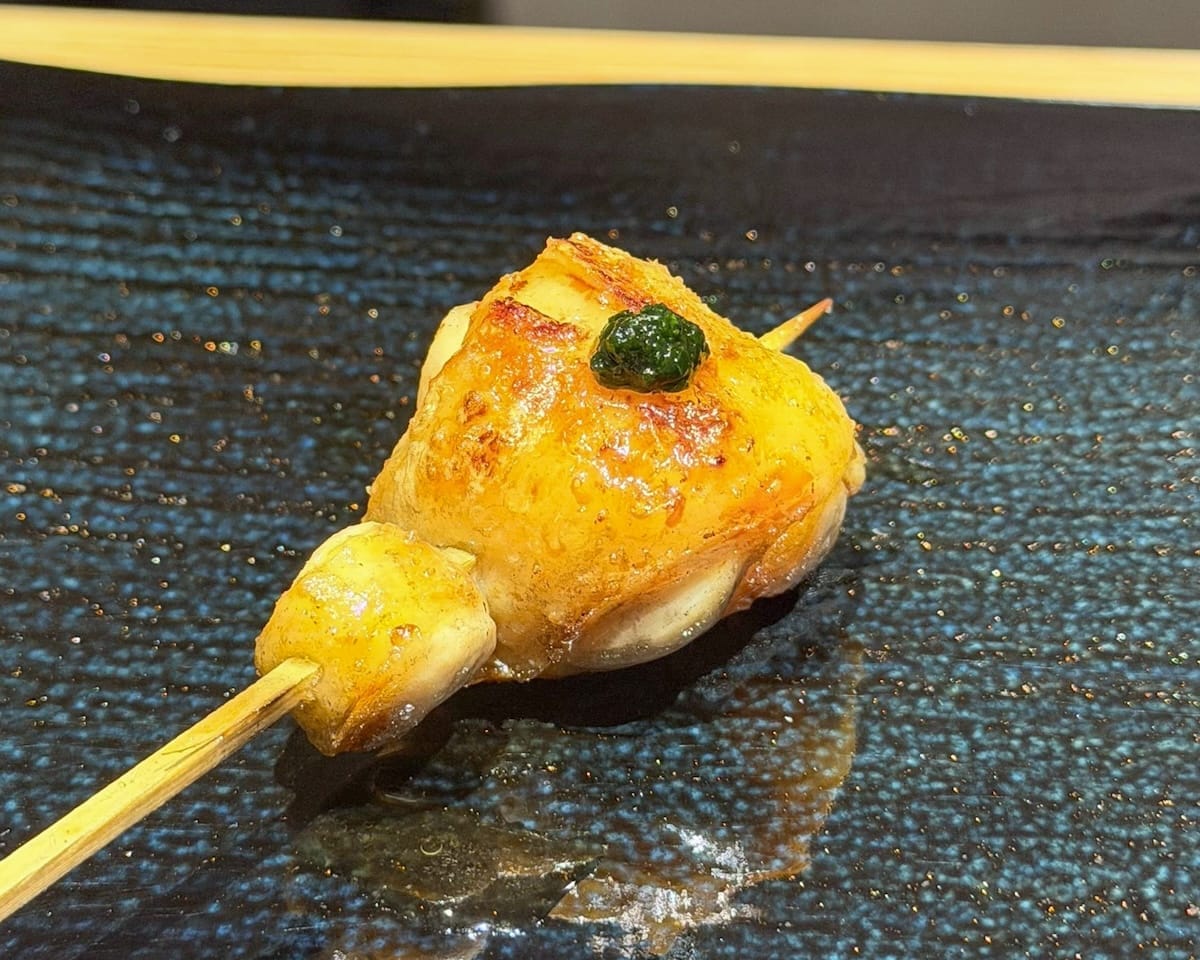
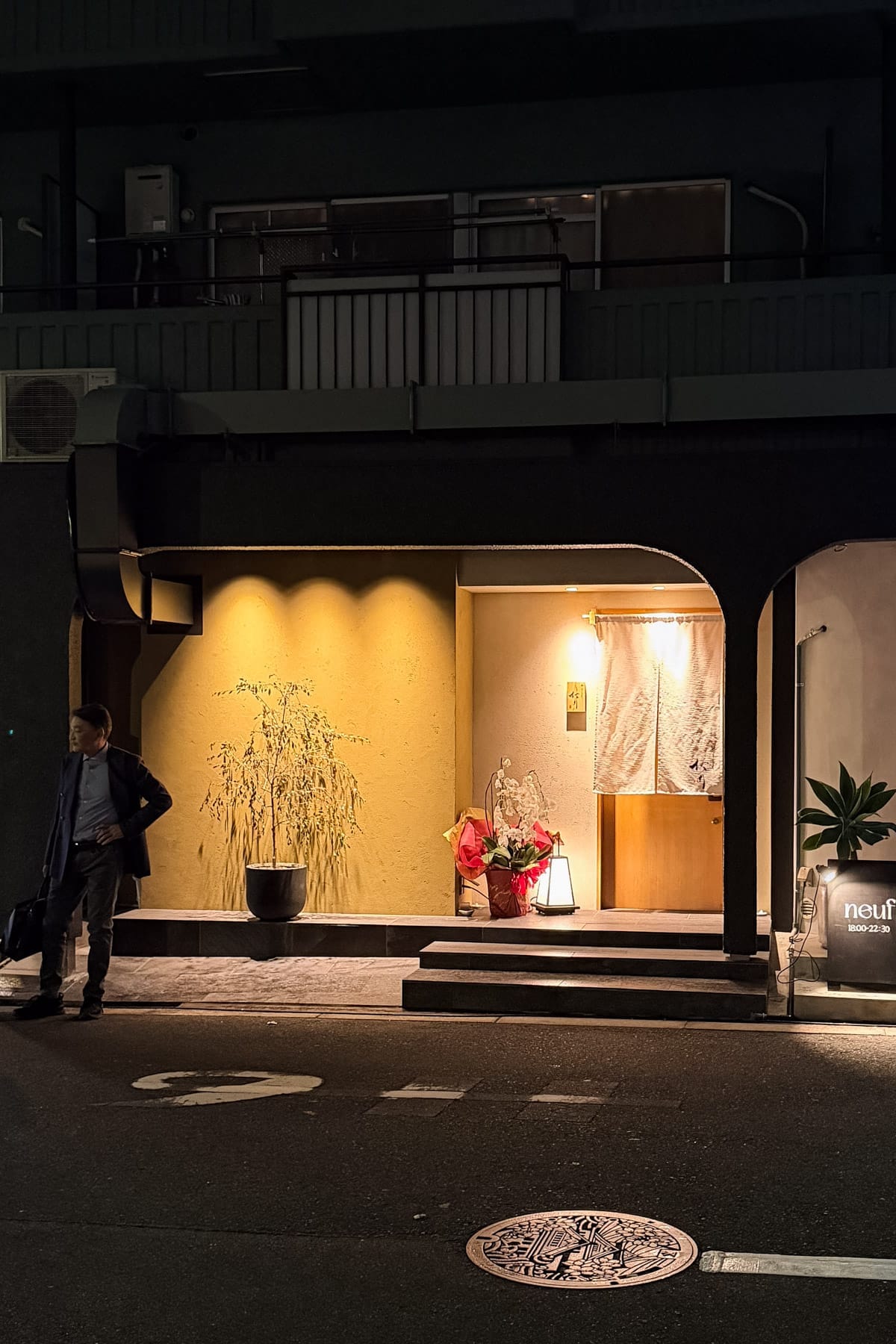
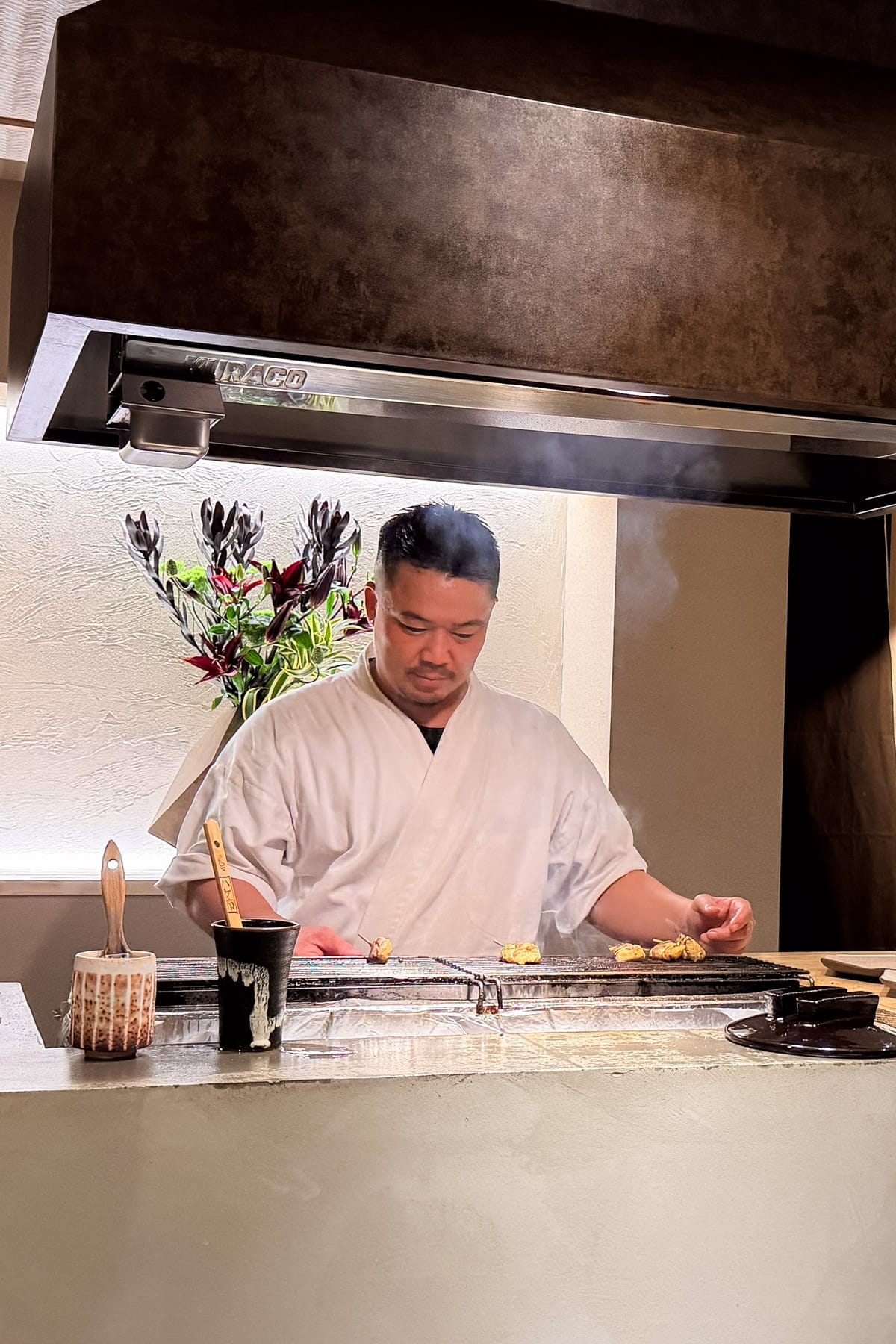
Yakitori Matsuoka
Yakitori is charcoal-grilled chicken skewers, but this is far from your average yakitori restaurant.
The chef ages premium Kagoshima chicken and grills each skewer over rare Kishu binchotan charcoal, all from an intimate eight-seat counter where you can watch everything being prepared.
I tried chicken tataki (lightly seared but raw in the centre), and it was one of the tastiest things I've ever eaten.
It's our favourite yakitori restaurant we've been to, and we even liked it more than the only Michelin-starred yakitori restaurant in Tokyo.
This restaurant is in high demand, so be sure to book well in advance.
Fun things to do in Osaka at night
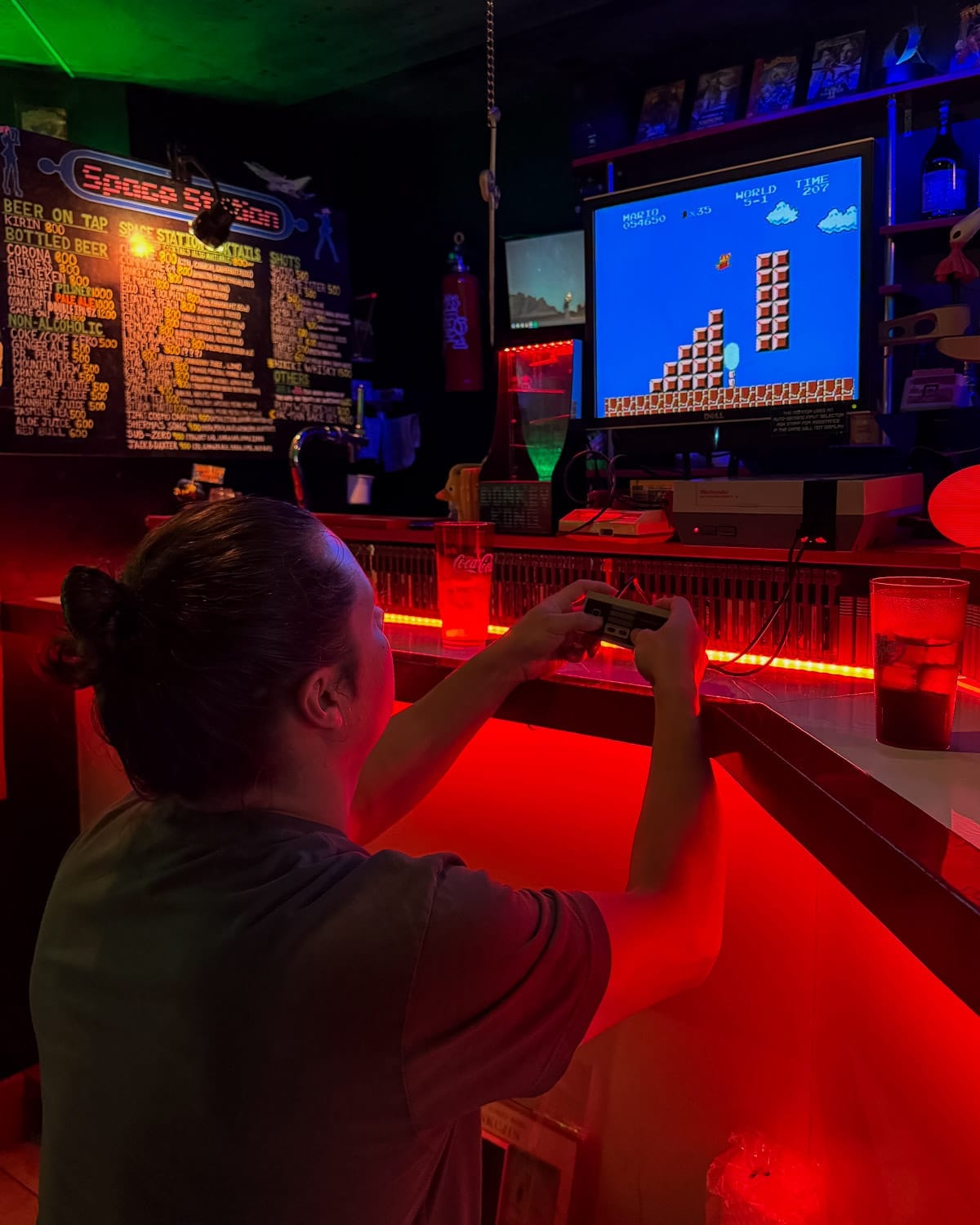
Play classic Nintendo games at Space Station Bar
If you're into retro gaming, don't miss Space Station. Grab a drink (it's the only requirement) and play everything from the NES and Super Nintendo to Sega Genesis and other classic consoles for free.
It's one of the best-value nights out in Osaka, and the video game-themed cocktails make it even more fun.
Sing karaoke at Moonshine
Moonshine didn't look like a karaoke bar at all. When we walked in, techno was playing, nobody was singing, and we wondered if we'd come to the wrong place.
We decided to stick it out anyway, ordered a couple of drinks and one of their delicious hot dogs, and started chatting with the locals.
About an hour in, a couple of fearless tourists came in and requested to sing karaoke. A couple hours more, we had all sung about 4 songs each, including a 50 Cent song with a shameful dance performance.
Unlike most karaoke in Japan, Moonshine is unique because everyone sings together rather than in private rooms.
Go on an edgy cocktail bar crawl through Osaka's speakeasies
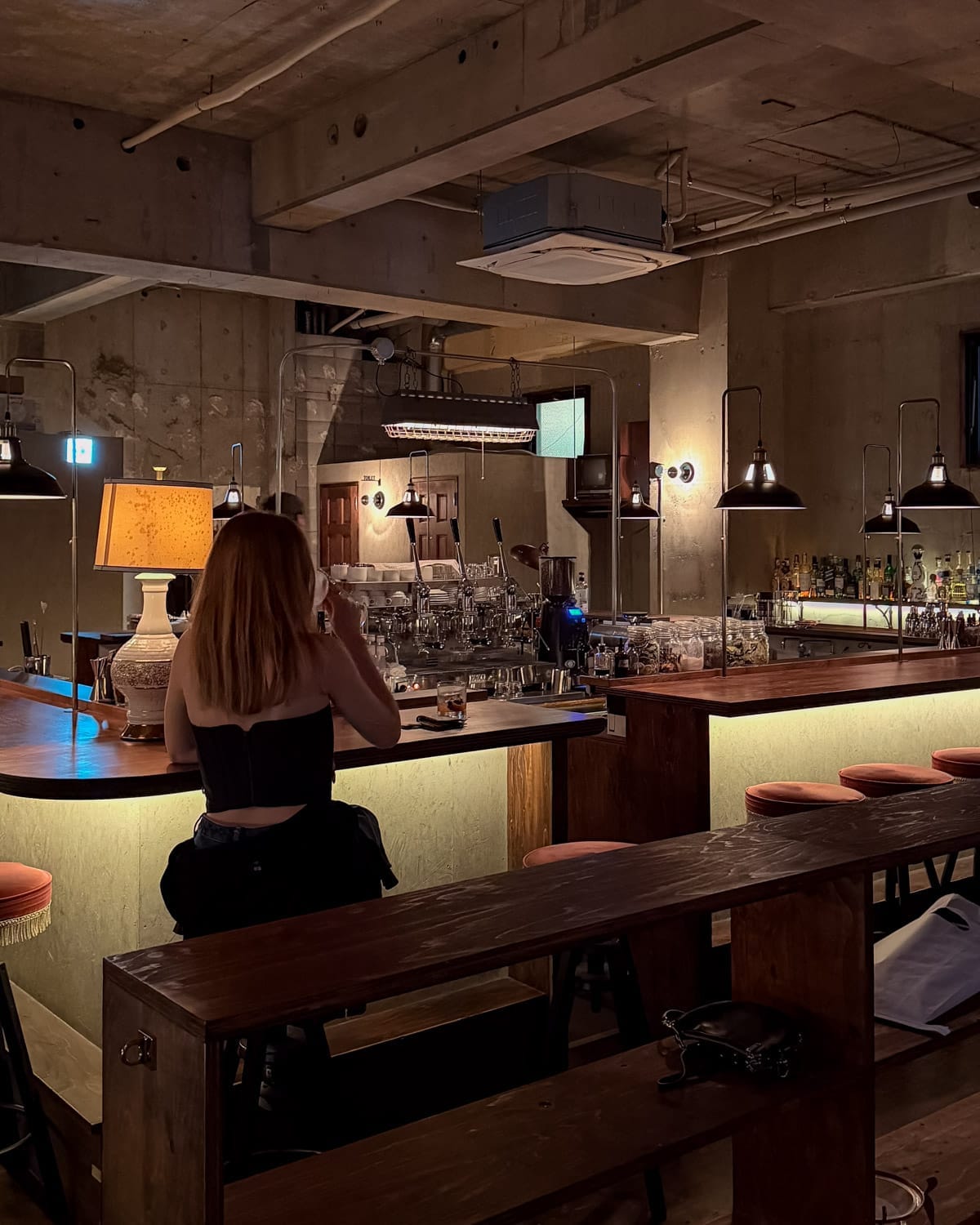
One of our favourite nights in Osaka started at Bar Karuda. After a couple of cocktails, we asked the bartender for a list of his favourite bars, and we spent the evening hopping between them. Every stop had a completely different personality.
🥃 Bar Karuda
One of the city's newest cocktail bars, Karuda has a cool industrial feel with moody lighting, alternative electronic music and some of the most perfectly balanced cocktails we had in Japan.
🧪 Potion Station
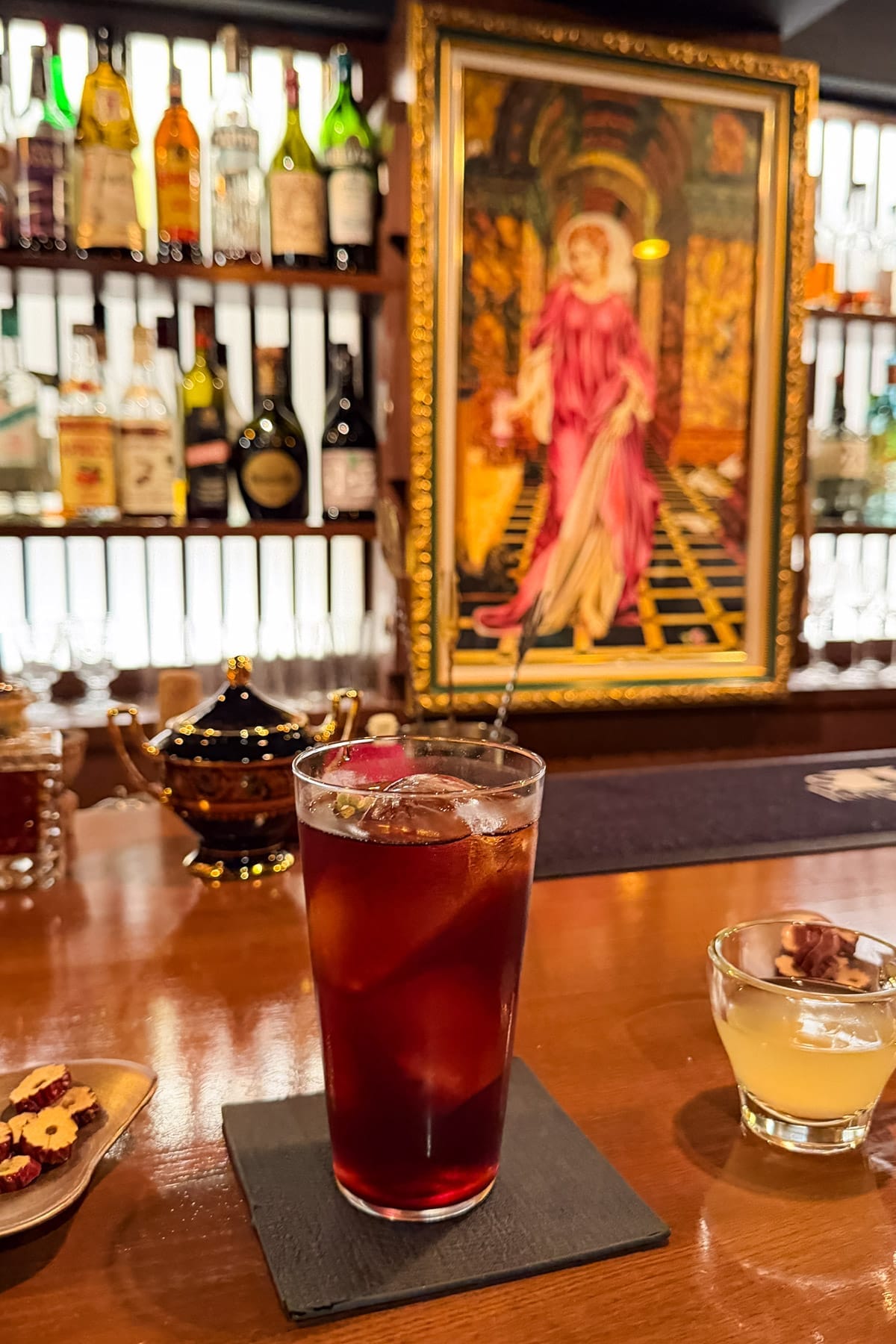
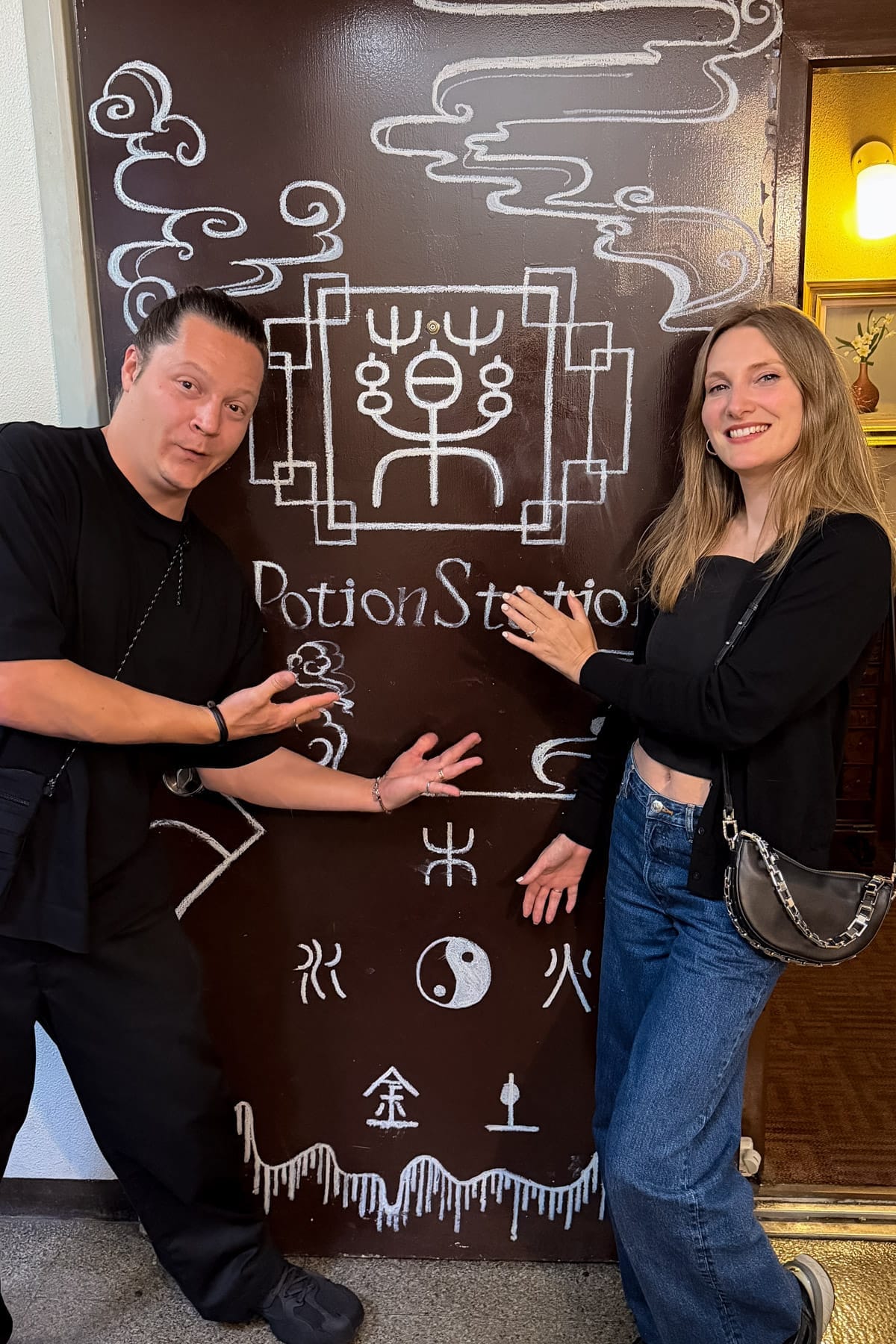
Cocktails at Potion Station
Potion Station puts a fun twist on cocktails with a menu inspired by traditional Chinese herbal medicine.
We took a short quiz that helped guide our cocktail choice. Rather than choosing by spirit, you pick the type of effect you're looking for, and many drinks feature herbs, botanicals and house-made infusions.
It was also the most local bar we visited, with almost entirely Japanese customers.
🎵 Bar Inc.
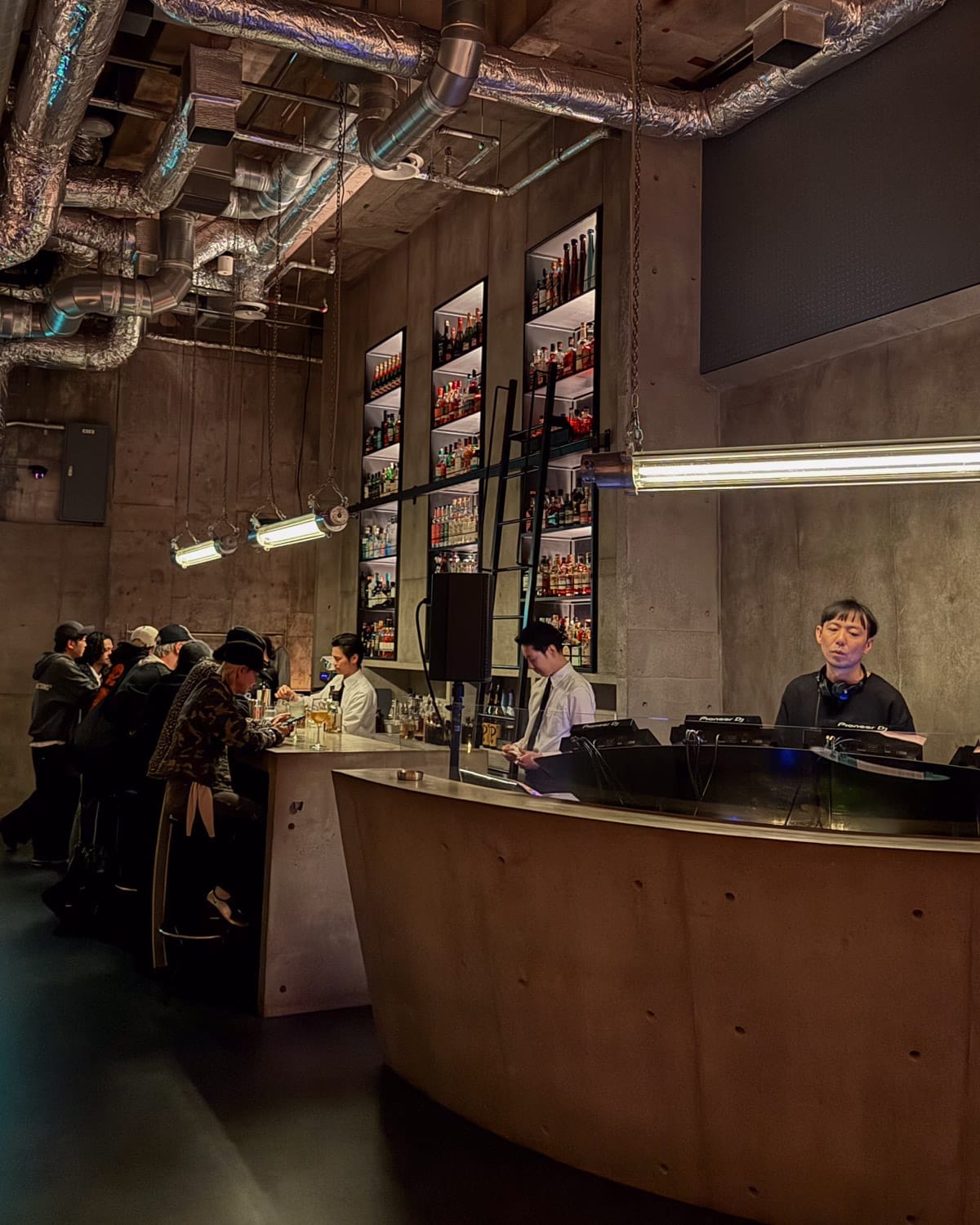
Our favourite bar for the music. The industrial space was filled with one of the coolest crowds we found in Osaka, with stylish locals dressed in streetwear.
The DJ had us Shazamming tracks all night through an incredible sound system.
🌙 Bar Nayuta
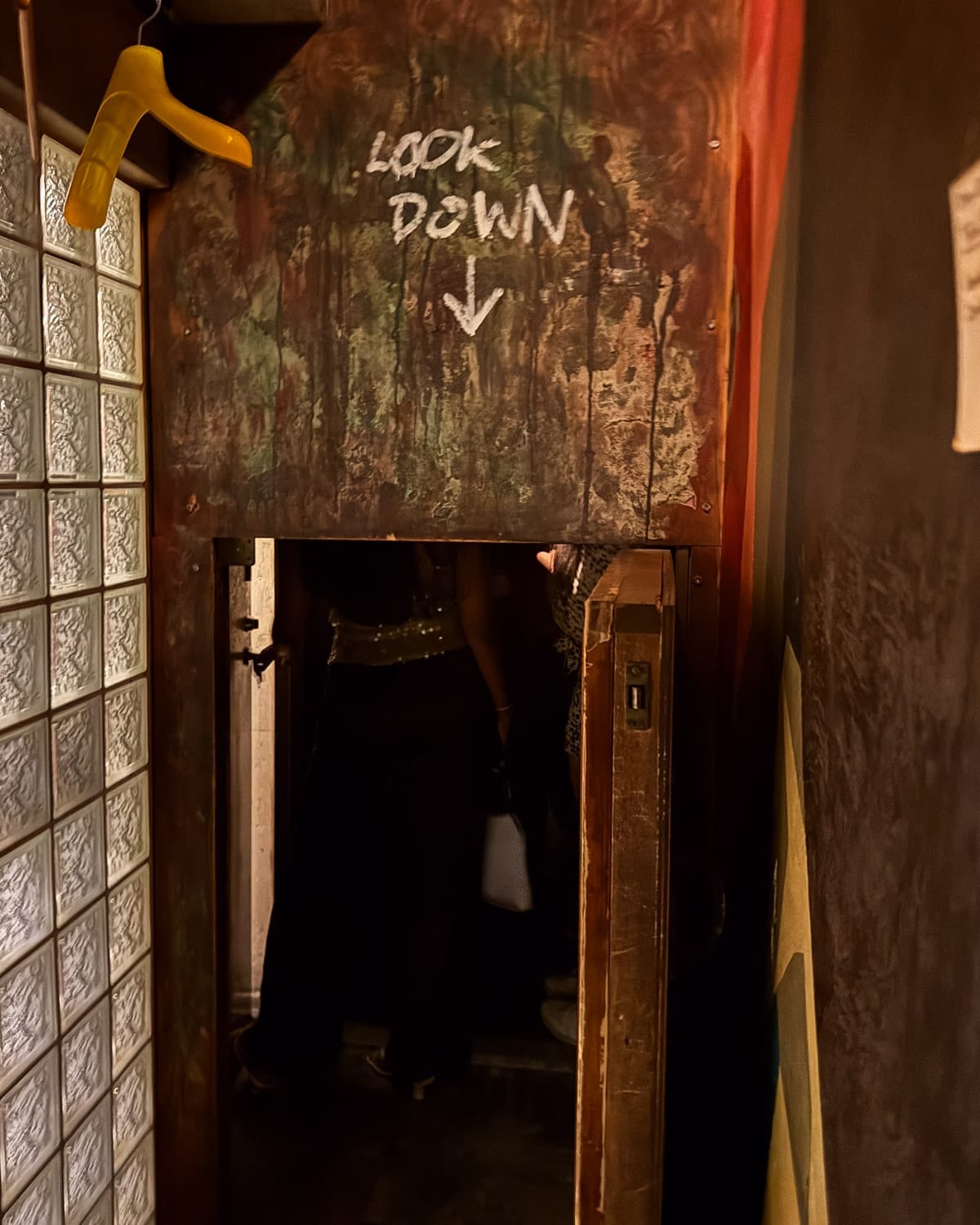
Finding it is half the fun. Duck through a tiny doorway and you'll find yourself in a dark, intimate bar with an arched counter and seating for only a handful of guests.
It attracts an international crowd, and there's no menu. Just tell the bartender what you like (strong, refreshing, sweet, sour, etc.), and they'll create something for you.
Best area to stay in Osaka
It sits almost halfway between Dotonbori and Shinsekai, so we loved being able to walk to both neighbourhoods.
Days 12-13: Naoshima Island
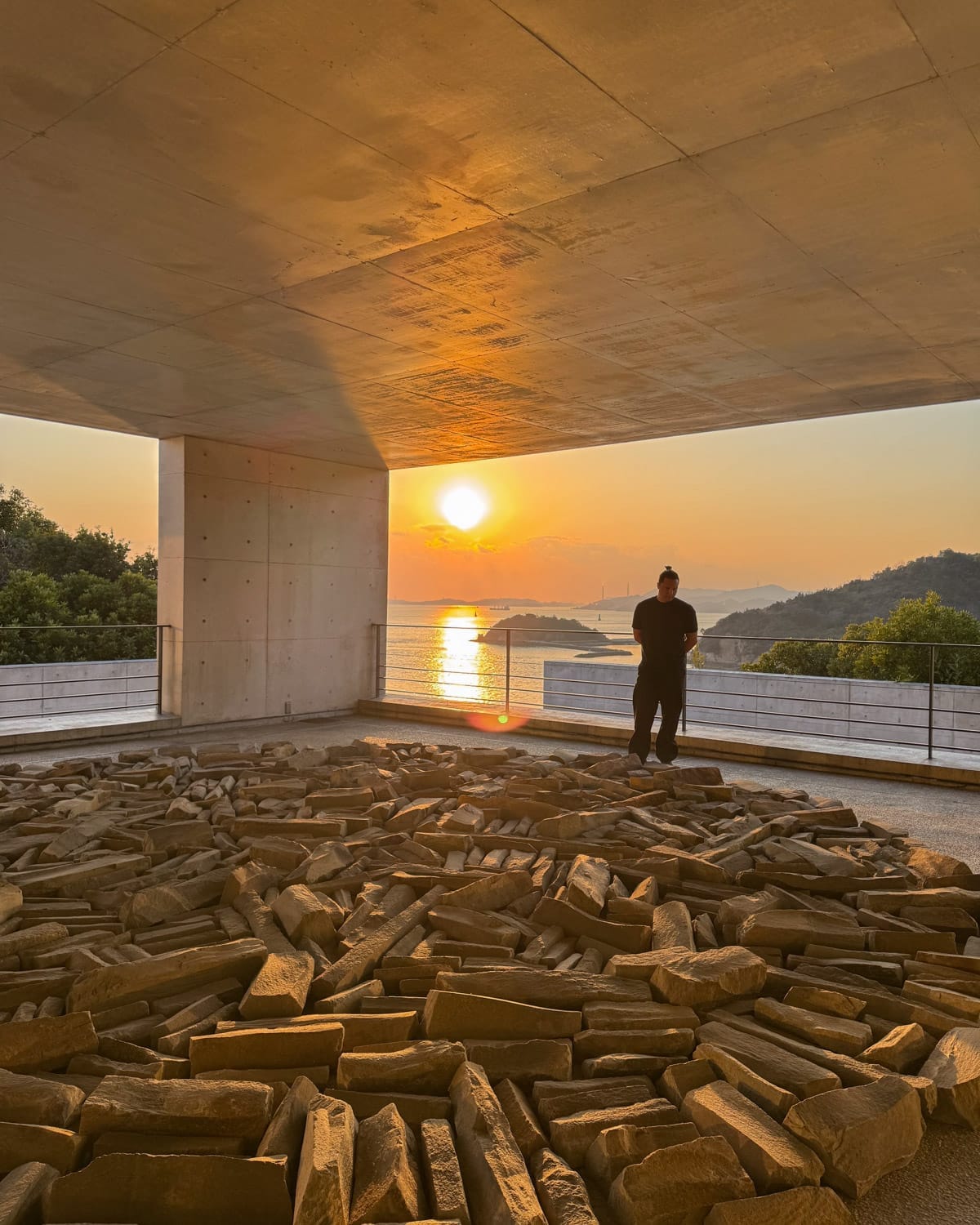
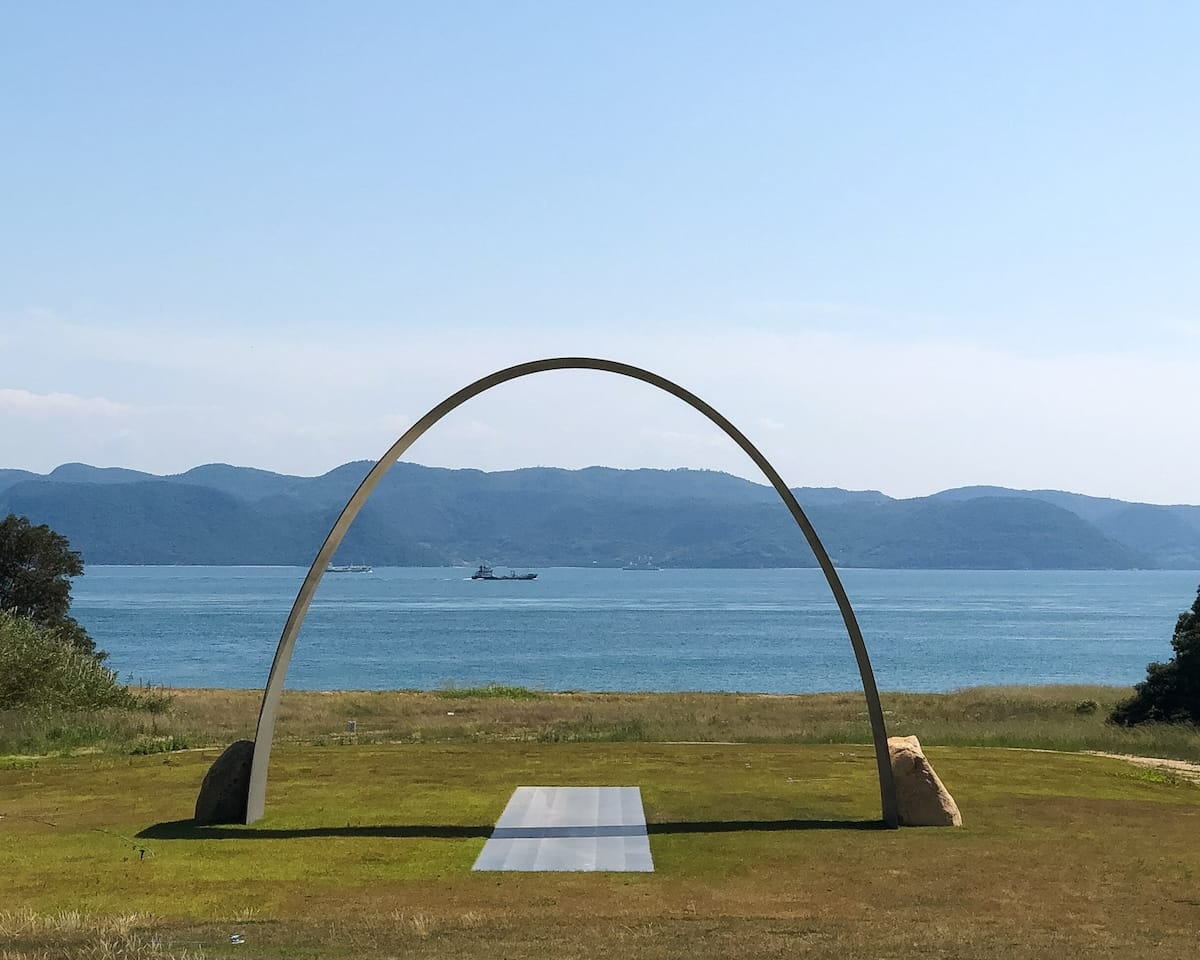
Visiting the art island of Naoshima was one of the highlights of our first trip to Japan.
The contemporary art was unlike anything we had ever seen. We loved it so much that we came back on our second trip.
The island began transforming into an art destination in the late 1980s, when contemporary art and architecture were introduced to help revitalize the local community.
Today, you'll find works by some of the world's biggest contemporary artists, including James Turrell and Yayoi Kusama, alongside museums designed by Tadao Ando, whose minimalist concrete architecture is thoughtfully integrated into the natural landscape.
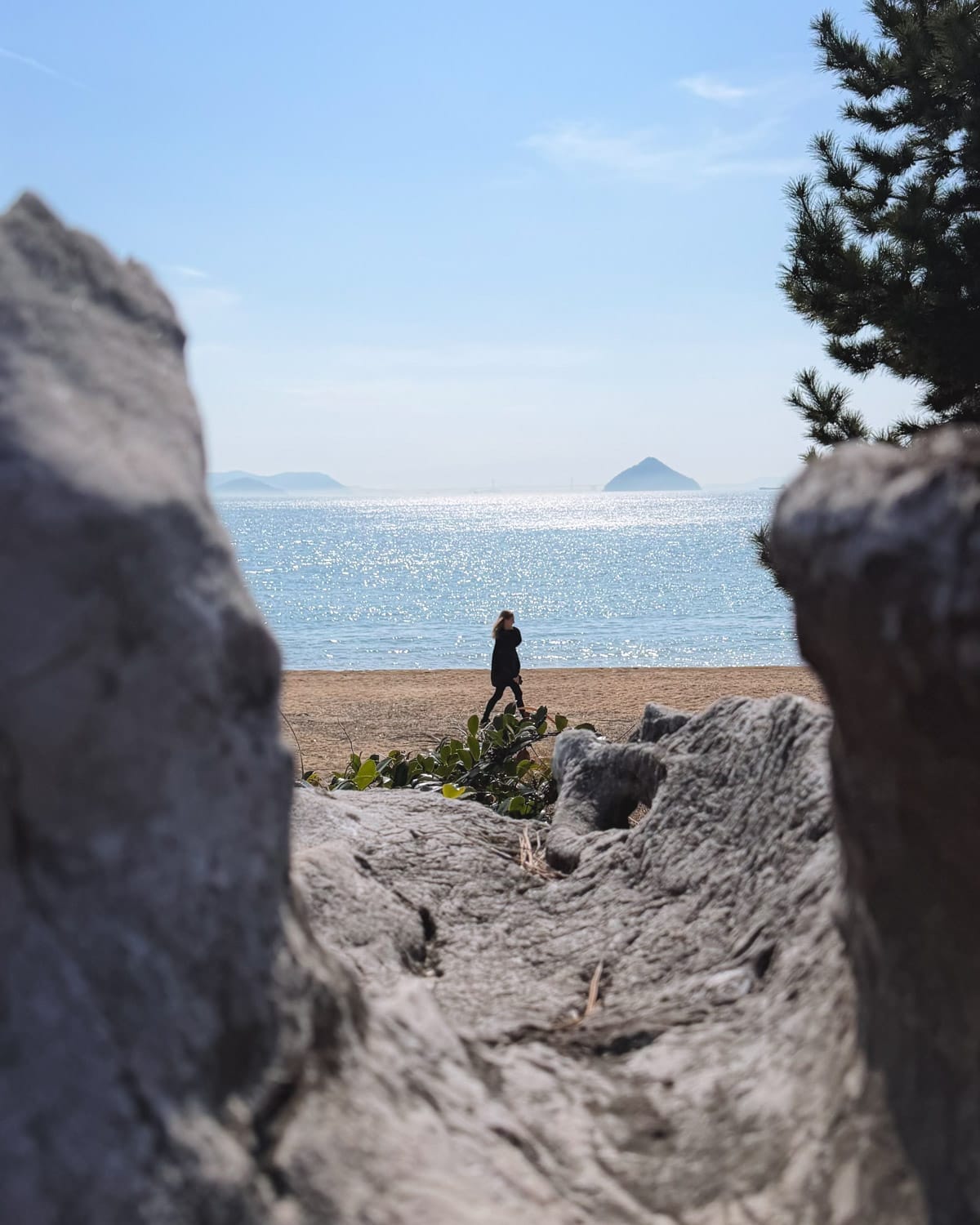
It's definitely worth staying for a couple of nights. Rent an e-bike, explore the galleries, relax at quirky cafes and make time to walk along the beautiful beaches.
Whether you're an art lover or looking to be inspired, you don't want to miss this place.
How to get to Naoshima Island from Osaka
Getting to Naoshima from Osaka may sound like a hassle, but it's actually quite straightforward.
You'll take the shinkansen, transfer to a local train, then hop on a short ferry to the island.
- Take the shinkansen from Shin-Osaka Station to Okayama Station.
- From Okayama, take the JR Uno Line to Uno Station, changing trains at Chayamachi Station. Don't worry, the transfer is easy and usually just involves walking across the platform.
- From Uno Station, it's about a five-minute walk to the ferry terminal. The ferry to Naoshima takes around 20 minutes and runs several times a day. Just check the schedule beforehand. There's no need to book in advance, you just buy your ticket at the port.
✔️ Top Tip: We found it easiest to visit a JR ticket office and have them book our train tickets all the way from Osaka to Uno Station. You can also get them to book your journey back to Osaka.
Best Things to Do on Naoshima Island
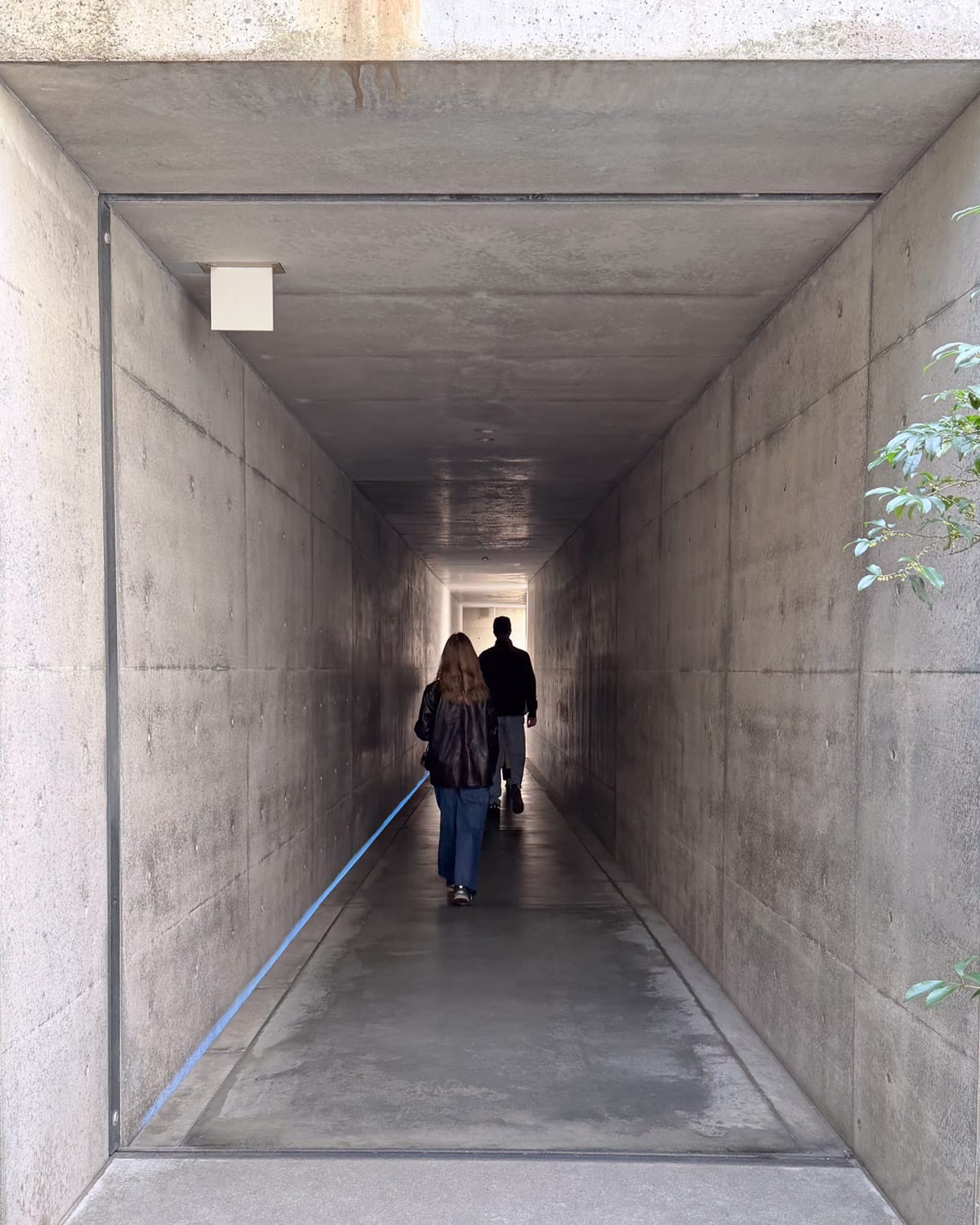
Experience the Chichu Art Museum
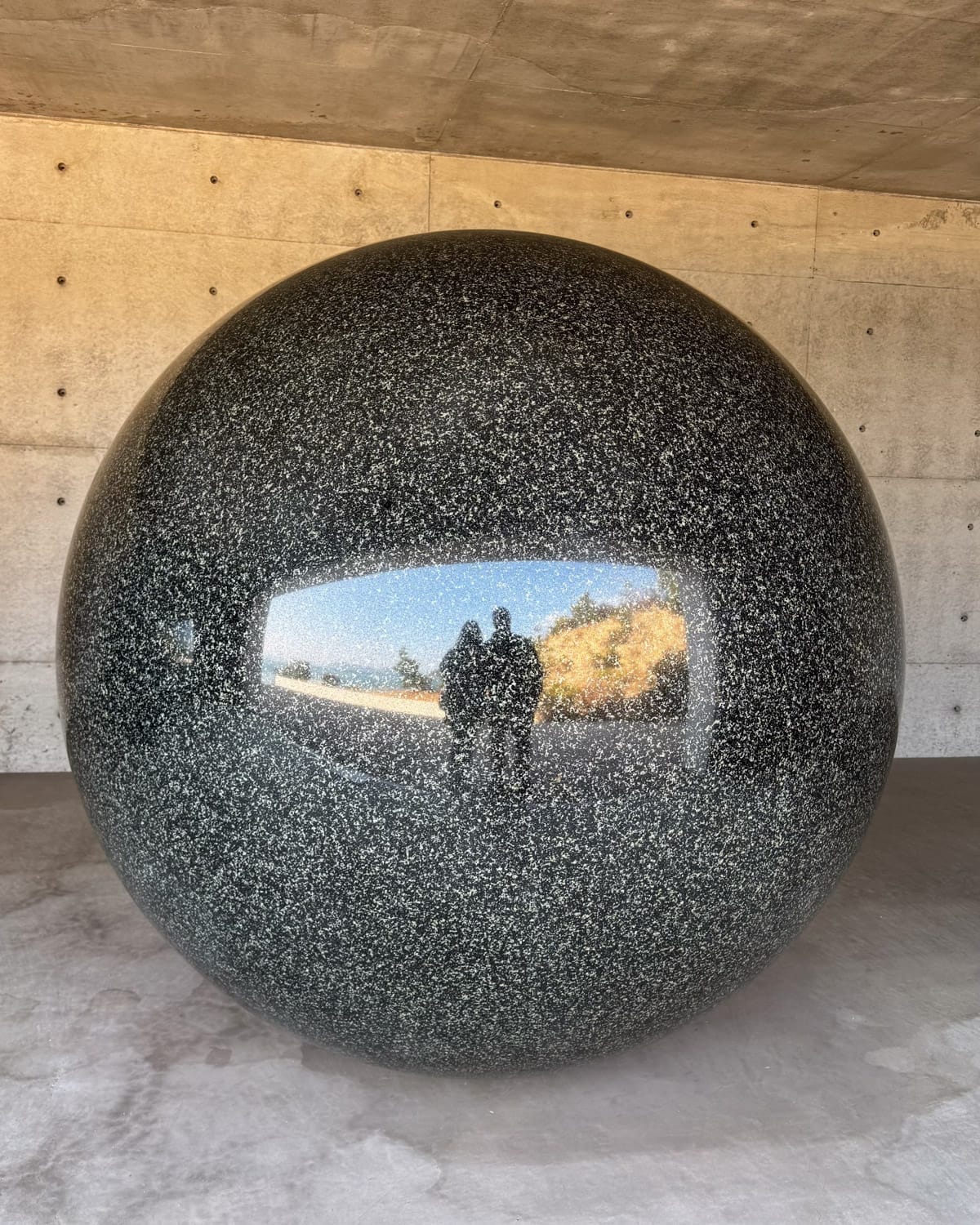
Walk through a wall of colour, see the sky as a painting and feel the power of a giant spherical monolith. This is by far the most breathtaking contemporary art museum we've ever visited.
The museum showcases permanent installations by James Turrell, Walter De Maria and Claude Monet inside a building designed by award-winning architect Tadao Ando.
Built mostly underground, the museum uses only natural light, changing the look and feel of the artwork throughout the day. There are no photos allowed inside, which only adds to the experience.
✔️ Top Tip: Book the very first entry of the day and reserve your tickets online well in advance, as it regularly sells out. Some installations have limited capacity, so arriving first means much shorter waits.
Visit the Benesse House Museum
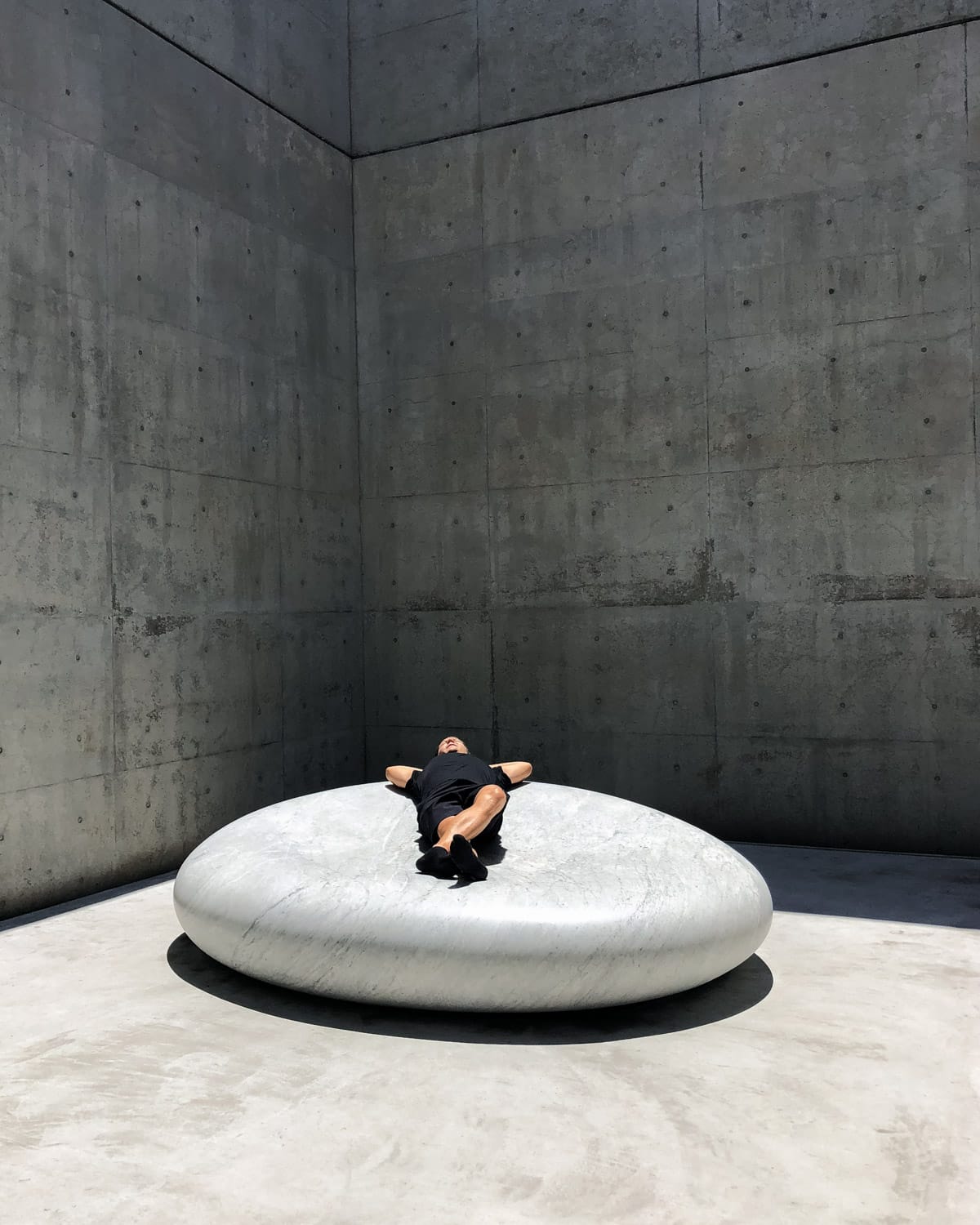
Designed by Tadao Ando, Benesse House overlooks the blue Seto Inland Sea.
You'll find contemporary installations, sculptures and paintings by Japanese and international artists throughout the galleries and grounds.
Explore the Art House Project
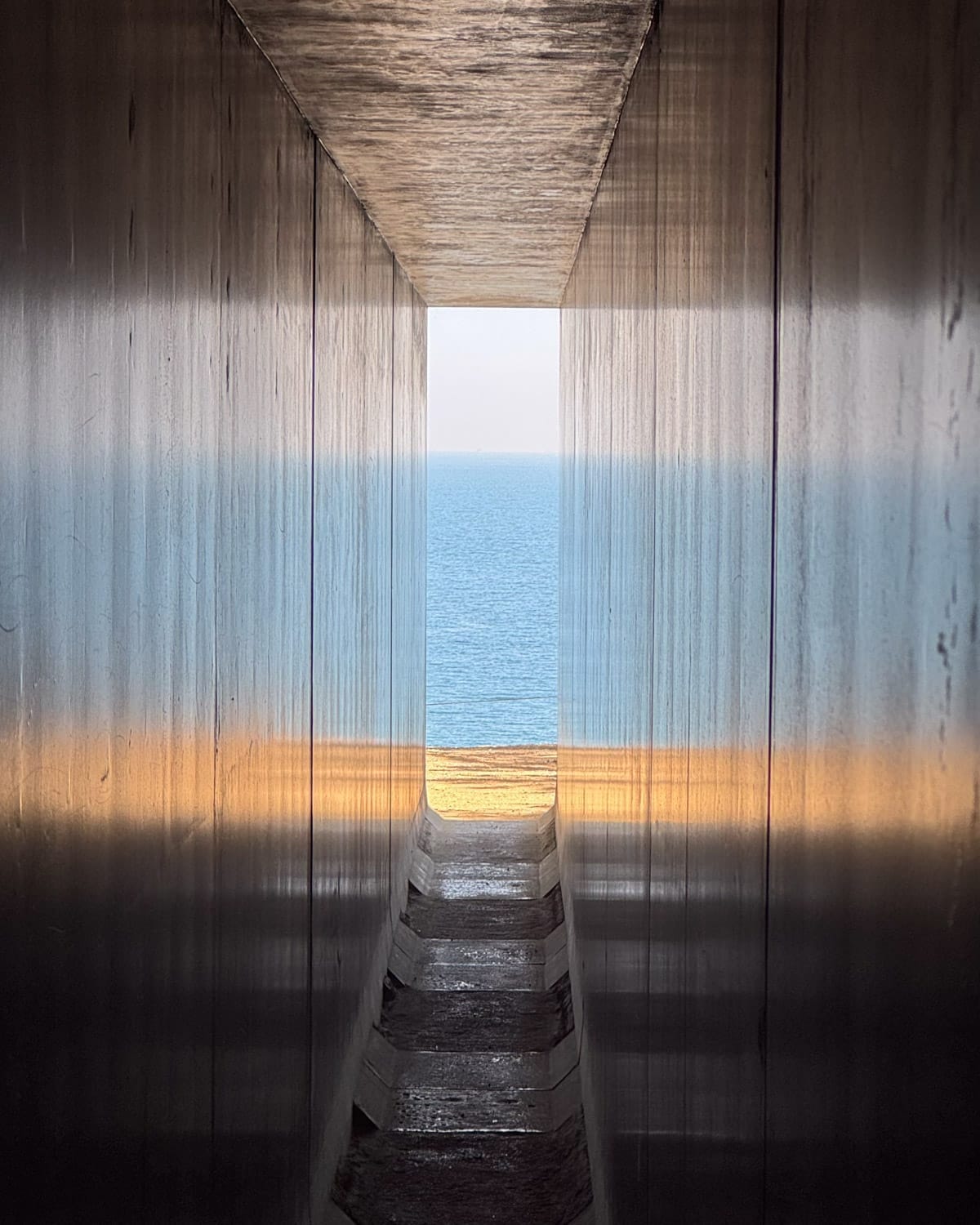
Located in Honmura Village, the Art House Project transforms traditional Japanese homes into contemporary art installations, with each artist incorporating the history and character of the house into an art piece.
✔️ Top Tip: Buy the day pass so you can wander through the village and pop into each house as you explore.
Minamidera and Kinza require separate timed reservations, so don't forget to book those in advance.
If you don't have time to visit them all, here's how we'd rank them:
- Minamidera (don't miss this incredible James Turrell experience in complete darkness)
- Go'o Shrine (make sure you walk through the underground tunnel beneath the shrine)
- Ishibashi
- Haisha
- Kadoya
- Gokaisho
Note: Kinza was closed during our visit, so we weren't able to rank it.
See the Hiroshi Sugimoto Gallery: Time Corridors
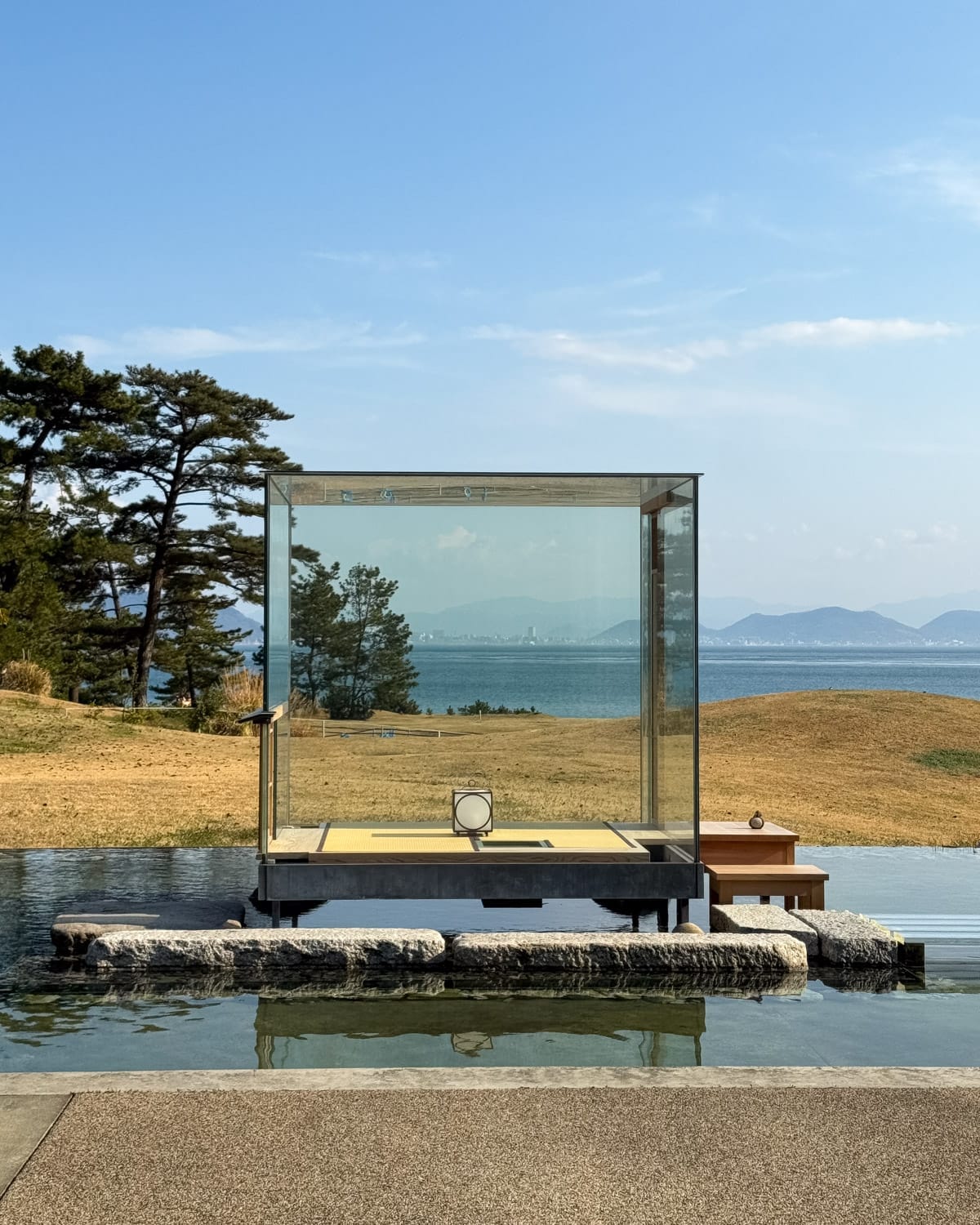
This peaceful gallery showcases the work of renowned photographer Hiroshi Sugimoto inside another beautiful Tadao Ando building overlooking the Seto Inland Sea.
Check out the Naoshima New Museum of Art
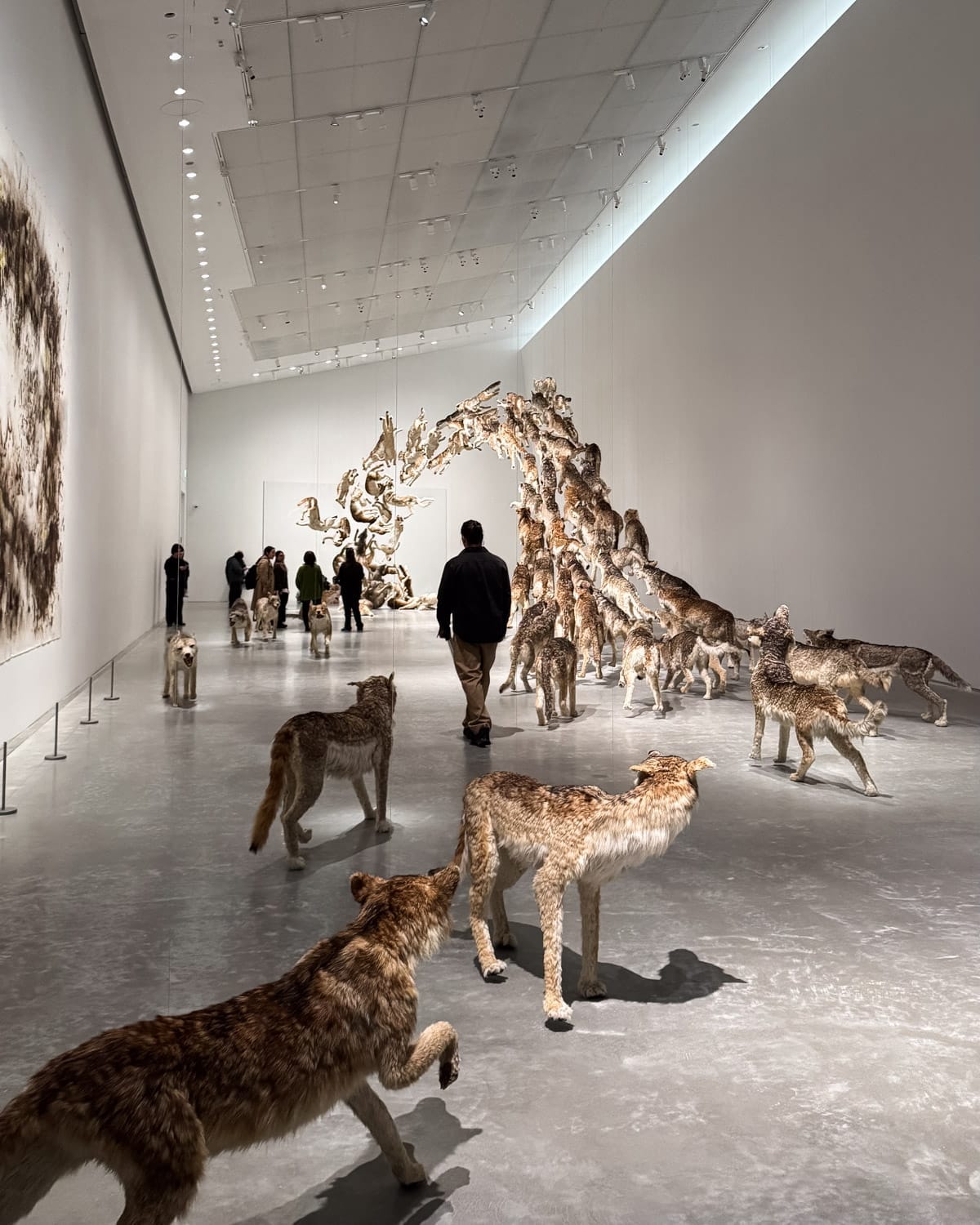
Naoshima's newest museum shines a spotlight on contemporary Asian artists.
You'll find works by internationally renowned artists such as Takashi Murakami, Cai Guo-Qiang and Do Ho Suh, all inside another striking building designed by Tadao Ando.
Walk through the Valley Gallery
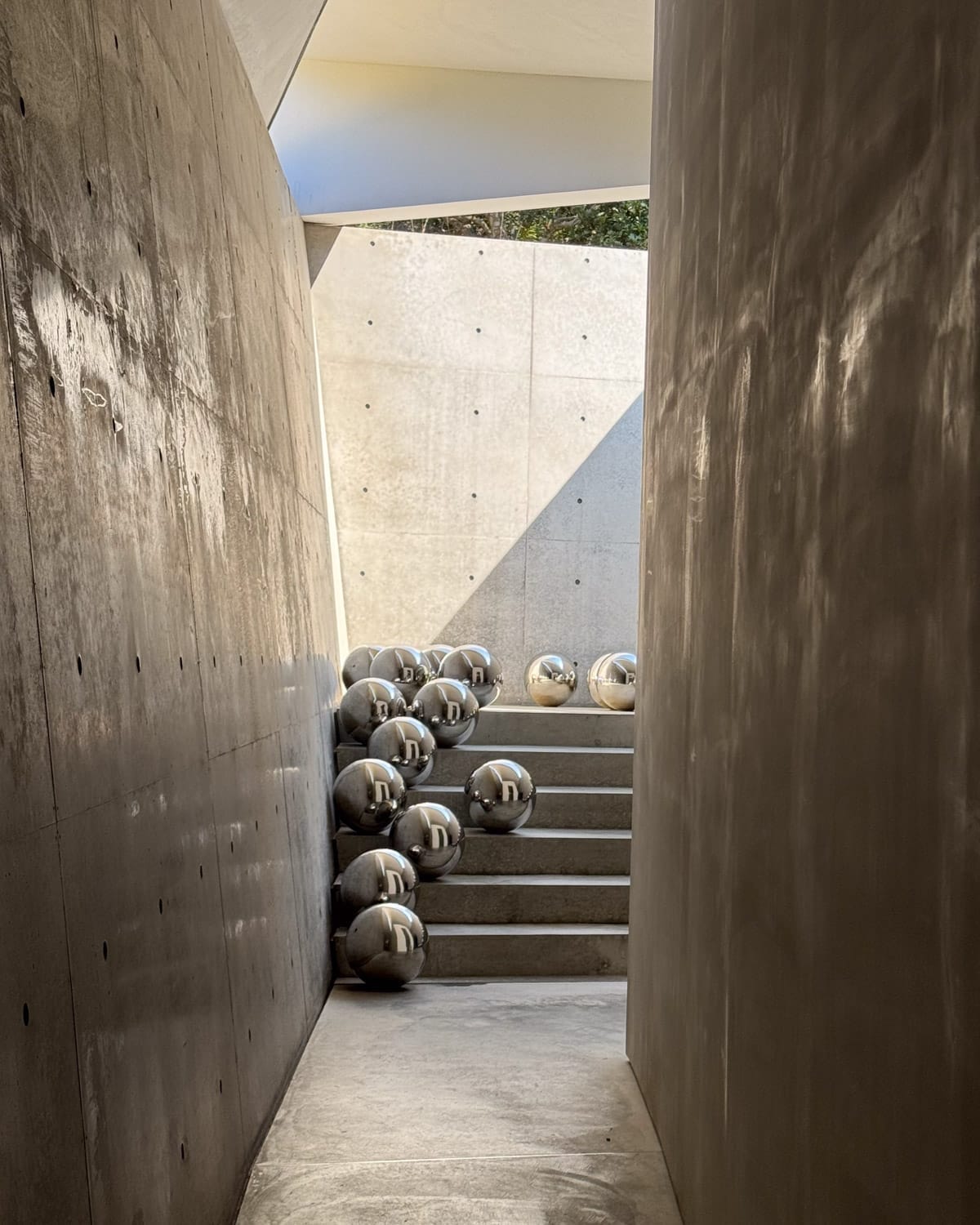
The outdoor space is home to Yayoi Kusama's famous Narcissus Garden, where hundreds of mirrored spheres reflect the surrounding landscape.
Don't skip the museum gift shops
These aren't your ordinary gift shops. Here you'll find contemporary pieces made by Japanese artists and artisans.
We came home with a sculptural bottle opener, handcrafted wooden sake cups, colourful woven coasters, and a Yayoi Kusama pumpkin keychain.
Our favourites were the gift shops at Hiroshi Sugimoto Gallery, Honmura Lounge & Archive and Benesse House Museum.
Stop for lunch in Honmura village
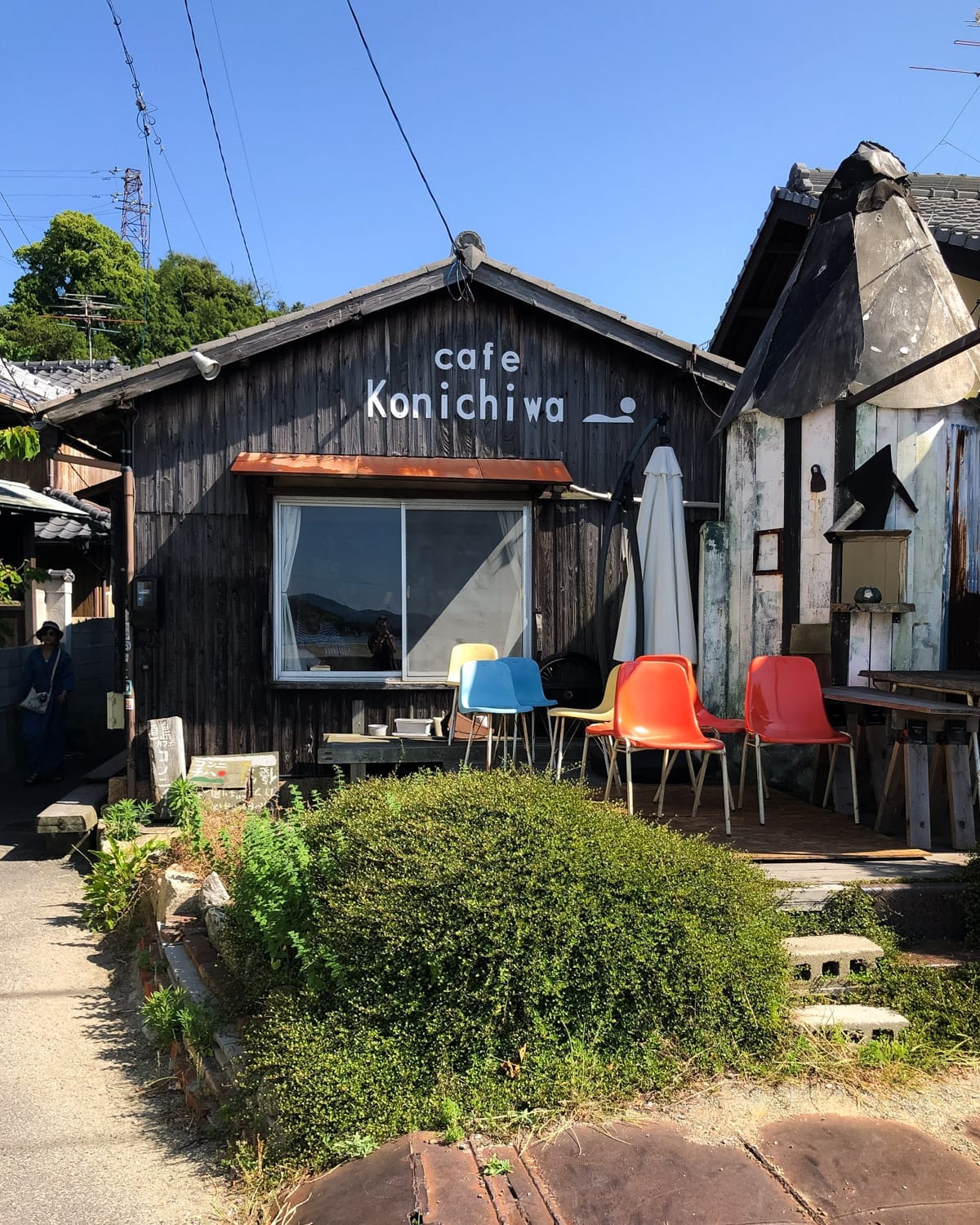
Honmura Village is the place to rest between gallery visits, with plenty of cafes and local restaurants to choose from.
For breakfast, don't miss 住恵2 (Sumie 2). One of the sweetest Japanese ladies cooked us a homemade breakfast, and we enjoyed coffee overlooking the harbour.
For lunch, we loved Kon'nichiwa, a renovated traditional home serving delicious food in a relaxed setting.
If you're after something quick, grab an onigiri from Ten to Miu before heading to your next gallery.
You'll also find plenty of quirky cafes around the village, like Francoile.
Explore Naoshima's beaches and outdoor art
Half the fun of Naoshima is exploring the island.
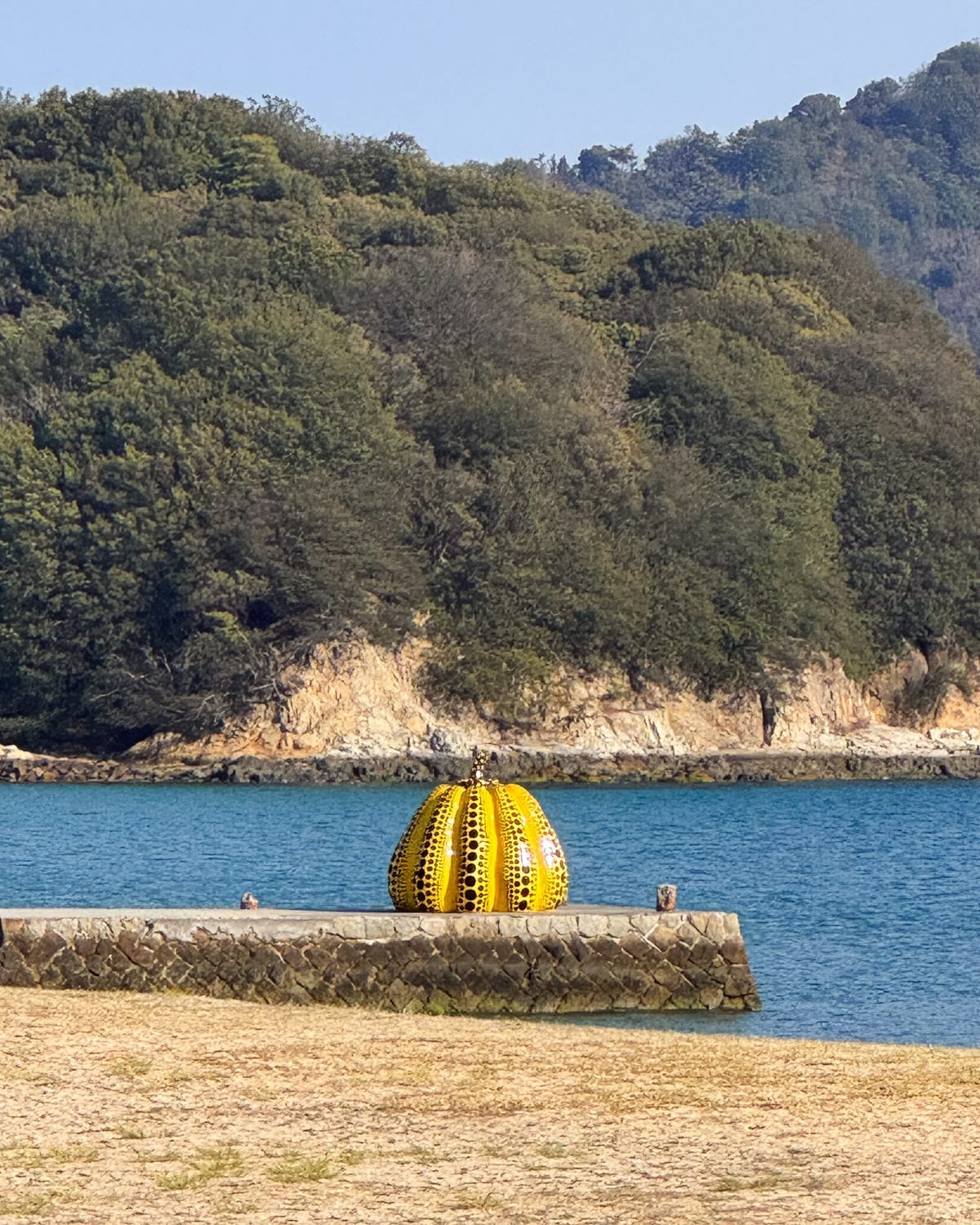
We loved walking along its quiet beaches and discovering sculptures like Yayoi Kusama's iconic Yellow Pumpkin, and stopping whenever something caught our eye.
Where to stay on Naoshima Island
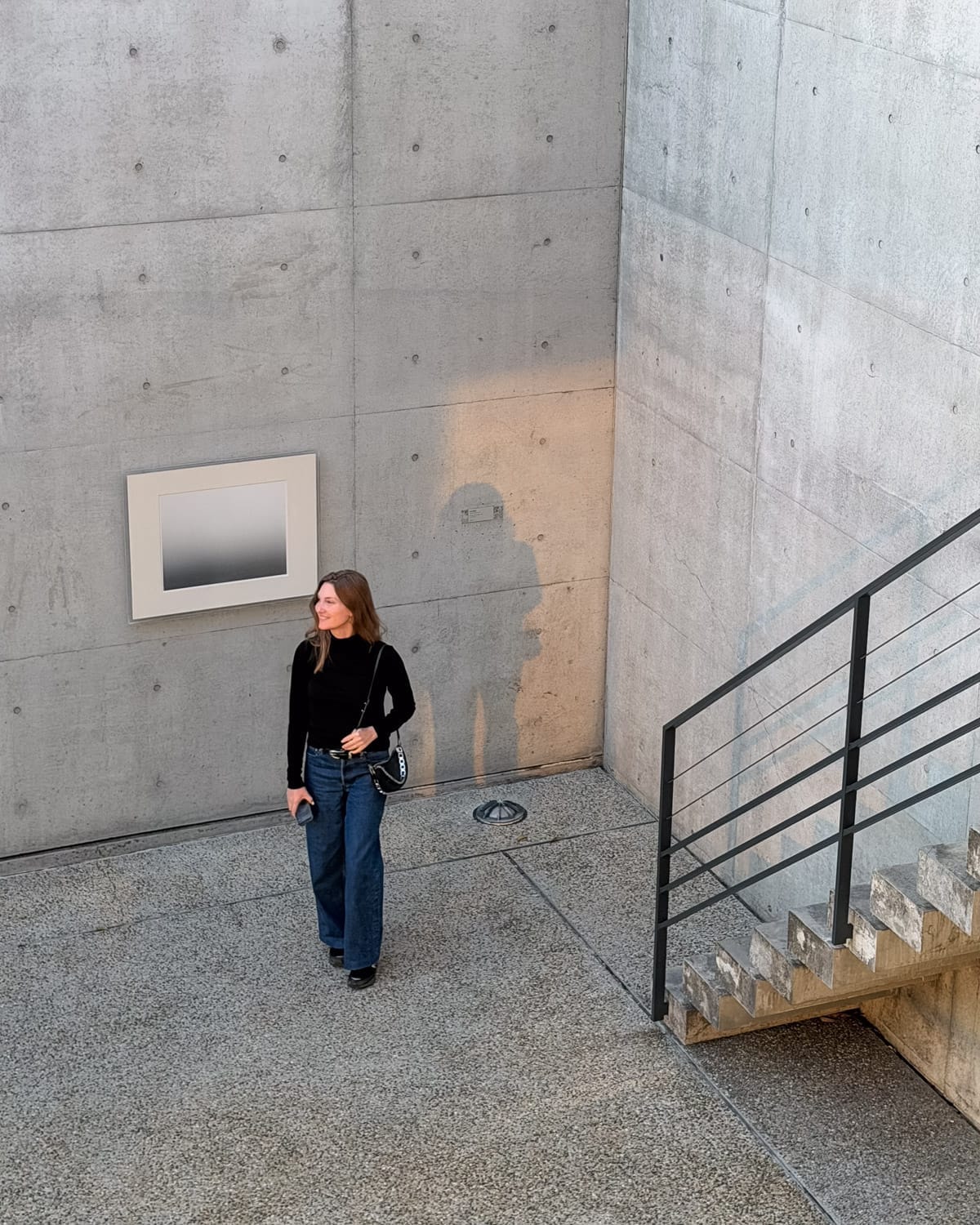
If your budget allows, stay at Benesse House.
One of the biggest reasons we came back to Naoshima on our second trip was to experience staying here.
It has three accommodation buildings: Museum, Beach and Oval. We stayed in the Museum building and absolutely loved it.
Having the galleries right outside our room meant we could pop in whenever we wanted, and our room key also gave us after-hours access to both the Benesse House Museum and the Hiroshi Sugimoto Gallery: Time Corridors.
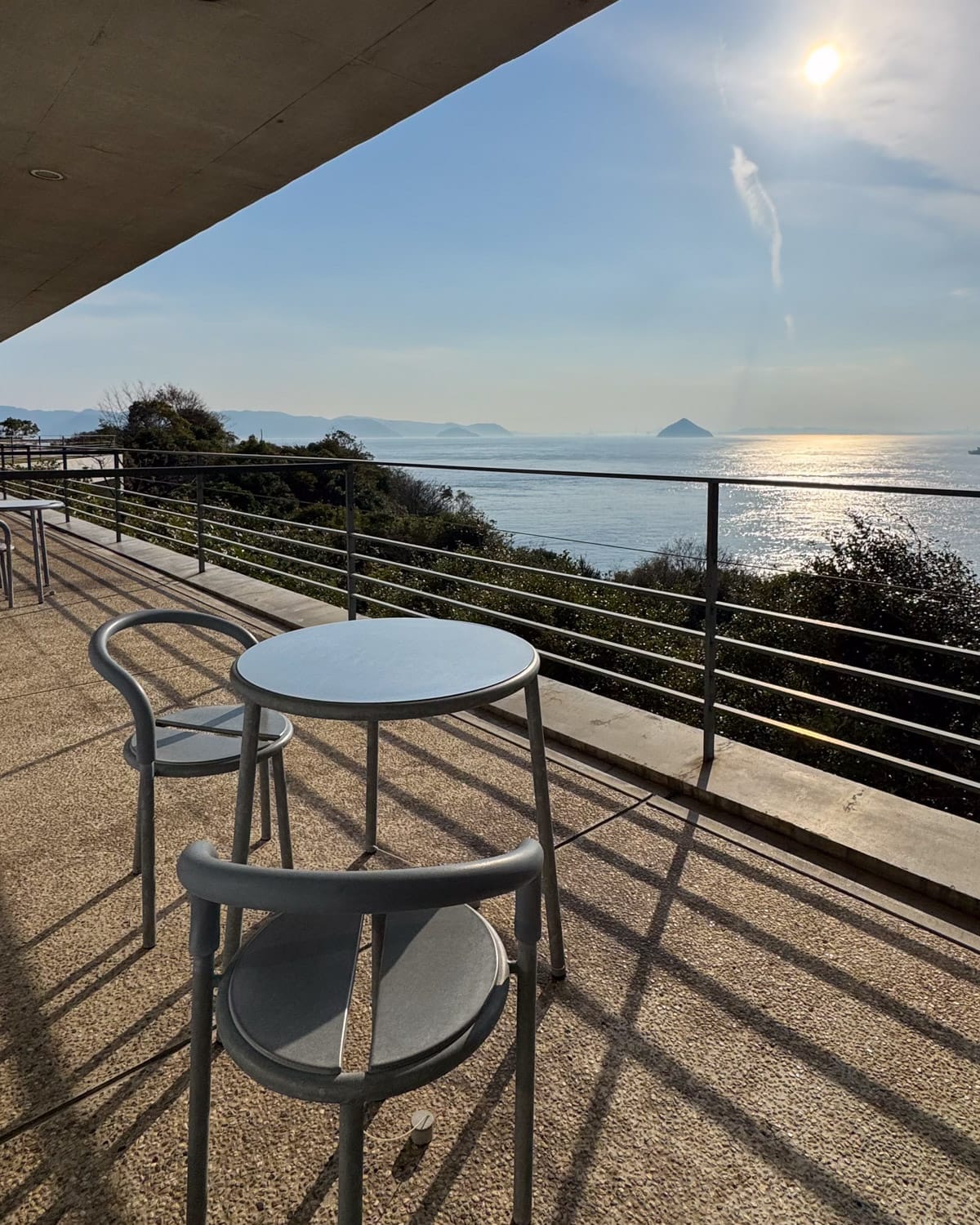
Experiencing the art without the daytime crowds was something really special.
The Oval is the most exclusive of the three buildings. Designed by Tadao Ando, it's hidden within the hillside around a peaceful circular reflecting pool that's open to the sky, making the architecture itself feel like a work of art.
Only guests staying in the Oval can access this space.
If Benesse House is outside your budget, we recommend staying in Honmura village, where you'll find charming guesthouses, cafes and plenty of art within walking distance.Getting around Naoshima Island
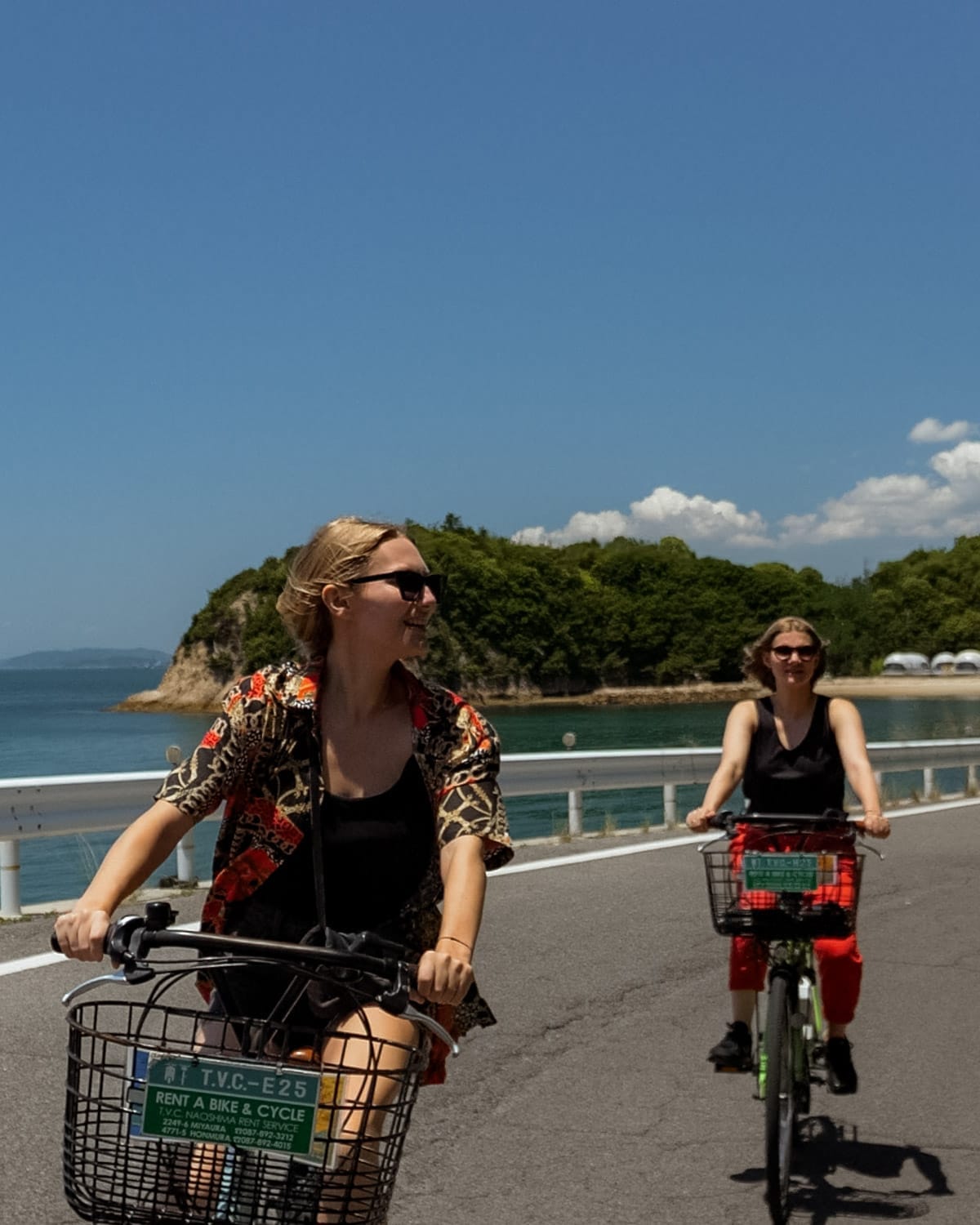
Rent e-bikes. Trust us, you'll want to rent e-bikes instead of regular bikes since there are lots of hills on the island.
We rented our bikes from TVC, which had a handy map attached to the basket of the bike. We loved zipping around the island!
Benesse House also offers a free shuttle bus. It stops at many of the island's main museums and attractions, and is easy to plan your day around.
Day 14: Osaka/Fly out
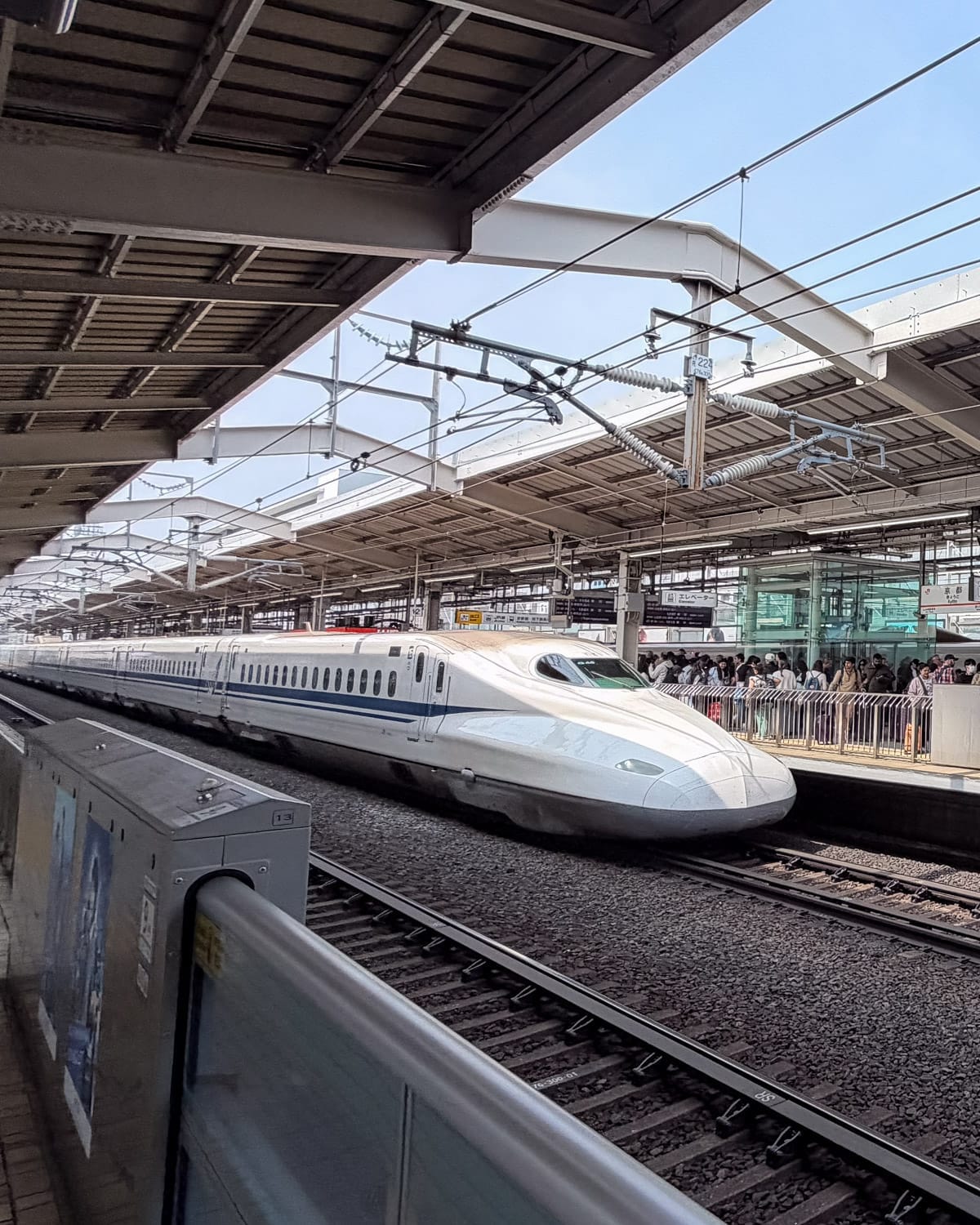
Use your last day to make your way back to Osaka and fly home from there.
It will save you the long journey back to Tokyo, and Osaka's international airport has plenty of connections.
Enjoy your 2 weeks in Japan!
Have more time? Add 4 Days in Kyoto to your itinerary or 3 Days in Kanazawa.
Get started on planning your trip to Japan
- 🌃 Book your accommodation: in Tokyo, Hakone, Osaka, and Naoshima
- 🎡 Browse activities: through GetYourGuide. Most experiences offer free cancellation up to 24 hours in advance.
- 🛫 Book your flight: use Skyscanner to compare flights across different airlines (we recommend booking direct with the airline however).
Don't forget about travel insurance
👩⚕️ For affordable travel insurance: go with SafetyWing - it's budget-friendly and you can even buy it while abroad, but note the max medical coverage is $250,000 USD. 🏥 For comprehensive travel insurance: go with World Nomads - it's more expensive, but the max emergency medical coverage is $5-10 million, depending on the plan.Save and pin this two week Japan itinerary for later:
Looking for more travel inspiration? Check out our list of Dreamy Relaxation Travel Ideas and list of Unique Cultural Experiences to inspire your next trip.
Love food? Don't miss our list of Unique Culinary Experiences Around the World.