
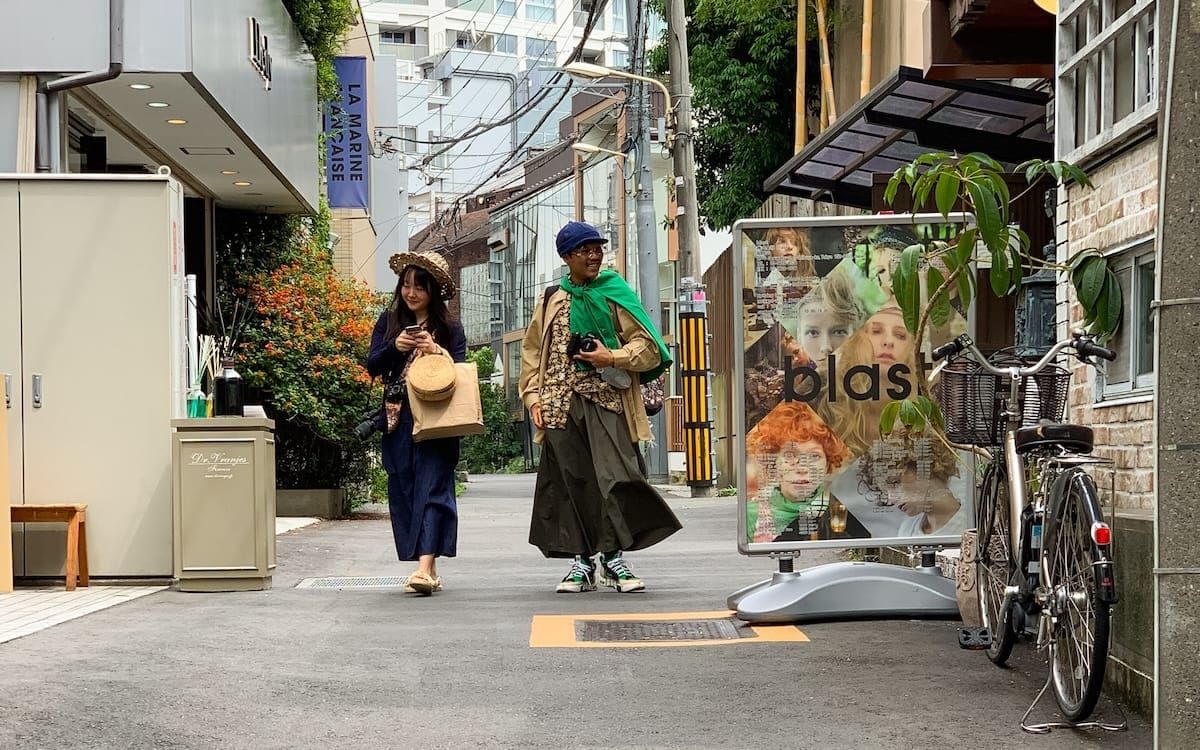
After spending nearly two months in Tokyo across two trips, including a six-week stay while Ari trained as a sushi chef, we had the chance to go beyond the usual tourist trail.
Spending that much time there let us discover deeper layers of Tokyo.
Tiny neighbourhood sushi counters, hidden jazz kissas, vintage shops, creative neighbourhoods, local hangouts, and some incredible meals we never would have found on a short visit.
If you're looking to go beyond the typical sightseeing checklist, these are our favourite alternative things to do in Tokyo.
Disclosure: Some of the links below are affiliate links, meaning at no additional cost to you, we will earn a commission if you click through and make a purchase. We only recommend products or services we have used or that we believe will add value to our readers. Thank you for supporting us!
31 Unique Things to Do in Tokyo
1. Explore Daikanyama and its indie boutiques
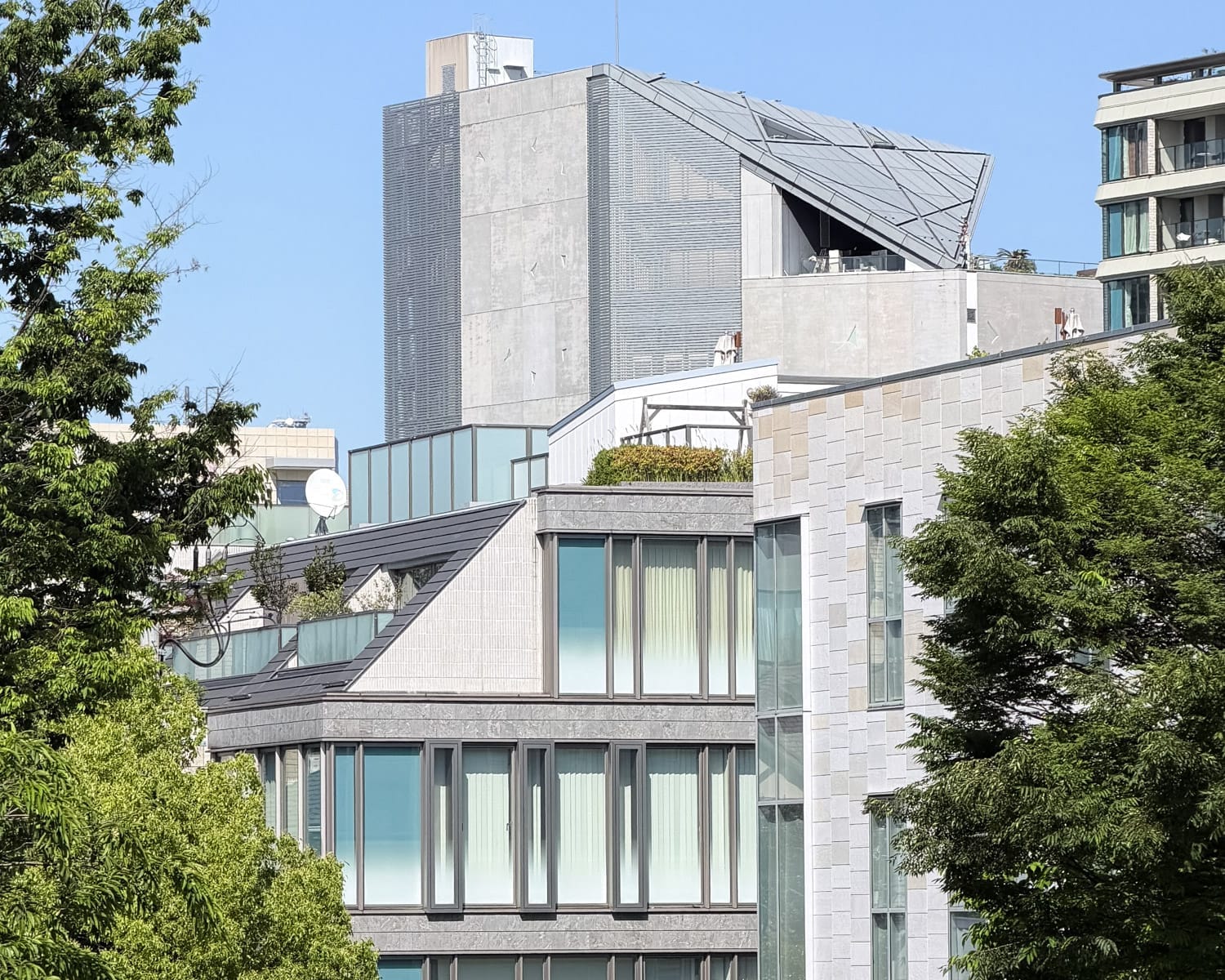
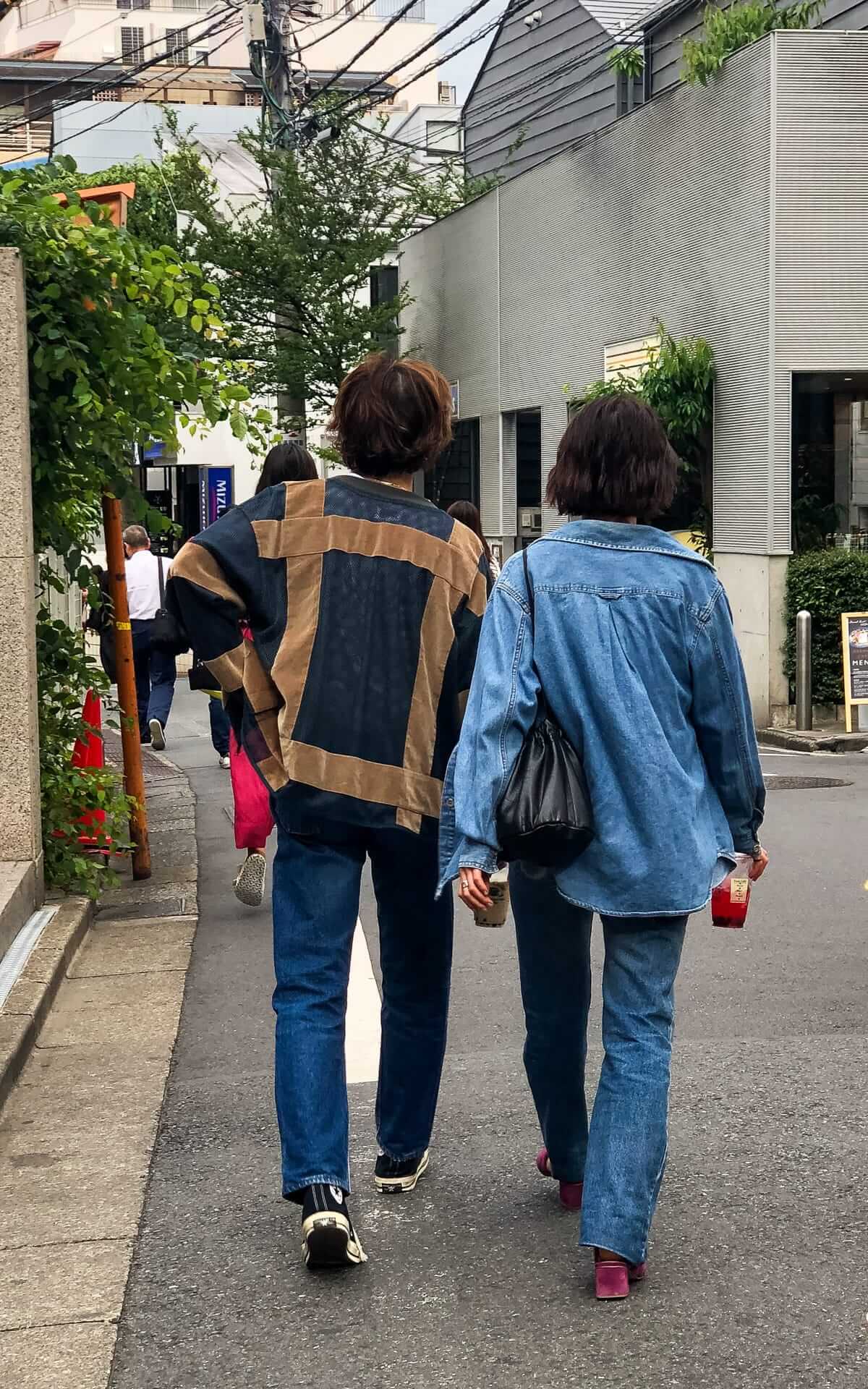
Stylish Daikanyama neighbourhood with plenty of independent shops
Daikanyama is one of our favourite neighbourhoods in Tokyo. It's stylish and design-focused, and far less chaotic than central Shibuya.
The shopping is excellent, and you'll be sharing the streets with locals rather than a ton of tourists.
Spend a few hours wandering the side streets, which are packed with independent boutiques, vintage shops, and cafes.
These are our favourite shops in Daikanyama:
👢 Best for women's vintage clothing: Carboots, The Brisk Vintage, vinivini, and viniviniluxe.
These were our favourite vintage stores in the neighbourhood, with a mix of designer labels and European pieces.
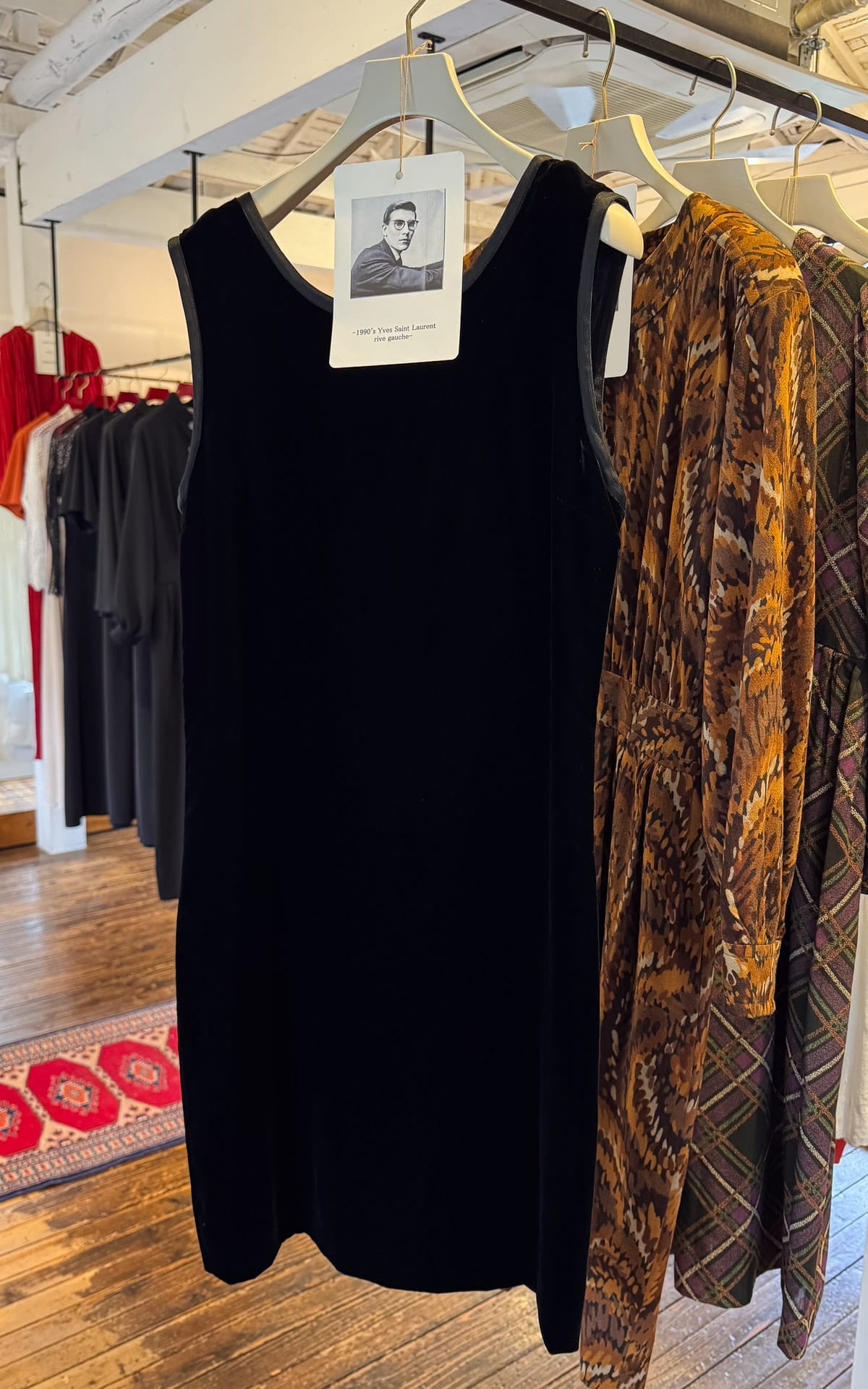
👗 Best for vintage couture and occasionwear: The Vintage Dress
If you're looking for a statement piece, this beautifully curated boutique specializes in vintage designer dresses and formalwear. Each dress is displayed almost like a gallery piece, with tags showing the designer and decade.
🧢 Best for menswear: Hollywood Ranch Market and Eliminator.
Hollywood Ranch Market is known for its Japanese take on American heritage style, while Eliminator carries minimalist streetwear, sneakers and the coolest metal phone cases.
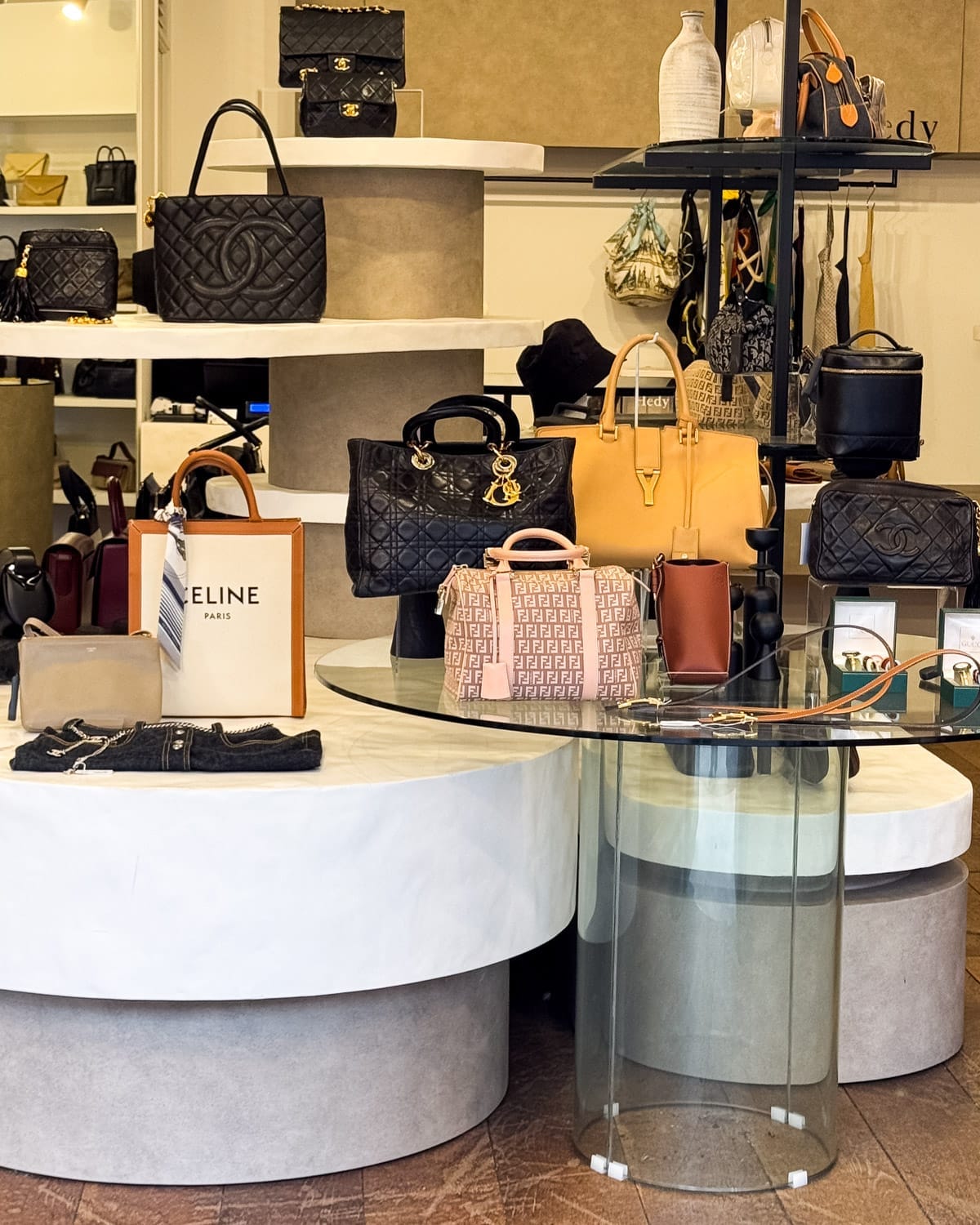
👜 Best for vintage luxury handbags: Hedy Daikanyama.
The best curation of luxury handbags we found in Tokyo. The selection felt more timeless and understated than many of the other designer resale stores we visited.
🍵 Best for homewares and gifts: The Conran Shop
You'll find beautifully designed homewares, ceramics, and design objects from Japanese and Korean artisans. Ari bought a unique metal sake cup from here.
2. Walk along the Meguro River in Aobadai
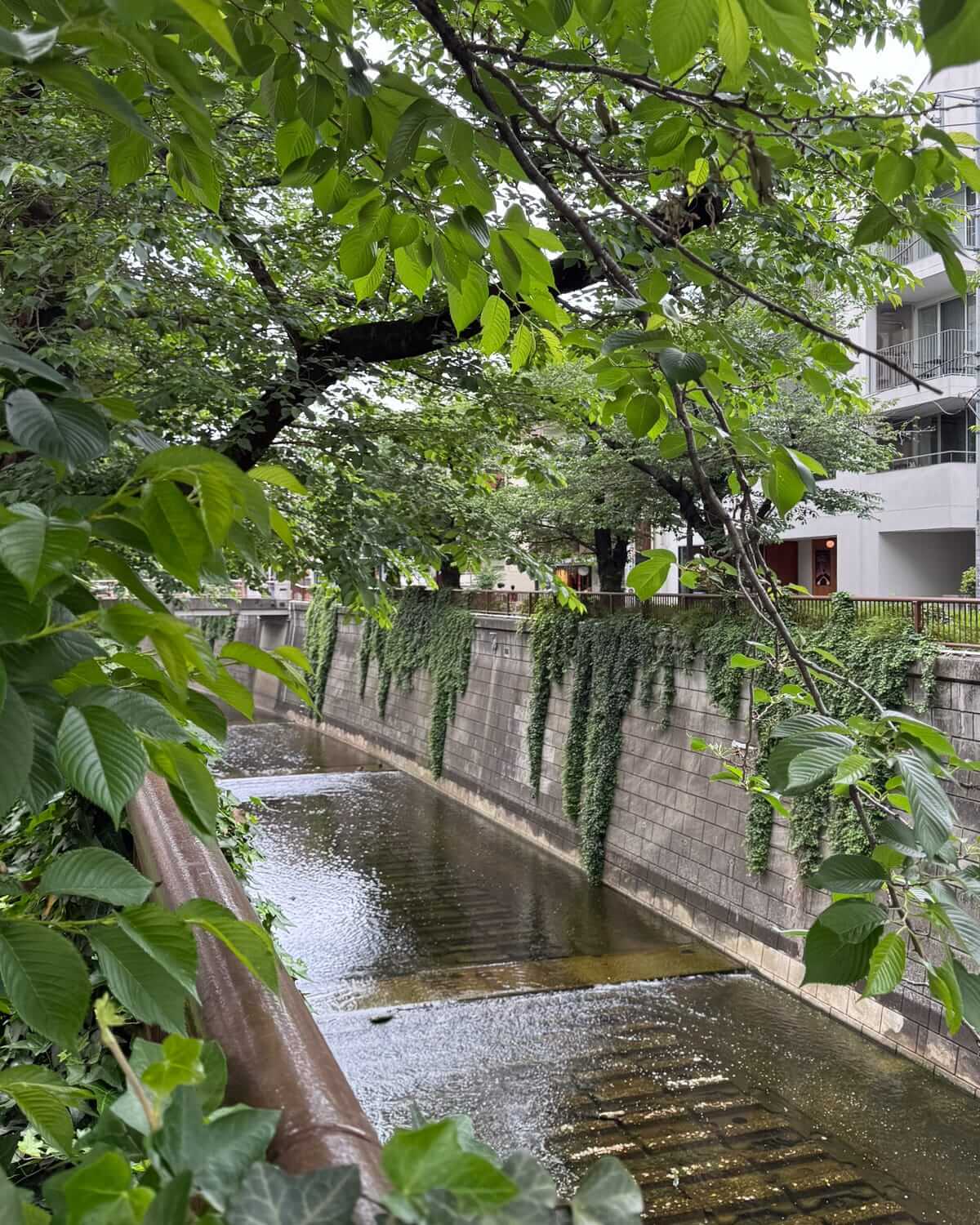
Just next door to Daikanyama, Aobadai is one of our favourite areas to walk in Tokyo.
Don't miss taking a stroll along the pretty stretch of the Meguro River that runs through the neighbourhood.
It's a wealthy area where you'll spot vintage cars and a local art and design crowd.
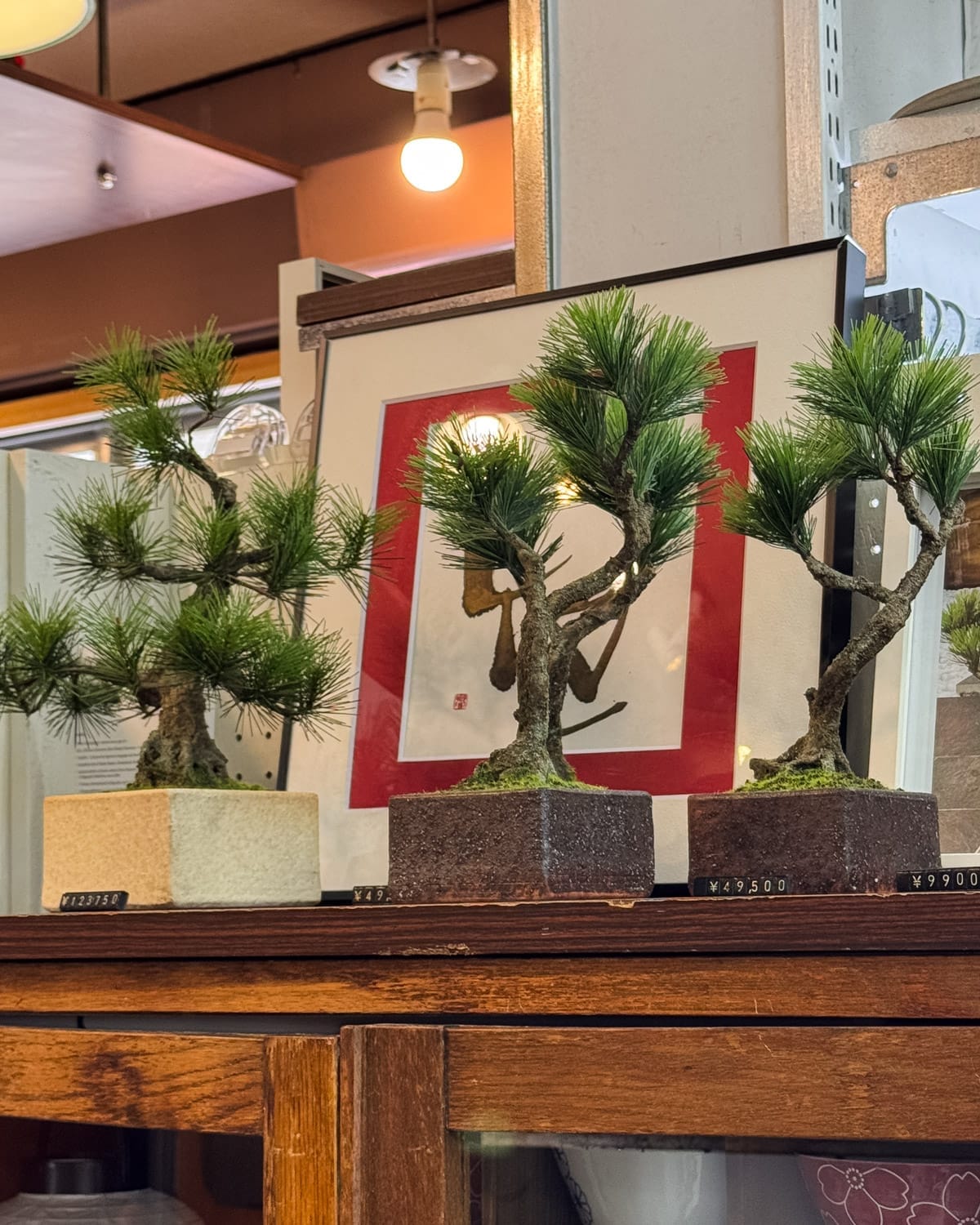
My favourite shop along the river was HOSU ATPD where I picked up a reconstructed multicoloured jacket and a miniature artificial bonsai tree.
3. Be Bob or Charlotte for the night at New York Bar
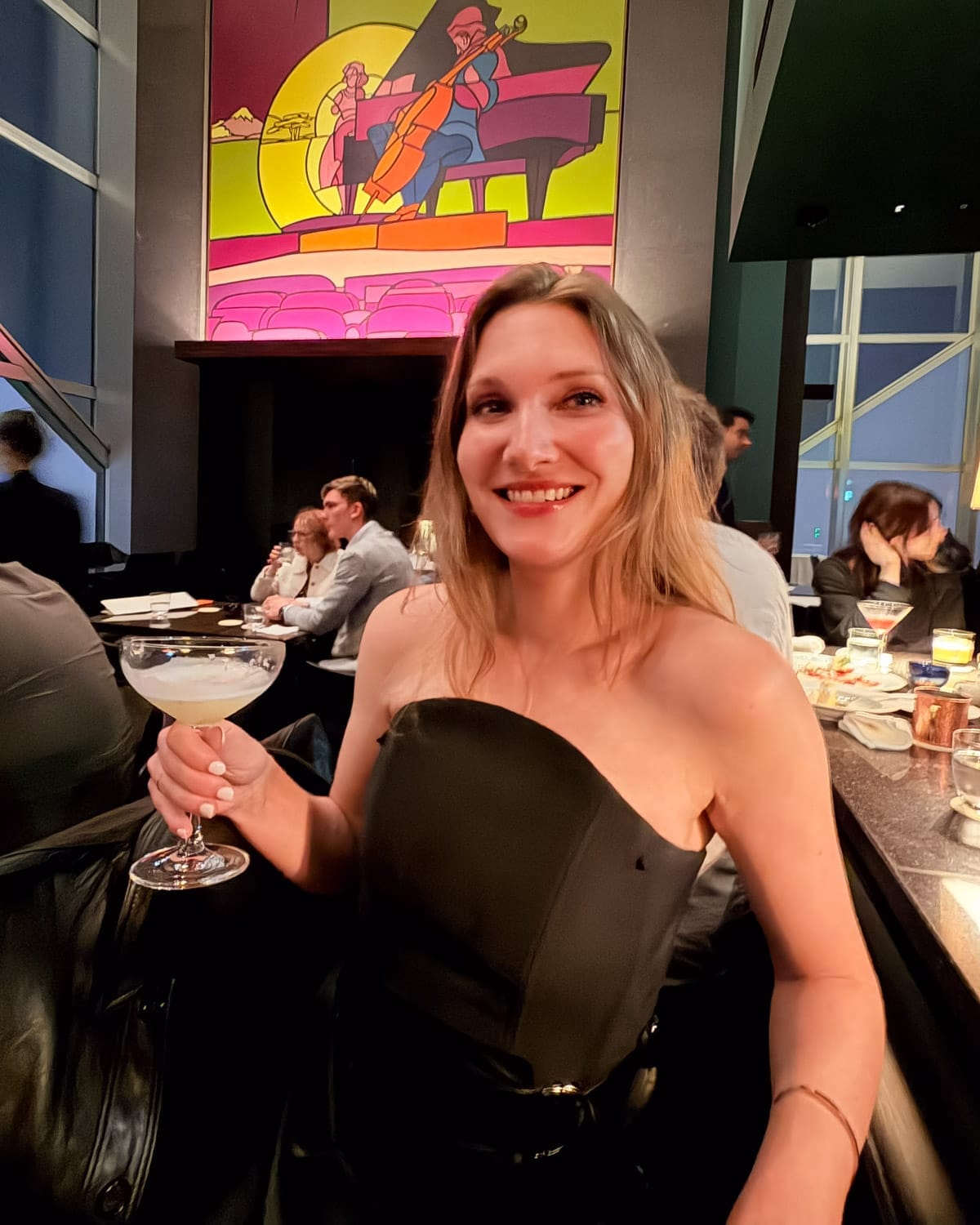
We watched Lost in Translation before our first trip to Tokyo and couldn't resist visiting the iconic New York Bar afterwards.
This is the bar where many of the film's iconic scenes were shot. If you're a fan of the film, this is your chance to be Charlotte or Bob for the night.
Order a cocktail, listen to the live jazz, and take in the city views from the 52nd floor of the Park Hyatt.
✔️ Top Tip: Have dinner at New York Grill before heading to New York Bar. The food is excellent, and we've found they're often able to squeeze restaurant guests into the bar afterwards without having to wait in line. It's worked for us three times.
4. Grab picnic goodies at Mitsukoshi Ginza and enjoy them in the park
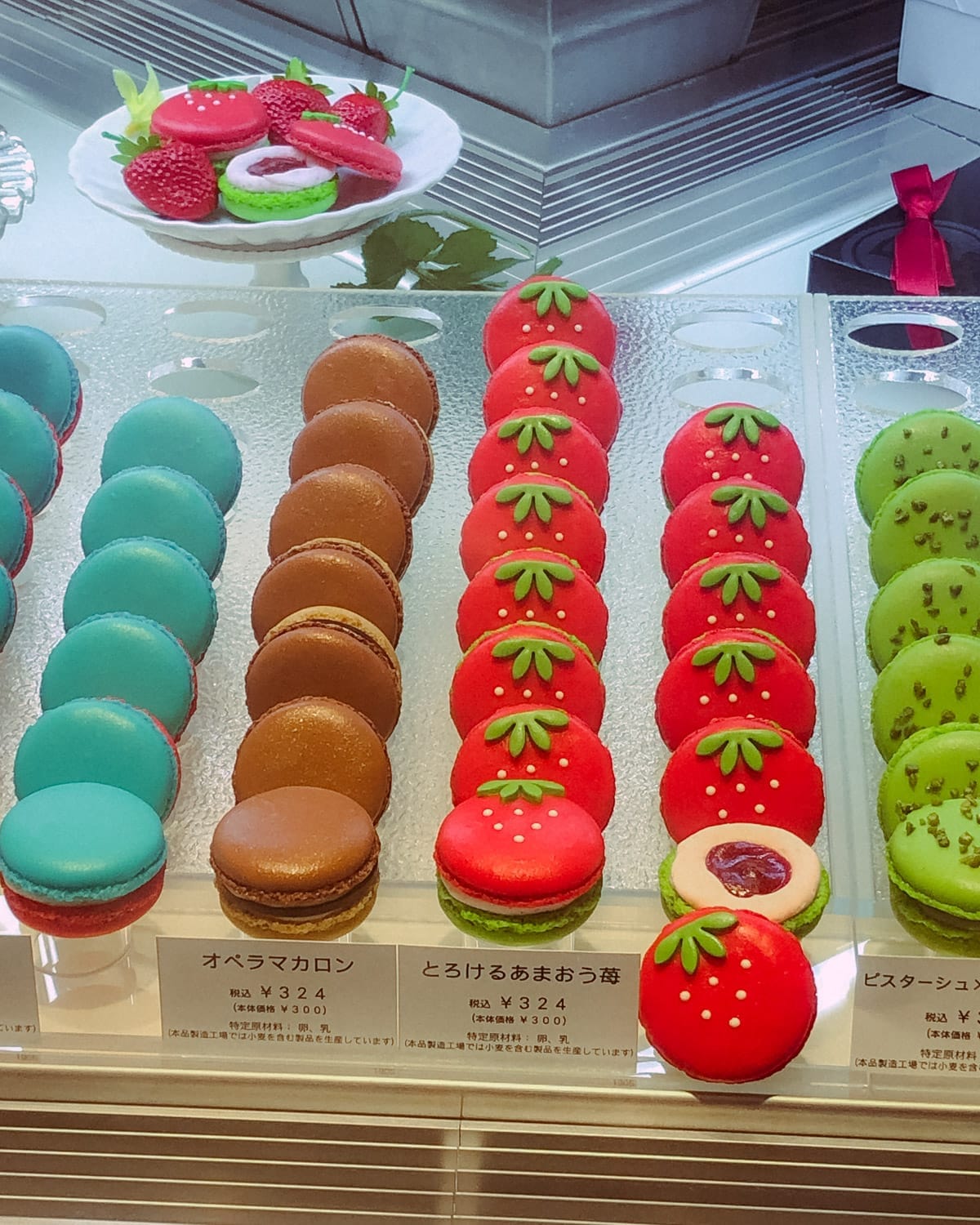
The moment you step off the escalator, you enter a food lover's paradise.
Two basement floors of Mitsukoshi Ginza are packed with food stalls selling everything from beautifully packaged sweets to sushi, tempura, and prepared meals.
It may take a lap or two before you can decide what to buy, but that's part of the fun. Once you're loaded up, head to a nearby park and enjoy the fruits of your labour.
✔️ Top Tip: Try to minimize packaging waste as you shop since public garbage cans are very hard to find in Tokyo. Also, don't miss the lower basement level, where you'll find much of the fresh food.
5. Explore Tokyo's underground capital for vintage shopping
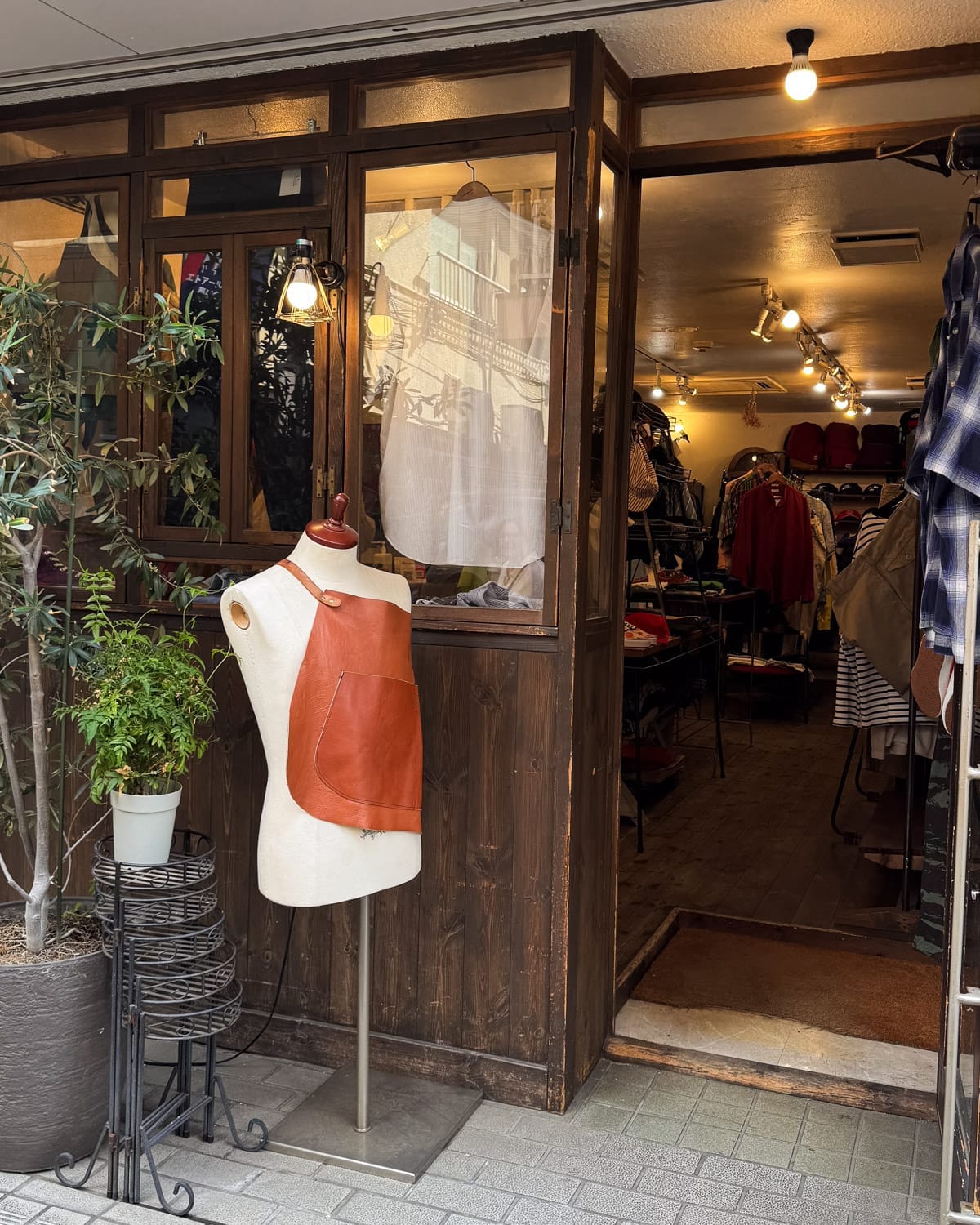
If you love vintage shopping, don't miss Koenji.
Often called Tokyo's underground capital, this neighbourhood is packed with vintage stores, quirky bars, independent cafes, and artist studios.
It may look a little out of the way on a map, but Tokyo's excellent transit system makes it easy to reach, and the prices are hard to beat.
Our favourite shops in Koenji
The menswear scene here is especially impressive. Ari found some of his favourite stores in Tokyo.
👕 Zuccaro had an excellent curation of contemporary, wearable pieces, while Kissmet had the best selection of Japanese designer brands we found at fair prices.
👖 If you're interested in Japanese denim, stop by Momotaro Jeans. Unlike the busy Shibuya location, there was no line at the Koenji store when we visited.
👜 For a large selection of vintage luxury handbags, don't miss Atlantis Vintage Tokyo.
💎 One of my favourite discoveries was Odoriba Vintage, a small but mighty shop packed with unique designer pieces.
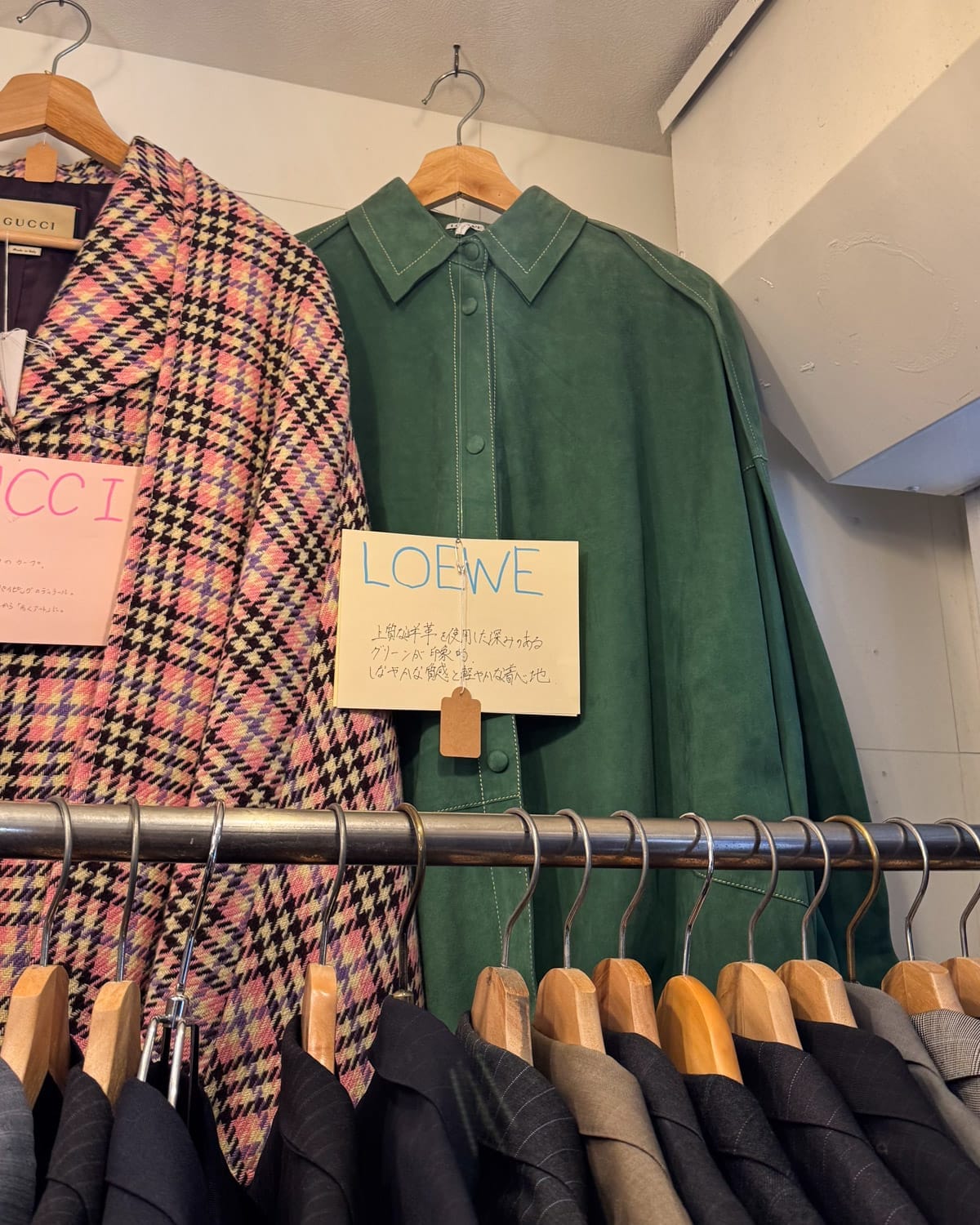
I walked out with a green Loewe goatskin button-up, one of my favourite purchases of the trip. The store also had a great selection of designer suits.
🕯️ For something different, pop into ma to ga, a charming little shop selling handmade candles and other treasures.
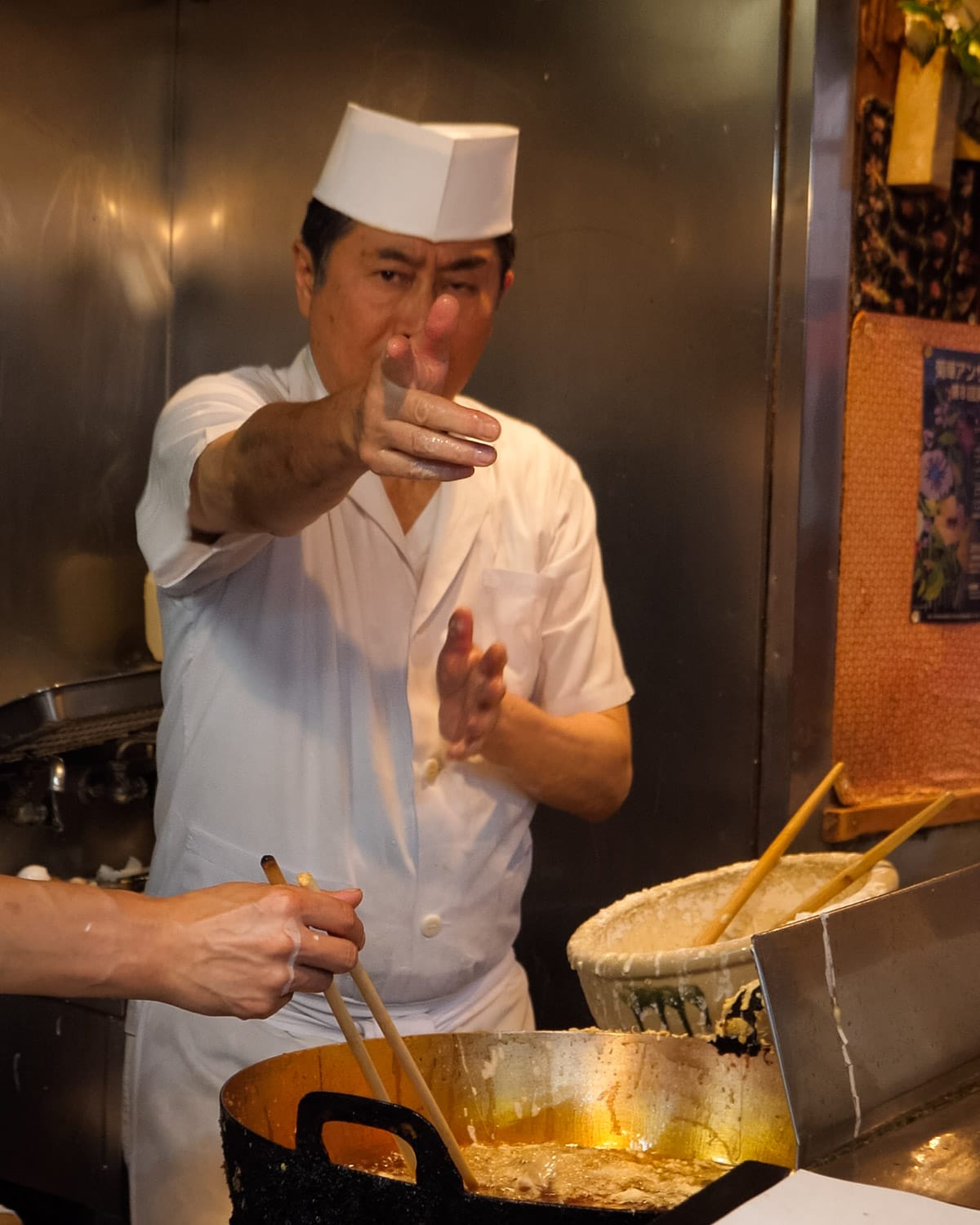
🍤 Grab a casual lunch at Tensuke and sit at the counter while the charismatic chef fries tempura in front of you. The pieces arrive one by one, fresh from the fryer.
It's a Michelin Bib Gourmand restaurant, surprisingly affordable, and one of our favourite lunches in Tokyo.
☕ For an afternoon pick-me-up, grab a coffee at City, a listening cafe with shelves of CDs lining the walls.
6. Treat yourself to Japanese Wagyu Beef
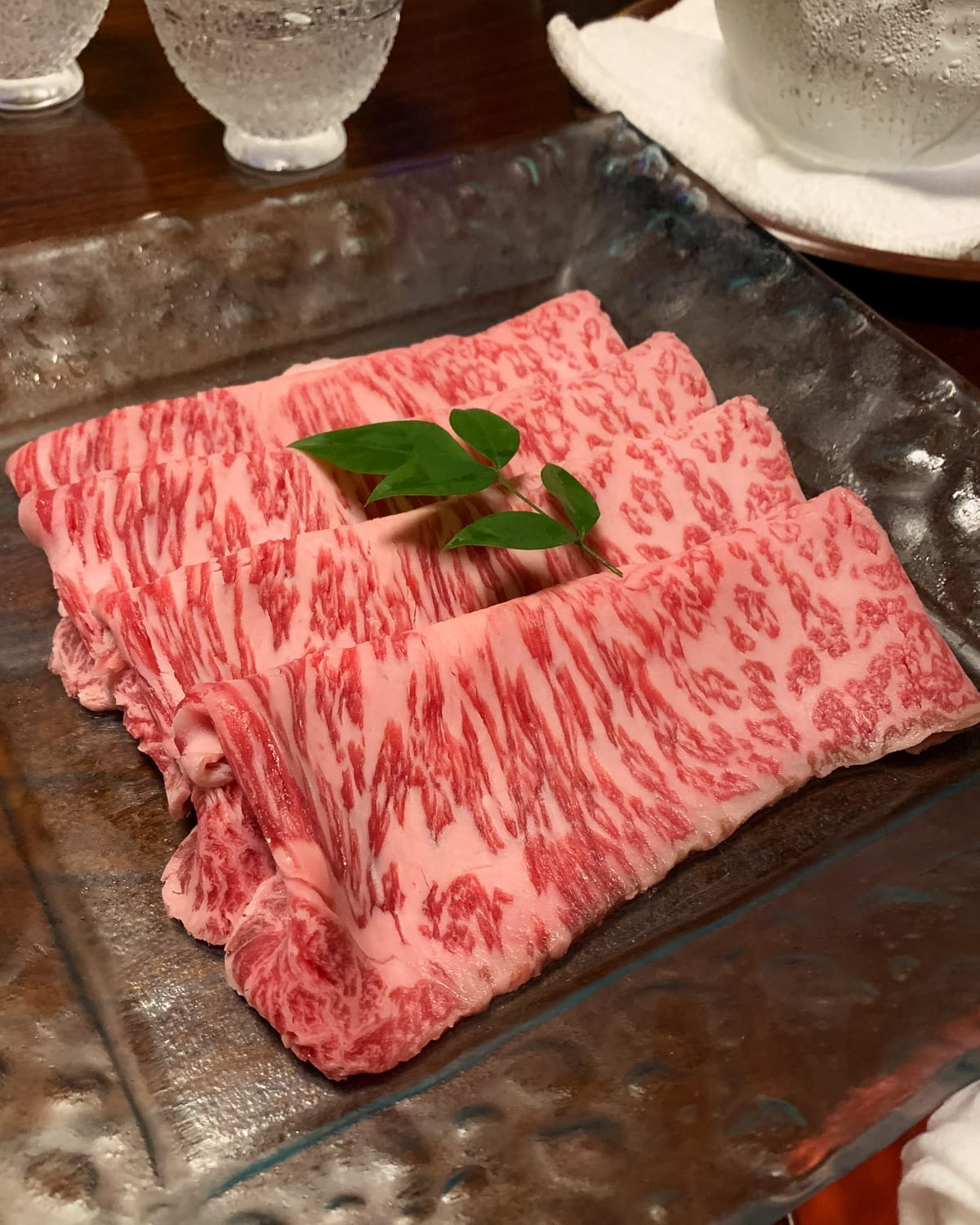
You may have seen Wagyu on a menu before, but chances are it came from Australia or the United States. In our opinion, nothing compares to Japanese Wagyu.
Part of what makes it so special is that most of it stays in Japan. Different regions raise their own cattle, with some of the most famous Wagyu coming from places like Kobe and Matsusaka.
Wagyu is incredibly marbled. It's fatty, but not in a way that makes it rubbery. When cooked, the meat becomes buttery soft, full of flavour, and practically melts in your mouth.
✔️ Top Tip: Wagyu isn't cheap. The industry is tightly regulated and production remains relatively small. One of the most affordable ways to try authentic Japanese Wagyu is at a good shabu-shabu restaurant, where thin slices of beef are briefly swished through hot broth before eating.
✨ If you want to go all out, order the wagyu at New York Grill on the 52nd floor of the Park Hyatt. It's the perfect excuse to dress up, and the city views are fantastic.
7. Experience Tokyo's jazz kissas and clubs
One thing we didn't expect to love so much about Tokyo was its jazz scene.
Between jazz kissas and live music venues, it's one of the best cities we've visited for jazz.
Jazz kissas are built around listening. Many are hidden away on upper floors or tucked into basements, with state-of-the-art sound systems, walls lined with vinyl and CDs, and owners who have spent decades building their collections.
Our favourite spots for jazz in Tokyo
One of our favourites was Bar Nica, a tiny second-floor listening bar in Shinjuku. With just seven seats at the counter and a no-photo policy, the focus is firmly on the music.
We stopped in for a cocktail before heading to nearby Kabukicho and ended up staying a lot longer than we planned. The drinks were excellent, the owner was welcoming, and the jazz was sublime.
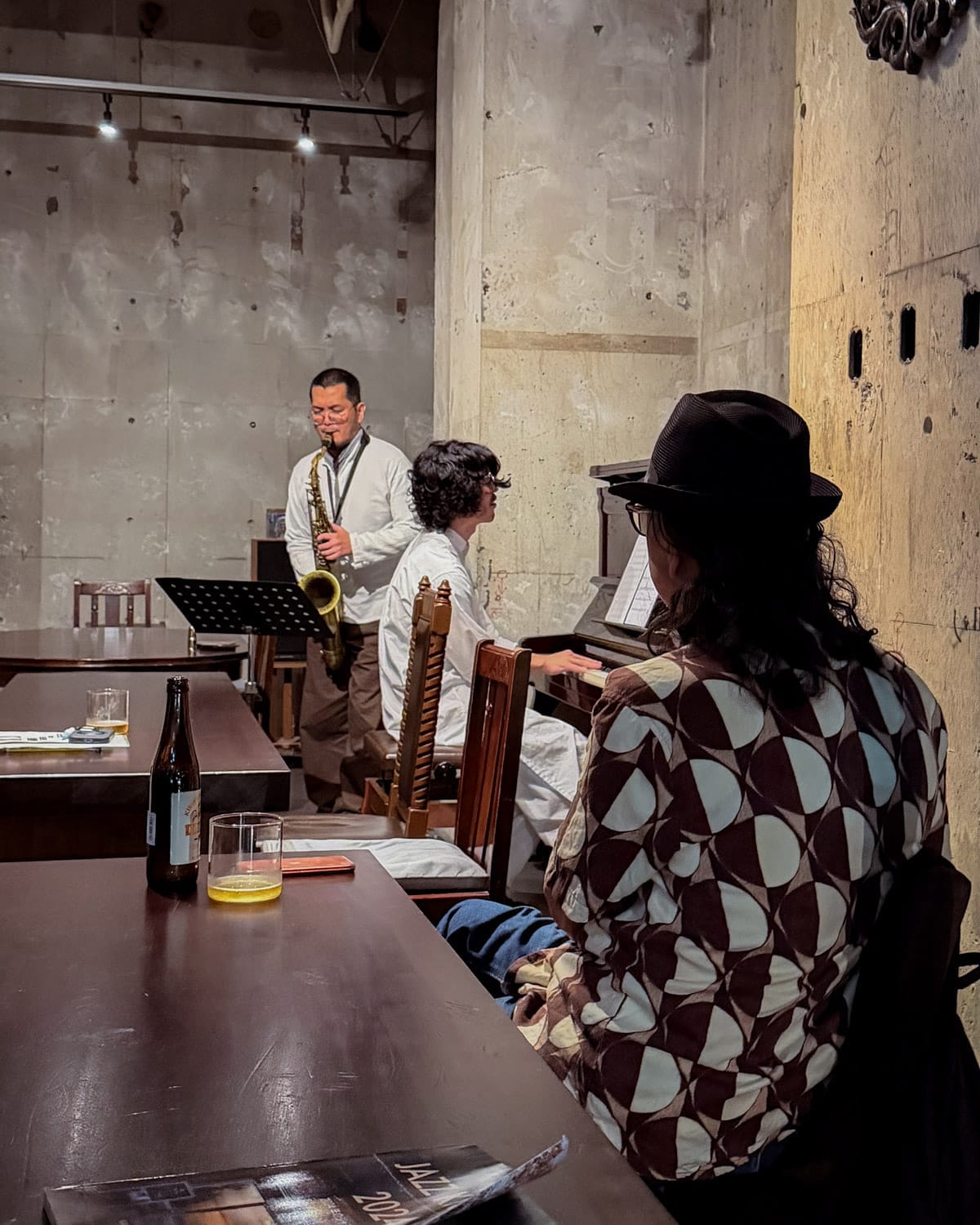
Gekkasha is part jazz kizza, part book cafe, part live-music venue. We discovered it through a jazz kissa magazine we picked up in Kyoto.
The night we visited, a saxophone and piano duo performed in the industrial-style space. During the day, it operates as a cafe, and upcoming performances are posted online.
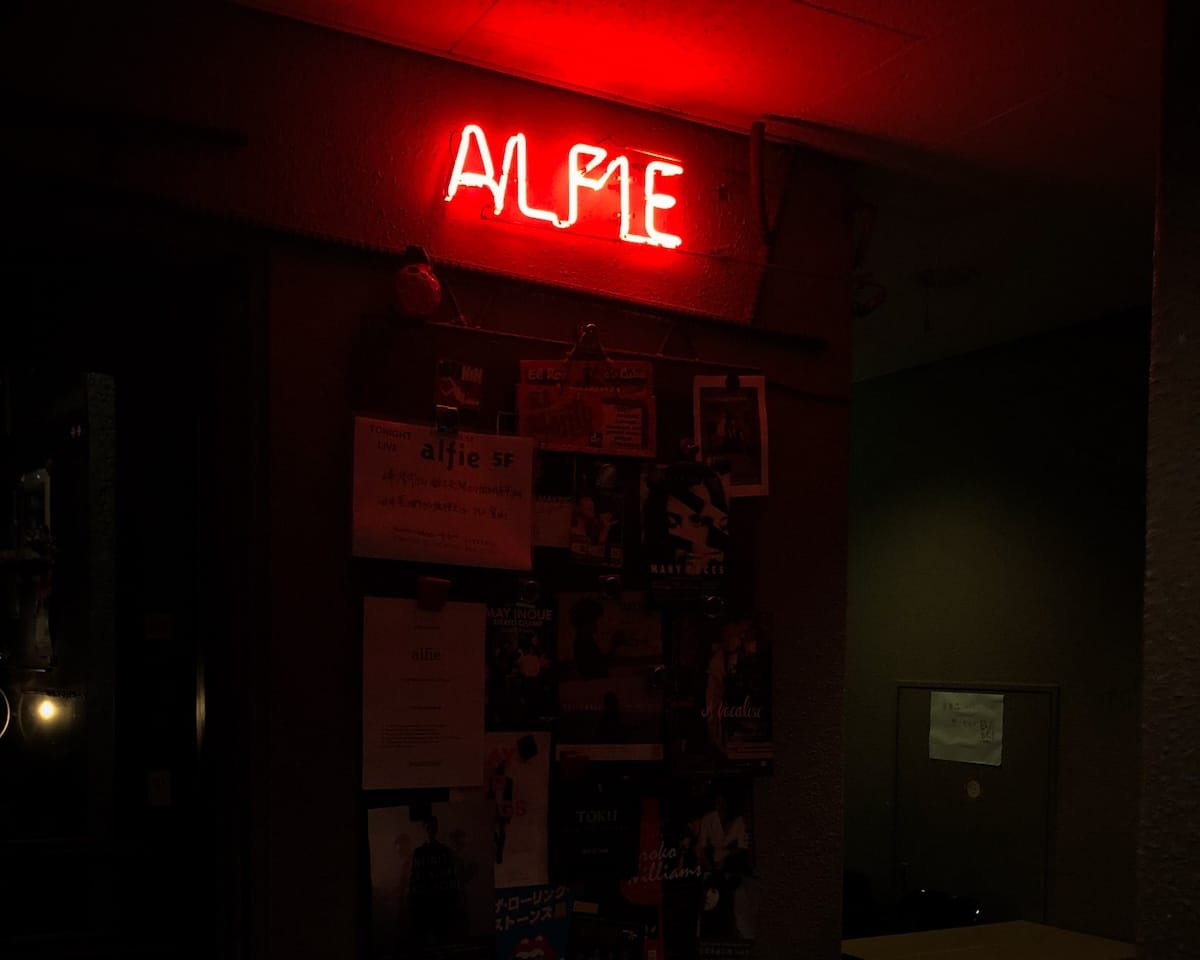
Alfie Jazz Club is a great local jazz club in Roppongi. We caught a Tokyo-based quintet featuring three saxophonists.
Three saxophonists - are you crazy?! We were fully prepared for a blaring saxophone showdown, but instead got one of our favourite performances in Tokyo with beautiful melodies and a few original compositions.
8. Explore Shimokitazawa, Tokyo's bohemian neighbourhood
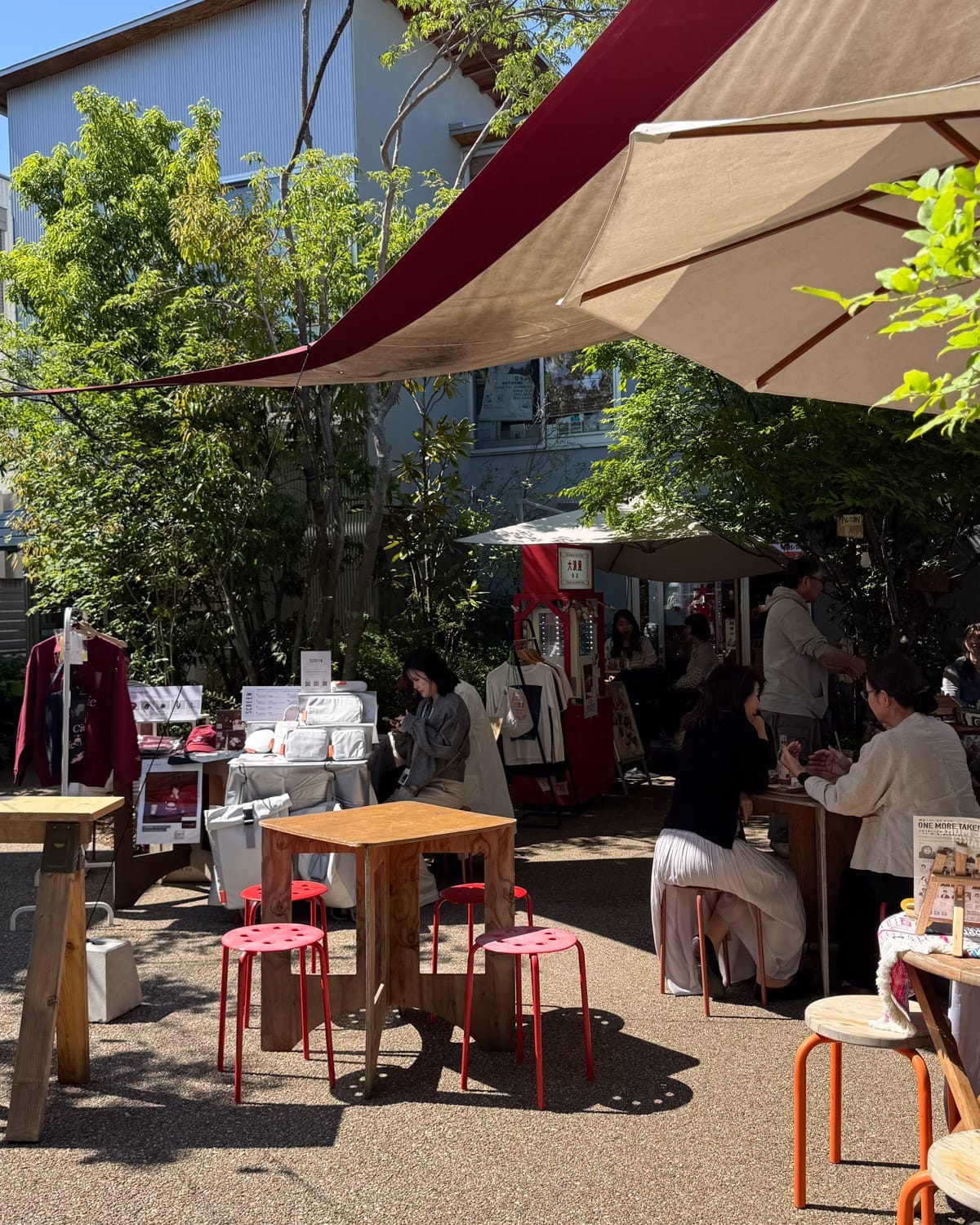
Shimokitazawa felt like one of Tokyo's "it" neighbourhoods.
The area has a distinctly bohemian feel, with leafy walking streets and stylish locals spilling out of cafes, record shops and independent stores.
Exploring this neighbourhood is one of the best non-touristy things to do in Tokyo.
Start at Higashi-Kitazawa Station and follow the walking street past Mustard Hotel.
Soon you'll reach Reload, a low-rise shopping complex that was home to some of our favourite shops in Tokyo.
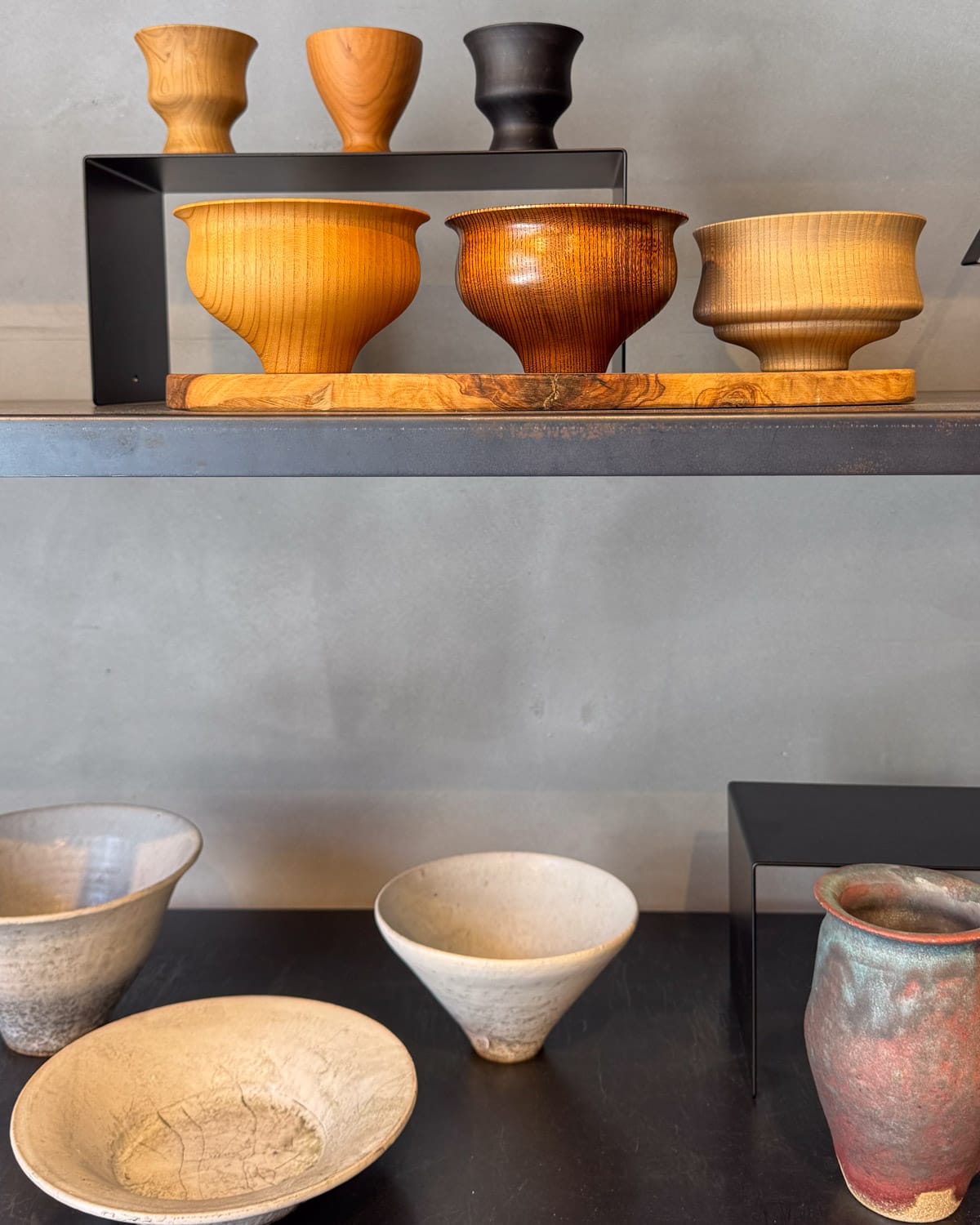
Browse the beautiful collection of Japanese ceramics, wooden tableware, and handcrafted homewares at Sekai Class, where we picked up two wooden miso soup bowls and a pair of small charcuterie forks.
On the second floor, FORESTIÈR offers an excellent selection of vintage and contemporary designer clothing.
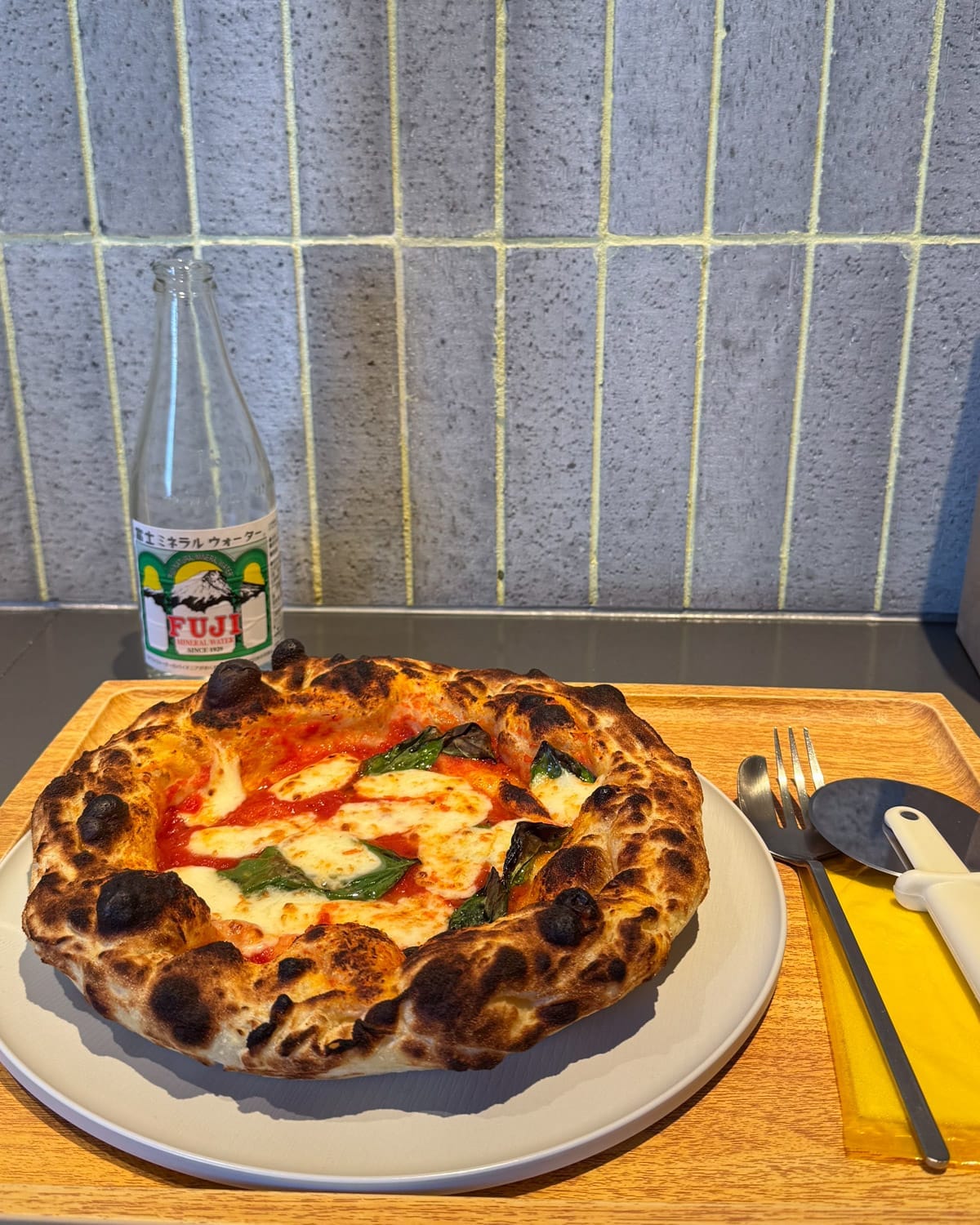
While you're there, put your name down at 400℃ Pizza Piu for lunch. Their ticket system will text you when your table is ready, giving you time to explore the shops nearby.
I ordered the Margherita and was blown away by the crust, which somehow managed to be both perfectly chewy and fluffy.
The individual-sized pizzas are just the right size for lunch.
If you're a blue cheese fan, you may want to try their blue cheese and honey pizza, a signature dish that's built a cult following.
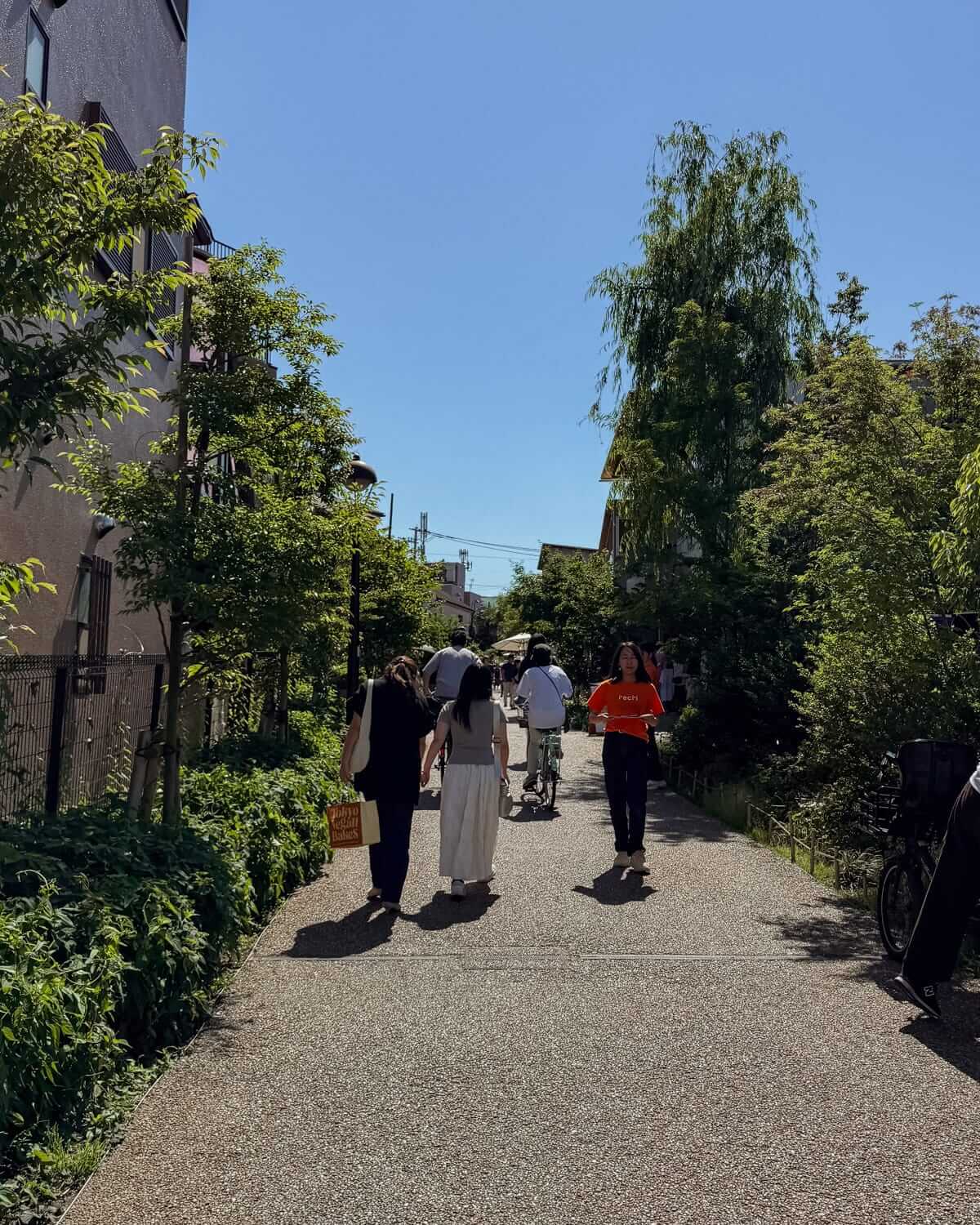
Continue towards Shimokitazawa Station, browsing the neighbourhood's many vintage stores, like Flamingo and Pigsty. You'll find a lot of retro American clothing and denim.
Finish your walk at Bonus Track, a small open-air shopping street filled with independent businesses, specialty cafes, and outdoor seating.
This is also where you'll find Pianola Records, one of our favourite record shops in Tokyo.
Grab a coffee or treat and sit outside for some good people watching.
9. See Shibuya from above, not just below
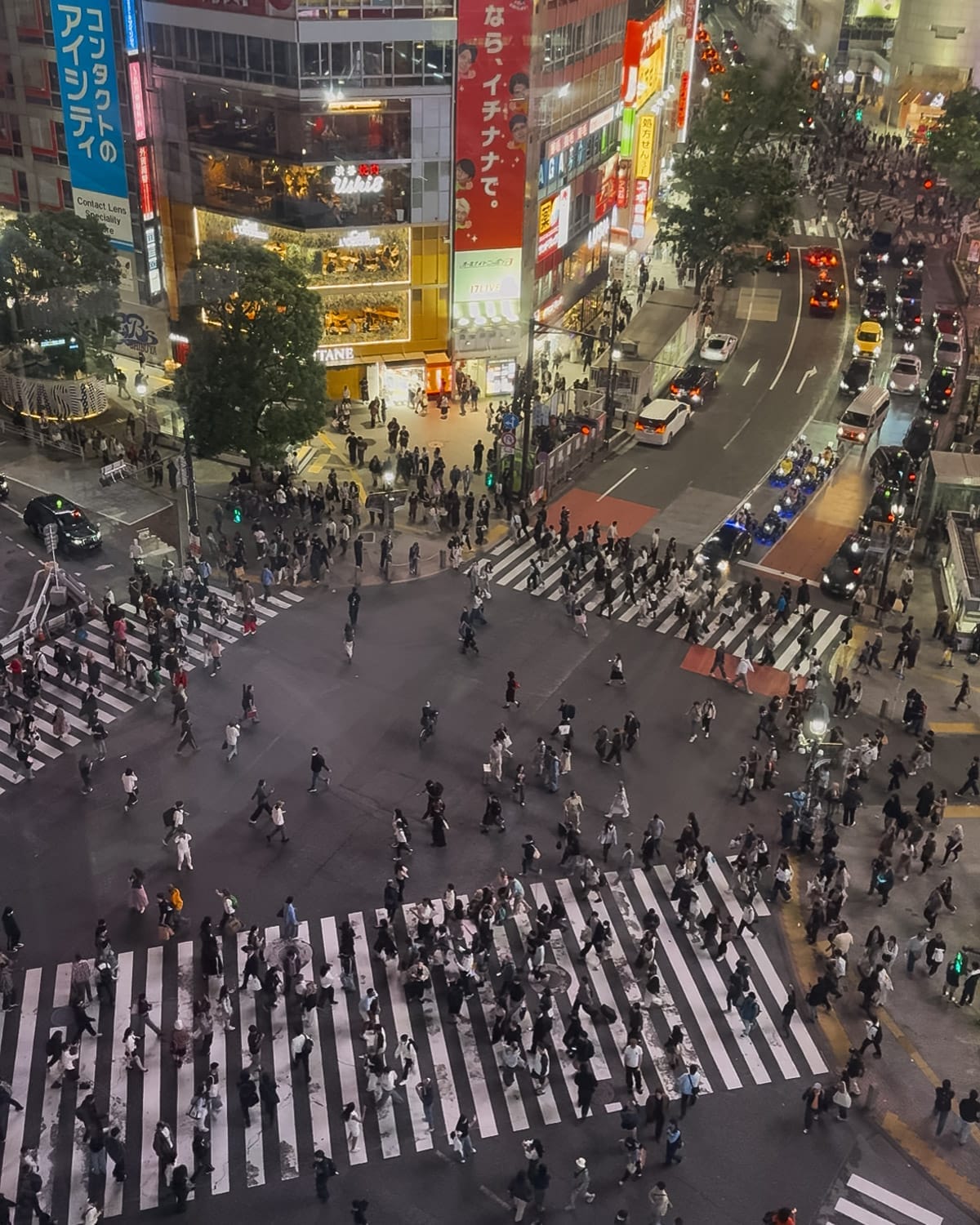
Watching the famous Shibuya Crossing isn't exactly an alternative thing to do in Tokyo. Seeing it from above, however, is something many visitors miss.
Instead of joining the crowds at street level, grab a drink at Shibuya Scramble S and watch the action unfold from above.
We loved that it wasn't too high up, so people didn't look like dots and you still felt connected to the energy of the crossing below.
We visited at night and had most of the space to ourselves. As the giant video screens lit up and waves of people crossed from every direction, it gave us a completely different perspective on one of Tokyo's most famous sights.
If there's an event happening at Shibuya Scramble S, you can head up to the nearby rooftop at Magnet Shibuya 109 instead.
🏎️ Looking for an out-of-the-box Tokyo experience? You can actually drive through Shibuya Crossing in a go-kart.10. Explore Kappabashi, Tokyo's Kitchenware District
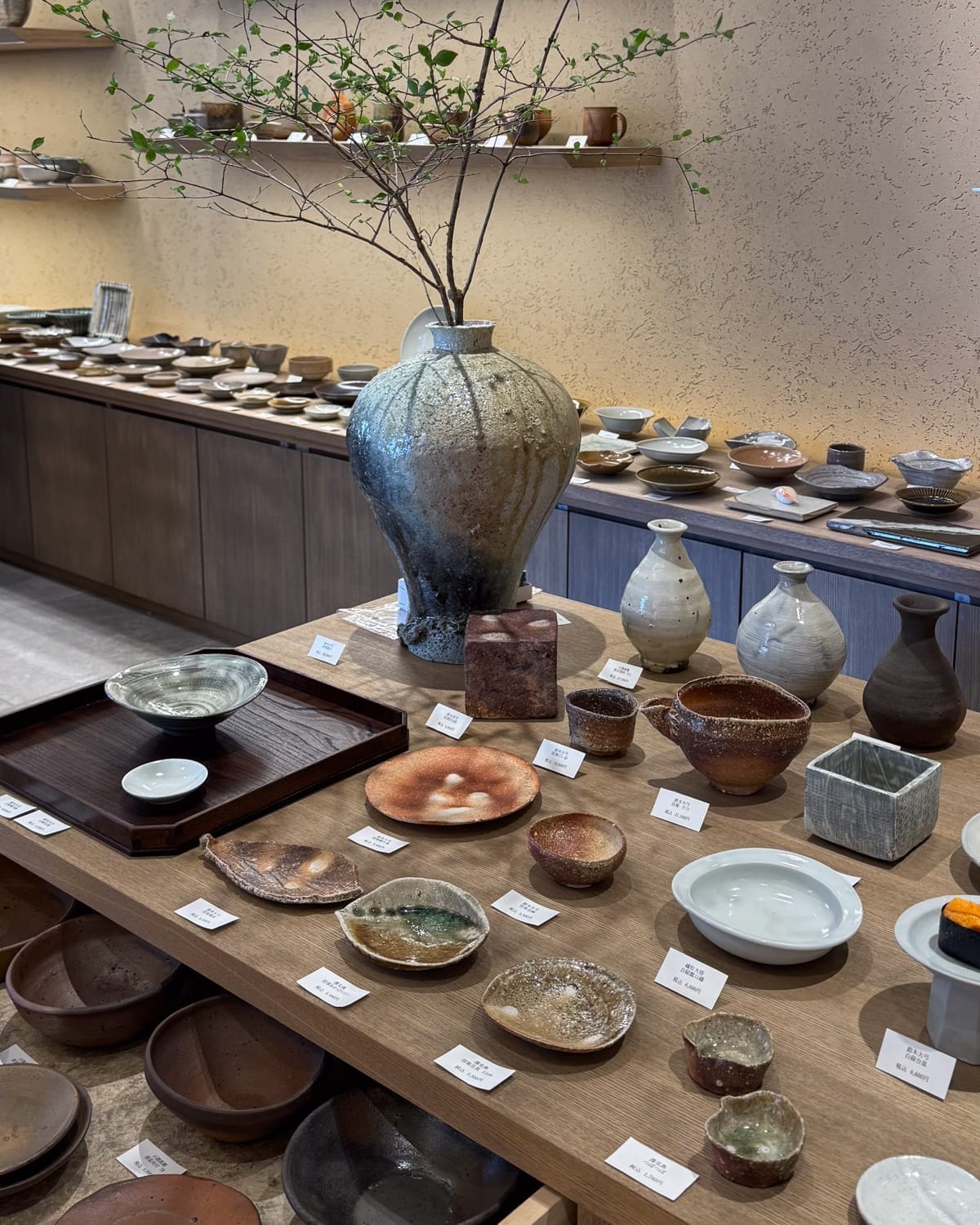
After spending time in Japan, don't be surprised if you become a little obsessed with Japanese tableware and kitchen tools.
From ceramics to knives, the craftsmanship is incredible.
Kappabashi Street is Tokyo's kitchenware district and our favourite shopping street for tableware and kitchen tools.
After finishing sushi school, Ari found all of his sushi gear here.
We spent hours browsing shops and piecing together our collection. Instead of buying a matching set, we picked out individual chopsticks, chopstick rests, sake cups, plates and bowls from different stores.
Shopping route: Take the metro to Tawaramachi Station and walk north along Kappabashi Street.
Our favourite shops on Kappabashi Street
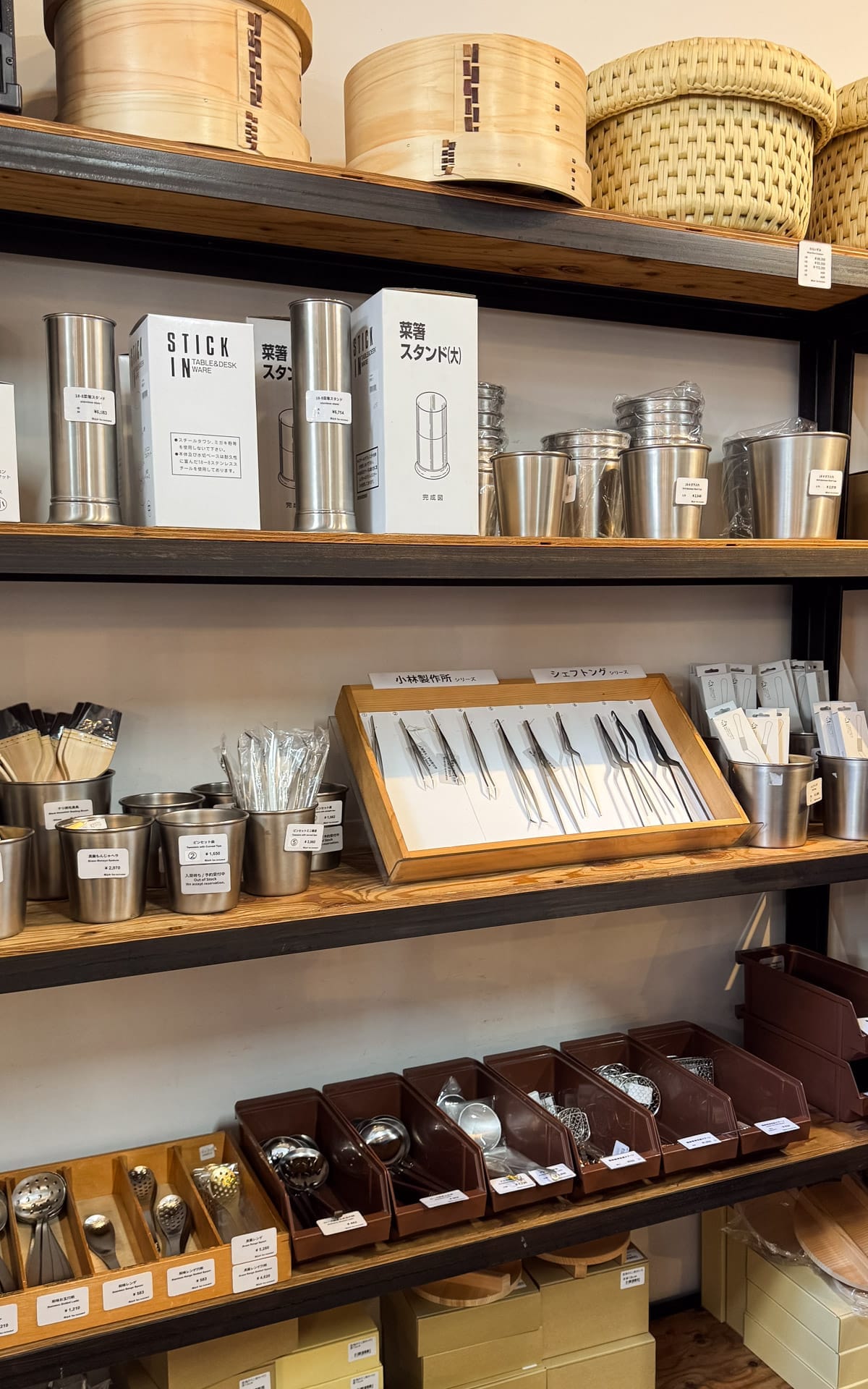
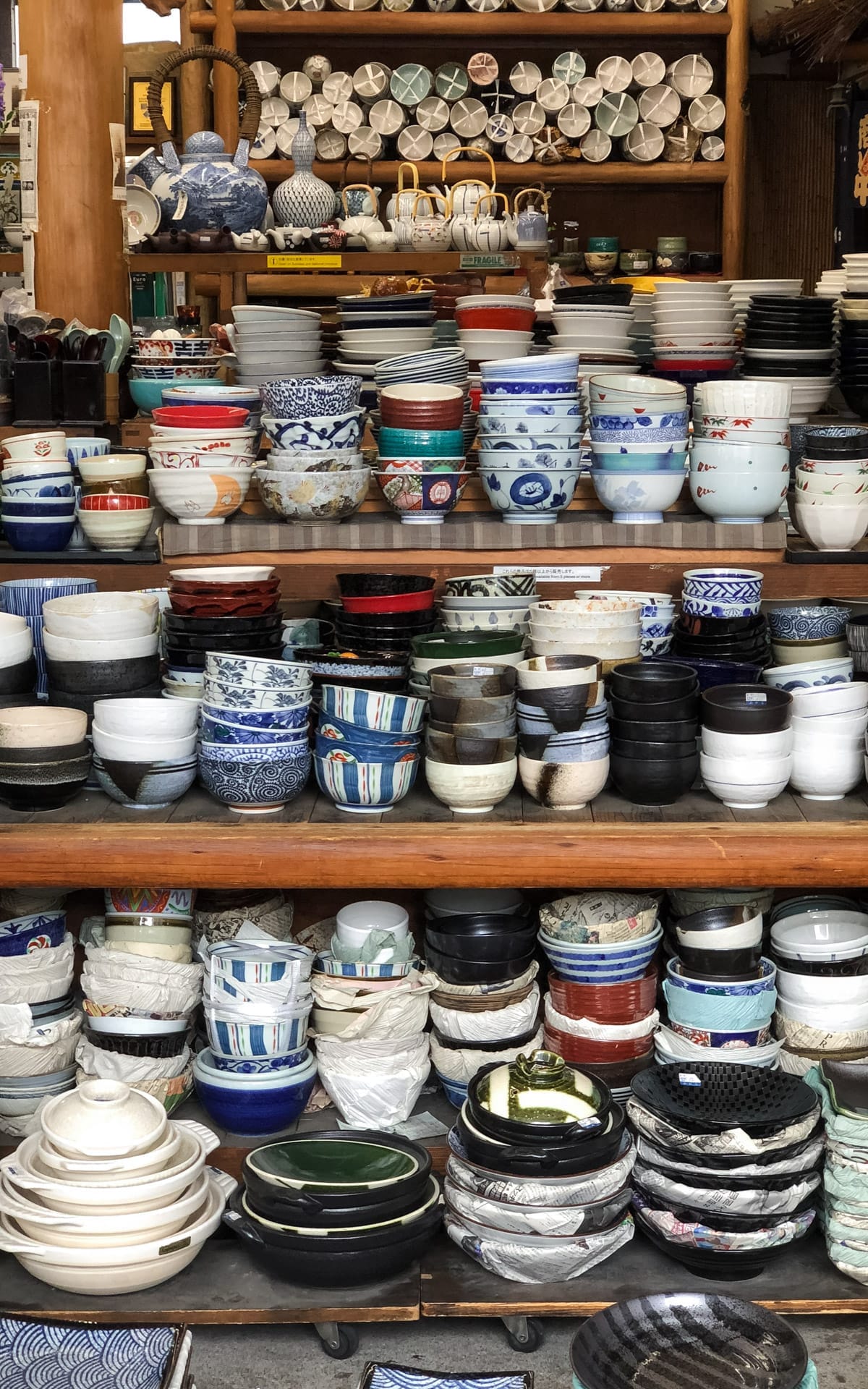
Kappabashi's kitchenware shops
Kama-Asa - best for high-quality cookware and kitchen tools. We bought a lot of cooking tools here.
Utsuwa Maesaka (器 まえさか) - best for artisan-made ceramics and tableware. We bought small bowls, chopsticks, chopstick rests, sake cups, and plates here. The selection felt contemporary and carefully curated.
TSUCHI-YA ガラスの器と工芸 - best for Japanese glassware that blends contemporary design with traditional techniques. We picked up a vase, glass chopstick rests, and a beautiful Edo Kiriko-style cup.
Hashitou - a chopstick specialist with every style imaginable. You can try different pairs and find the shape, weight, and grip that feels best in your hand.
11. Drink world-class cocktails
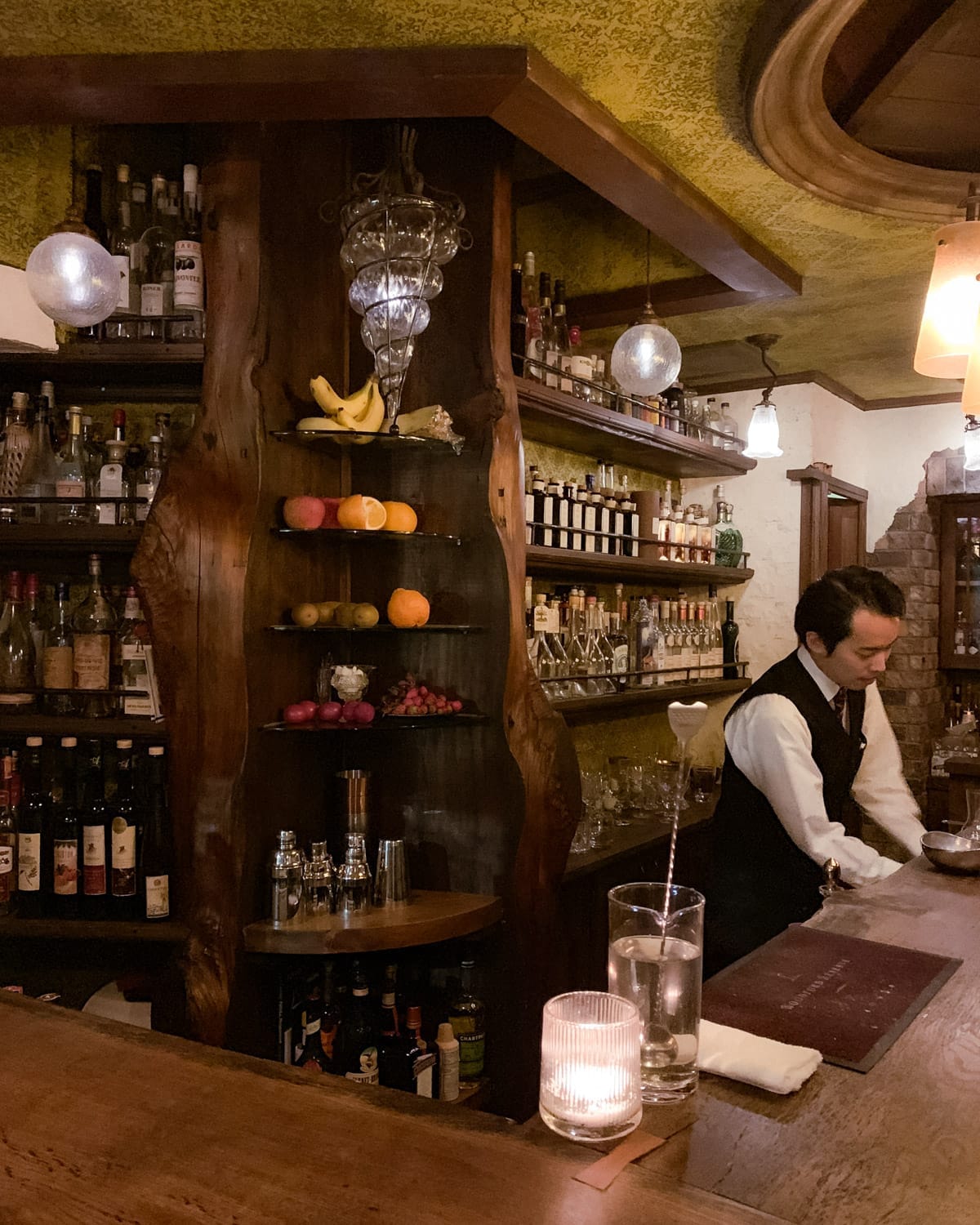
Some of the best cocktails we've had anywhere have been in Japan, where bartenders put the same level of care and craftsmanship into drinks as chefs do into food.
Hidden away in Shinjuku, the drinks are built around house-made infusions and unusual ingredients.
Ari ordered a Bloody Mary made with porcini mushroom-infused vodka and fresh tomato, and it was fantastic.
It earned the #12 spot on the 2025 World's 50 Best Bars list.
A fun Ginza cocktail bar with a relaxed atmosphere and friendly bartenders. This is where we were introduced to Yomogi liqueur, the "Japanese absinthe".
One of the bartenders shared an easy recipe with us: muddle a teaspoon of sugar and some cucumber in a glass, add ice, then top with equal parts yomogi and soda water.
Burnt Potato 🥔💨: Bar High Five.
We know this is one of Tokyo's best known cocktail bars, but it was one of our biggest disappointments.
A member of our group struggled to explain what kind of cocktail they liked and was met with a condescending response from the bartender.
For a bar that prides itself on creating custom drinks without a menu, we found the experience surprisingly unwelcoming. The cocktails themselves didn't make up for it, and there was a pretentiousness here we didn't see at other bars.
12. Watch a sumo tournament
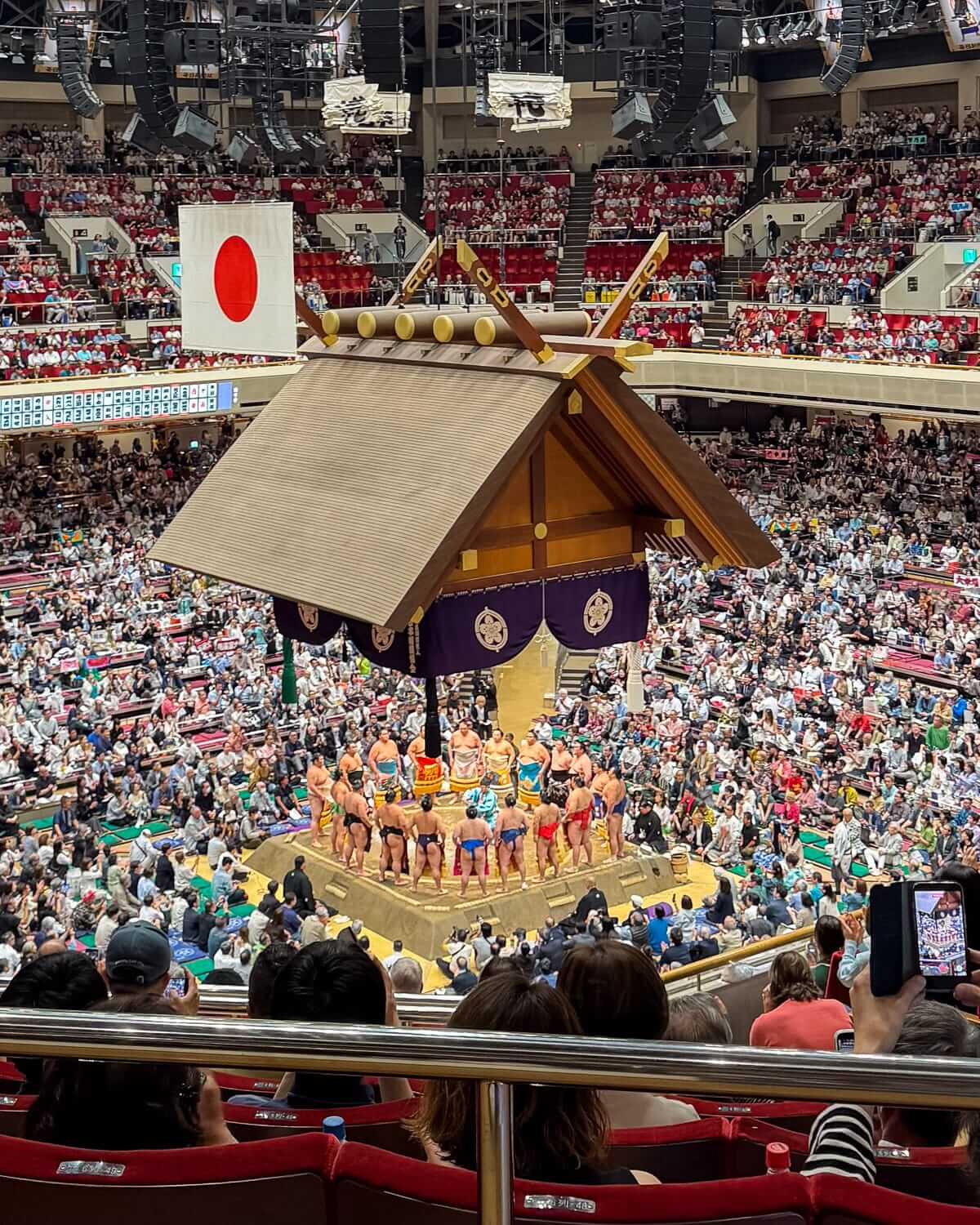
Watching a sumo tournament ended up being one of our favourite cultural experiences in Japan.
Seeing the wrestlers enter in their elaborate ceremonial aprons and watching the traditional rituals before each match was fascinating.
What surprised us most, though, was how much fun it was. The arena has a festive atmosphere, with food stalls selling everything from Japanese comfort food to pizza, popcorn, hot dogs, and ice cream.
As the day goes on and the top-ranked wrestlers begin competing, the atmosphere becomes charged. By the final matches, the crowd is completely invested.
✔️ Top Tip: Buy tickets as soon as they go on sale through the official website. Later days of the tournament are more exciting as the competition intensifies, but tickets sell out very quickly, so be ready the moment sales open.
13. Go beyond the main strip at Tsukiji Market
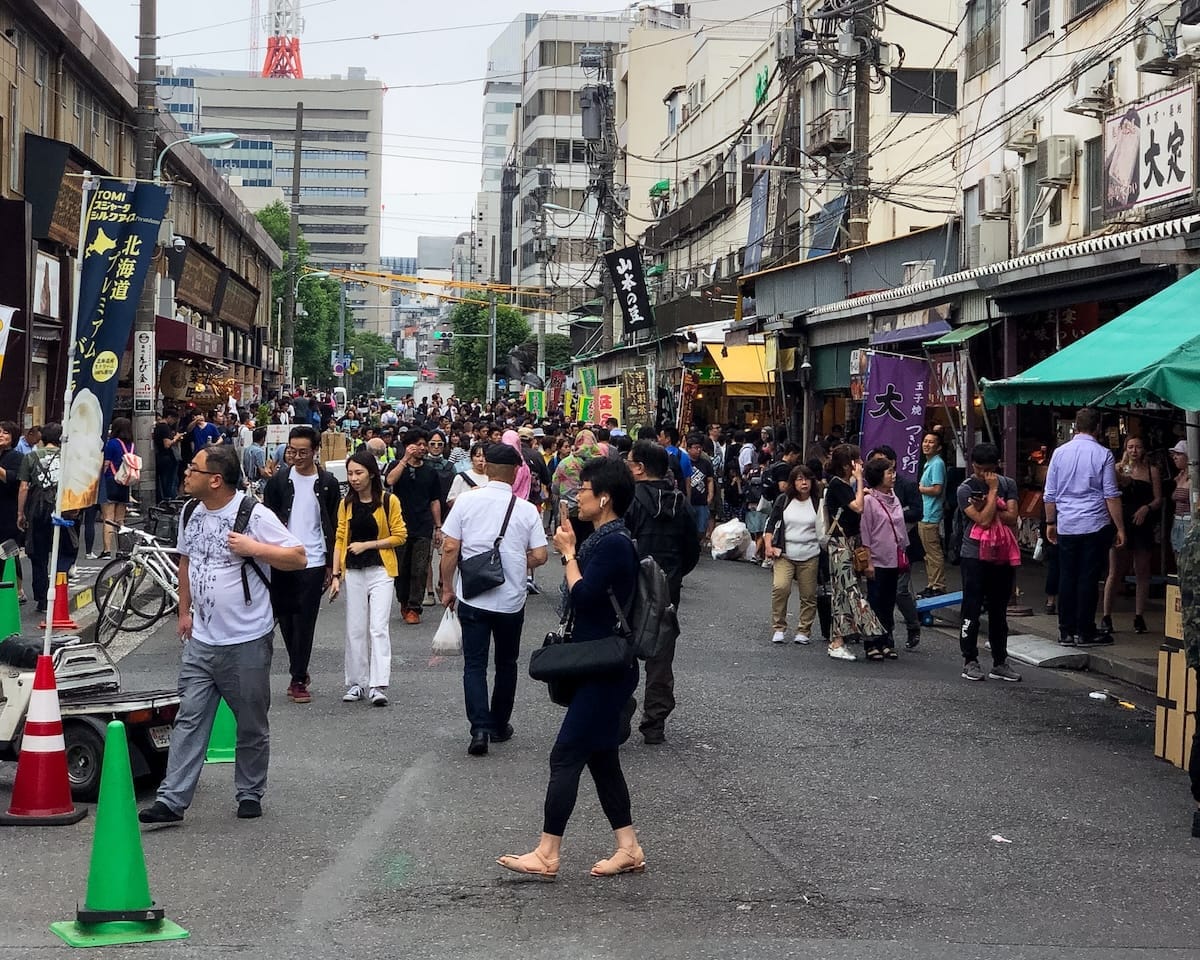
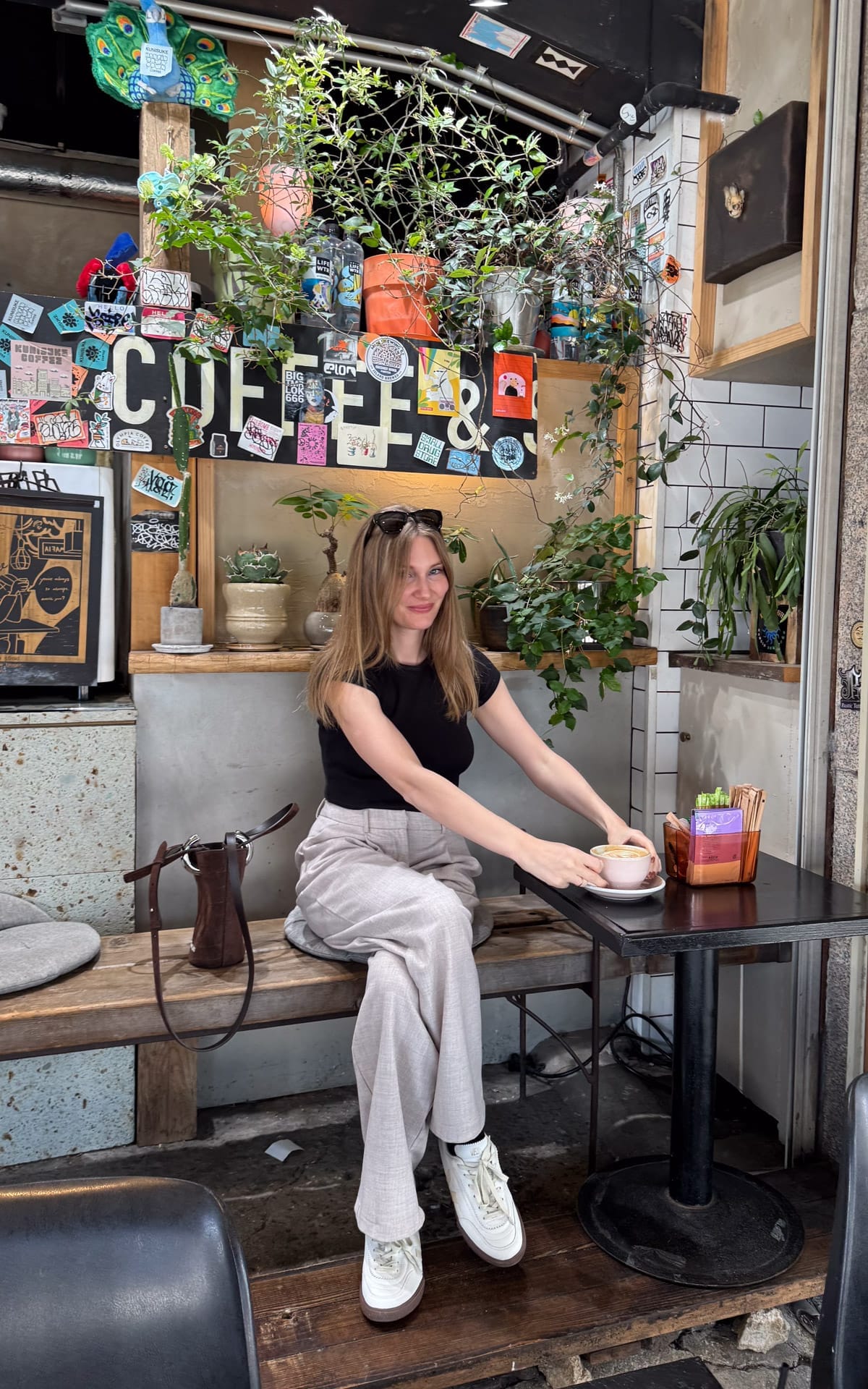
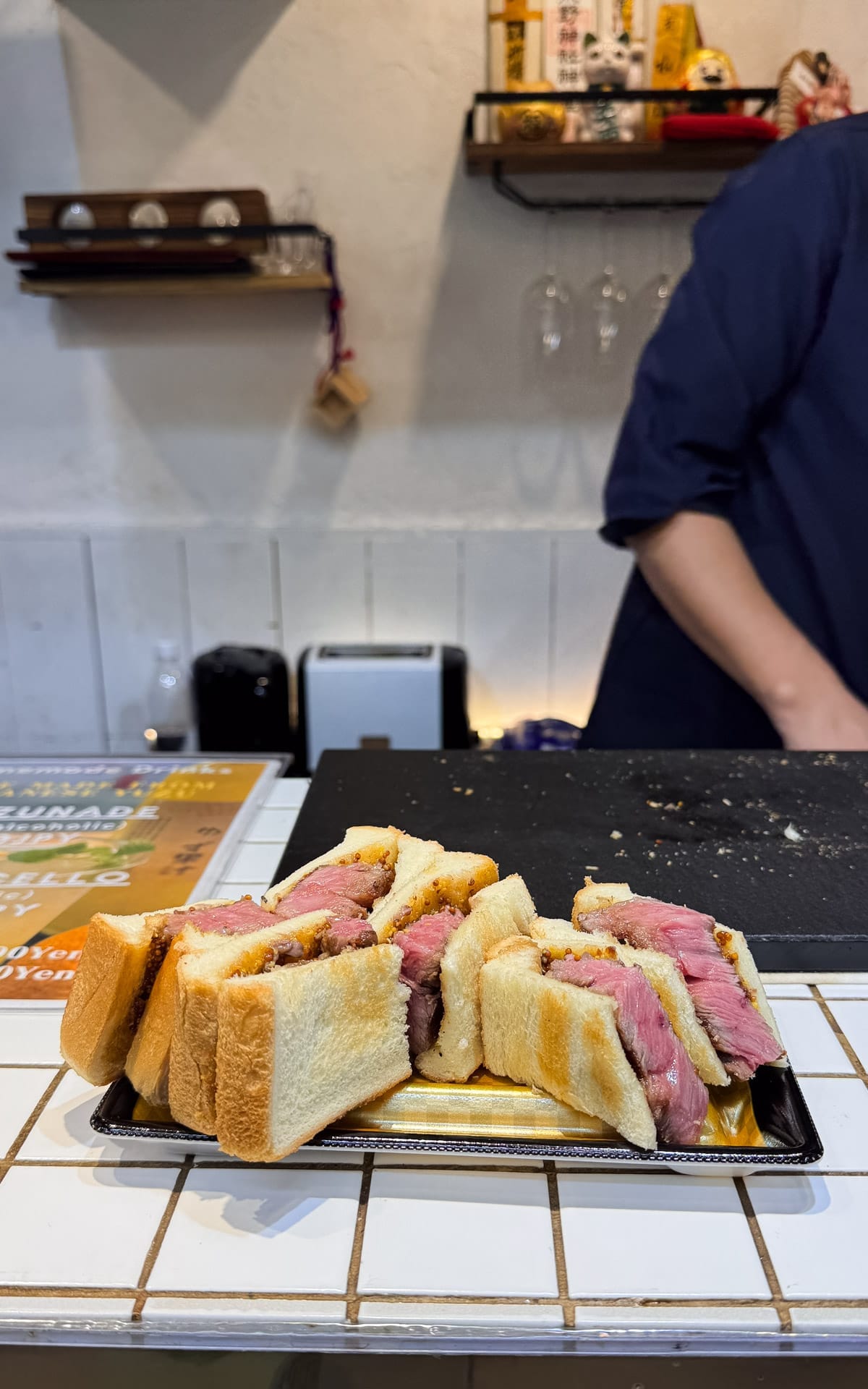
Kunisuke Coffee | Wagyu Sushi and Sandwich
While the famous wholesale fish auctions moved to Toyosu in 2018, Tsukiji remains one of Tokyo's best markets for seafood, snacks, and shopping.
Most visitors stick to the main strip at Tsukiji Market, but some of our favourite finds were tucked away in the narrow side alleys and upper floors.
Make sure you also walk through the first floor of the market building, where you'll get a glimpse into the everyday workings of the market beyond the tourist-facing stalls.
Our favourite spots:
🍔 Tsukiji Fish Burger Masa - A tiny shop serving excellent fish burgers. The owner is a character and loves heavy metal music.
🥩 Wagyu Sushi and Sandwich - Go for the wagyu beef sandwich. Served with the crusts removed and a smear of grainy mustard.
🍛 East Indian Curry Company - Located upstairs on the second floor, this spot serves great-value Japanese curry and is easy to miss.
☕ Kunisuke Coffee - My favourite coffee shop in Tokyo. Filled with plants and an awesome playlist of soul and funk, it's a nice place to hang out and people watch.
🍣 Tsukiji Kagura Sushi - One of our favourite sushi spots in the market. We loved being able to order nigiri and sashimi by the piece.
Some must try pieces are the range of tunas: lean (maguro), medium fatty (chūtoro) and fatty (toro). Our favourite is chūtoro.
Other snacks to look out for:
🍦Hokkaido milk ice cream
🍓 Fresh strawberries (look for the unsweetened ones - they're unbelievably sweet on their own)
14. Walk the neon streets of Kabukichō
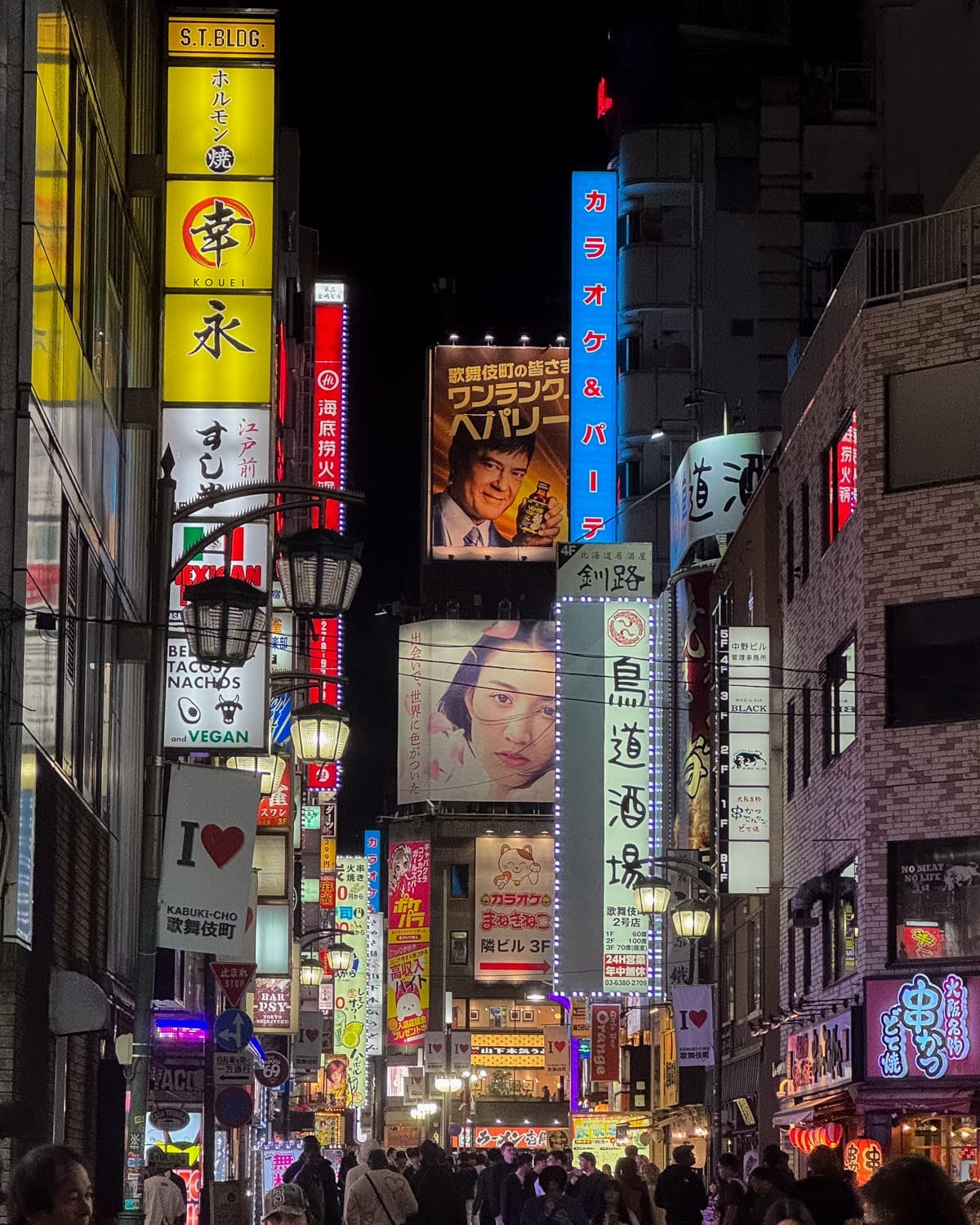
Have you ever seen the movie Enter the Void?
The psychedelic and experiential film shows dreamlike visuals of Tokyo's neon lights and was filmed largely in Kabukichō, the city's famous entertainment and red-light district.
It's a sleepless area of Tokyo where you'll find towering neon lights and the infamous love hotels.
As you walk through, you might be approached by promoters trying to lure you into bars and nightclubs. We'd politely decline and keep walking. Some of these places are known for inflated prices and surprise charges.
Make your way to nearby Golden Gai. This maze of narrow alleyways is packed with tiny bars, many holding just a handful of people. We chose a bar based on the music we heard coming from it.
🦖 Top Tip: Don't forget to look up. A giant Godzilla head is watching over Kabukichō from the top of a nearby hotel.
15. Eat sushi omakase style
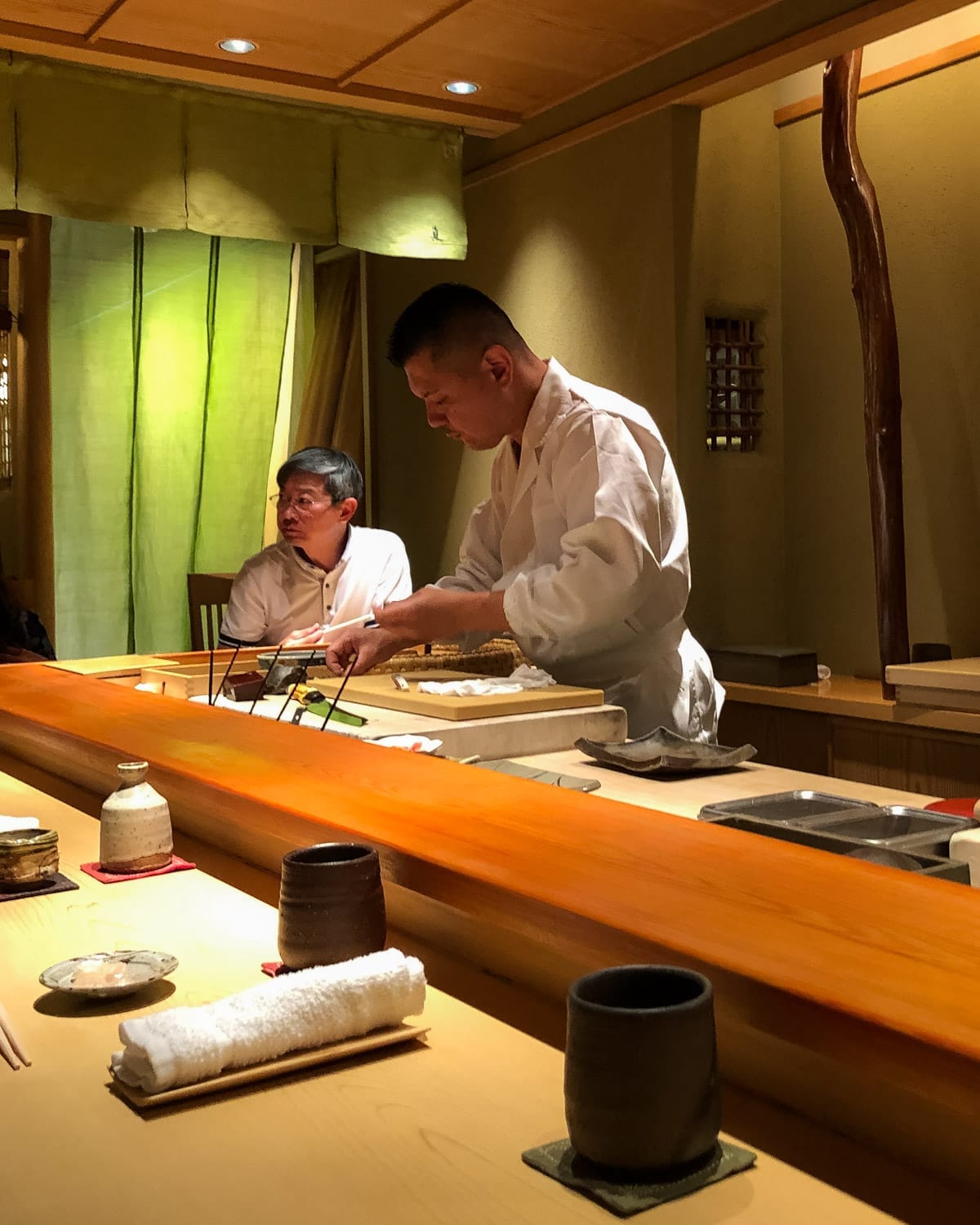
If you're going to splurge on one meal in Tokyo, make it sushi omakase.
The word means "I'll leave it up to you," and that's exactly what happens. You sit at the counter while the chef prepares and serves each piece one by one based on what's best that day.
Before our first omakase, we watched Jiro Dreams of Sushi, which gave us a whole new appreciation for the amount of work that goes into every piece.
One thing we quickly learned is that you'll probably be served a few things you wouldn't normally order yourself.
I struggled with some of the more adventurous bites, while Ari happily ate everything put in front of him. Some of the pieces we were most unsure about ended up being surprisingly good.
Our best tip is to try everything at least once. You might surprise yourself. If there is something you know you definitely don't like, make sure to tell them in advance.
Our favourite omakase spots:
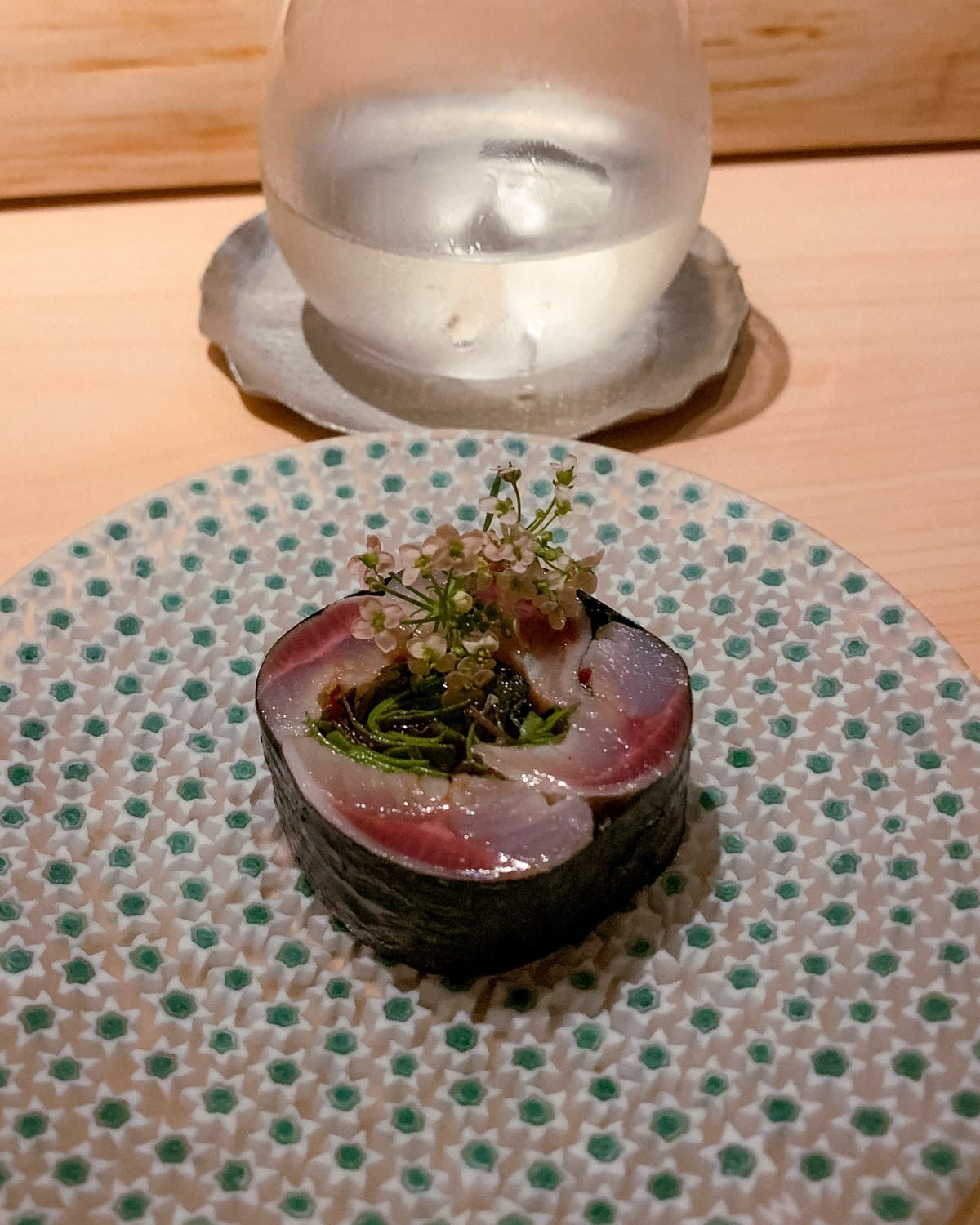
Nishiazabu Sushi Shin: A traditional Edomae-style omakase experience. If you're curious about Tokyo's classic sushi style, this is a great place to try it. Head there for lunch, reservations are easier to get, and prices are more affordable.
Udatsu Sushi: A sushi restaurant that takes a more modern approach to omakase. It's relaxed and not as formal, and even has a vegetarian option.
Sushi Riku: A favourite among sushi chefs, this is one of the more adventurous omakase experiences we came across.
🍣 Top Tip: Eat your nigiri the Japanese way - with your hands. Just pick up the piece with two fingers and put it in your mouth!
16. Enjoy an omakase-style sushi experience with freedom of choice
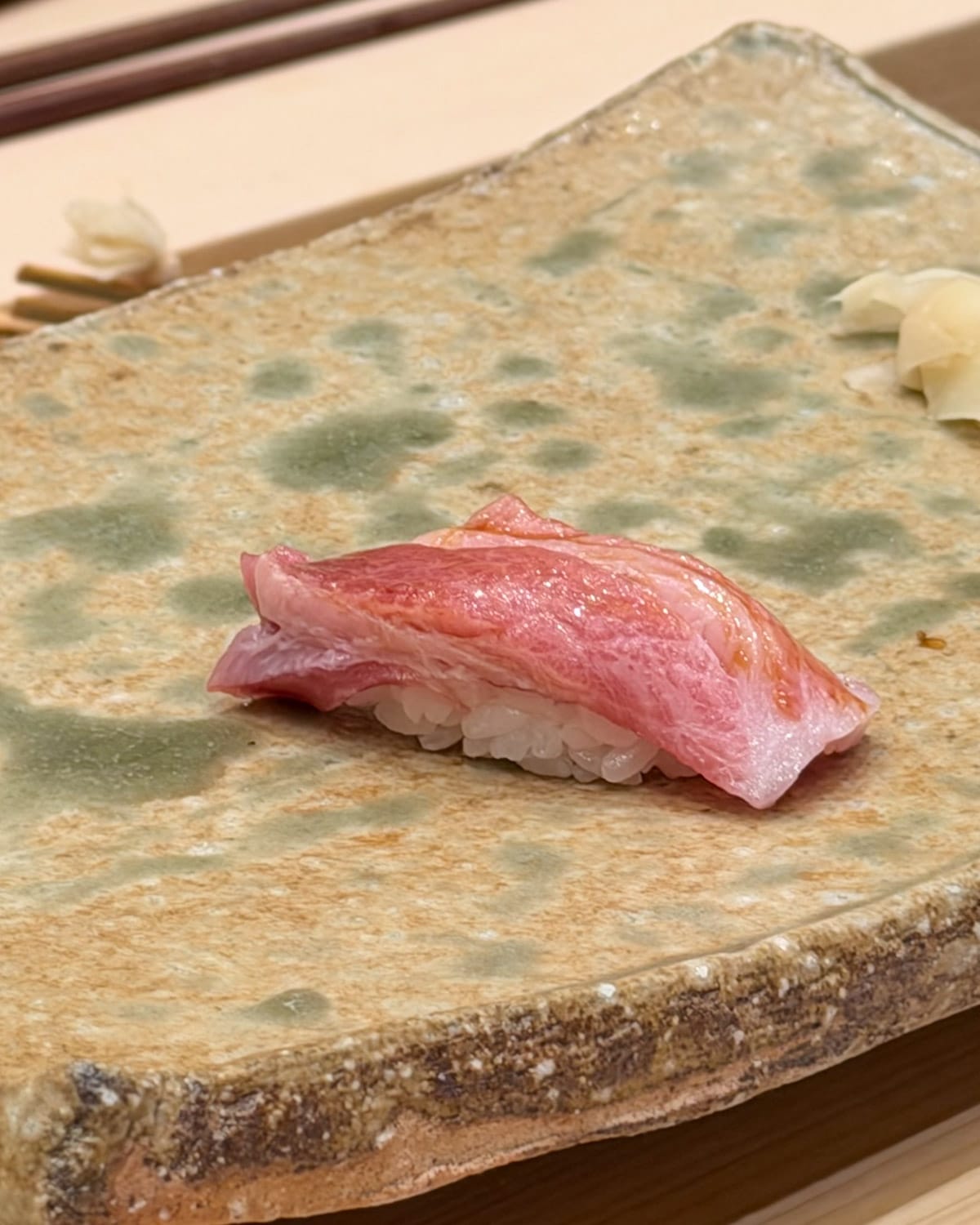
Not quite ready to leave your meal entirely in the chef's hands? I get it!
As much as I love sushi, I'm not quite as adventurous as Ari. After a few omakase meals, I realized there were times I'd rather choose my own sushi than find out whether I enjoyed things like shark cartilage.
I wanted the intimacy of sitting at a sushi counter and watching chefs prepare exceptional fish, but with the freedom of choice.
That's exactly what I found at Kyubey. With several locations across Tokyo, this long-running sushi institution offers the feel of a high-end sushi experience without some of the formality of traditional omakase.
We sat at the counter, watched the chefs at work, and ordered piece by piece as we went. The fish was exceptional, the rice perfect, and it ended up being one of our best sushi meals in Tokyo.
If you're curious about omakase but aren't ready to surrender all control, this is a great place to start.
Some locations accept online reservations, though you'll want to book well in advance.
We ate at the location inside the Okura Hotel, which only accepts reservations by phone, and were surprised to find we were the only Western tourists there.
17. Explore around Cat Street in Harajuku
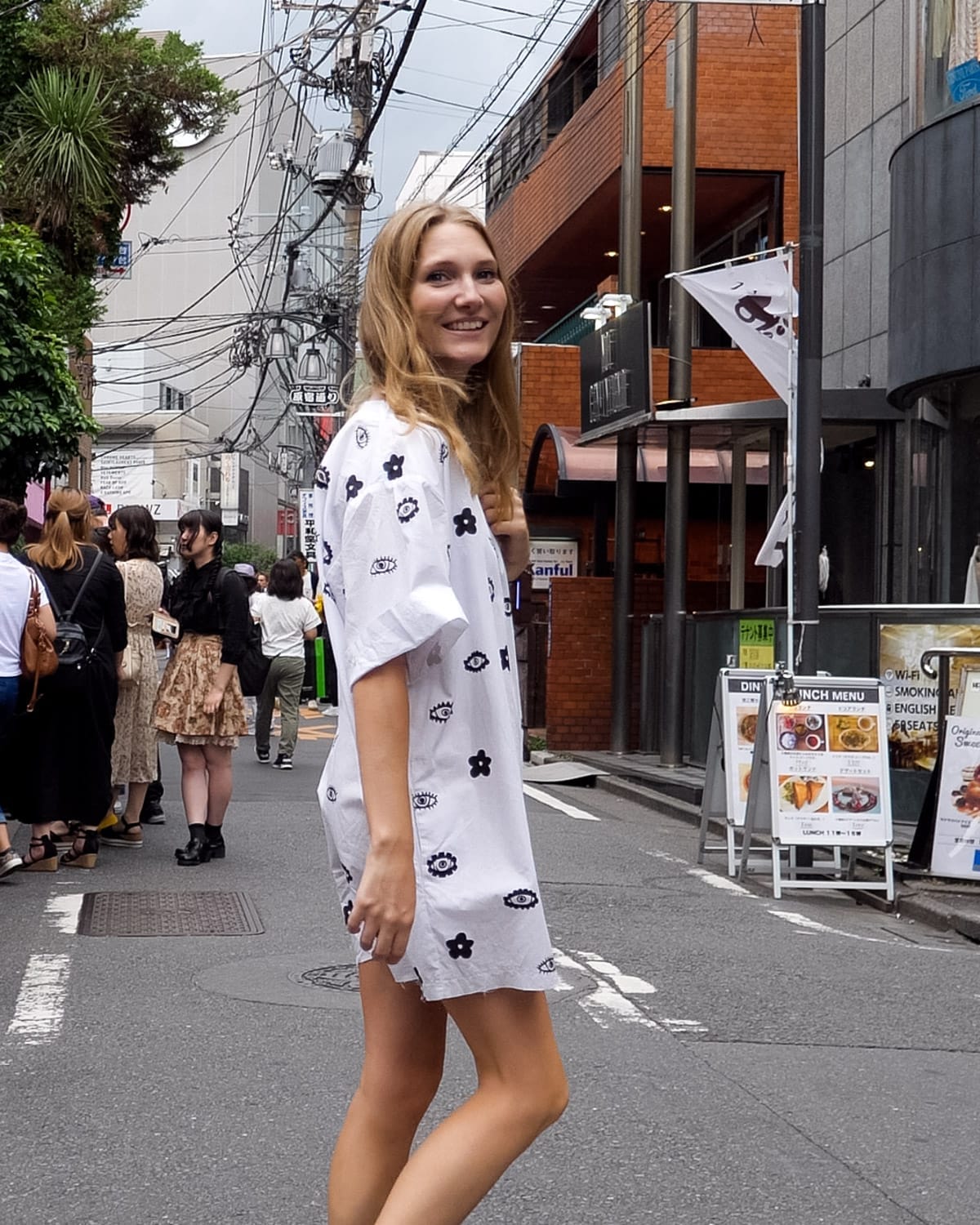
Most first-time visitors to Harajuku head straight for Takeshita Street, expecting to see the colourful, quirky fashion scene the area became famous for.
We visited in both 2019 and 2026, and while it was packed shoulder to shoulder both times, our most recent visit felt even more crowded and commercialized.
In 2019, we at least spotted a couple people dressed in the bold, creative styles Harajuku is known for. This time, it felt more like a tunnel of tourists.
The interesting stores we remembered from our first visit were gone, replaced by souvenir shops, chain stores, and long lines for snacks.
We'd skip Takeshita Street entirely and head straight for Cat Street and the surrounding side streets.
You'll find vintage stores, independent boutiques, and Japanese and European brands mixed throughout a network of pedestrian-friendly streets.
Some of our favourite shops in Harajuku:
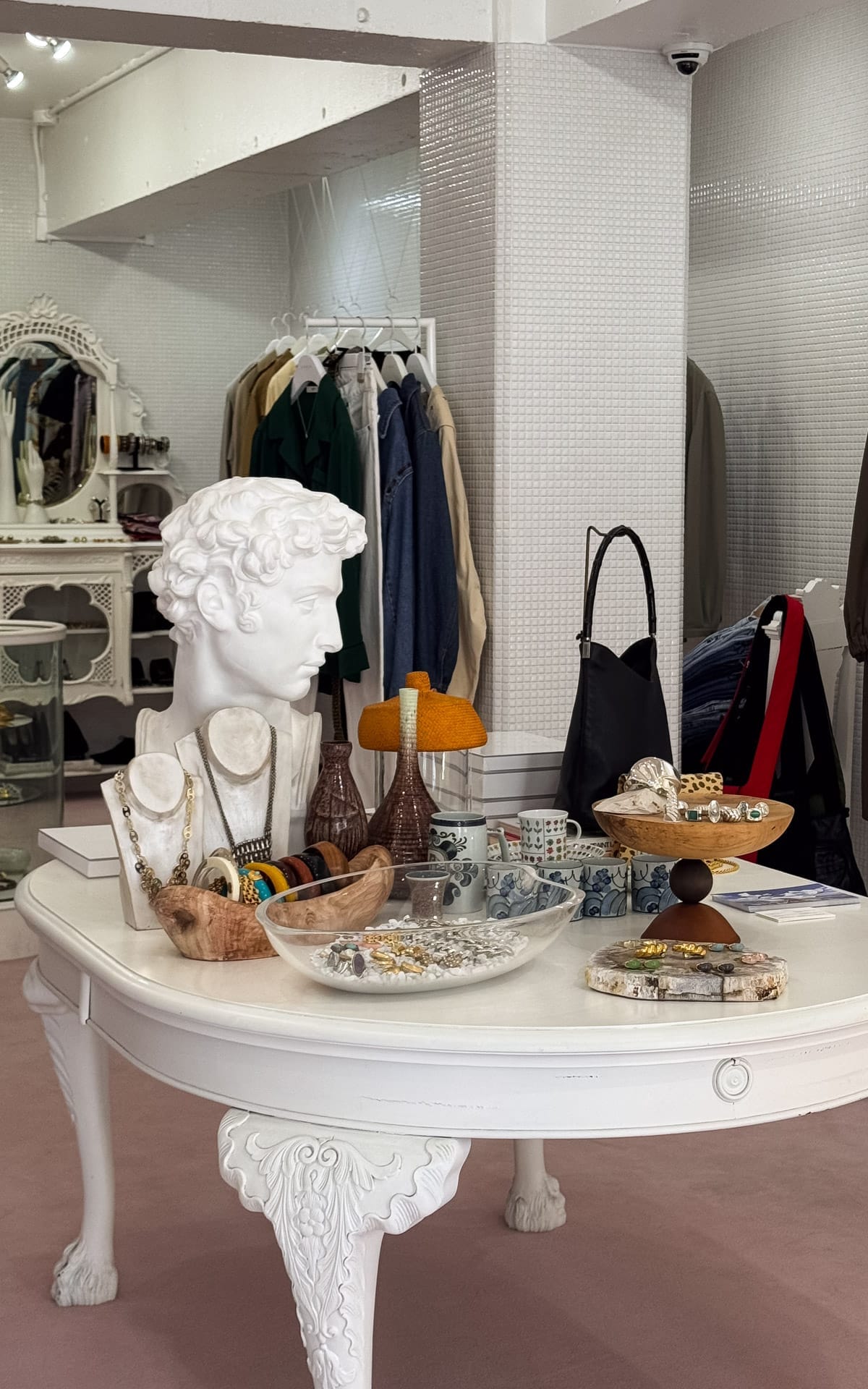
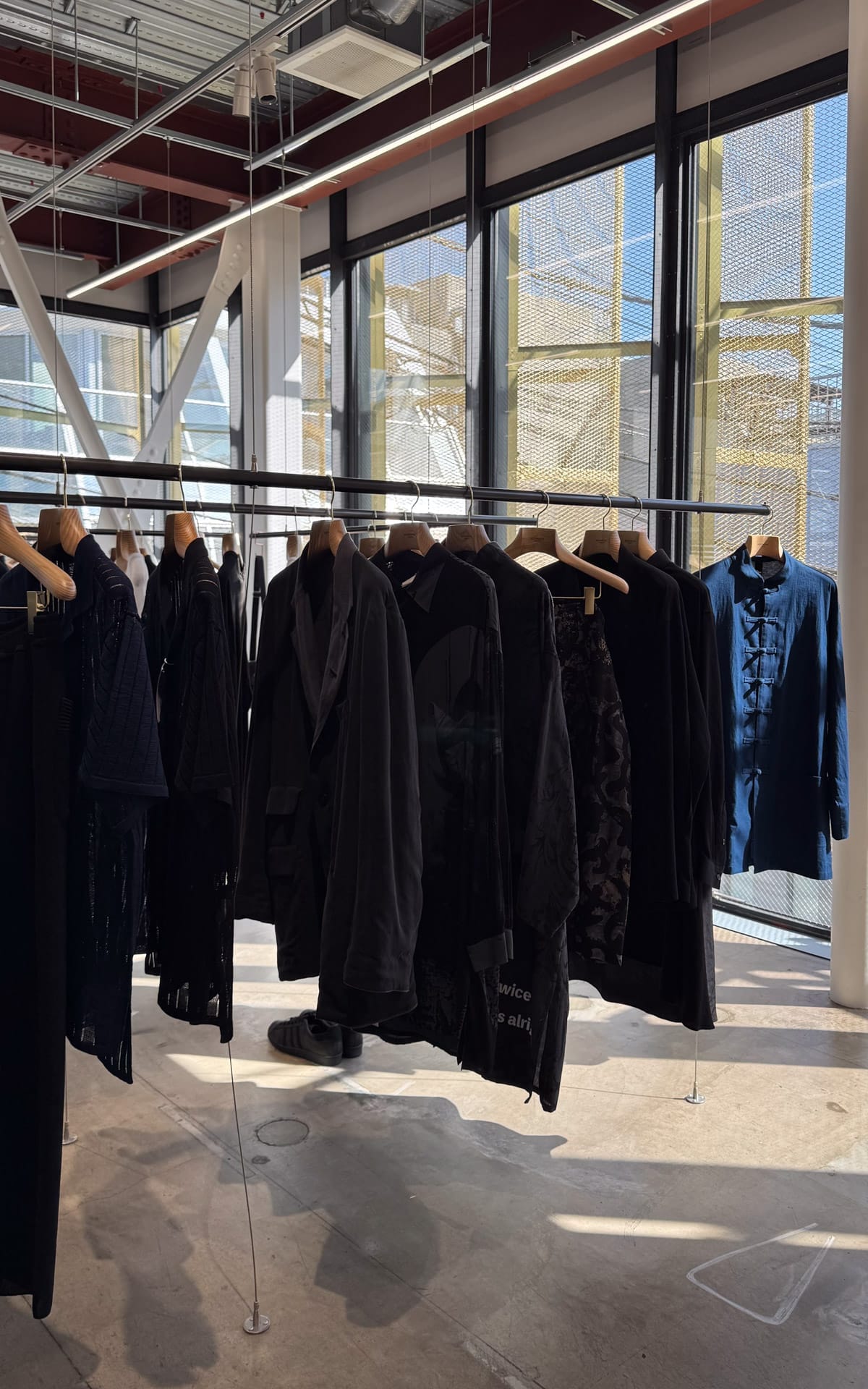
Laila Vintage | Studious
- RAGTAG -for second-hand designer pieces at fair prices. I found a black Yohji Yamamoto purse here.
- Studious - for contemporary men's clothing from Japanese brands.
- Côte&Ciel - for minimal crossbody bags, sling bags, and backpacks.
- Laila Vintage- for fashion-forward designer vintage. I like that it's small and easy to browse.
- Graphpaper - for minimalist Japanese clothing with clean silhouettes and quality fabrics. Located down a side street, it has the feel of an insider's find.
For lunch, switch things up with authentic tacos at Tacos 3 Hermanos. We got the tip from a friend from Mexico, and they reminded us of the tacos we've ate in Mexico City.
18. Drink a cocktail in Tokyo's Frank Lloyd Wright-inspired bar
Few people realize how much Japan influenced the work of American architect Frank Lloyd Wright.
He spent years studying Japanese design and even designed Tokyo's legendary Imperial Hotel, which opened in 1923.
It was eventually demolished in the late 1960s as Tokyo modernized and the aging hotel was replaced with a larger building.
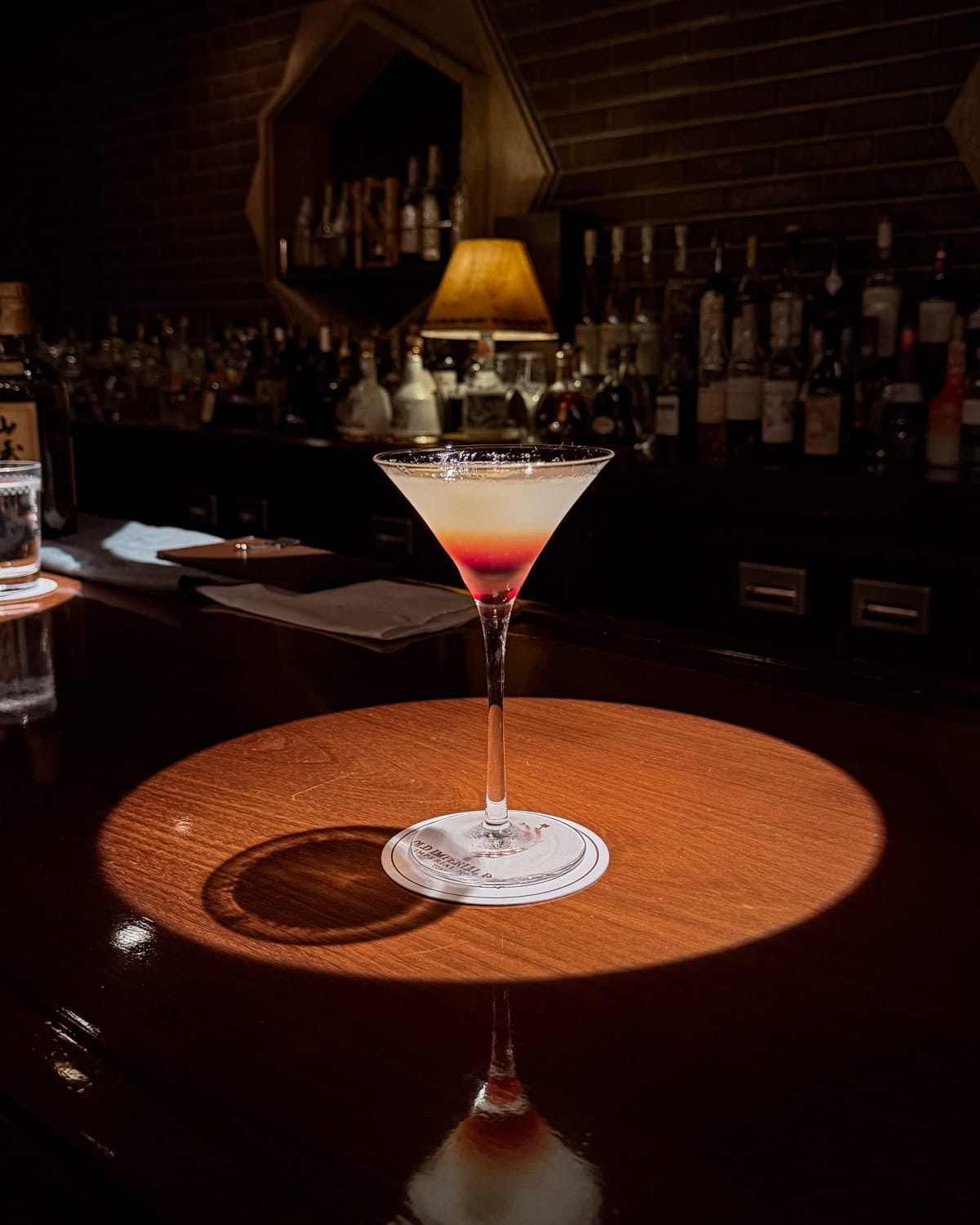
The Imperial Hotel's Old Imperial Bar pays tribute to that lost masterpiece.
Dark wood, geometric detailing, brickwork, carved concrete blocks, and low lighting create a Wright-inspired atmosphere that feels unlike anywhere else in Tokyo.
The cocktails weren't the same calibre as others we had in the city, so we'd suggest sticking with a classic. You're really here for the room itself.
19. Try food other than Japanese cuisine
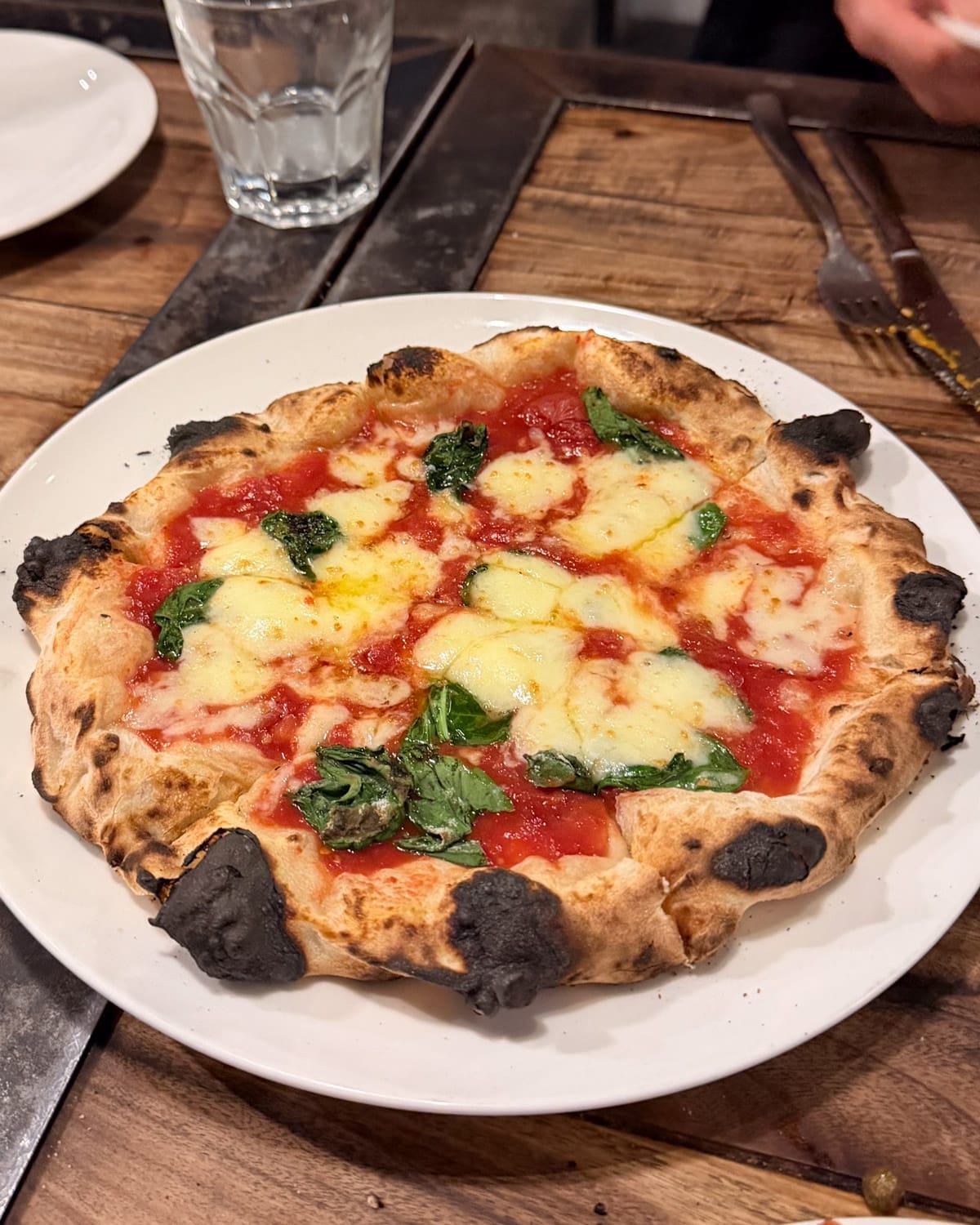
It's easy to get caught up in sushi, ramen, and tempura while you're in Tokyo. We certainly did. But one of the biggest surprises from our trips to Japan was how well they do Italian and French food.
Japan has a long history with French and Italian cuisine, and many chefs train overseas before bringing those techniques home.
Combined with Japan's obsession with quality and attention to detail, the results can be exceptional.
We never expected to find one of our top pizzas in the world in Tokyo, but that's exactly what happened.
Check out PST Roppongi for outstanding Neapolitan-style pizza, and go for their classic margherita.
Tokyo is also packed with excellent French restaurants, including many that have earned Michelin recognition.
20. Dig through Tokyo's record stores
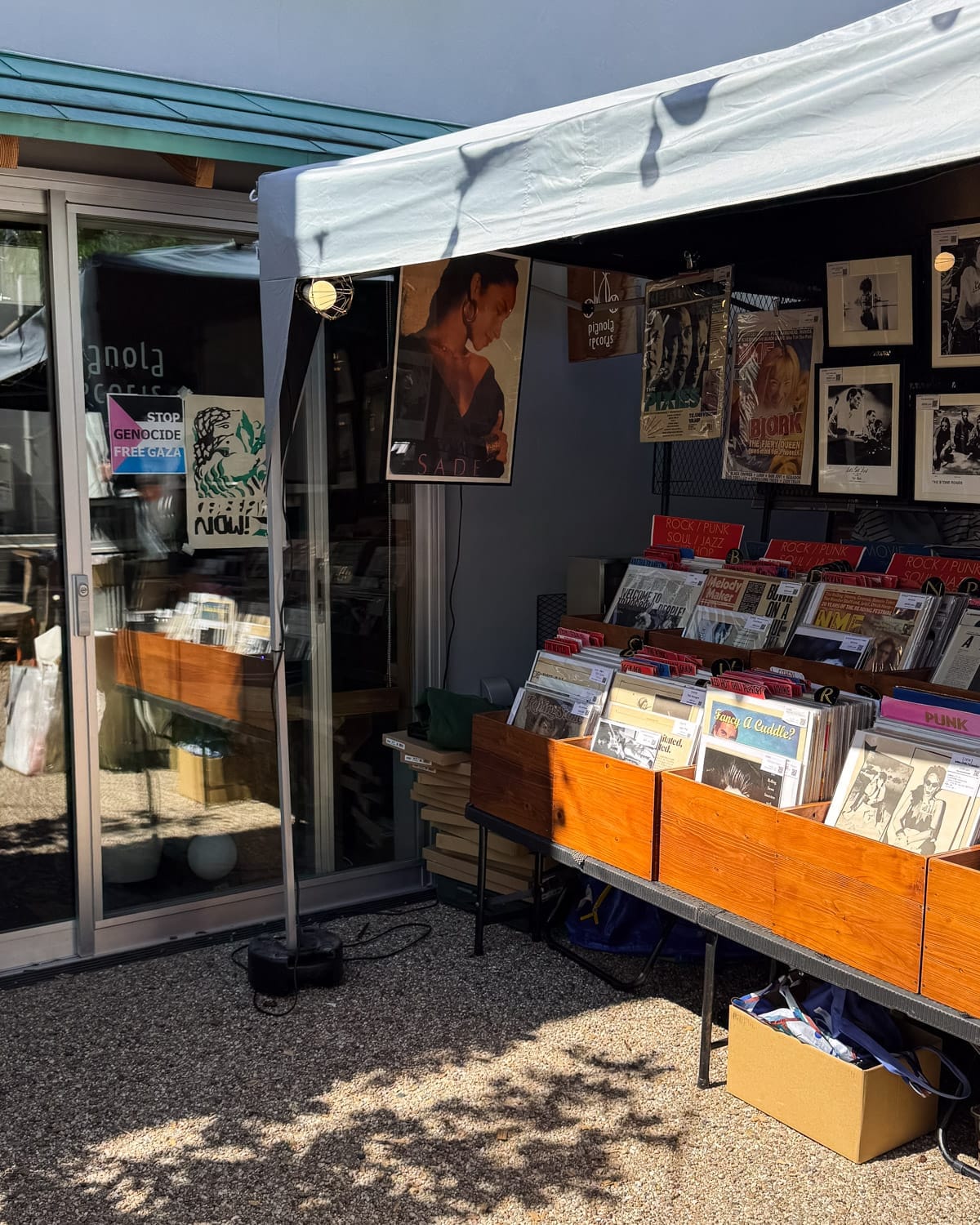
Tokyo is one of the world's great cities for record collectors.
Alongside plenty of jazz, you'll find entire sections devoted to Japanese artists, plus deep selections of soul, funk, hip hop, city jpop, house, techno, and ambient music.
Our three favourite shops were:
Disk Union - The giant of Tokyo record shopping. It's two floors and has an entire jazz department. I spent two hours here and could have spent more if my legs weren't so tired.
Lighthouse Records - One of the city's best shops for house, techno, disco, and other electronic music, with a carefully curated selection.
Pianola Records - a small but thoughtfully curated shop in Shimokitazawa.
I was specifically hunting for '90s and '00s house/techno records and found the strongest selection at Disk Union and Lighthouse Records.
21. Drink matcha in Hamarikyu Gardens
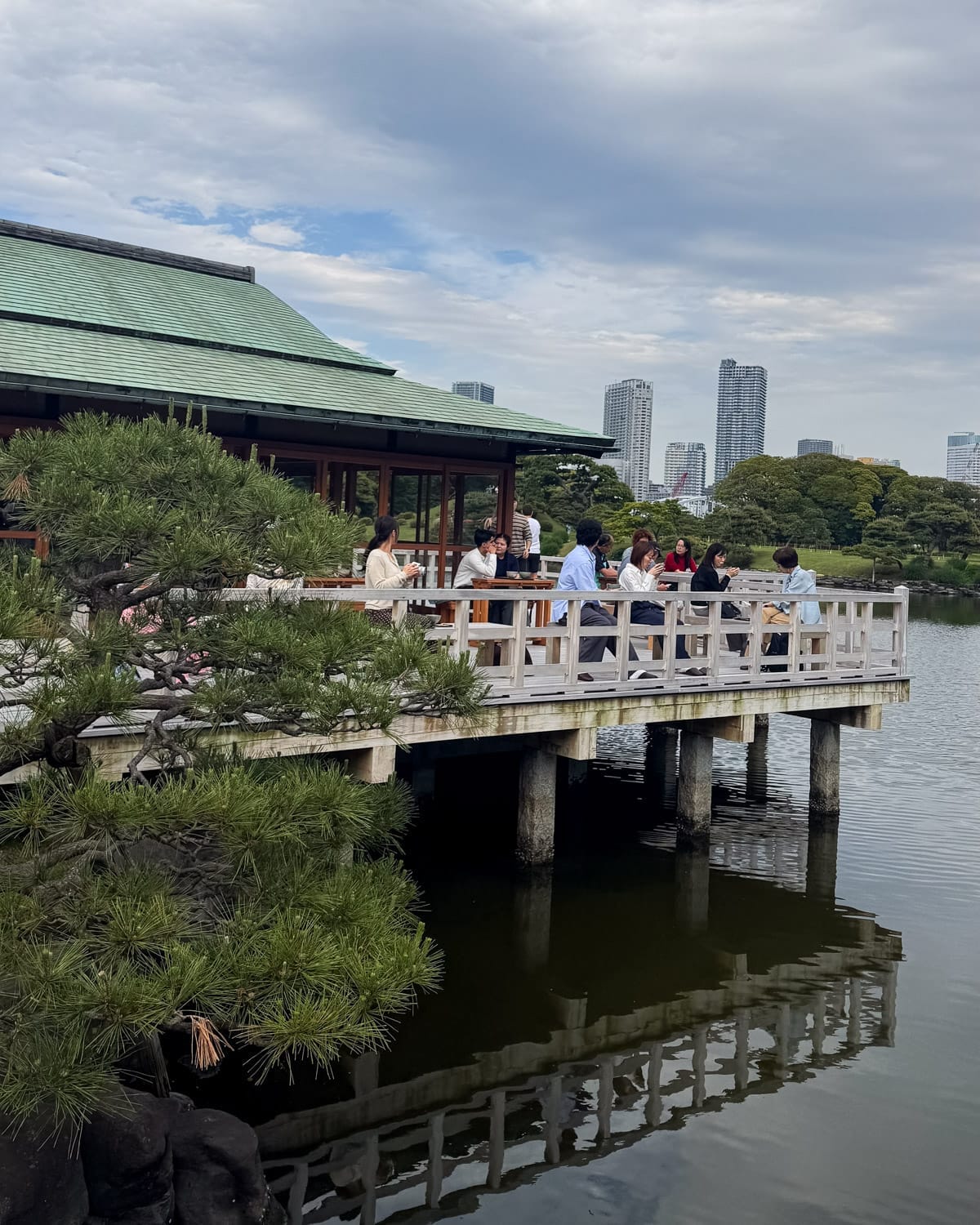
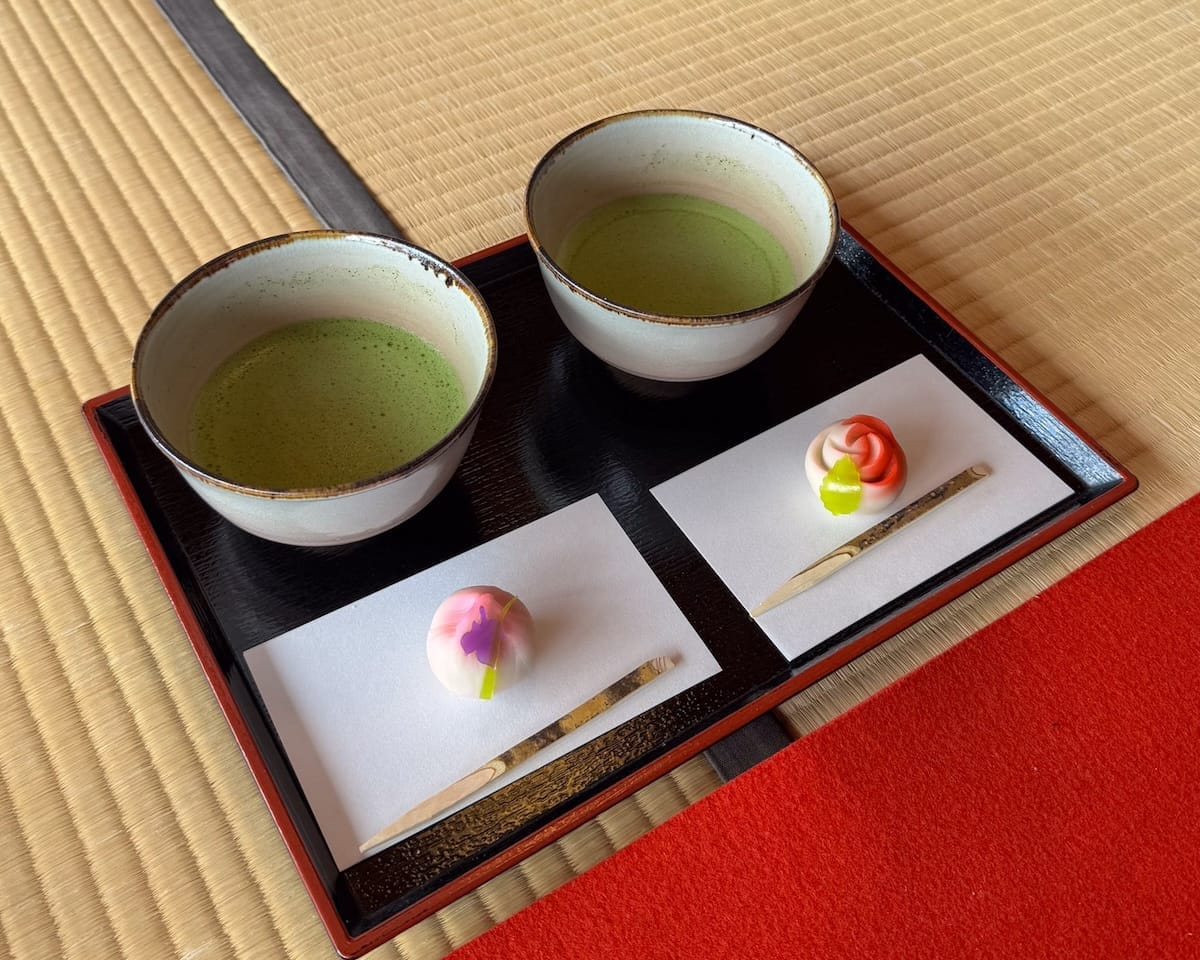
Hamarikyu Gardens is our favourite green space in Tokyo.
Surrounded by skyscrapers, the gardens feel surprisingly peaceful, with walking paths, ponds, and a beautiful 300-year-old pine tree that has been carefully supported by wooden posts for generations.
Before leaving, stop at the teahouse set on a small island in the middle of the gardens.
We ordered matcha with a traditional Japanese sweet and spent some time looking out over the water.
22. Experience modern kaiseki at Shirosaka
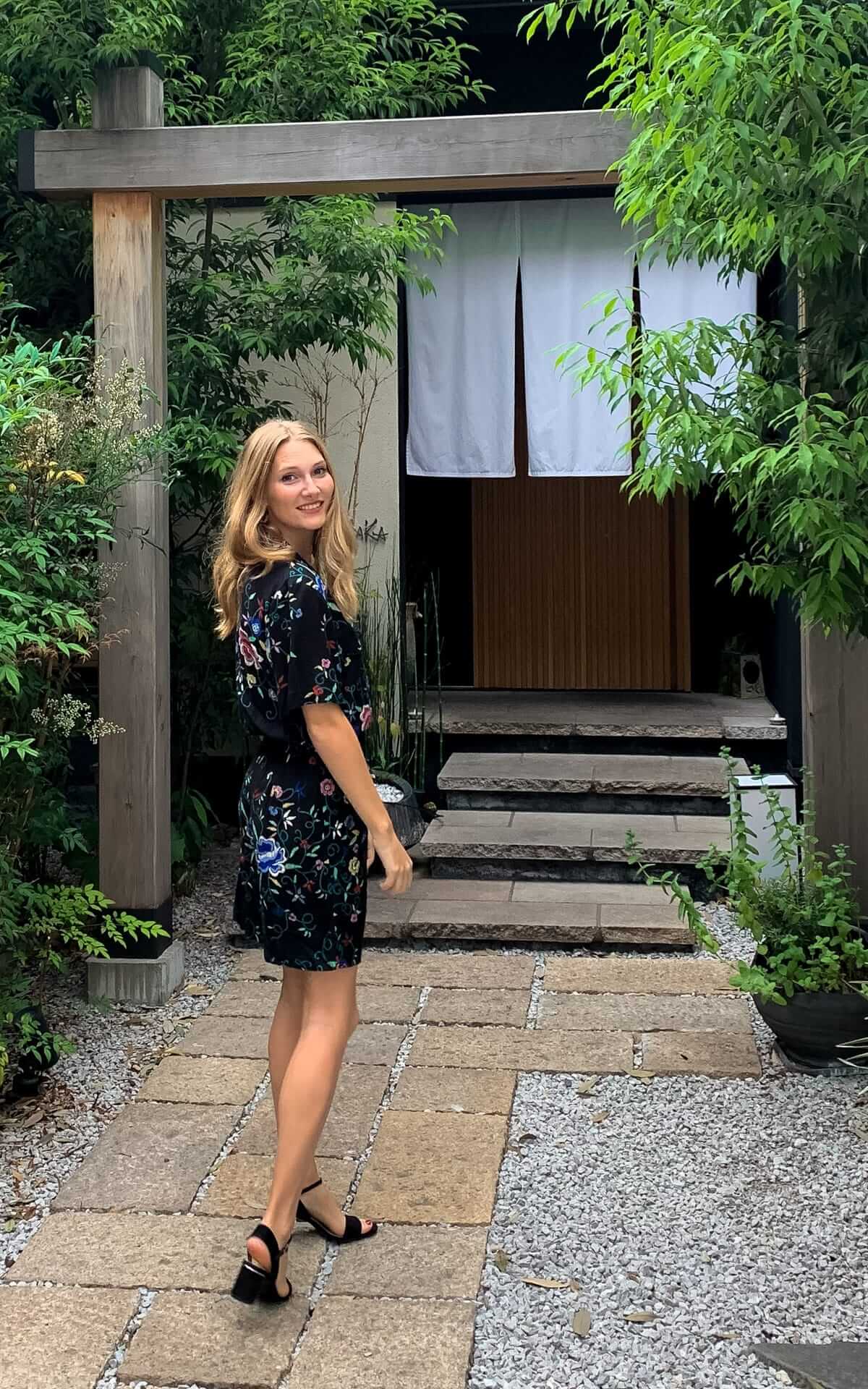
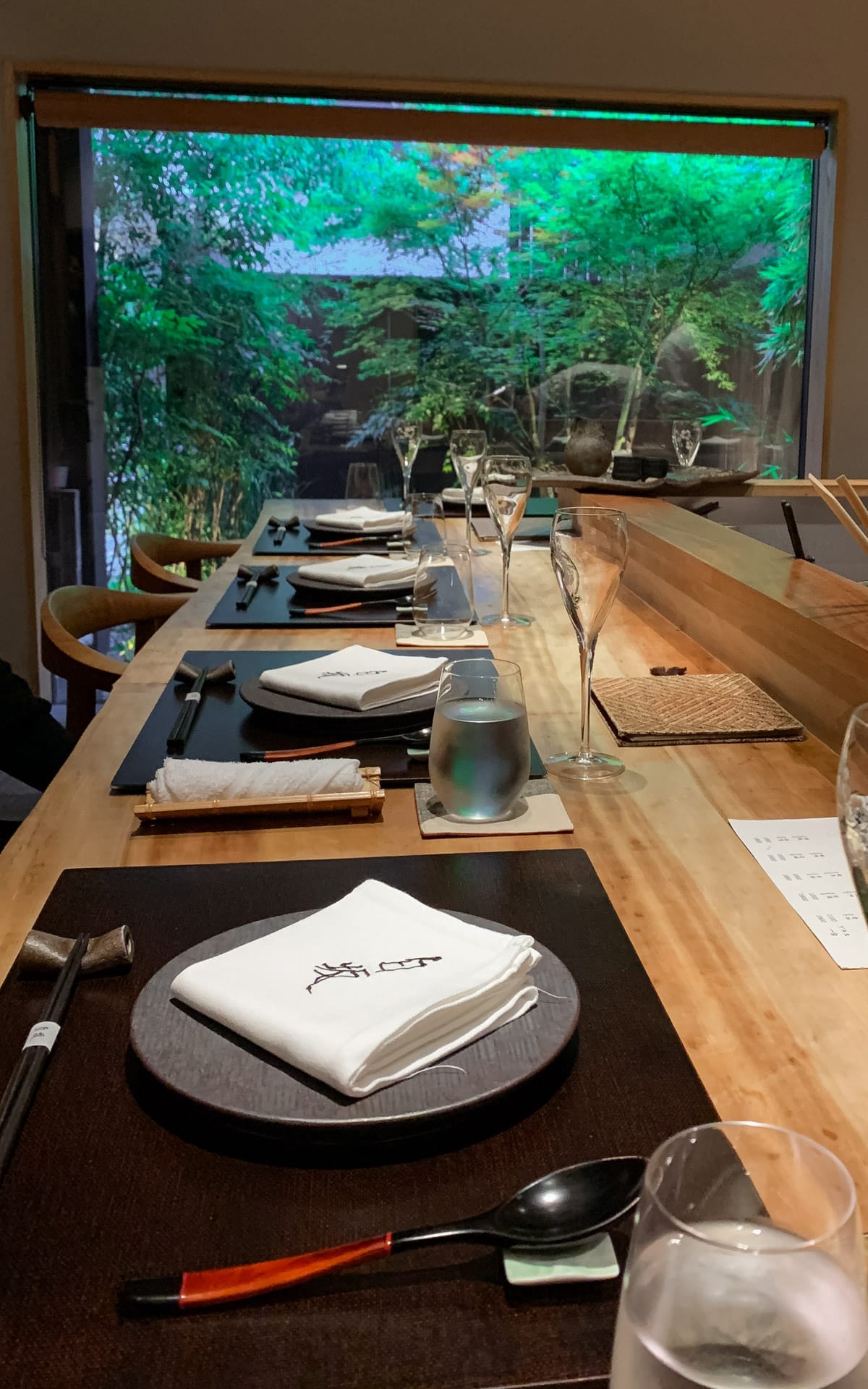
Intimate dining experience at Shirosaka
This restaurant deserves its own spot on the list because it's one of the best meals we've had anywhere in the world.
We've eaten at many Michelin-starred restaurants, and Shirosaka stands out. Not because it's flashy or over-the-top, but because every single dish was exceptional.
By the end of the meal, we realized there wasn't a single course we would have changed.
Shirosaka serves kaiseki, a traditional Japanese multi-course meal, but in a much more relaxed and approachable way. The atmosphere is warm and welcoming, not intimidating.
The menu changes with the seasons, but expect beautifully prepared fish, Wagyu beef, vegetables, and noodles.
The food is rooted in traditional Japanese cuisine but incorporates modern and Western influences that make it approachable.
If you enjoy sake, don't skip the pairing. The experience starts with a glass of champagne before moving through a series of thoughtfully chosen sakes.
What impressed us most was that each sake arrived in a different vessel that somehow seemed perfectly matched to the dish it accompanied.
23. Dance until sunrise at Oath nightclub
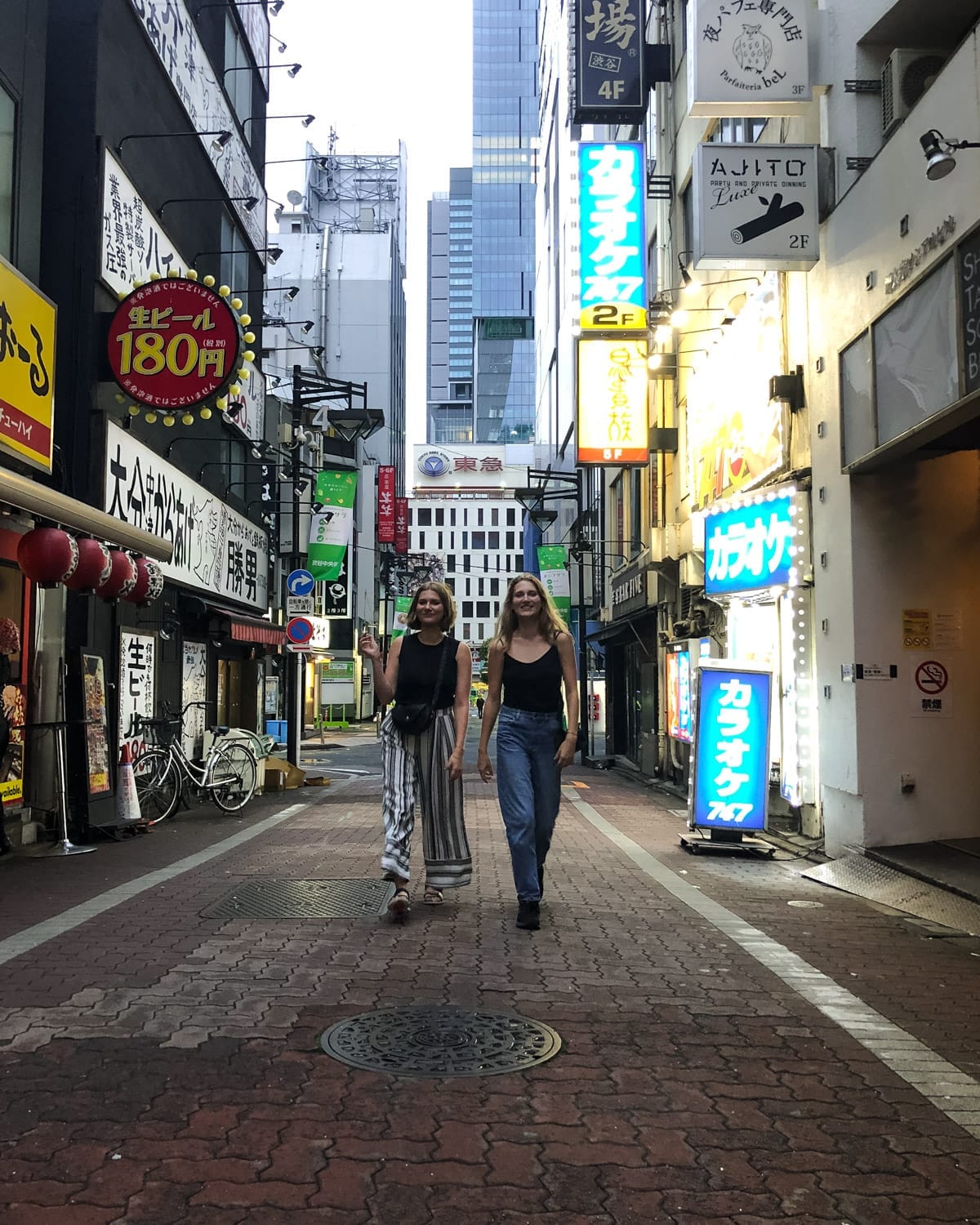
Skip the bottle-service clubs and Top 40 joints and head to Oath instead.
Local DJs spin an excellent mix of house, disco, and funk that keeps you moving.
What we liked most was the atmosphere. People were friendly, the crowd wasn't pretentious, and the comfortable seating area made the club feel more intimate than most.
24. Try Japan's favourite burger chain
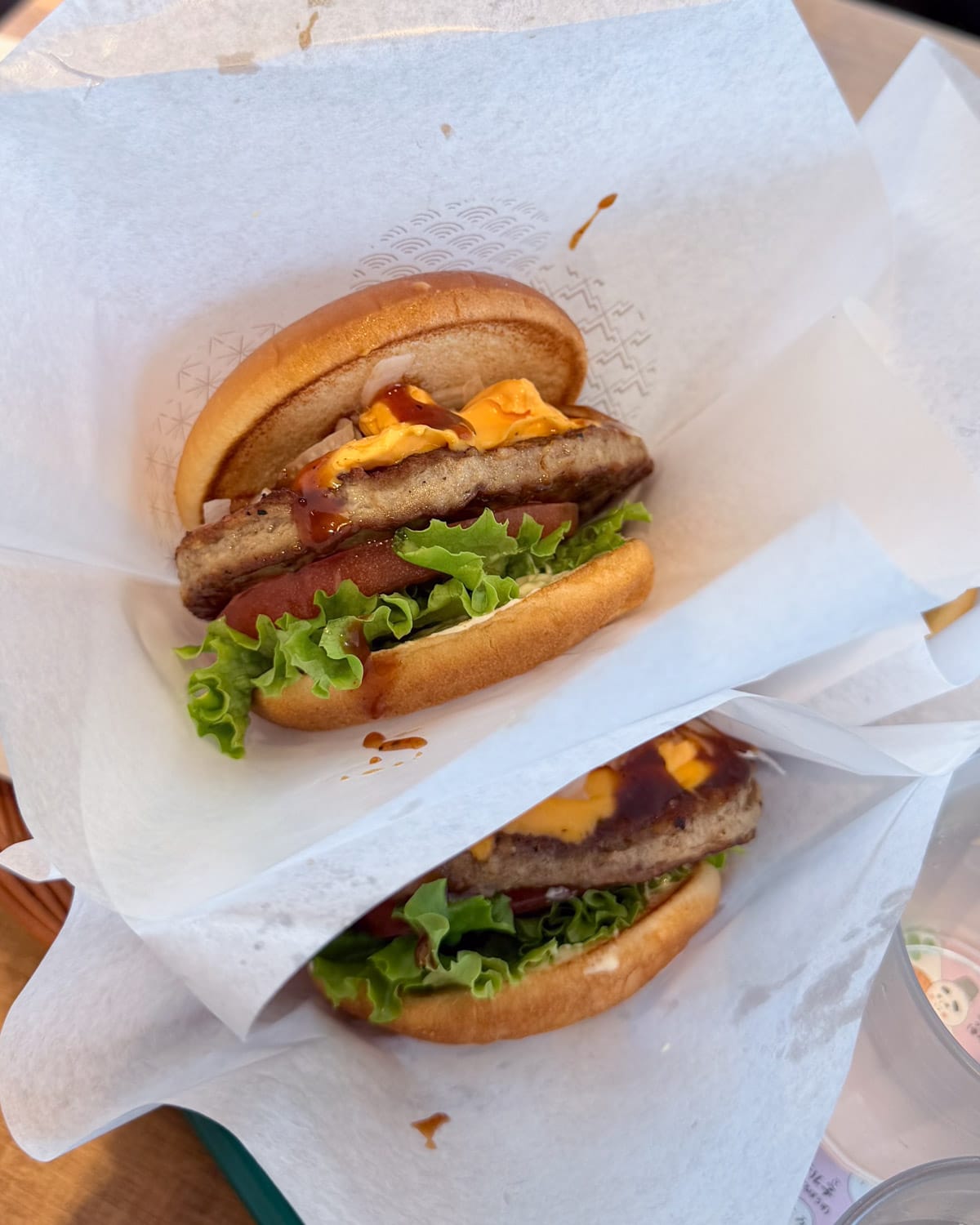
When hunger calls at lunchtime, and you're in the middle of exploring the city, go for a satisfying bite at MOS Burger.
Founded in Tokyo in 1972, MOS Burger is Japan's answer to McDonald's, though it feels distinctly Japanese.
Burgers are made to order and feature flavours tailored to local tastes.
We ordered the classic MOS Cheeseburger, topped with melted Hokkaido cheese, lettuce, tomato, and a sweet-savoury sauce that kind of tasted like teriyaki BBQ.
25. Eat like a local at a standing restaurant
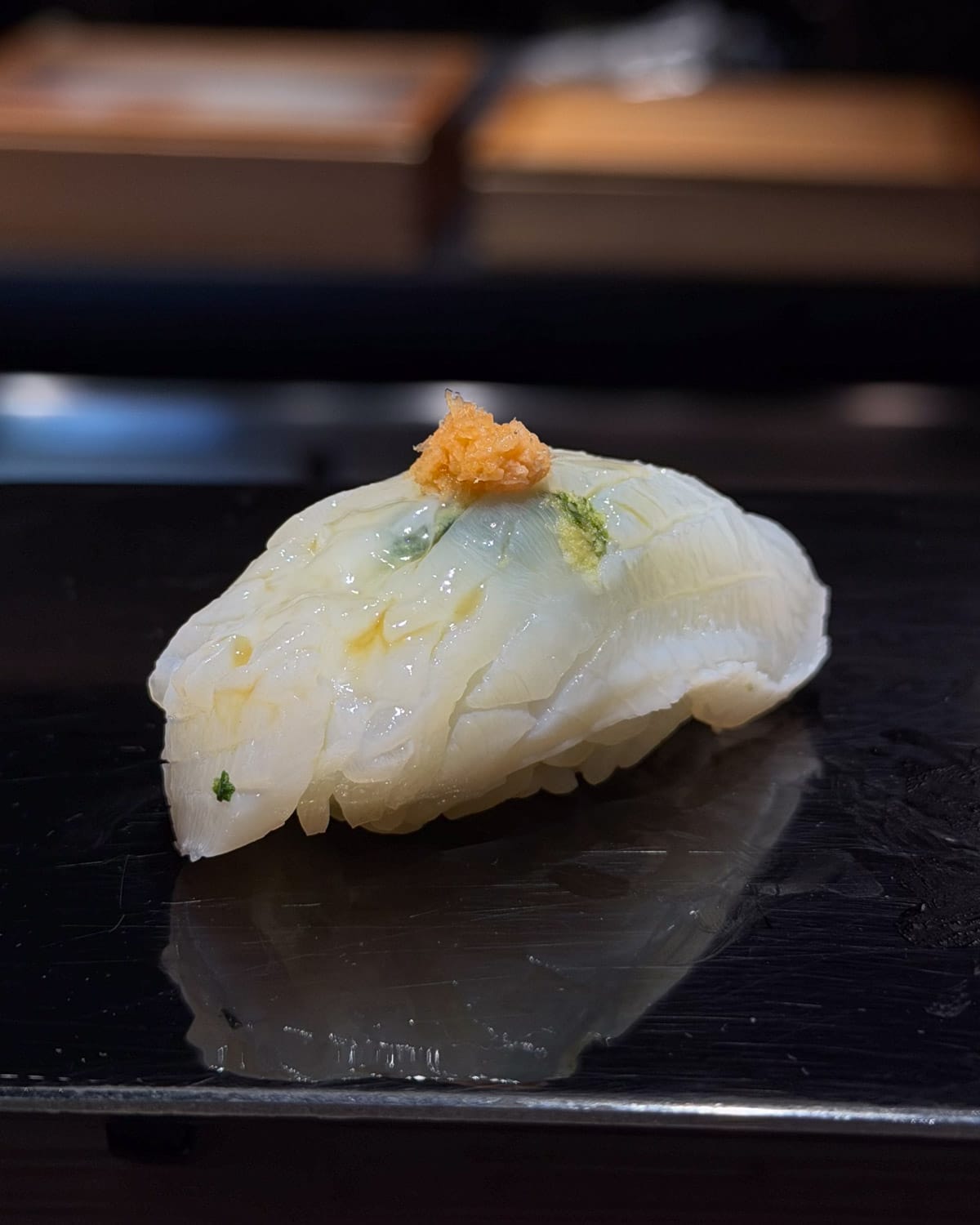
Standing restaurants (called tachigui) became popular in Japan as a quick and affordable way for busy workers to grab a meal.
Today, they’re also one of the easiest ways to experience some surprisingly high-quality food without the headache of making reservations far in advance.
We managed to get a reservation at Tachigui Sushi Tonari just a few days ahead, despite it being a Michelin Bib Gourmand restaurant.
Orders are placed on a small touchscreen, nigiri arrives within minutes, and the quality of the fish is excellent.
Standing through an entire meal might not be for everyone after a long day of sightseeing, but it's a fun Japanese dining experience.
26. Spend an evening in Akihabara's arcades
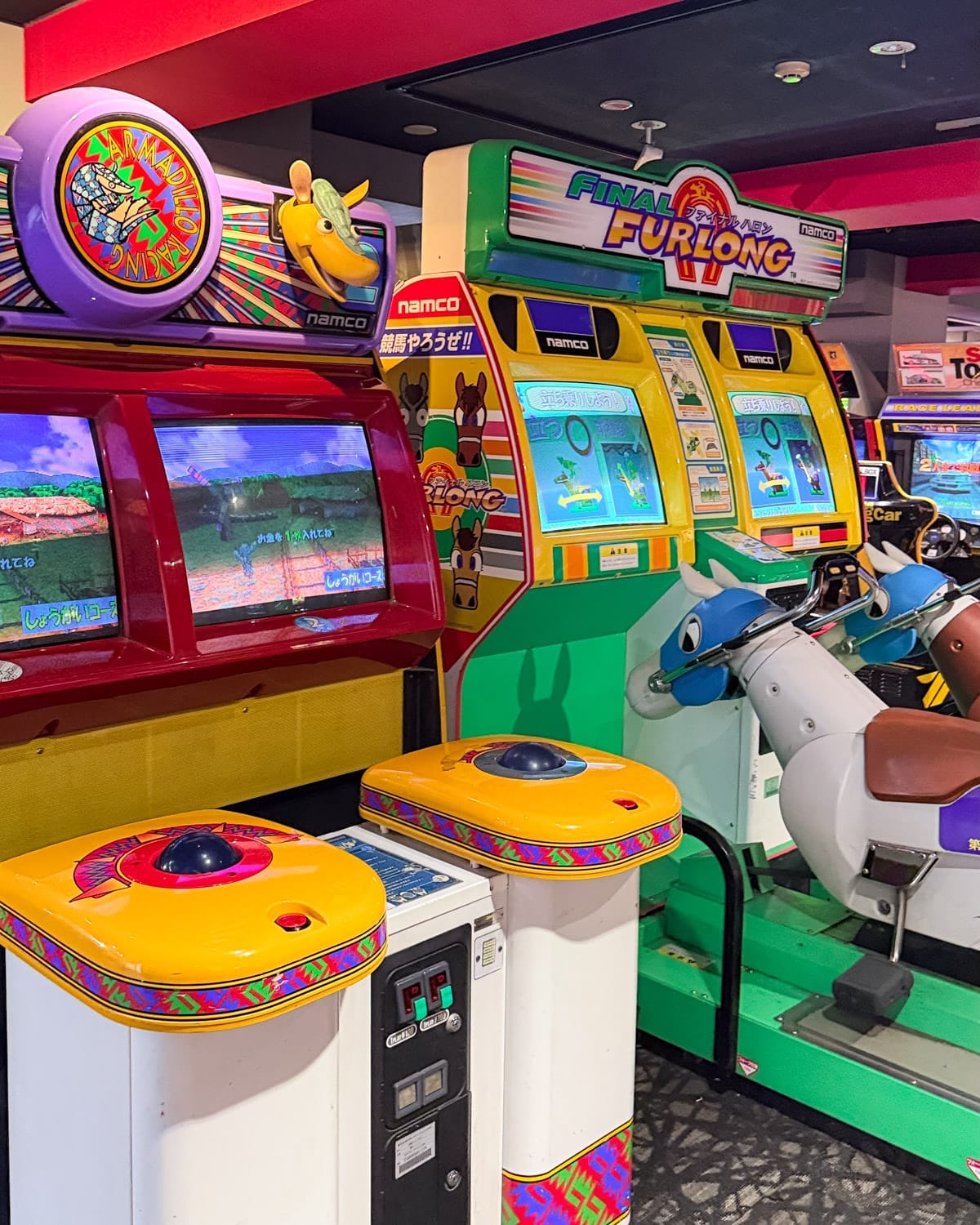
If you grew up playing video games, don't miss Akihabara.
Known as Tokyo's gaming and electronics district, the neighbourhood comes alive at night with glowing signs, multi-storey arcades, and a nostalgic energy.
We had a blast at GiGO. Head upstairs, past the first few floors of claw machines, and you'll find the real arcade experience.
From Mario Kart Arcade GP and Alpine Racer to horse racing simulators, rhythm games, and retro classics, we ended up playing games here until closing!
27. Shop for traditional Japanese craftsmanship
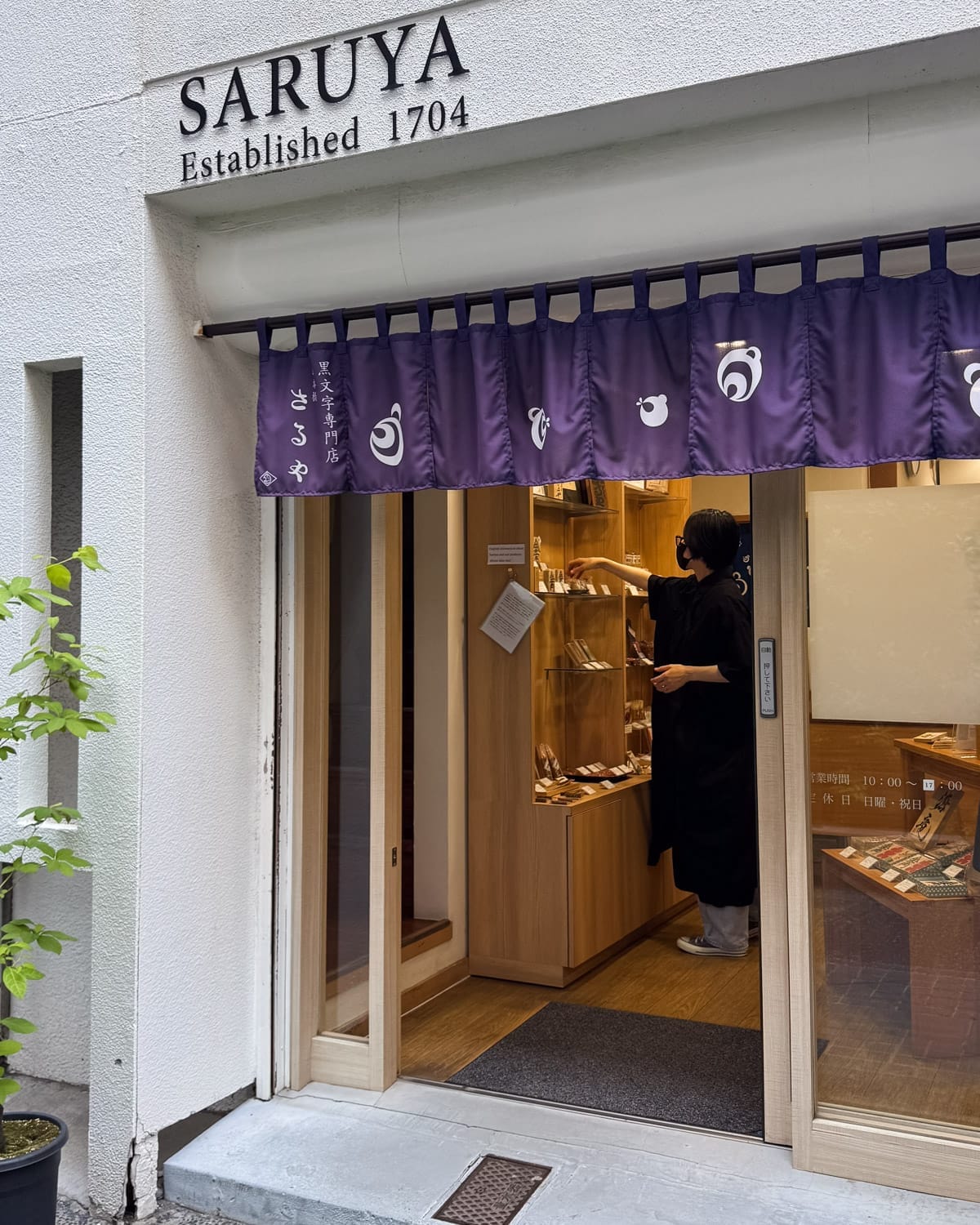
If you're interested in Japanese craftsmanship, set aside some time to explore a few of Tokyo's long-standing specialty shops.
Nihonbashi Saruya (founded in 1704) - Japan's oldest toothpick maker. It may sound like an unusual souvenir, but look for their handcrafted wooden toothpicks. They're aesthetic, sturdy and perfect for charcuterie boards and appetizers.
Haibara (founded in 1806) - a beautiful washi paper shop (traditional Japanese paper made from plant fibres). You'll find stationery, cards, notebooks and paper goods. Keep an eye out for the bundles of scrap washi paper that have been combined. They're inexpensive and perfect for wrapping small gifts.
Yaesu Ishikawa Terrace - the store is packed with regional foods, sake, ceramics, and handcrafted goods.
28. Try food at Lawson, Family Mart or 7-Eleven... seriously!
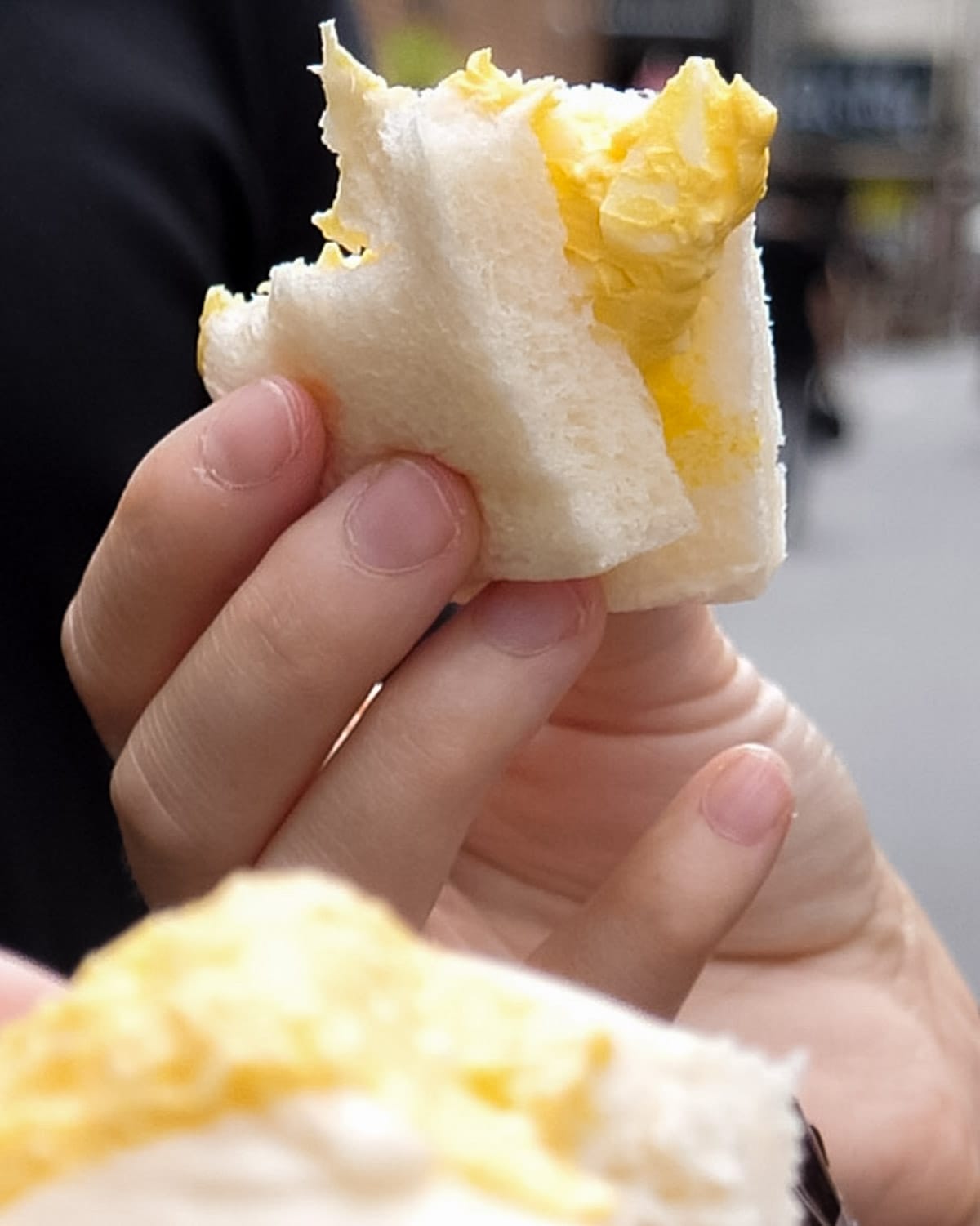
The convenience store scene in Tokyo is hot. It's a surefire place to get a quick tasty bite or a cheap drink, especially late at night.
We pretty much stopped into Lawson, Family Mart or 7-11 once a day to grab something.
Part of the secret is freshness. Prepared foods are delivered throughout the day, and the quality is on a completely different level than what we're used to in North America.
Don't miss out on trying these:
- Egg salad sandwich - Anthony Bourdain raved about Lawson's egg salad sandwiches, and he was onto something. Soft white bread, creamy egg salad, perfection.
- FamiChiki - FamilyMart's spicy fried chicken. Mmm!! Grab one hot from the case when you need a savoury snack.
- Hangover cure drinks - grab a bottle of Ukon no Chikara before a night out. This tiny turmeric vitamin drink was Ari and his classmates' go-to whenever they were heading out for drinks.
29. Go for a run around the Imperial Palace
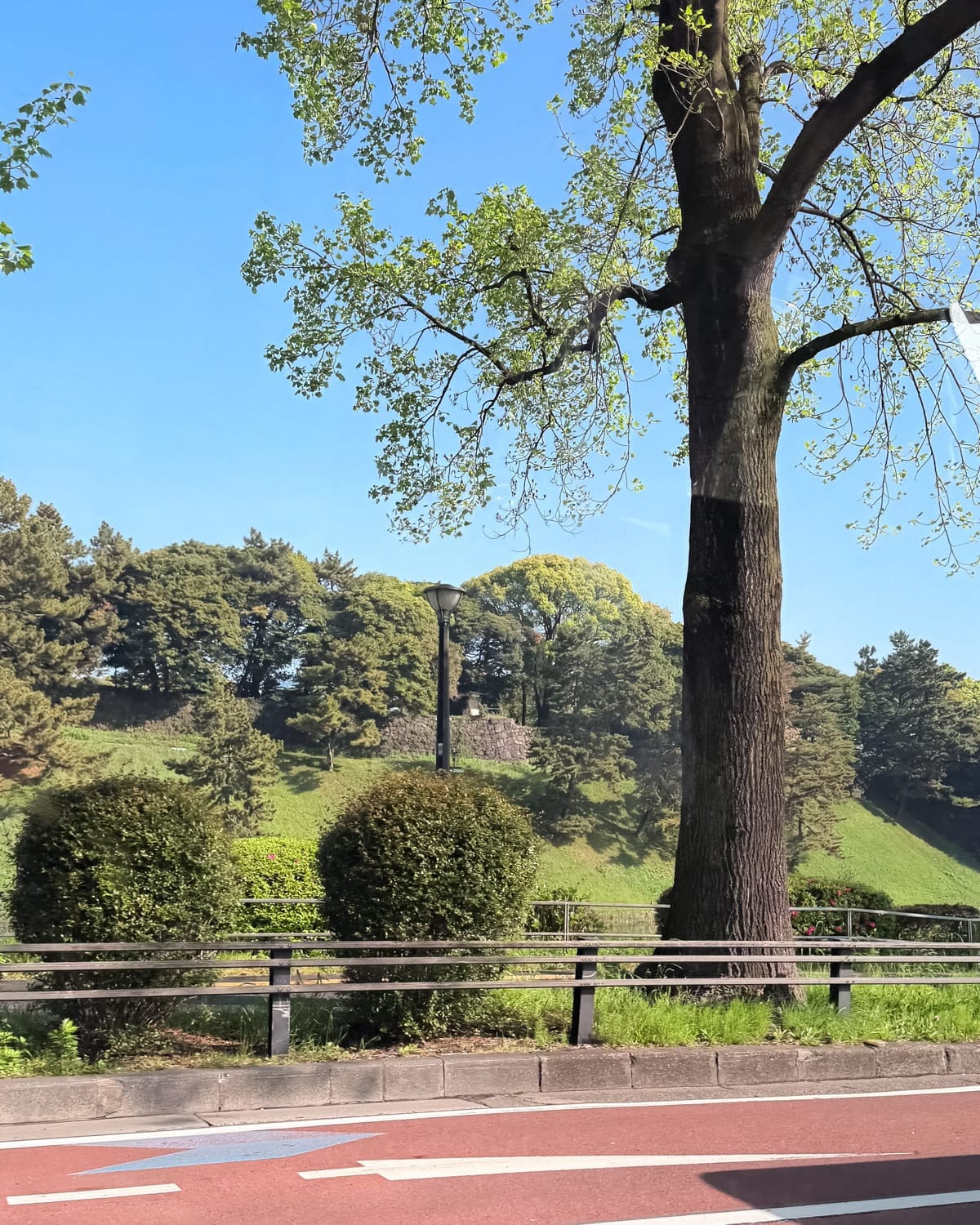
After a few days in Tokyo, there's a good chance you'll have eaten your weight in sushi, ramen, and convenience store snacks.
Ari tried to balance things out by going for a run around the Imperial Palace.
The loop is about 5 kilometres, flat, and has some peaceful stretches for being in the middle of one of the world's largest cities.
Interested in learning more about the Imperial Palace? Viator offers highly-rated walking tours.30. Try a Tonkatsu sandwich
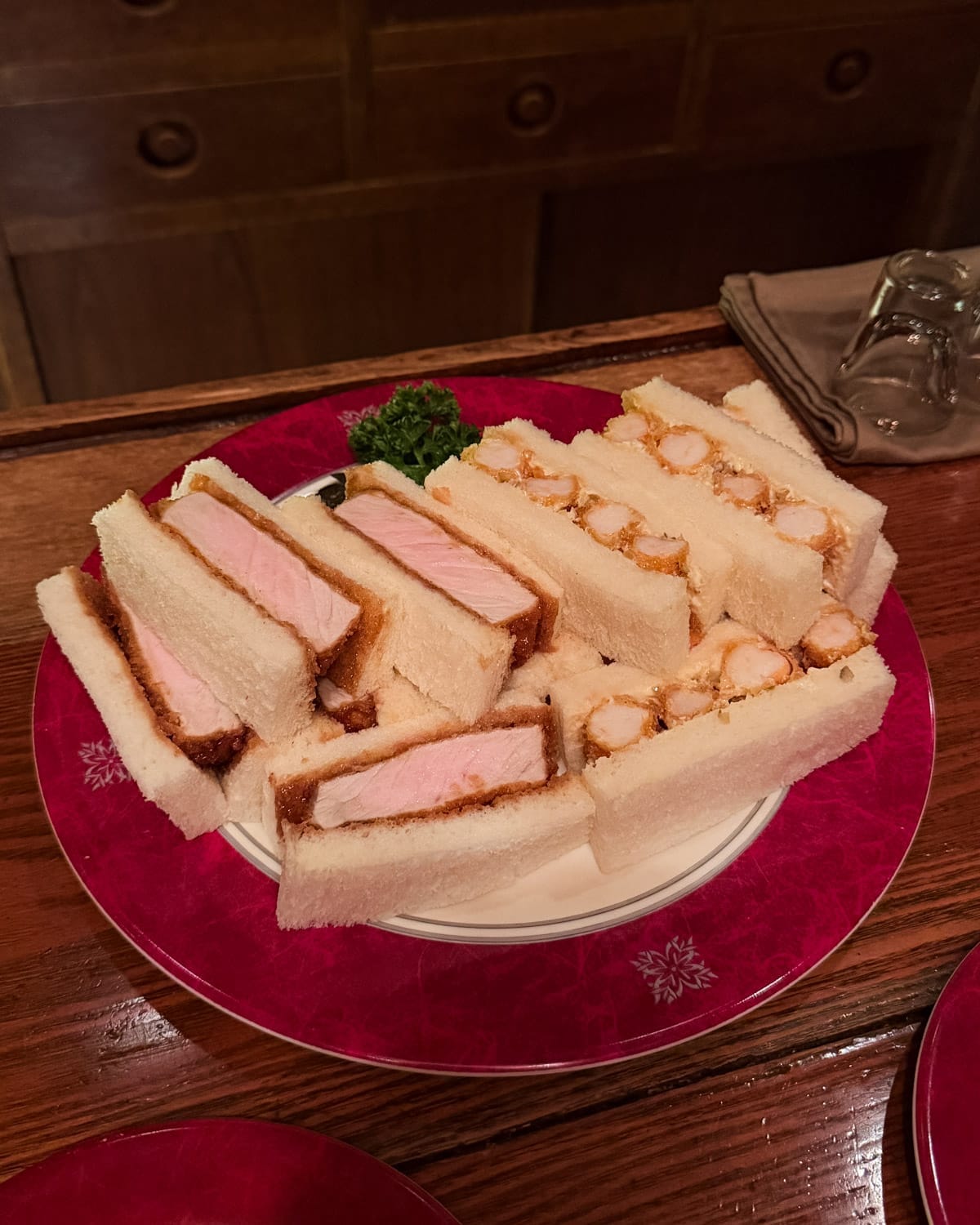
Do I still think about it? Yes. Do I wish I could have one right now? Also yes.
Meet the mighty tonkatsu sandwich.
Imagine warm, pillowy white bread with the crusts removed, wrapped around a juicy piece of panko-breaded pork loin.
Then comes the tonkatsu sauce. Slightly sweet, slightly umami, and seemingly created for this exact purpose.
31. Drink coffee out of a vending machine
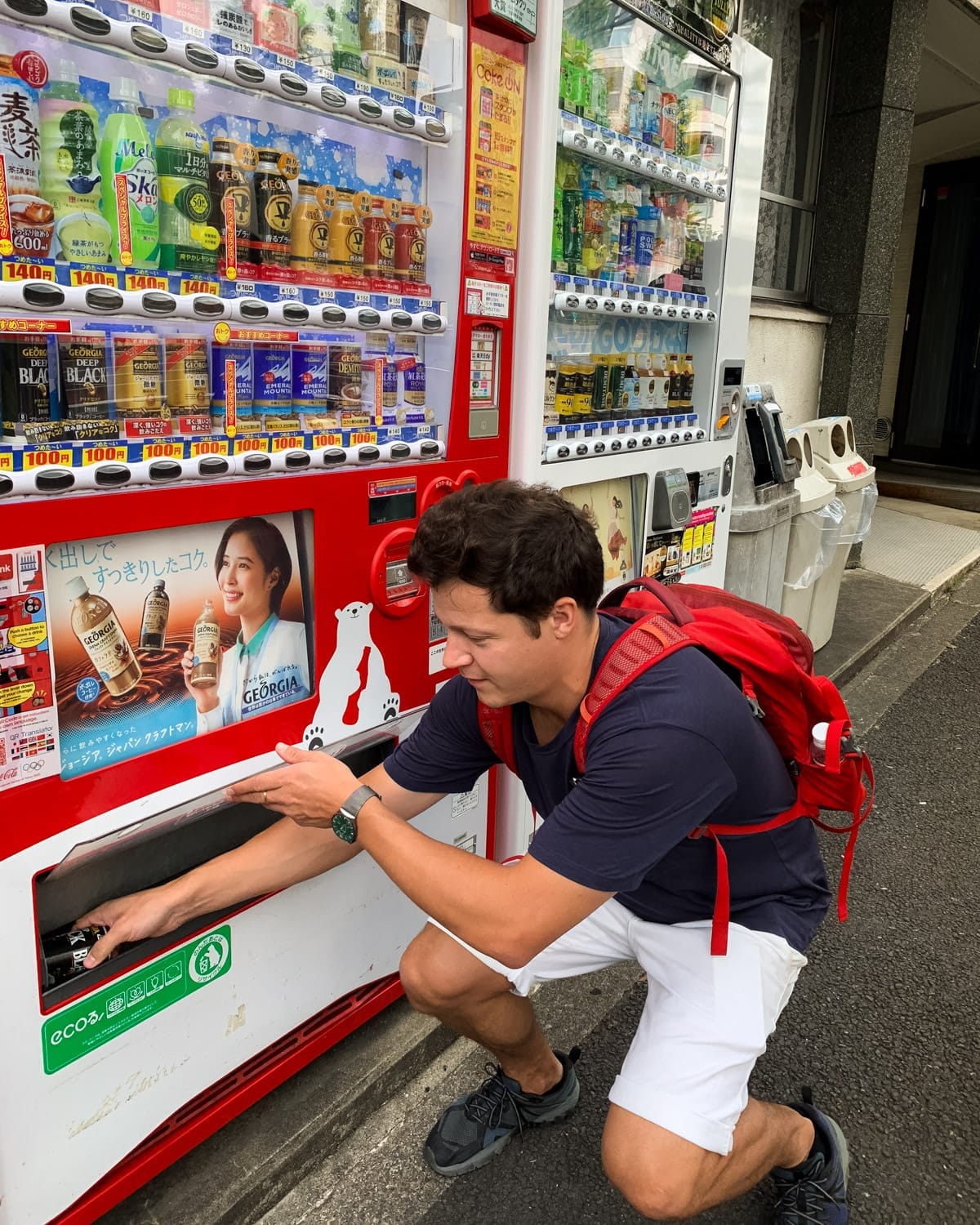
With an overworked population, there seems to be an endless supply of caffeine based drinks available at all times.
We were amazed that vending machines could dispense both ice-cold coffee and hot canned coffee. You'll see them peppered everywhere throughout the city.
We hope you enjoyed these alternative things to do in Tokyo!
Don't miss our other Japan guides:
- Ultimate 2 Week Japan Itinerary
- 4 Day Kyoto Itinerary - Iconic Sights & Hidden Spots
- 2 Day Naoshima Itinerary - Japan's Art Island
- 2 Day Osaka Itinerary - What Not to Miss
Get started on planning your trip to Tokyo
- 🌃 Accommodation: Booking.com is our go-to for finding places to stay. Sort by top reviewed.
- 🎡 Browse activities: through GetYourGuide. Most experiences offer free cancellation up to 24 hours in advance.
- 🛫 Book your flight: use Skyscanner to compare flights across different airlines (we recommend booking direct with the airline however).
Don't forget about travel insurance
👩⚕️ For affordable travel insurance: go with SafetyWing - it's budget-friendly and you can even buy it while abroad, but note the max medical coverage is $250,000 USD. 🏥 For comprehensive travel insurance: go with World Nomads - it's more expensive, but the max emergency medical coverage is $5-10 million, depending on the plan.Save and pin these alternative things to do in Tokyo for later:
Looking for more travel inspiration? Check out our list of Gastronomic Experiences Around the World to inspire your next trip.