
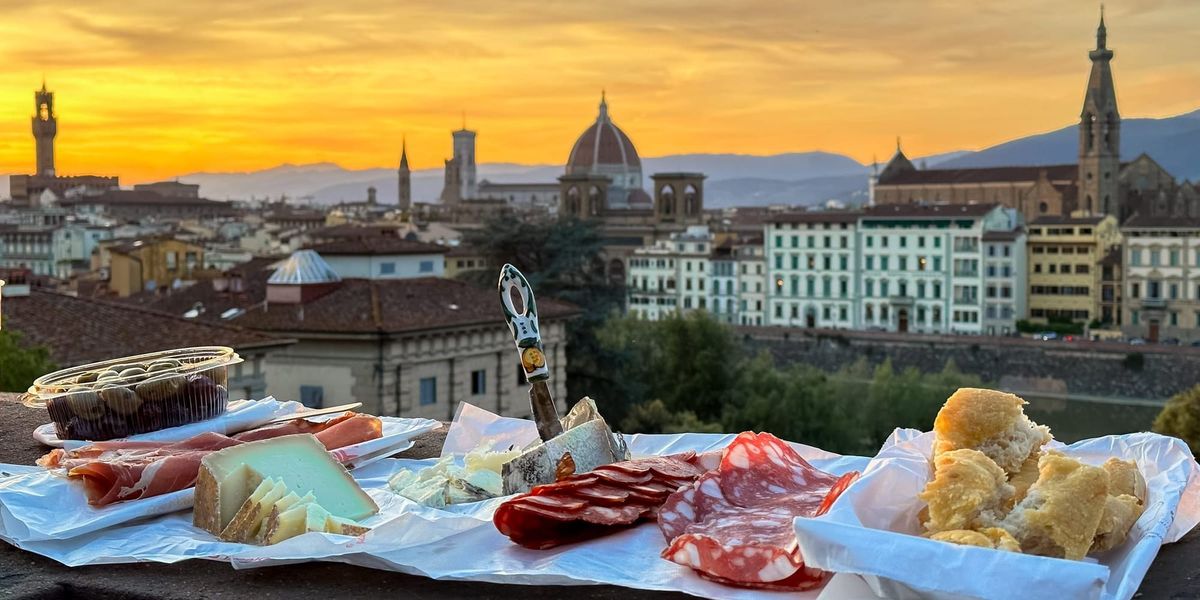
Food is one of the best ways to learn about a country's culture. Local ingredients, cooking techniques and the way people eat together are all expressions of its identity.
And one of the best parts of exploring local food culture? Discovering new dishes, ways of eating and flavours you never knew existed.
After travelling to 60 countries, we've rounded up our 25 most outstanding culinary experiences around the world.
From eating the best pizza of our lives and sipping wine beneath the Andes to exploring night markets and discovering the art of omakase sushi, these are the culinary experiences we recommend the most.
Each experience links to one of our travel guides to help you plan your next trip.
Our 25 Most Outstanding Culinary Experiences Around the World
1. Letting the chef surprise you with omakase sushi in Tokyo
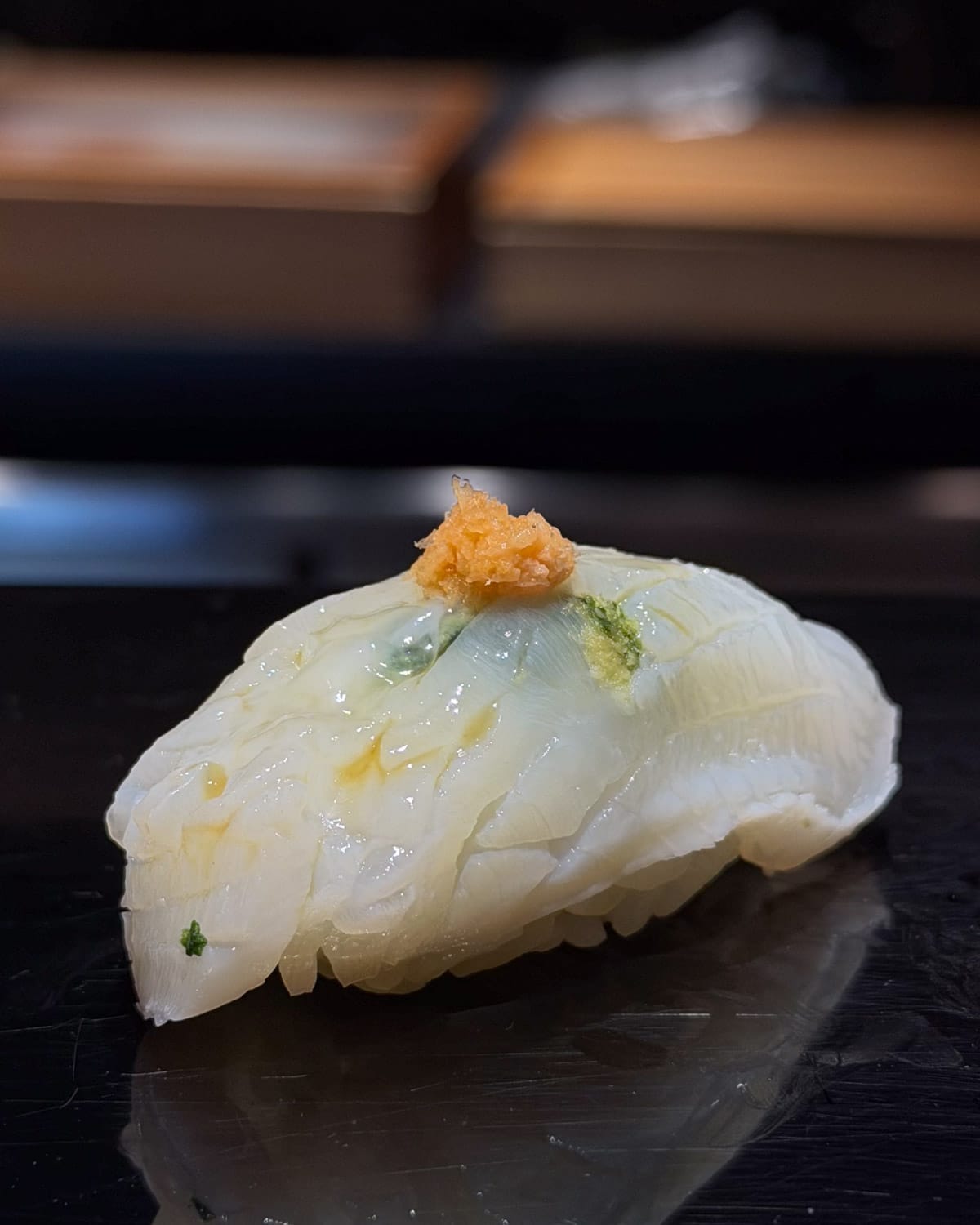
Sushi is one of Japan's most famous culinary traditions, made with vinegared rice and fresh seafood. But for something truly special, try omakase, which translates to "I'll leave it up to you."
Rooted in Tokyo's historic Edomae sushi culture, the chef selects and prepares each piece using the freshest seasonal ingredients.
It can be a little intimidating since there's no menu and you never know what kind of sea creatures you'll be eating. But that's the fun of it.
You'll discover seafood you would never have thought to order, or even known existed. Let the chef surprise you!
Before our first omakase, we watched Jiro Dreams of Sushi, which gave us a whole new appreciation for the artistry involved.
See our 2 Week Japan Itinerary, including our favourite omakase sushi restaurants in Tokyo.
2. Tasting ancestral and artisanal mezcals in Oaxaca
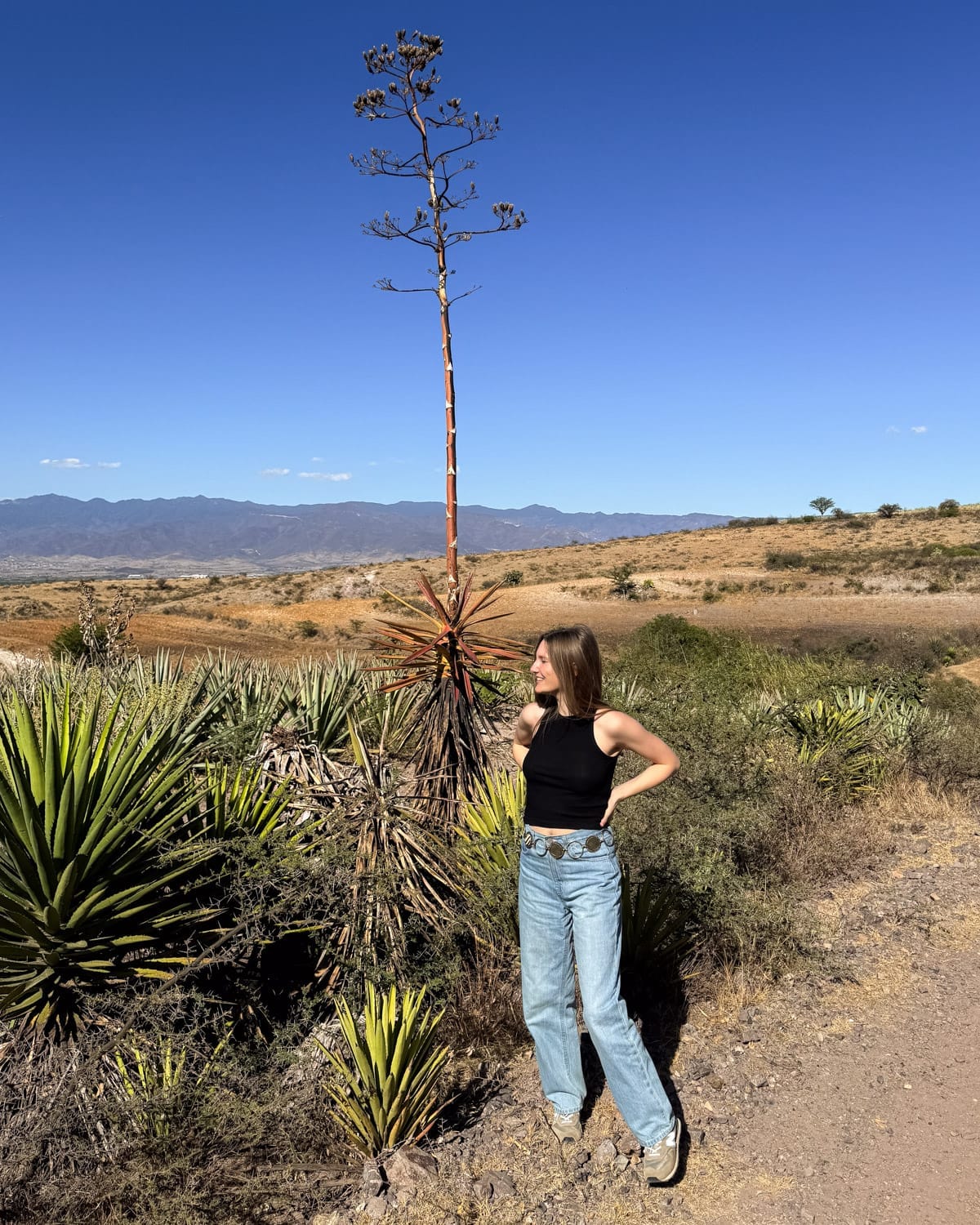
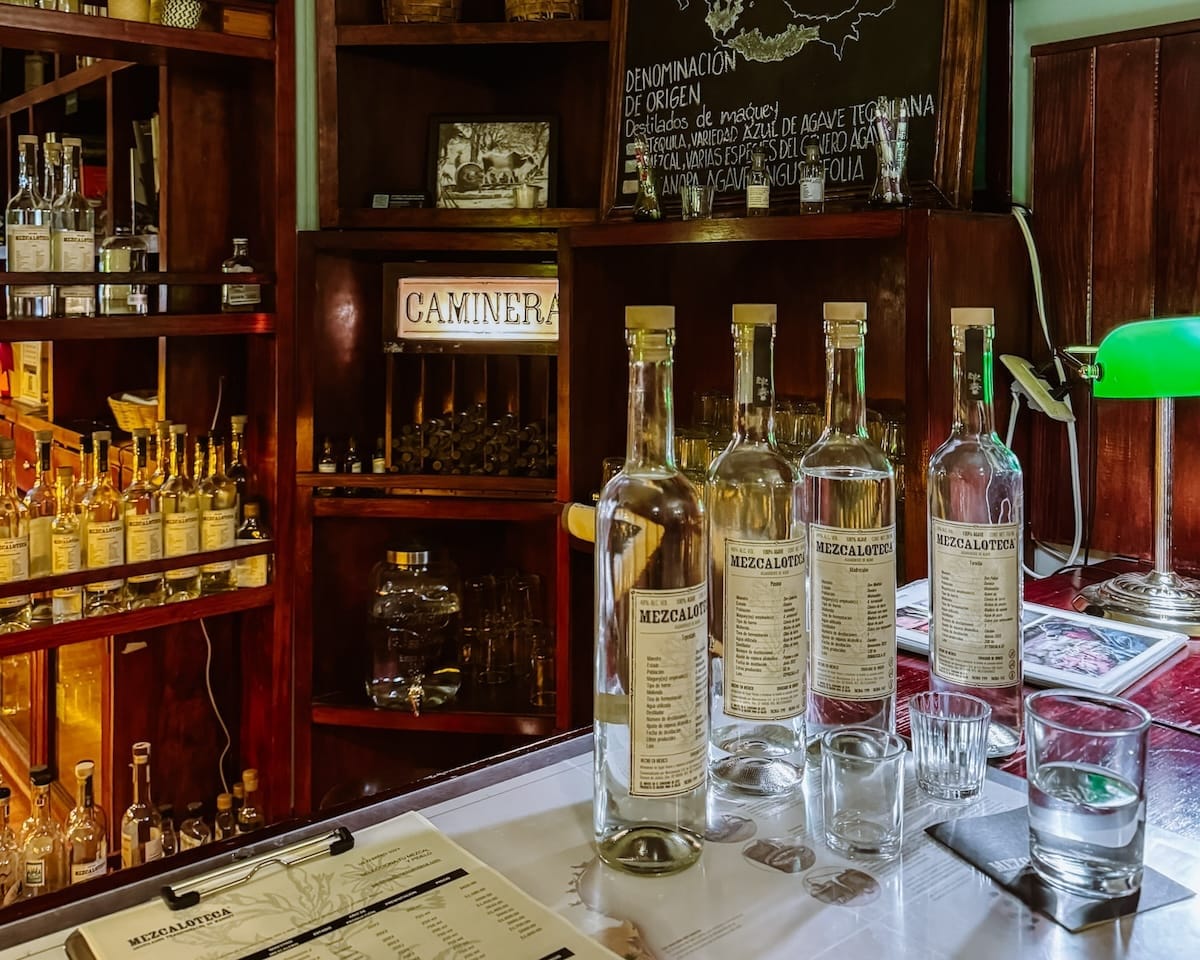
Oaxaca is Mexico's mezcal heartland, where generations of mezcaleros have perfected this traditional agave spirit.
Many people don't realize that tequila is actually a type of mezcal. While tequila uses only blue agave, mezcal can be made from dozens of agave varieties, with flavours ranging from smoky and earthy to fruity and floral.
Some wild agaves take over 30 years to mature!
Half the fun is discovering your favourite agave variety. Mine is Jabali and Ari's is Tepeztate. What will yours be?
What makes it especially interesting is how it's produced. Ancestral mezcal is traditionally distilled in clay pots, while artisanal mezcal uses copper stills, each influencing the flavour.
We stumbled upon a tiny ancestral distillery in the Oaxacan countryside, where we watched the mezcalero at work before sampling his creations.
And back in Oaxaca City, we found some fantastic mezcal bars for tastings.
See our 3 Day Oaxaca Itinerary for our favourite spots to taste mezcal.
3. Warming up with Swiss cheese specialties in the Alps
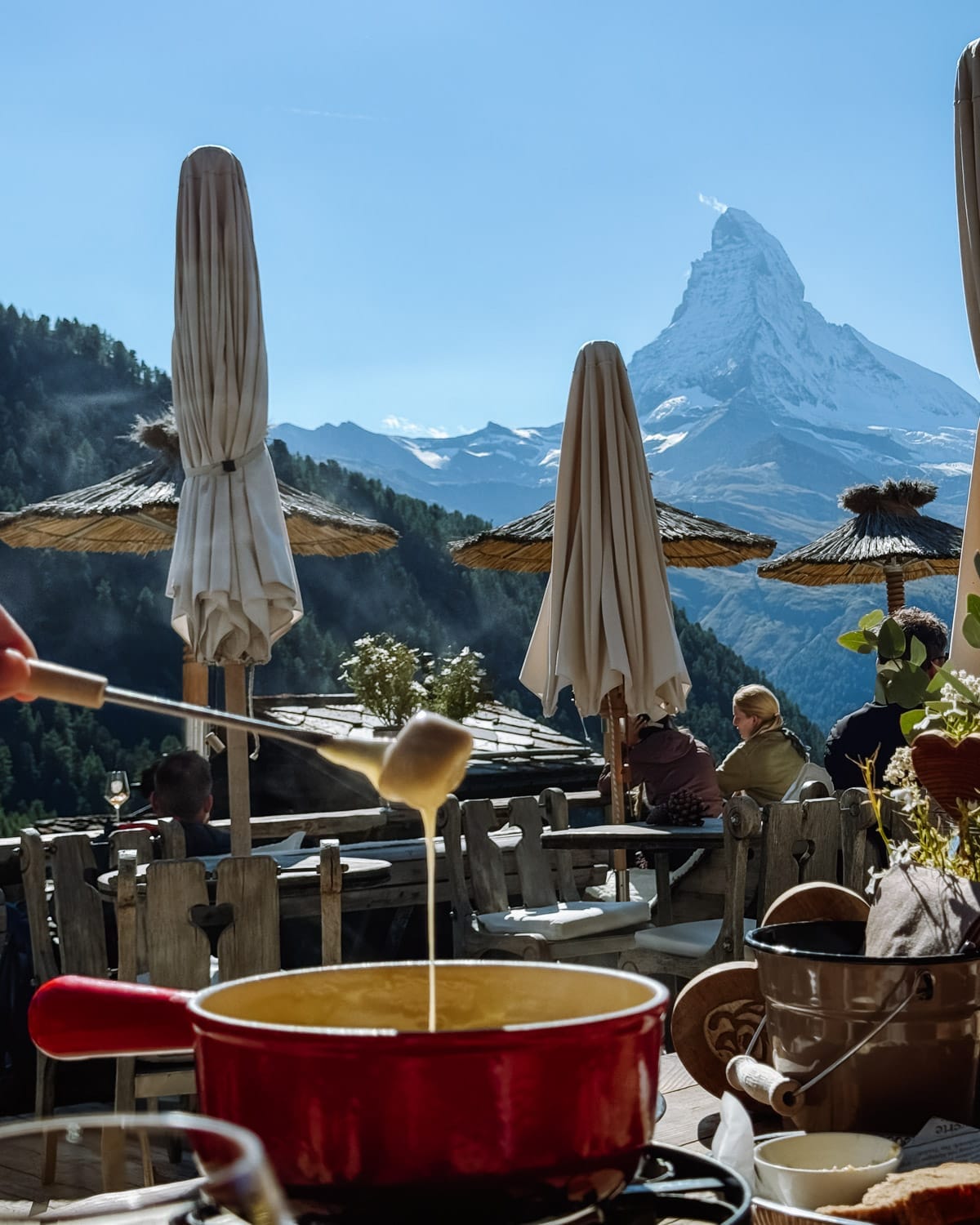
Switzerland is THE place for cheese lovers. Every time we visit, we can't wait to eat raclette and cheese fondue. We've tried ordering them outside Switzerland, but it's just not the same.
Raclette is made by heating half a wheel of cheese until golden and bubbling, then scraping the gooey goodness over baby potatoes, with pickles and pickled onions on the side.
Cheese fondue is typically a bubbling blend of Gruyere and Emmental cheeses, white wine, kirsch (cherry brandy) and garlic. Grab a long fondue fork, spear a chunk of crusty bread and swirl it around until it's covered in melted cheese.
We've visited Zermatt many times, and eating melted cheese with snow-covered Alpine views never gets old.
For our favourite mountain chalets serving Swiss specialties, check out our Zermatt winter and Zermatt summer guides.
4. Discovering Piedmont's Slow Food movement and nebbiolo wines
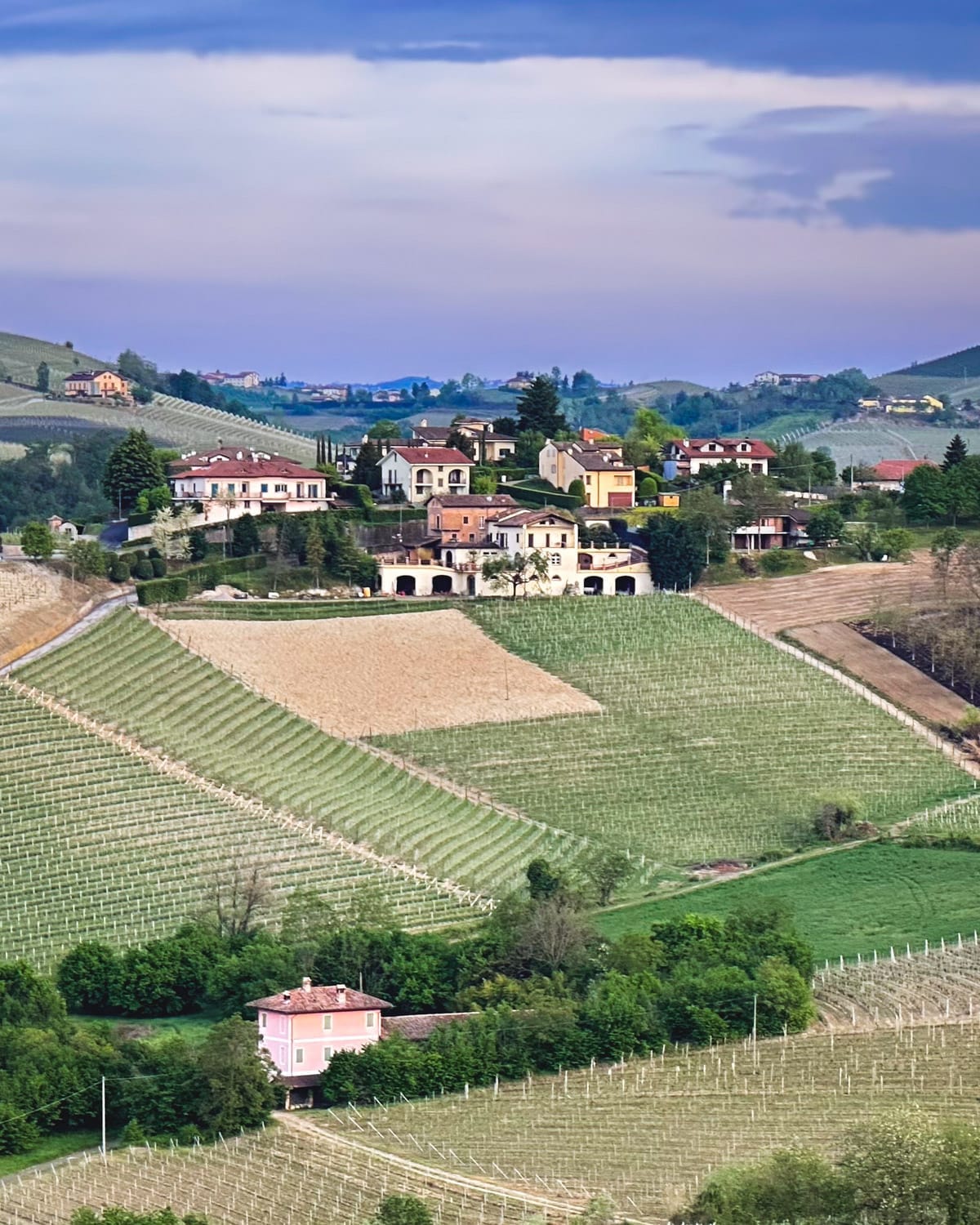
Piedmont is a dream destination for serious food and wine lovers.
Tucked away in northern Italy, its rolling Langhe hills are home to two of the country's most prestigious wines, Barolo and Barbaresco.
Both are made entirely from Nebbiolo grapes, but Barolo is typically bolder and more tannic, while Barbaresco tends to be softer and ready to drink earlier.
And the food is just as exciting. Piedmont is the birthplace of the Slow Food movement, which champions local ingredients and traditional preparation.
It's also famous for its prized white truffles and tender Fassona beef.
We loved exploring the medieval wine villages and stopping at family-run wineries for tastings.
See our 3 Day Piedmont itinerary, including our favourite wineries and restaurants.
5. Feasting on street tacos in Mexico City
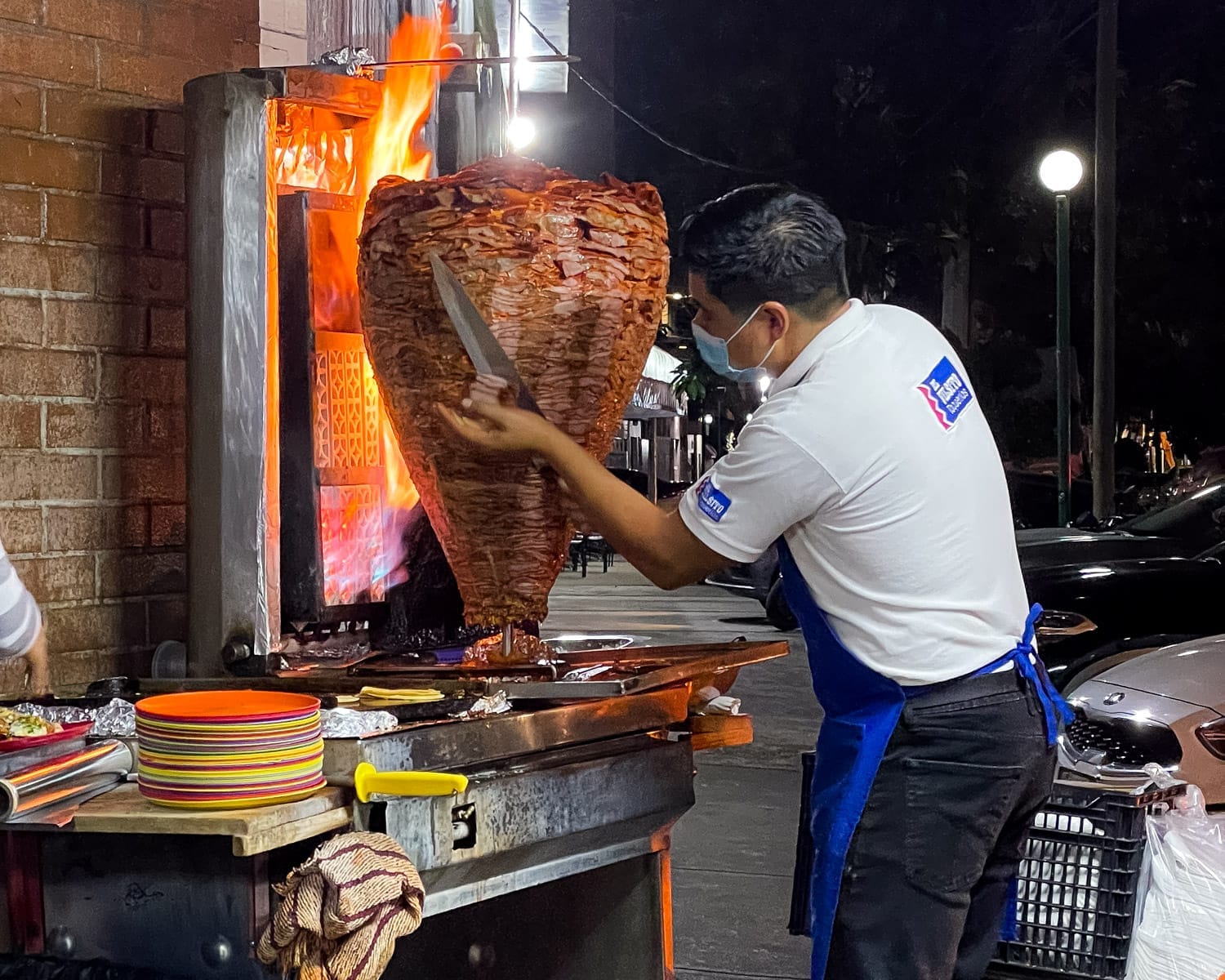
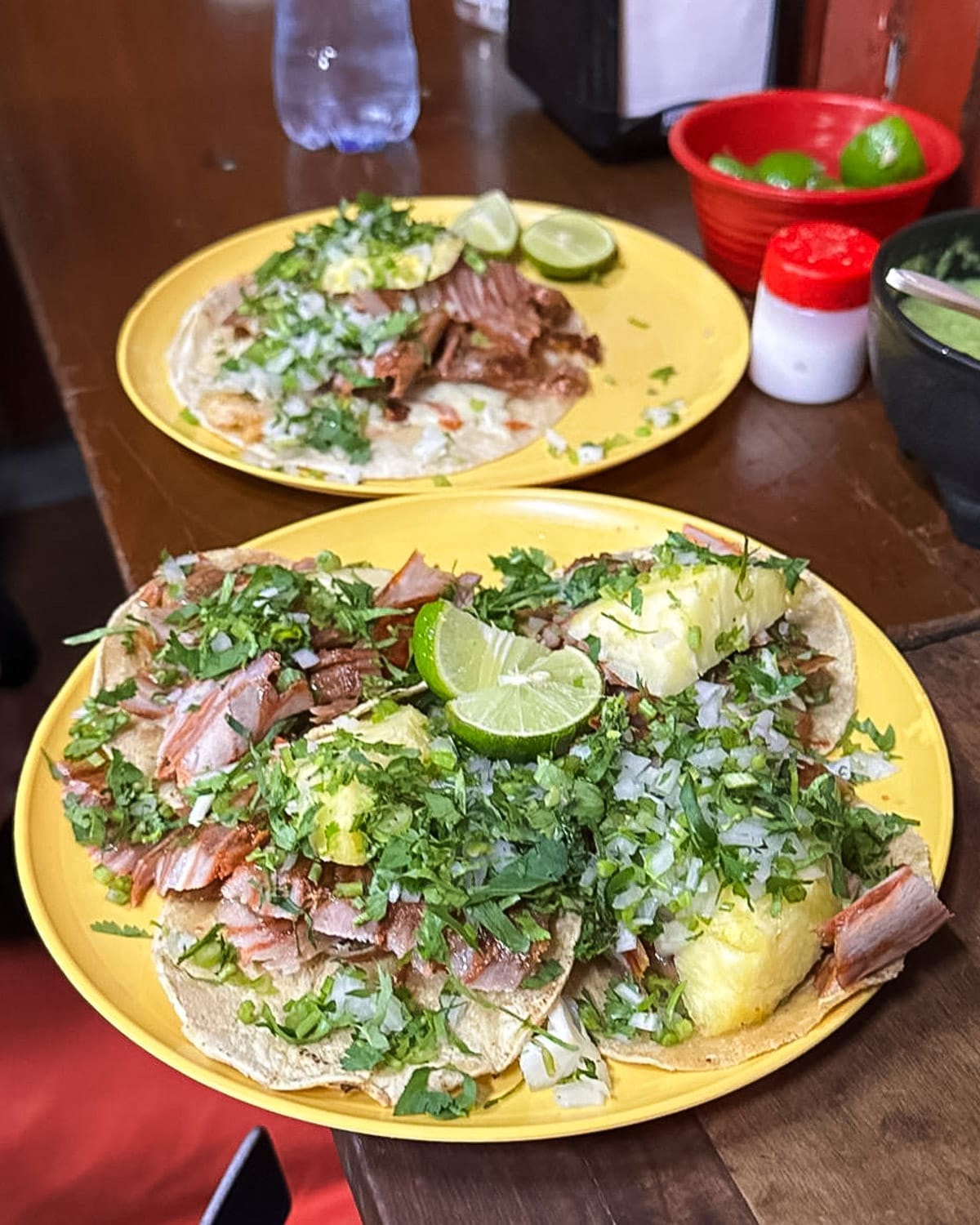
Mexico City's taco culture brings together ancient Indigenous corn traditions and centuries of culinary influences.
From slow-cooked carnitas to al pastor, inspired by Lebanese immigrants who introduced vertical spit-roasting to Mexico, the variety is extraordinary.
Our favourite for al pastor is El Vilsito, an auto repair shop by day and bustling taqueria by night. Their al pastor tacos feature juicy, marinated pork shaved straight off the spit, topped with onion, cilantro and pineapple.
We loved them so much we ordered three rounds and a cheesy gringa before practically rolling into our Uber.
Another must-try is El Turix, a tiny taqueria famous for its Yucatan-style cochinita pibil tacos, made with slow-roasted pork, achiote and tangy pickled onions.
See our 7 Day Mexico City itinerary with all of our favourite taquerias.
6. Exploring Georgia's rich food culture and ancient winemaking
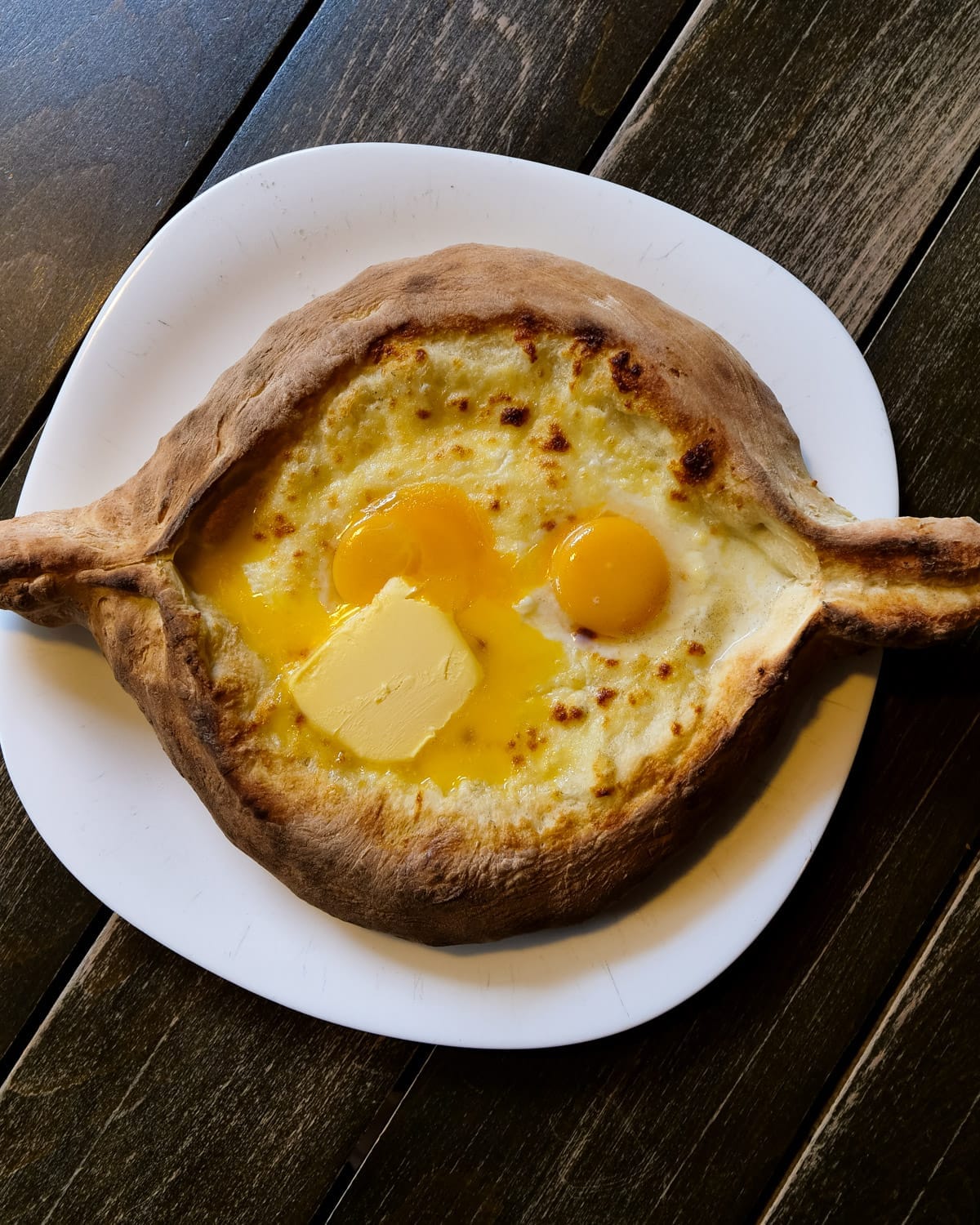
Georgia has one of the most distinctive food cultures we've experienced.
Sitting at the crossroads of Europe and Asia, its cuisine is packed with bold flavours, fragrant herbs, walnuts, spices and plenty of cheese.
Our favourite dishes are:
- Khachapuri, a warm bread boat overflowing with melted cheese
- Khinkali, juicy dumplings filled with spiced meat and broth
- Shashlik, smoky grilled meat skewers
- Pkhali, colourful vegetable pâtés blended with walnuts and garlic.
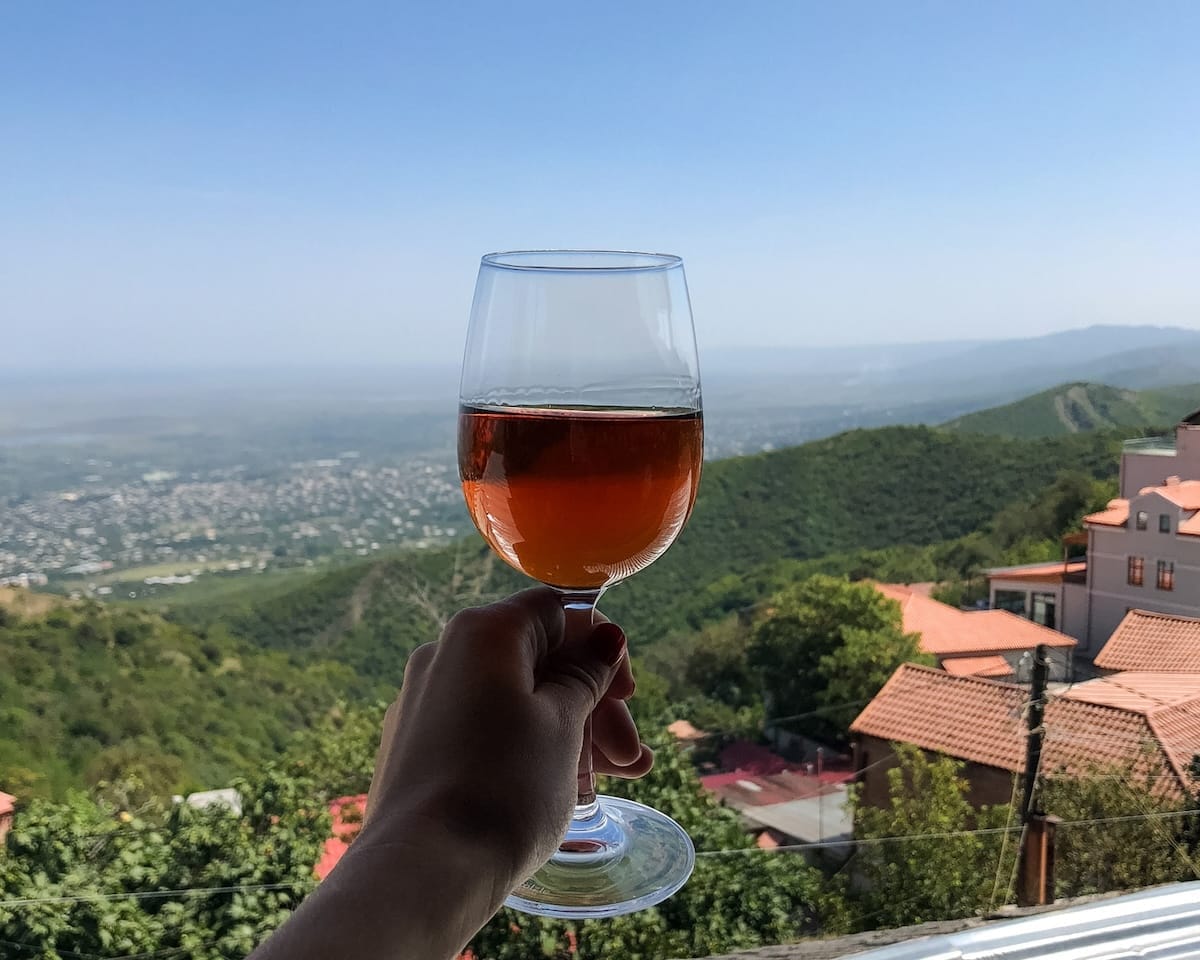
Georgia is also considered the birthplace of wine, with an 8,000-year winemaking history.
Traditional wines are fermented in buried clay vessels called qvevri, producing everything from bold Saperavi reds to amber Qisi wines.
Start in Tbilisi, Georgia's capital, where you'll find an incredible selection of restaurants.
For wine country, head to the picturesque town of Signagi in the Kakheti region, and spend your days exploring family-run wineries.
Read our 1 Week Georgia Itinerary with our favourite restaurants and wineries.
7. Getting blown away by Neapolitan pizza in Naples, the birthplace of pizza
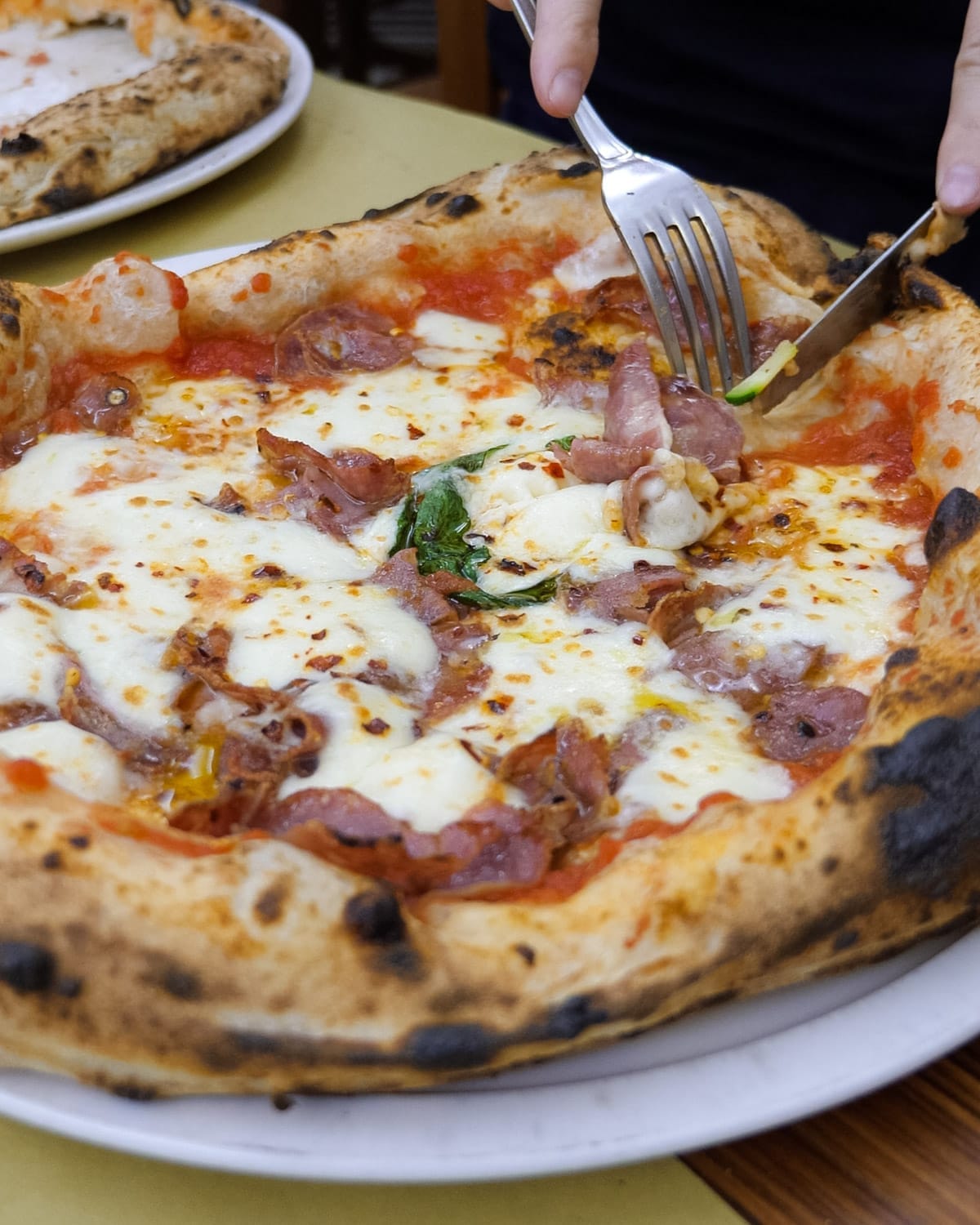
There's pizza, and then there's Neapolitan pizza.
Born in Naples, this Italian classic is famous for its soft, pillowy crust, lightly charred bubbles and simple, fresh ingredients, all cooked in a scorching wood-fired oven in just 60-90 seconds.
Naples might be a little rough around the edges, but for pizza lovers, it's a must.
We stopped at the legendary Sorbillo, run by one of the world's most famous pizza makers, Gino Sorbillo, and WOW. To this day, it's the best pizza we've ever eaten.
Ari is a pizza fanatic, and this went straight to the top of his list. If you're heading to Capri or the Amalfi Coast, it's worth making a detour just for this pizza.
See our 2 Week Italy Itinerary, including a stop in Naples for its famous pizza.
8. Experiencing asado in Argentina
Argentinians take their barbecue seriously. So much so, that it's practically a religion.
Rooted in gaucho cattle-ranching traditions, asado is a social affair where friends and family gather around a wood-fired grill for hours, cooking everything from sausages to thick cuts of beef.
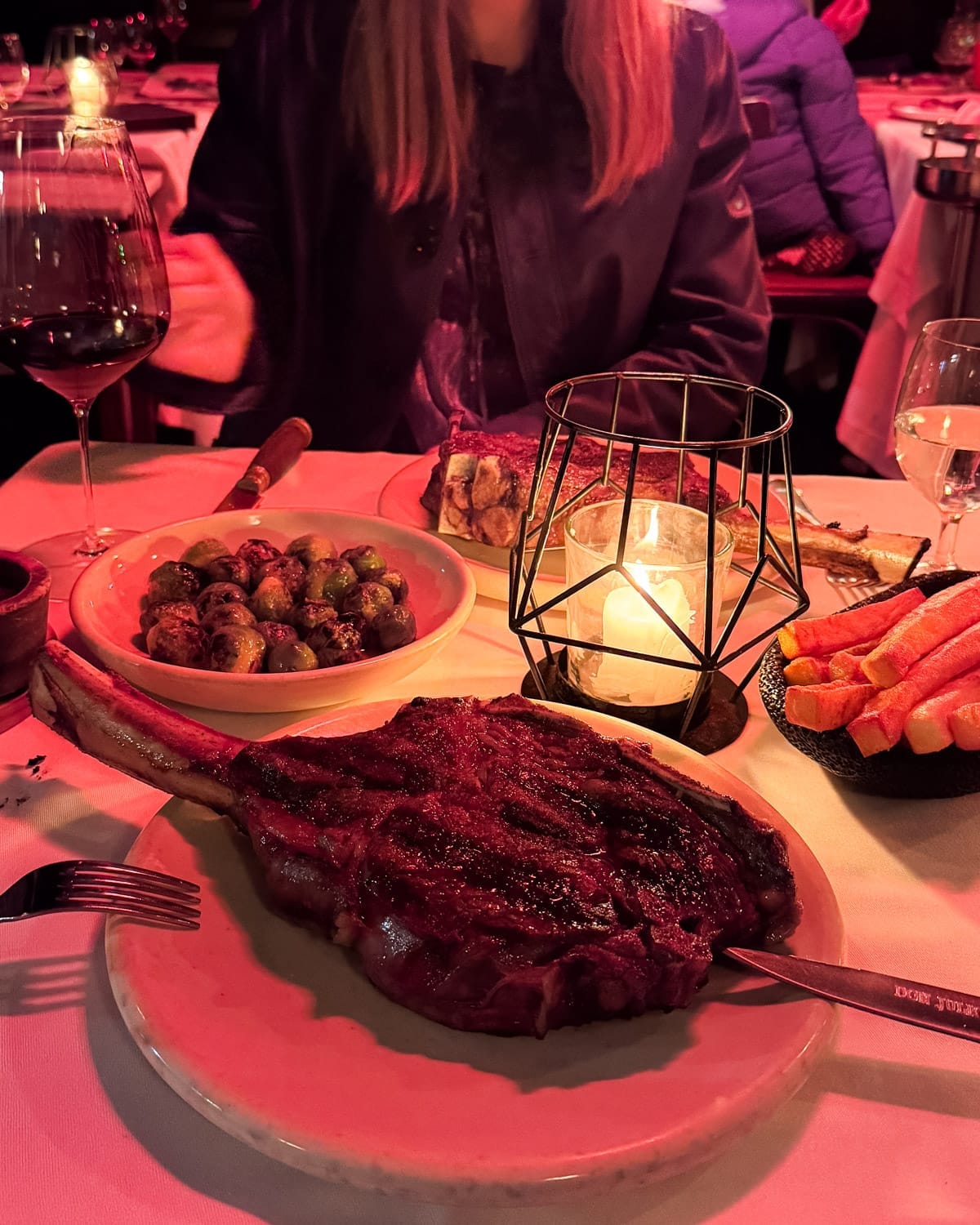
For the ultimate asado experience, head to Don Julio, a famous parrilla in Buenos Aires. It ranked #44 on the World's 50 Best Restaurants list in 2026.
Their premium grass-fed beef is carefully selected and aged for extra tenderness and flavour before being cooked over a traditional V-shaped iron grill.
We feasted on an enormous bone-in tomahawk steak paired with Argentine Malbec.
The portions are huge, the wine list is exceptional, and the atmosphere makes it feel like a celebration.
Start planning your trip to Argentina with our 1 Week Itinerary.
9. Trying Peking duck, Beijing's dish dating back to the Imperial Era
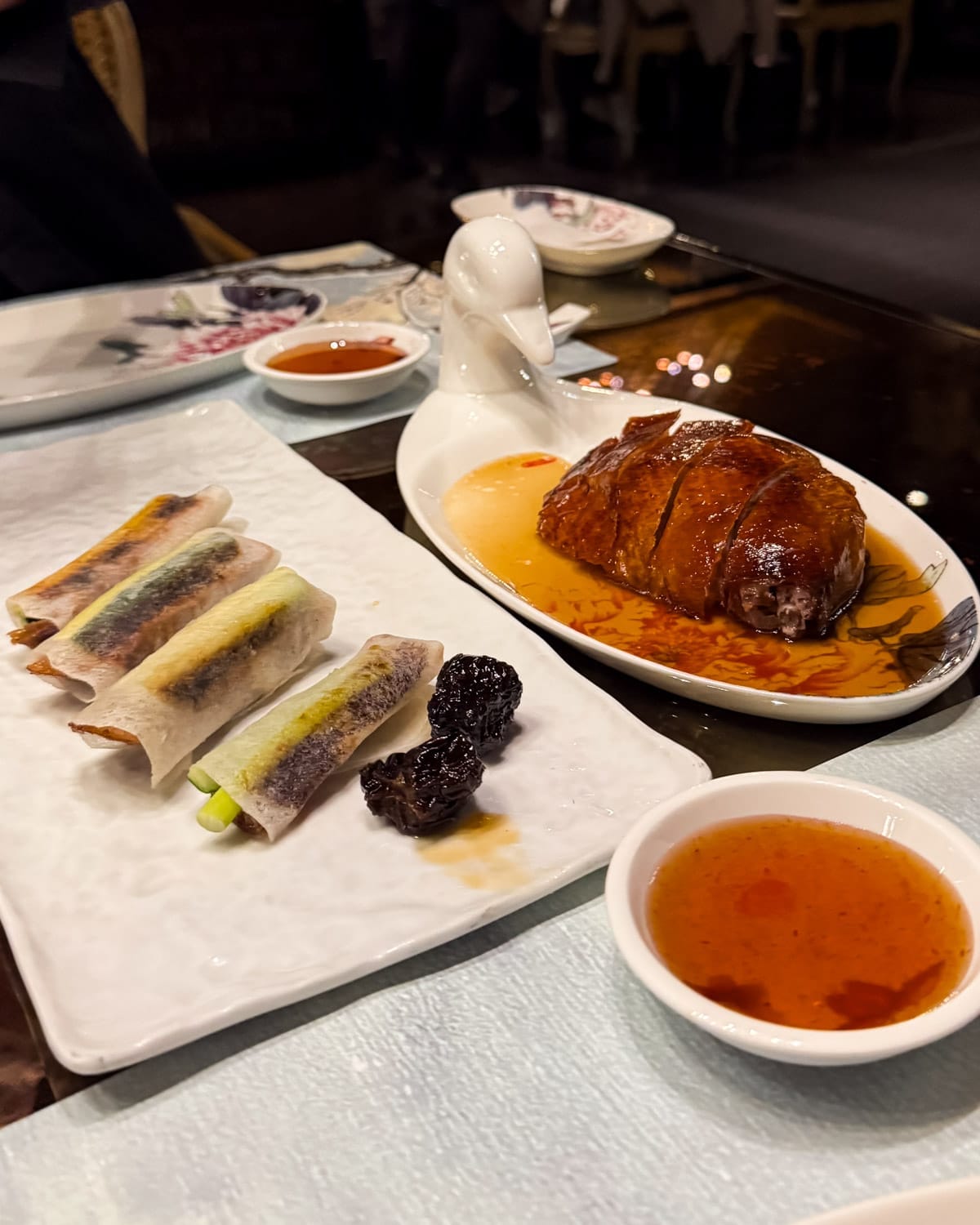
If there's one dish you have to try in Beijing, it's Peking duck.
Dating back to the imperial kitchens of the Ming Dynasty, this famous dish was perfected in Beijing, where specialist restaurants have been roasting ducks for centuries.
What makes it so delicious? The incredibly crispy, golden skin and juicy meat, achieved by drying and roasting the whole duck until perfectly cooked.
The best part is watching the chef carve it tableside before wrapping the tender slices in thin pancakes with cucumber, scallions and sweet bean sauce. It's a delicious little ritual that's become one of my favourite meals today.
Check out our 10 Ultimate China Itinerary, including a stop in Beijing.
10. Tasting Mendoza's prized Malbec wines beneath the Andes
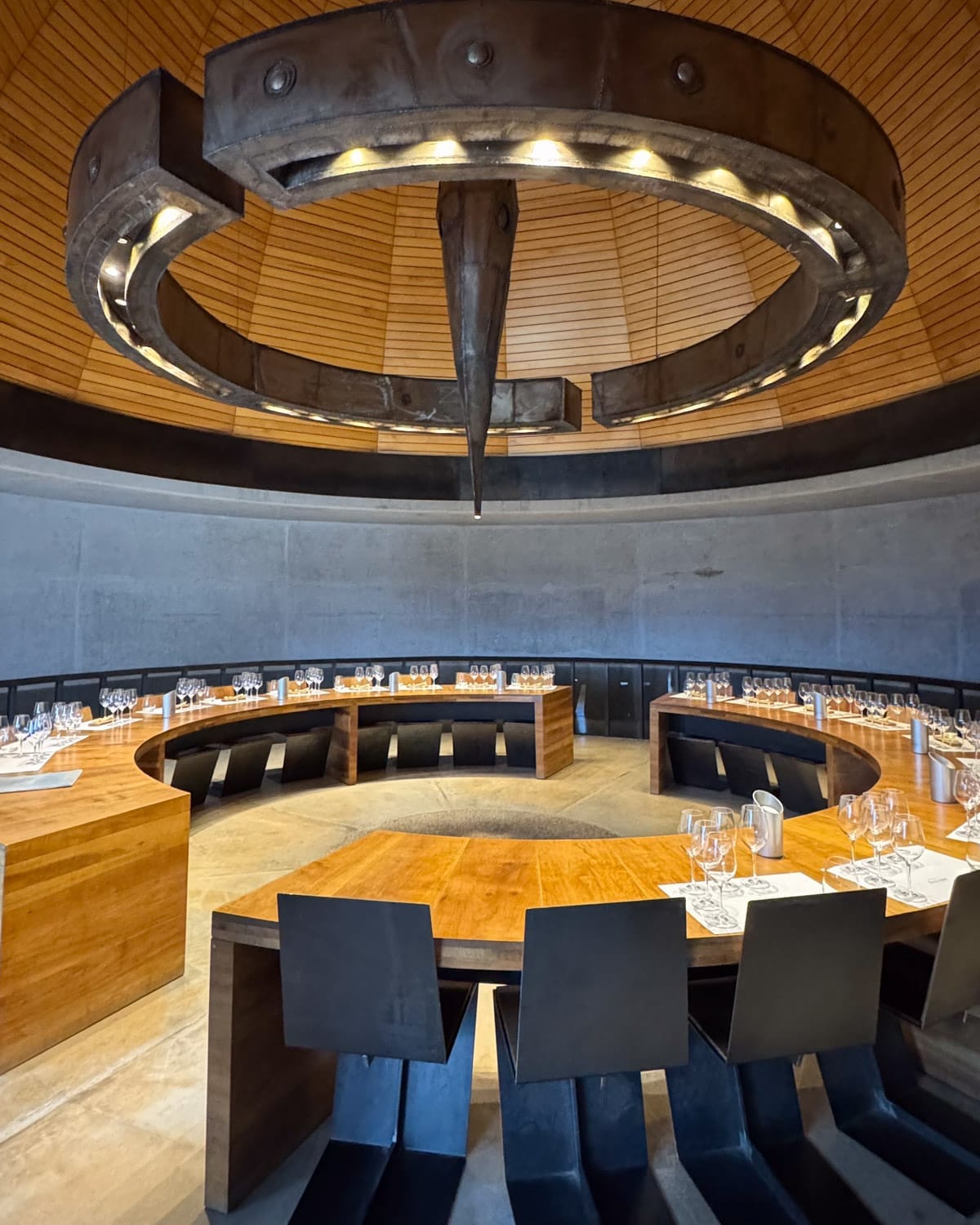
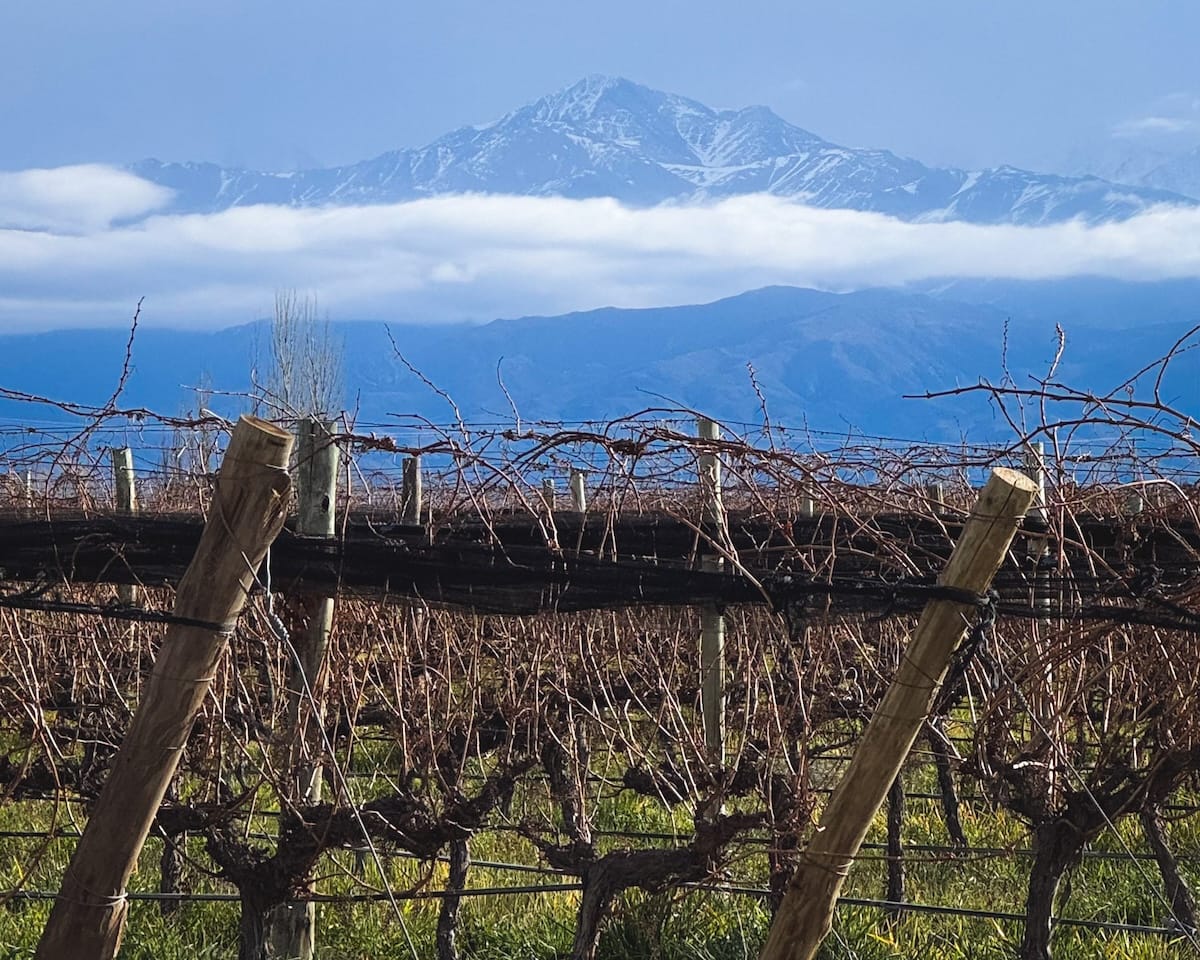
If you love red wine, Mendoza should be at the top of your travel list. Set against the Andes, this Argentine wine region is famous for its Malbec.
Originally from France, the grape thrives in Mendoza's high-altitude vineyards, producing rich, full-bodied reds with dark fruit flavours and smooth tannins. It's also one of the grapes allowed in a Bordeaux.
We've visited in both summer and winter, and there's nothing quite like a long vineyard lunch with a glass of Malbec and the Andes as your backdrop. The food in this region is also exceptional.
From architecturally striking wineries to intimate, family-run bodegas, it's the ultimate destination for wine lovers.
See our 3 Day Mendoza Itinerary with our favourite wineries and vineyard lunch spots.
11. Savouring Japan's famous melt-in-your-mouth wagyu beef
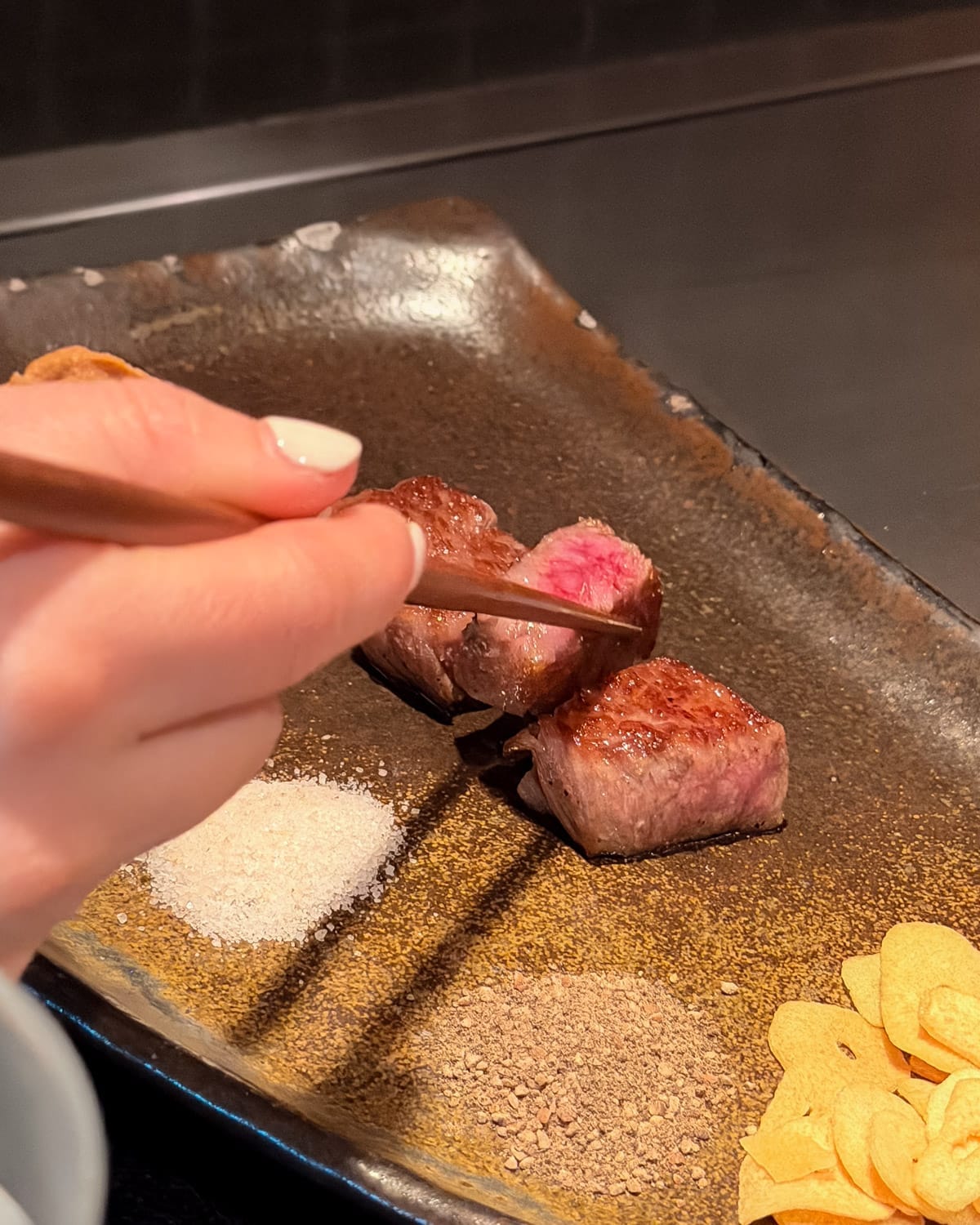
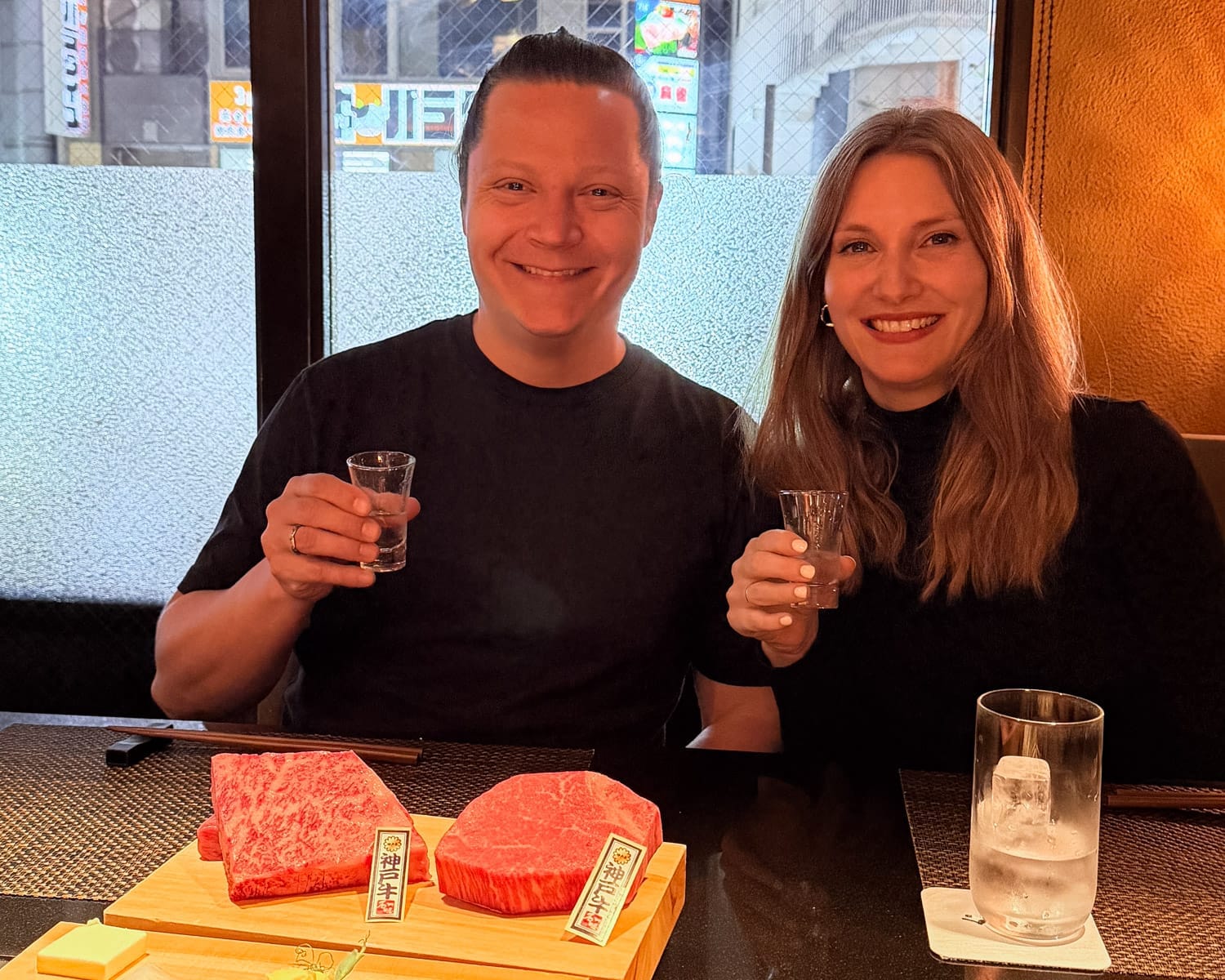
If you're a steak lover, Japanese A5 wagyu is an experience you can't miss. Famous for its extraordinary marbling, buttery texture and rich flavour, this prized beef practically melts in your mouth.
You may have tried wagyu from Australia or the USA, but in our opinion, nothing beats Japanese A5!
The most famous variety is Kobe beef, produced from Tajima cattle in Japan's Hyogo Prefecture. Only beef meeting strict quality standards earns the prestigious Kobe designation.
We've tried several cuts of Japanese wagyu, and A5 tenderloin is our absolute favourite for its incredible tenderness.
For Kobe beef, head to Kobe Beef Steak Ishida Main Shop, where the chef cooks your steak right in front of you on a teppanyaki grill.
In Tokyo, New York Grill at the Park Hyatt Tokyo is another excellent spot to splurge on premium Japanese beef.
Start planning your trip to Japan with our 2 Week Itinerary.
12. Feasting like a Hobbit at the Green Dragon Inn in New Zealand

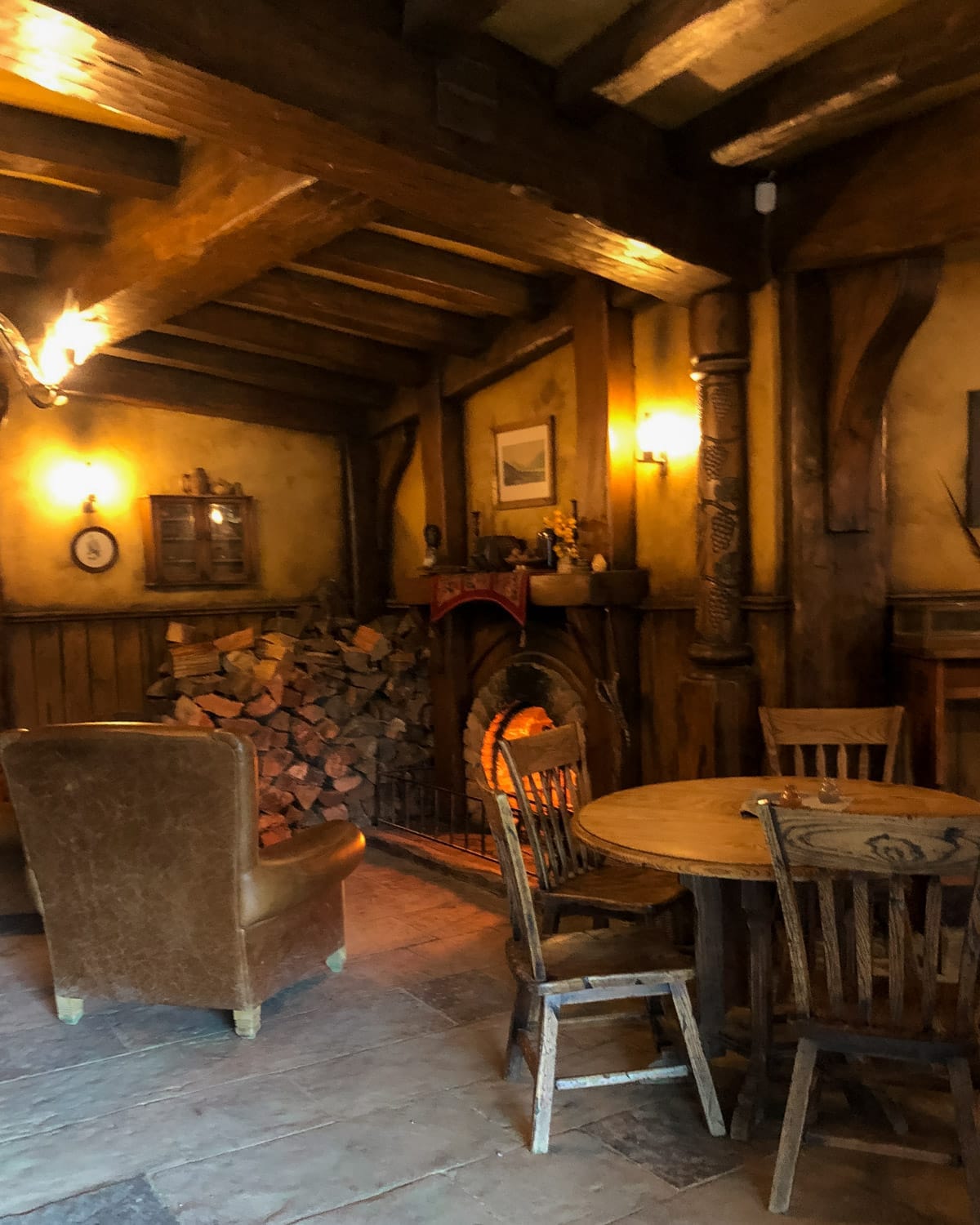
Dining at the Green Dragon Inn in Hobbiton is a must for any Lord of the Rings fan who loves a good feast.
The evening banquet tour is the last of the day, meaning you get to explore the famous movie set at sunset without other tour groups around.
After touring the movie set outside, we settled beside a crackling fire at the Green Dragon with a local beer before the feast began.
We then sat down at a communal table piled high with roasted meats, lamb shanks, sausages, vegetables, mashed potatoes and gravy. Between the music, hearty food and setting, it felt like we stepped straight into the movies.
Book very well in advance, as the banquet tour sells out quickly.
See our New Zealand Campervan Itinerary, including a stop at Hobbiton.
13. Eating your way through Taipei's street food
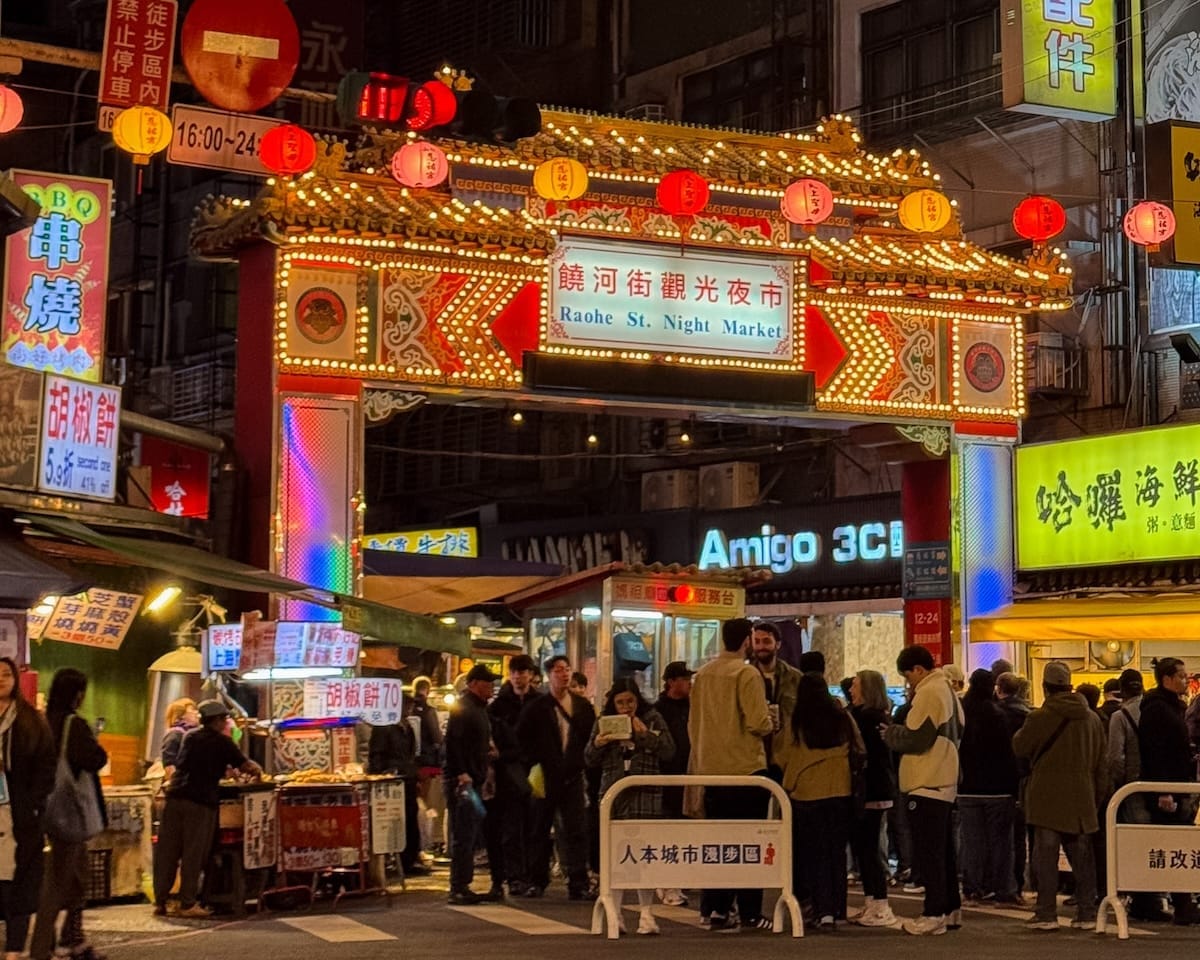
Taipei has one of Asia's most exciting street food scenes, with bustling night markets and family-run vendors serving dishes shaped by Taiwanese, Chinese and Japanese culinary traditions.
Some of these stalls have been serving their specialties for generations, with several even earning Michelin recognition.
Our favourite discovery was a crispy scallion pancake wrapped around juicy pork.
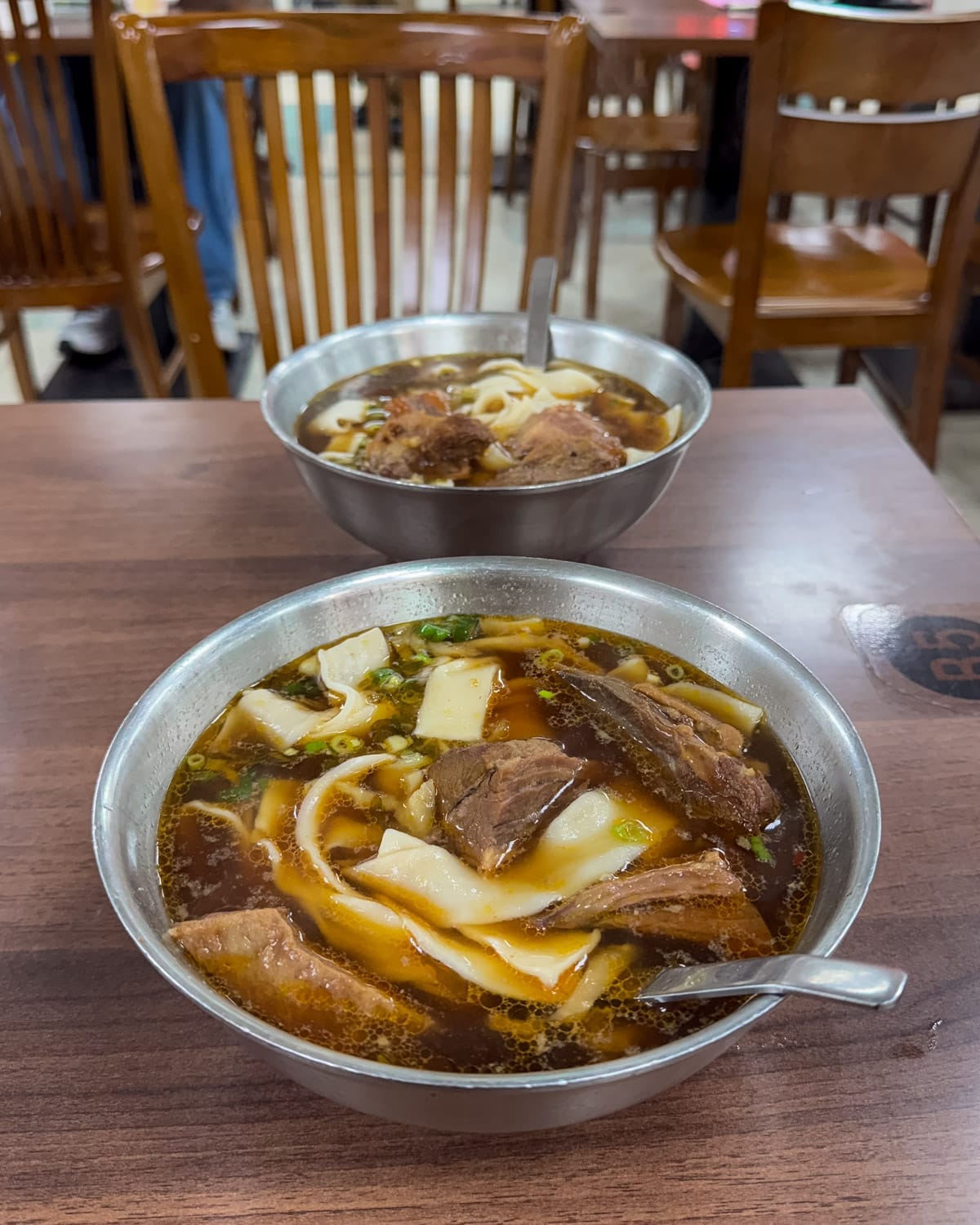
Other must-tries include gua bao, fluffy steamed buns filled with braised pork, pickled vegetables, cilantro and peanut powder, and niu rou mian, Taiwanese beef noodle soup with rich broth and tender beef.
Check out our 4 Day Taipei itinerary for all of our favourite food spots.
14. Discovering Tuscany's rustic flavours and prestigious wines
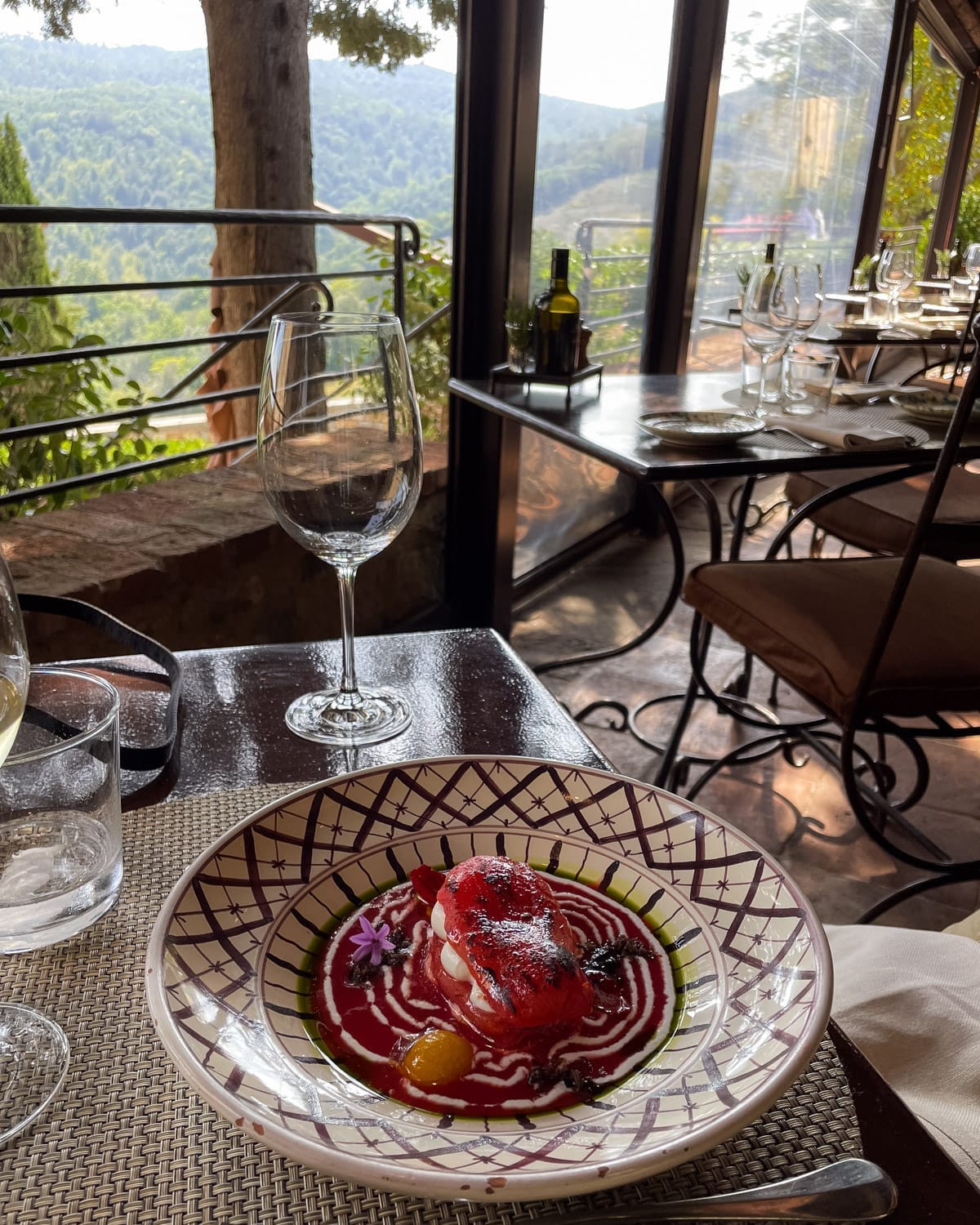
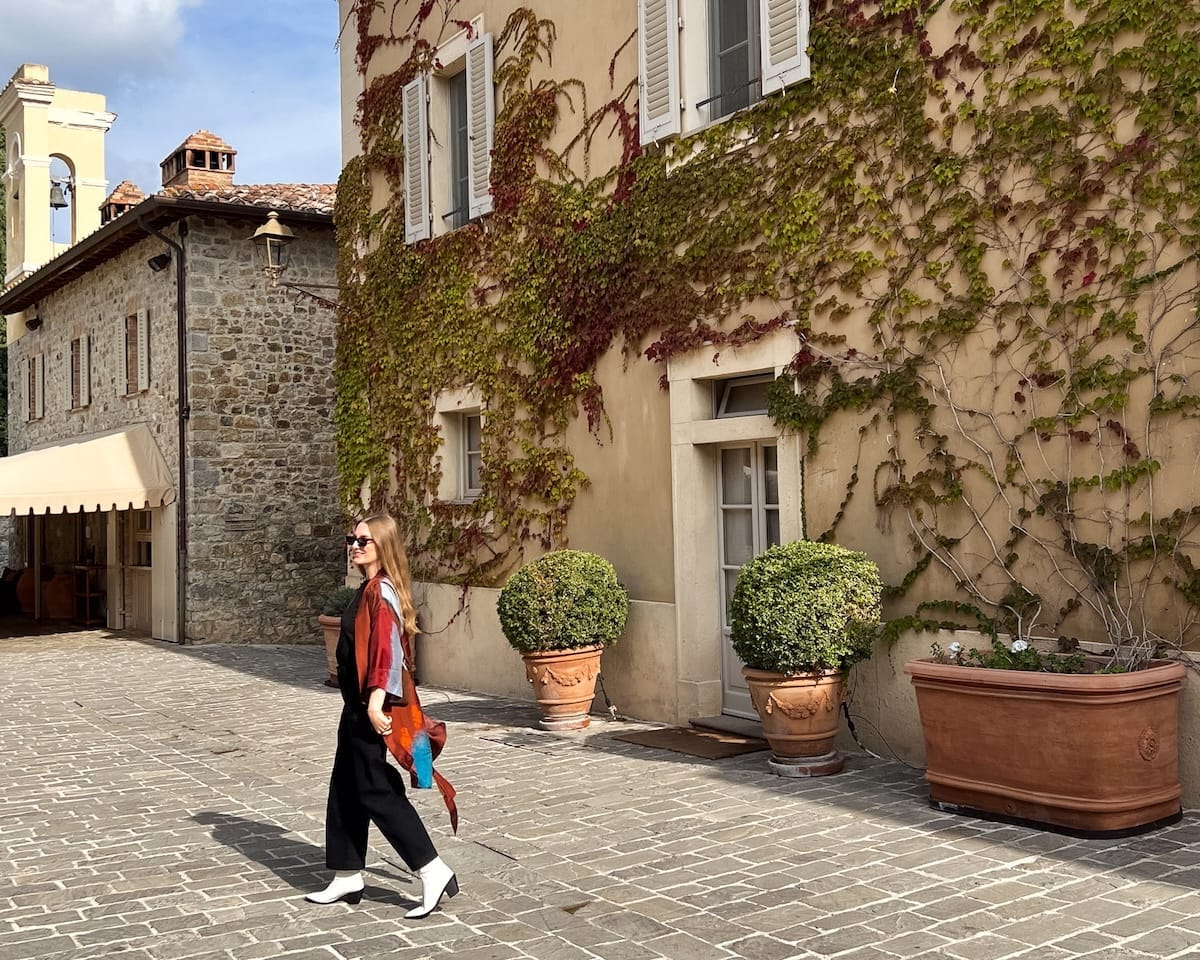
Tuscany is one of Italy's great food and wine regions. From handmade pici pasta and rich wild boar ragu to enormous bistecca alla Fiorentina steaks, it's famous for its hearty, rustic cuisine.
For a unique dining experience, don't miss Officina della Bistecca in Panzano.
It's run by Dario Cecchini, an internationally famous eighth-generation butcher known for his theatrical personality. We feasted on five cuts of beef at a lively communal table.
Wine lovers can explore Chianti Classico, Montalcino and Montepulciano, famous for their Sangiovese-based reds.
Don't miss Antinori nel Chianti Classico for its exceptional wines and impressive architecture, and Castiglion del Bosco for its prestigious Brunellos and leisurely lunches overlooking the Val d'Orcia.
Start planning your trip with our 5 Day Tuscany Itinerary.
15. Exploring Seoul's extraordinary food scene
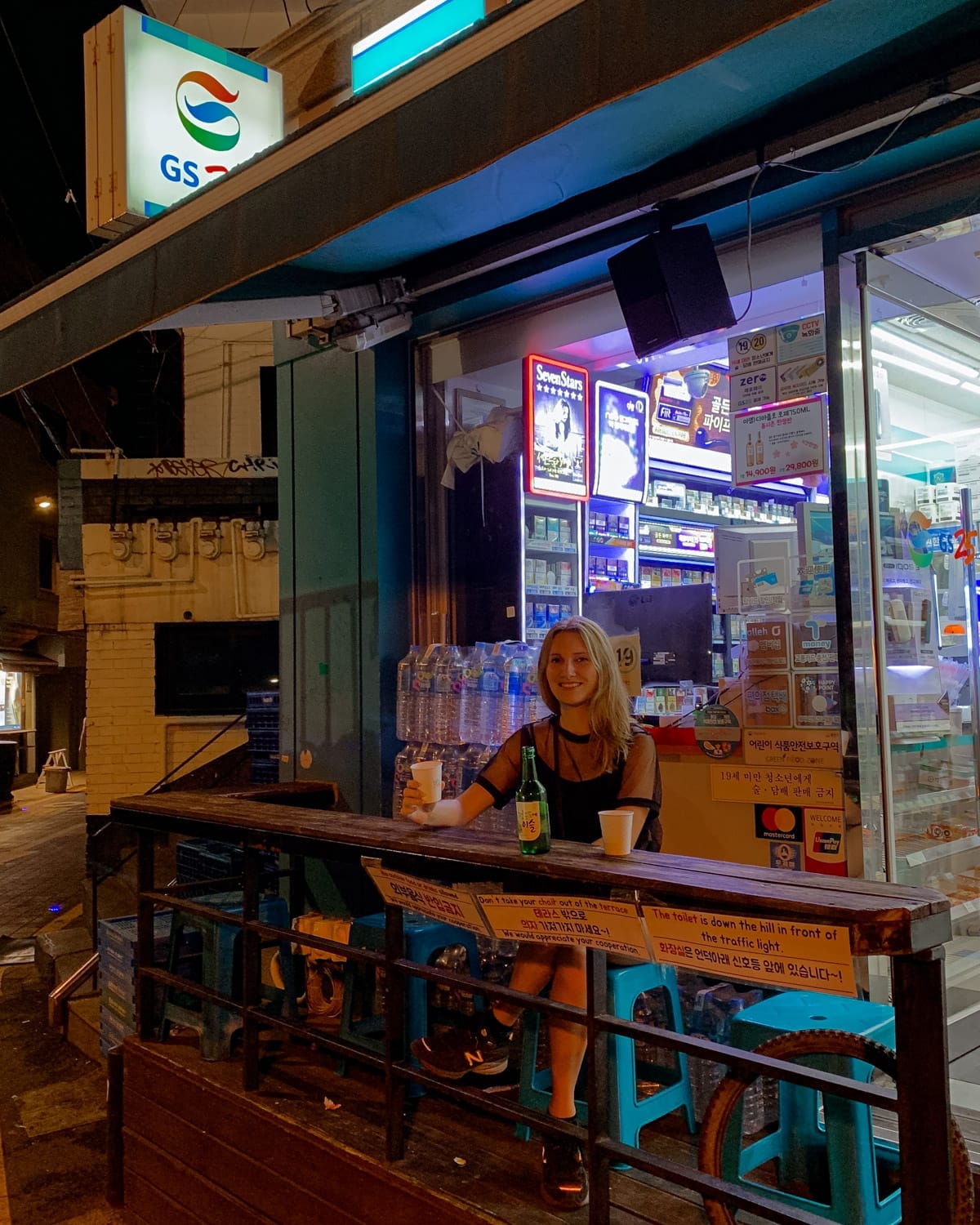
Seoul has an incredible food culture, from sizzling street food and Korean BBQ to creative fine dining.
At the heart of Korean cooking are generations-old family recipes, fermented staples like kimchi and gochujang (red chilli paste), and banchan, the little side dishes served with meals.
Some of our favourites were Korean BBQ with premium Hanwoo 1++ beef, cheese dakgalbi, spicy stir-fried chicken with vegetables and heaps of melted cheese, and gamja hot dogs, Korean corn dogs coated in crispy potato cubes.
For an inventive twist on Korean cuisine, head to Evett, where the two Michelin-starred restaurant transforms local, traditional ingredients into unexpected dishes.
Finish your night with a green bottle of soju outside a convenience store. It doesn't get much more Seoul than that!
See our Seoul Neighbourhoods Guide.
16. Going on a pintxo bar crawl in San Sebastian, Spain
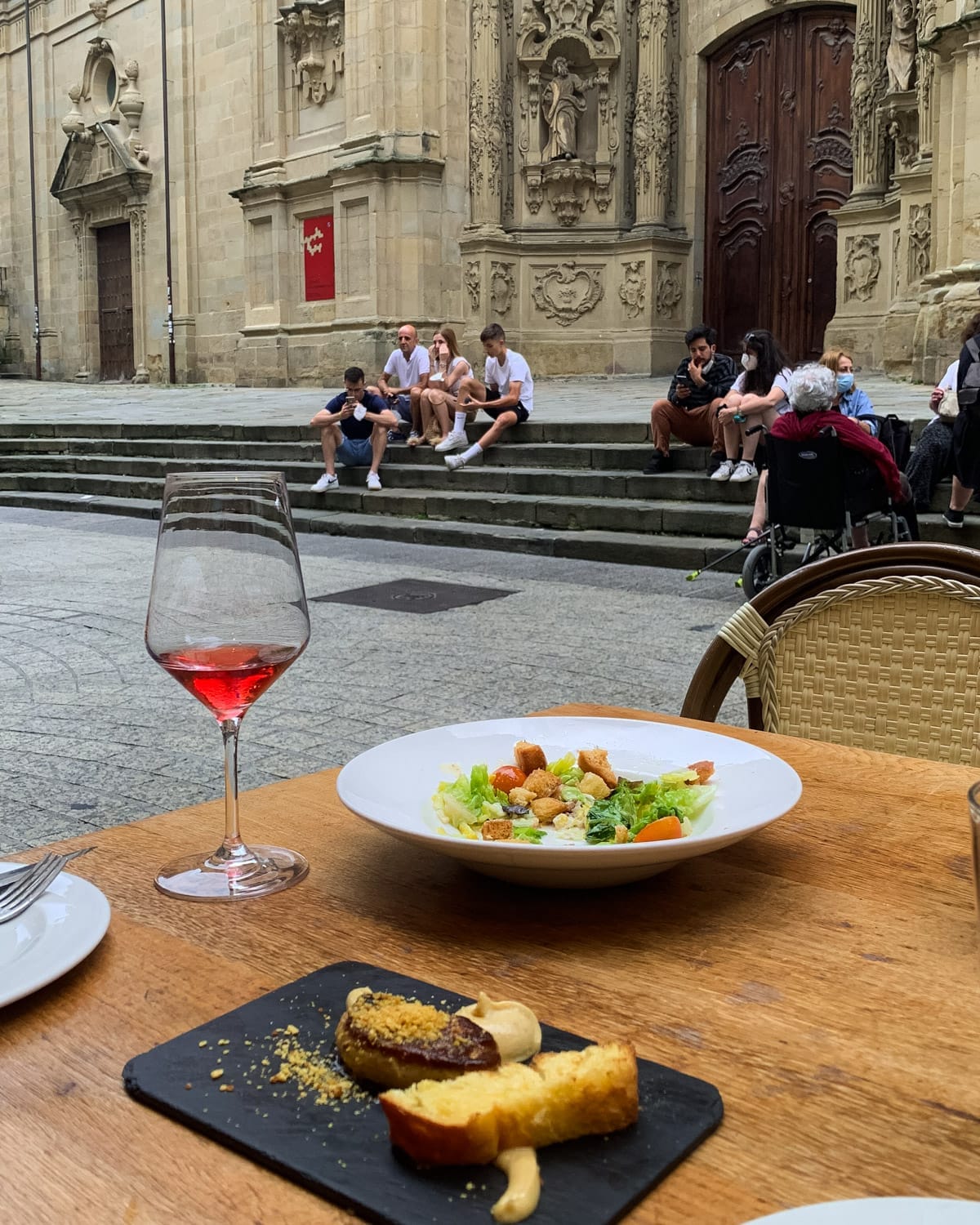
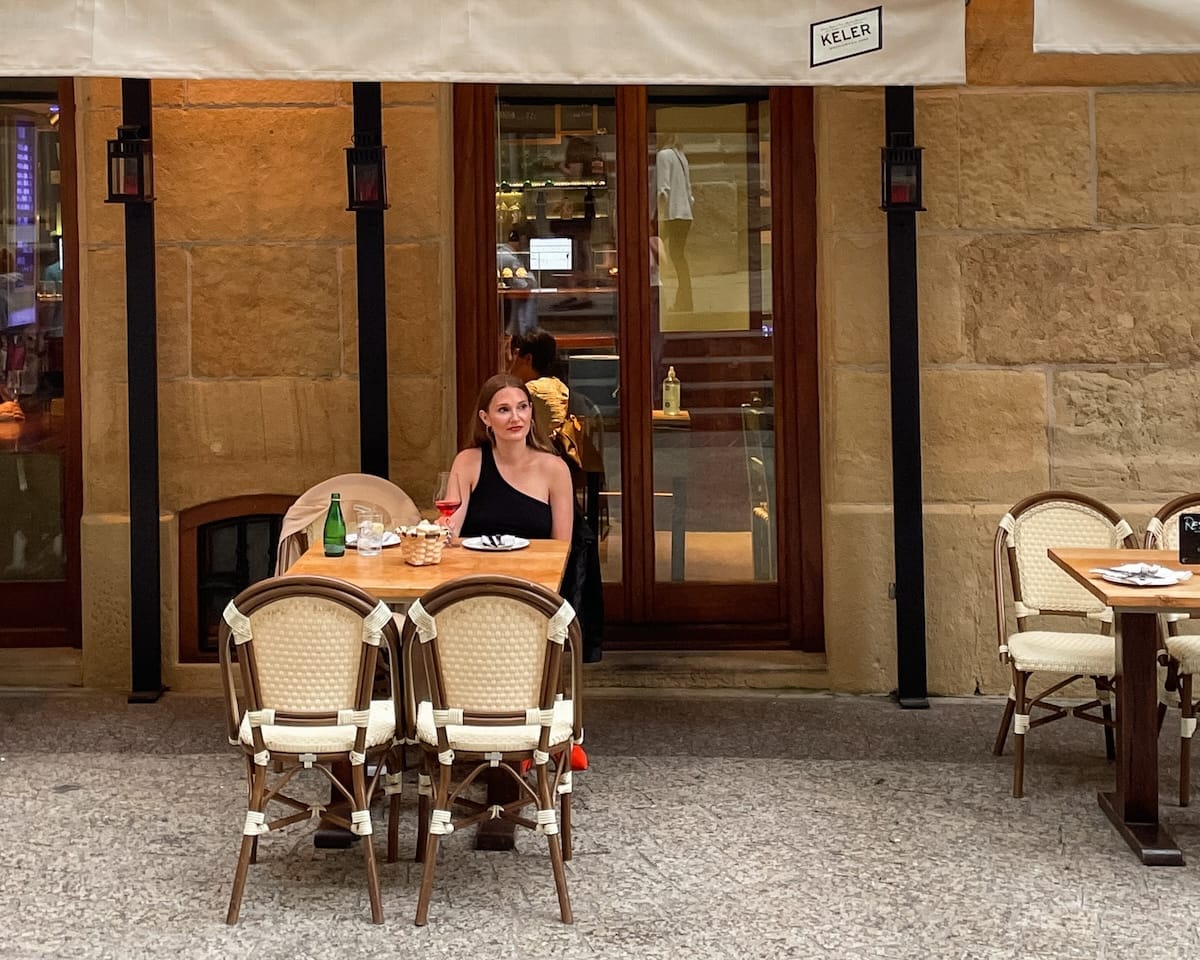
San Sebastian is a happening seaside city in northern Spain's Basque Country, where Europeans flock for summer holidays.
The Basques have deep roots in European history and a serious passion for food.
You'll find hundreds of pintxo bars serving cheap, delicious gourmet bites, kind of like next-level tapas, and Michelin-starred restaurants seemingly around every corner.
The best way to experience its food culture is by hopping between pintxo bars in the Old Town. Order a few bites and a glass of local Txakoli (slightly sparkling wine) at each stop.
One of our favourite memories was scoring an outdoor table overlooking the beautiful 18th-century Basilica of Santa María del Coro, with delicious pintxos, chilled wine and a lively square for people-watching.
Read our San Sebastian Itinerary.
17. Sampling aged Comte cheese in France's Jura Mountains
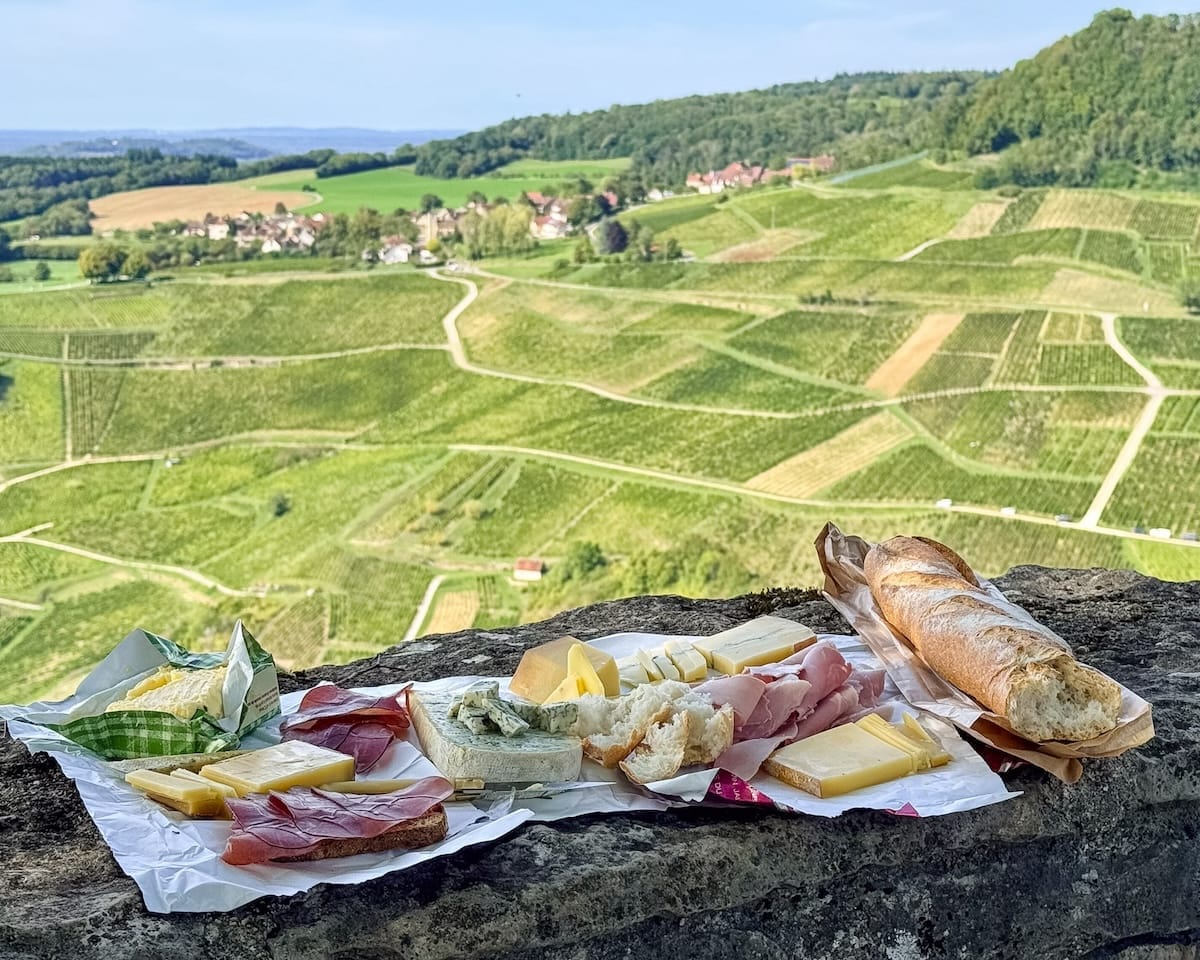
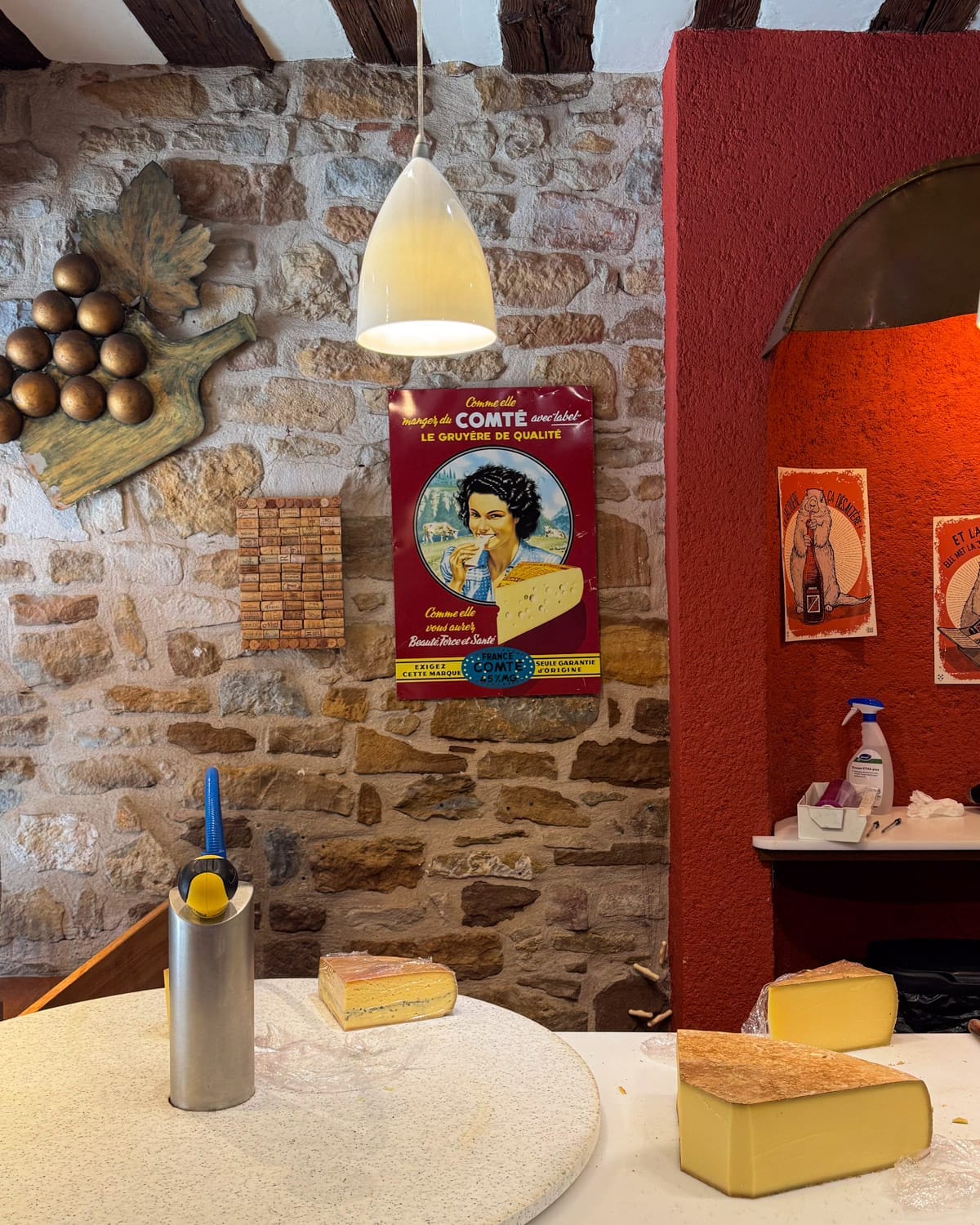
If you love cheese, France's Jura Mountains are calling. This is the home of Comte, one of France's most famous cheeses, made from raw cow's milk using centuries-old Alpine traditions.
What makes Comte so special? It's made from the milk of two specific cow breeds, raised on the Jura's mountain pastures, and aged for at least four months.
Even the seasons influence its character, with summer Comte developing a deeper golden colour from cows grazing on wildflowers and fresh grass.
We loved visiting La Maison du Comte in Poligny to learn how it's made. Afterwards, we picked up three different ages of Comte, saucisson and a fresh baguette for a picnic overlooking the vineyards of Château-Chalon.
And don't miss La Finette in Arbois for a bubbling Comte fondue. Who knew the French could give the Swiss some serious fondue competition?
See our list of 11 Fun Things to Do in Jura.
18. Sipping Brazil's national cocktail on the beaches of Rio
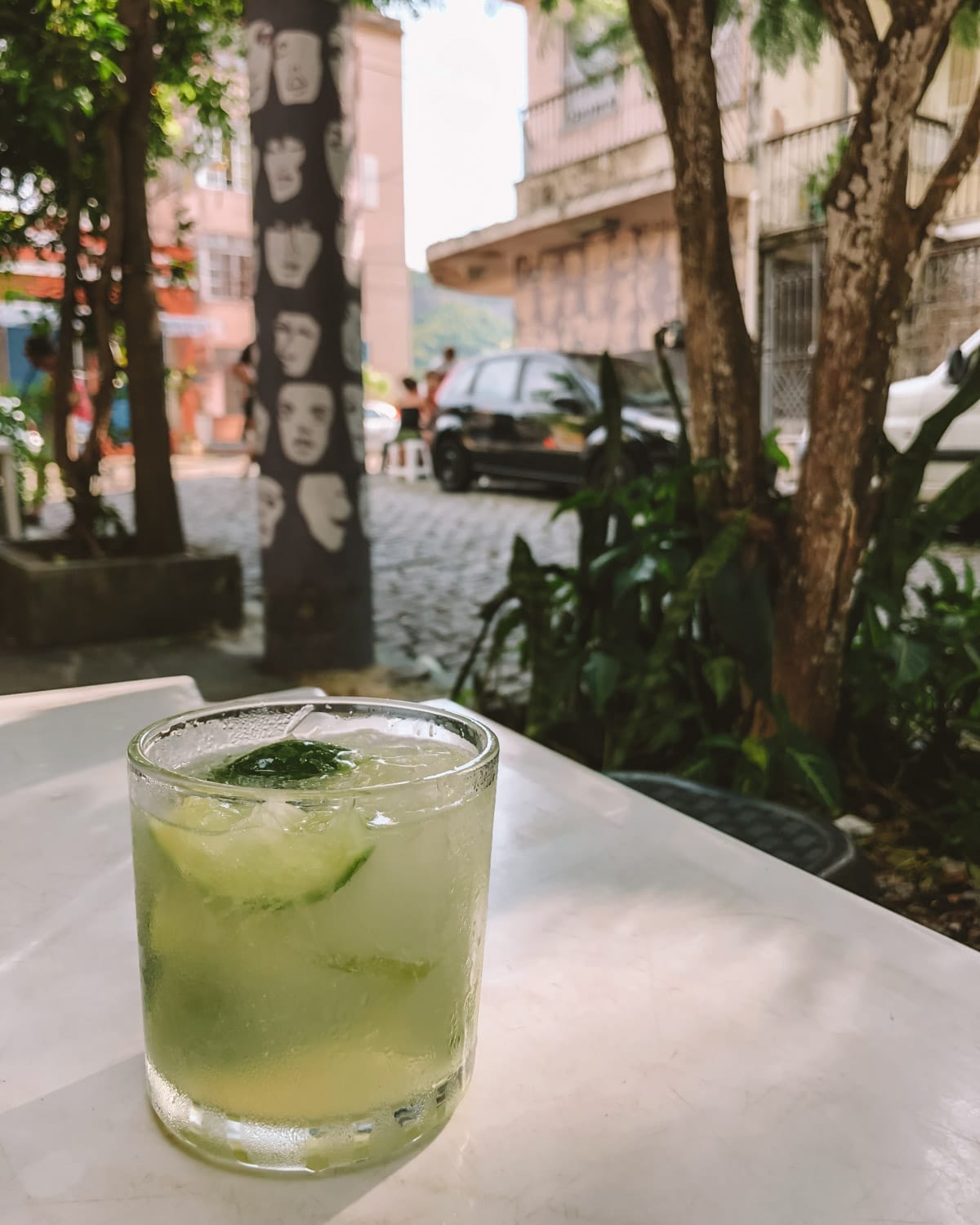

We discovered one of our favourite cocktails in Rio de Janeiro. Everywhere we went, people were drinking caipirinhas, Brazil's national cocktail.
Made with just three ingredients, muddled lime, sugar and cachaça, they're refreshingly citrusy and deceptively strong.
Cachaça is Brazil's national spirit, distilled from fermented sugarcane juice. Much like tequila in Mexico or Champagne in France, its name is protected and tied to where it's produced.
The best way to enjoy a caipirinha? At an outdoor bar overlooking one of Rio's famous beaches, soaking up the sunshine and people-watching.
Read our 5 Day Rio de Janeiro Itinerary.
19. Experiencing kaiseki dining at a traditional ryokan in Japan
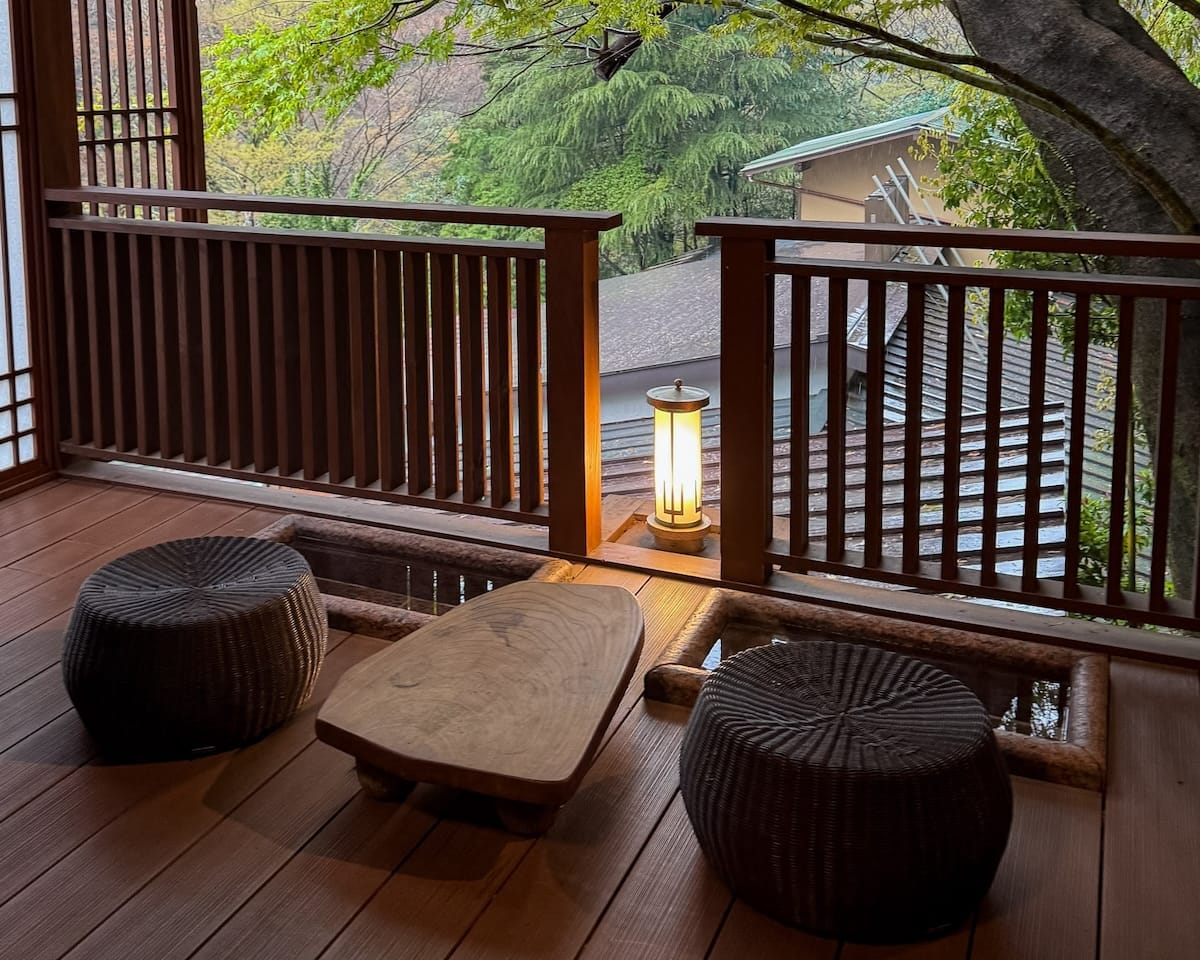
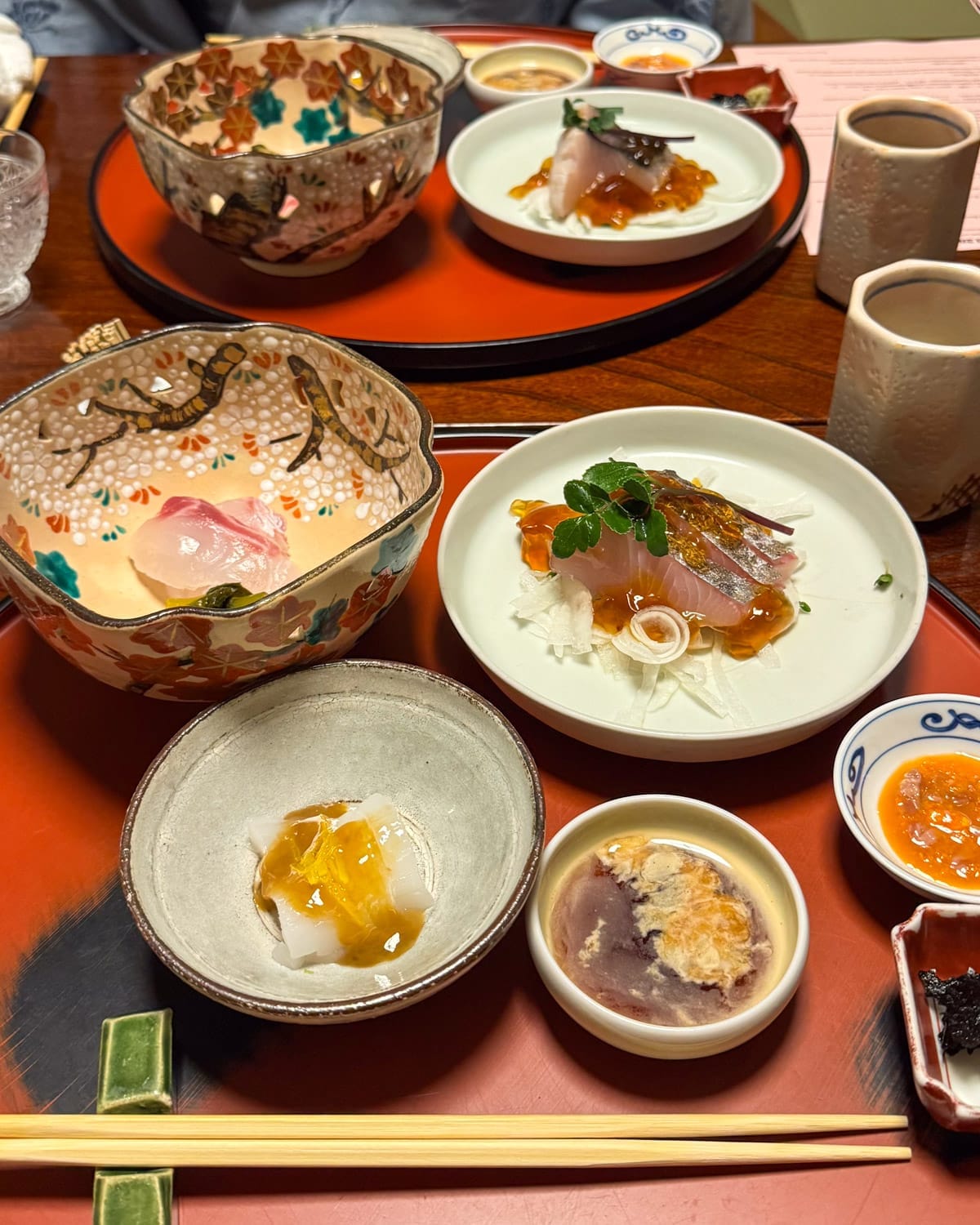
Staying at a Japanese ryokan and enjoying a kaiseki dinner go hand in hand.
These traditional inns are known for their hospitality, hot spring baths and elaborate multi-course meals showcasing seasonal Japanese ingredients.
With origins in Japanese tea ceremonies, kaiseki is as much about presentation as flavour.
One of our favourite experiences was at a ryokan in Hakone, where we enjoyed a 10-course dinner served to us in our room.
Dressed in yukata robes and seated on tatami mats, we played jazz, sipped sake and enjoyed one delicious small dish after another.
See our 2 Week Japan Itinerary, including ryokan stays with kaiseki dining.
20. Taste pu-erh tea that's aged like fine wine in China
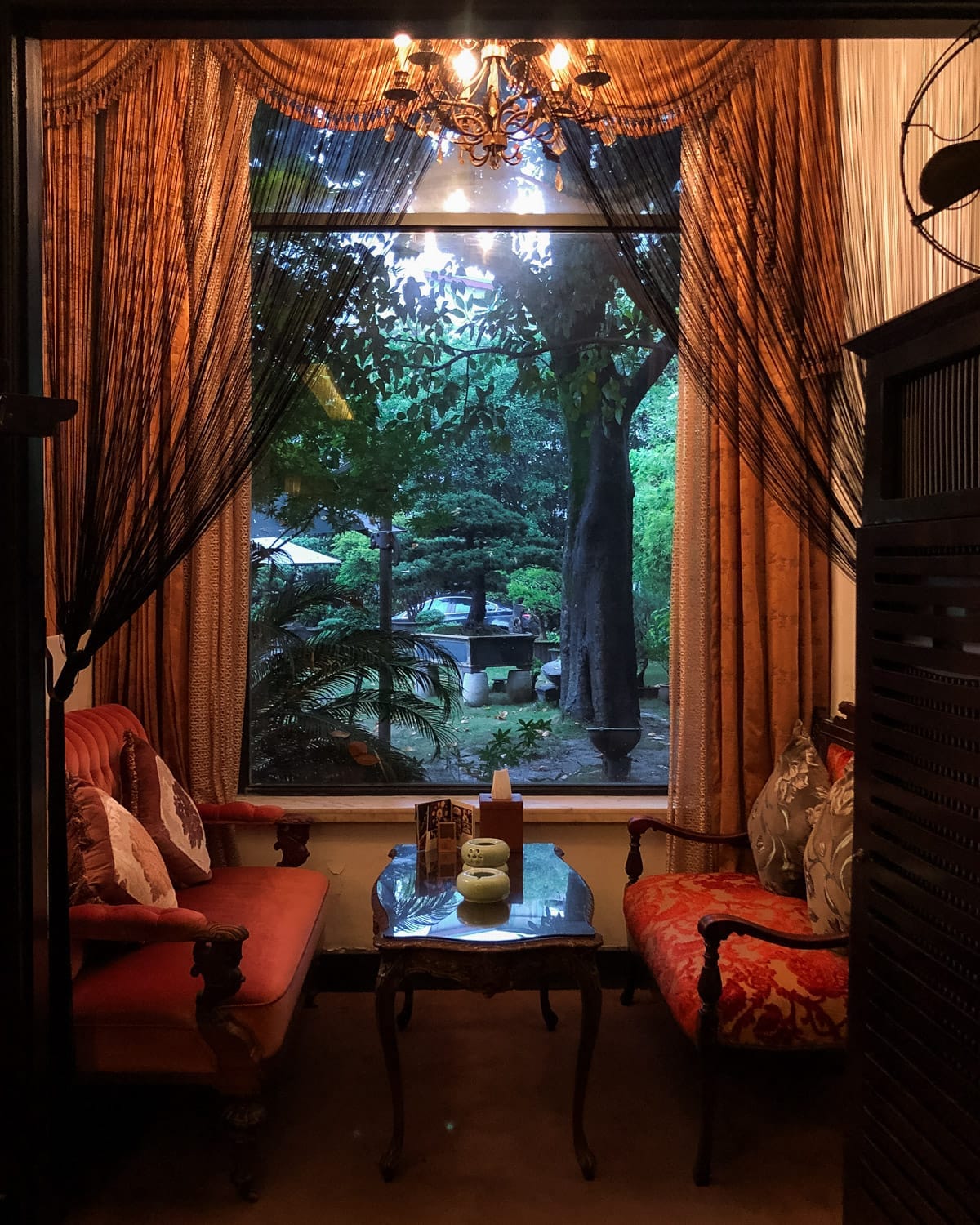
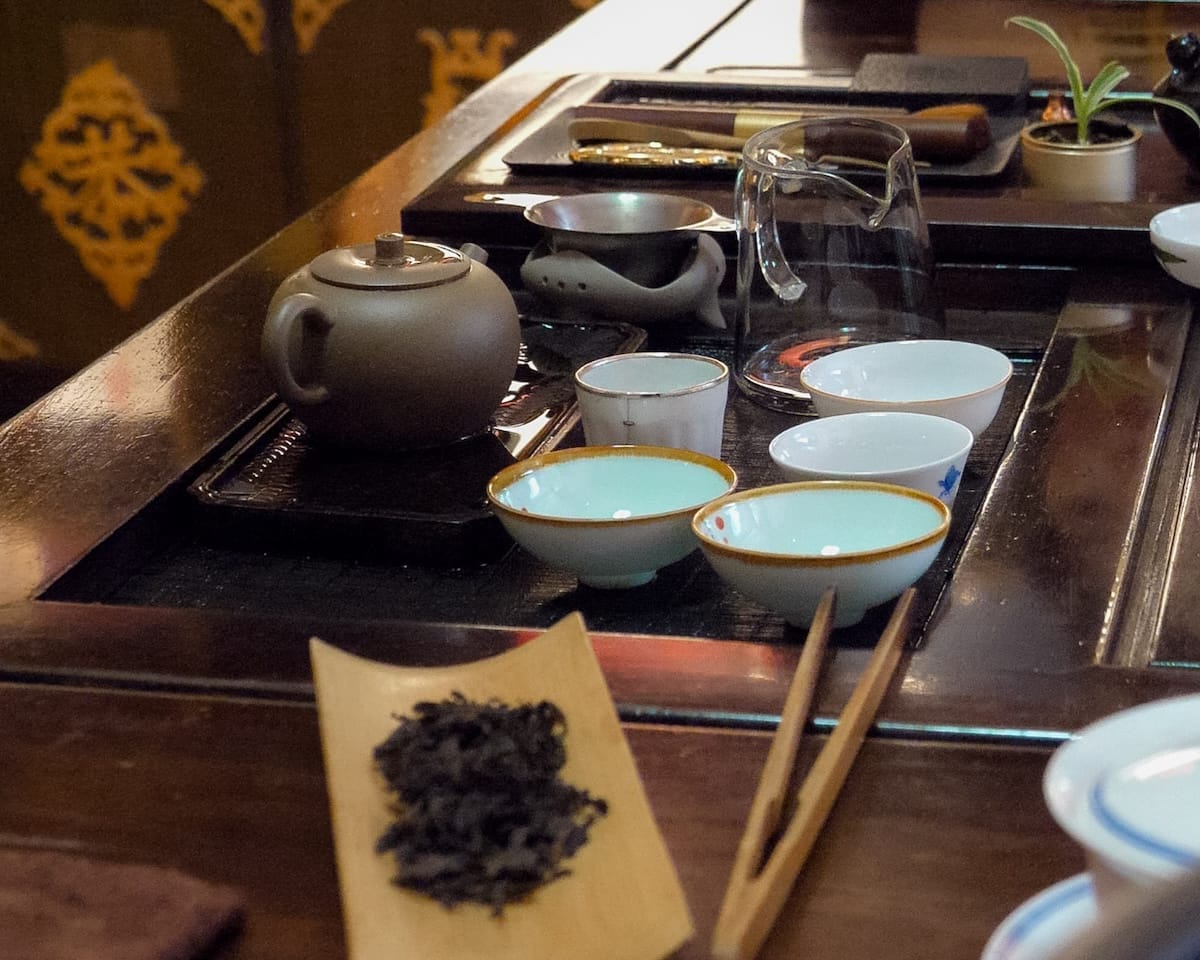
Pu-erh is a fermented tea from China's Yunnan Province, traditionally compressed into round cakes.
Much like fine wine, certain varieties develop incredible complexity with age.
Rare, decades-old teas can fetch thousands of dollars, depending on their origin, quality and storage!
There are two types: sheng (raw), which ages naturally and typically brews a golden-yellow colour when young, and shou (ripe), which undergoes accelerated fermentation and produces a dark, earthy tea. Tasting them side by side is fascinating!
Throughout China, we loved sampling different Pu-erh teas and discovering just how much their flavours and prices can vary.
See our 10 Day China itinerary, which includes pu-erh tea experiences.
21. Discover Copenhagen's innovative plant-based food scene
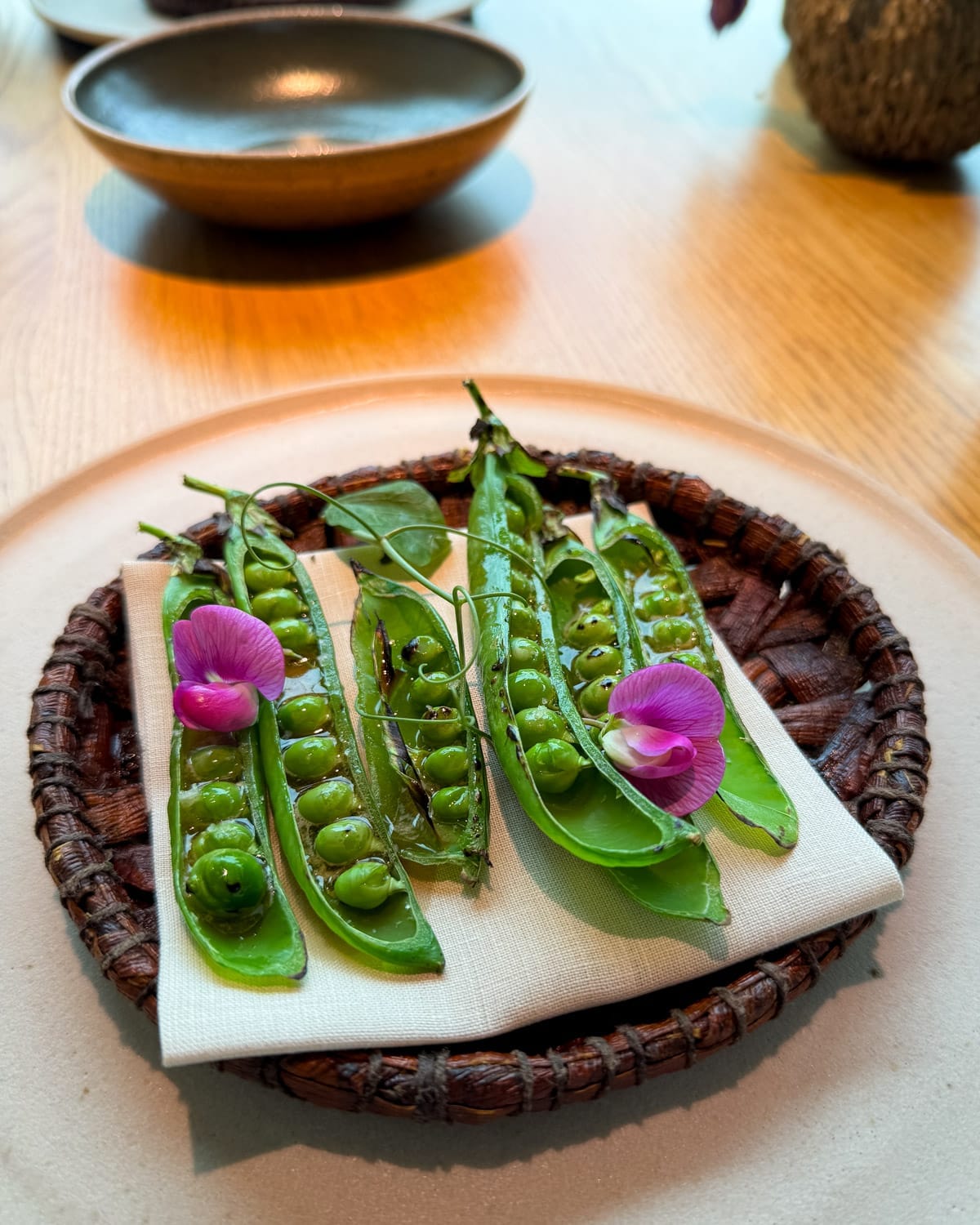
Copenhagen was the first city where we unintentionally spent entire days eating vegetarian.
The city has become a leader in plant-based cuisine, with chefs championing seasonal ingredients, foraging, fermentation and creative cooking techniques.
Restaurants like Noma helped redefine fine dining by putting vegetables centre stage.
After dining at Noma, we received insider recommendations from their team that led us to some fantastic plant-based restaurants in the city.
Read our 4 Day Copenhagen Itinerary with our favourite dining spots.
22. Knocking back fresh oysters beachside in Cap Ferret, France
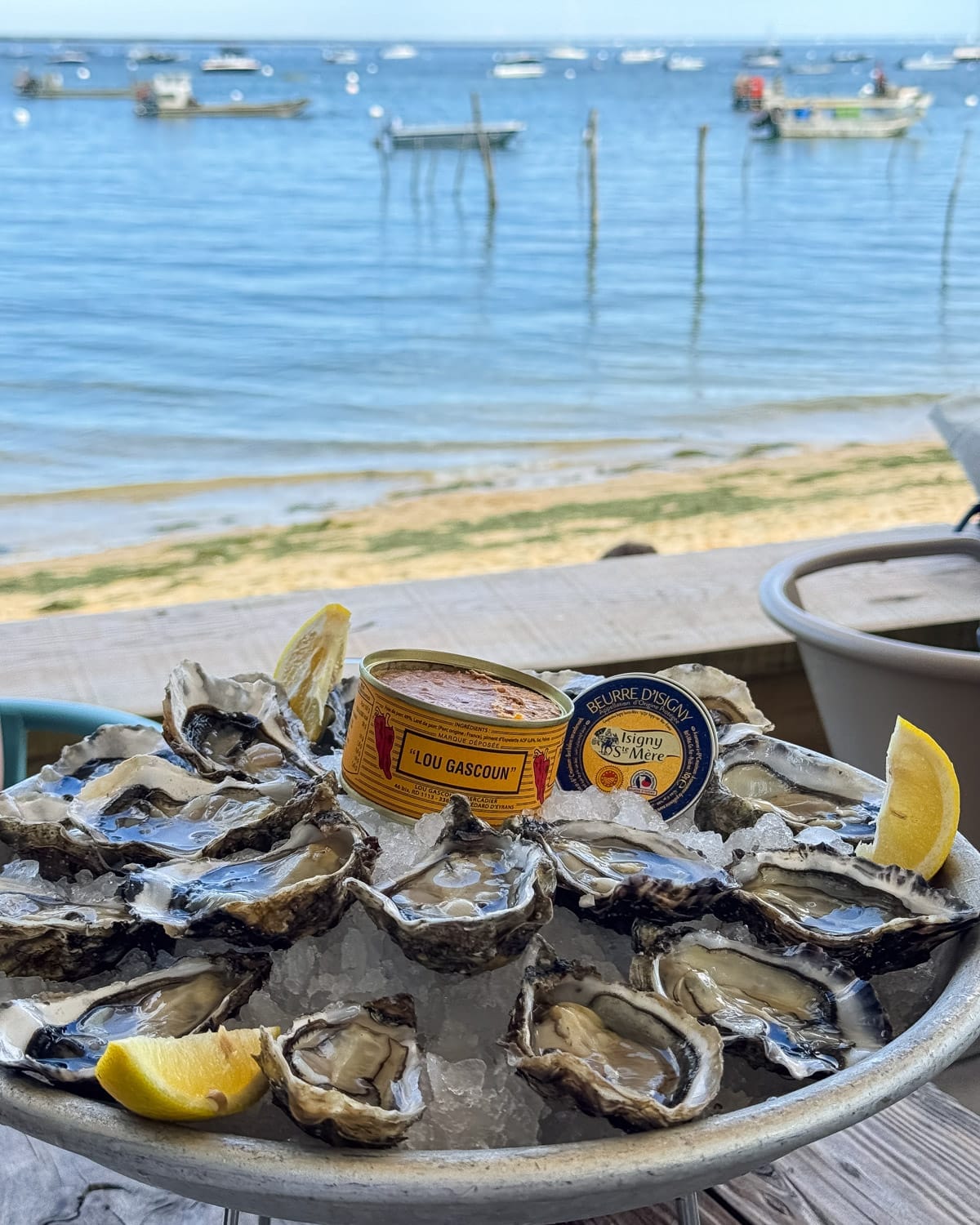
If you love oysters, Cap Ferret is your paradise.
Considered the oyster capital of France, this relaxed peninsula along the Bassin d'Arcachon is dotted with colourful fishing villages and waterfront cabanes.
Their freshly shucked oysters are best enjoyed with a crisp white Graves or Entre-Deux-Mers from nearby Bordeaux.
Our favourite spots are the chic La Cabane d'Hortense, where you can sit in the sand right by the bay, and the colourful fishing village of L'Herbe, where you can cycle through pine forests before settling in for fresh oysters and shrimp overlooking the water.
See our Cap Ferret guide.
23. Eating until you drop in Osaka, Japan
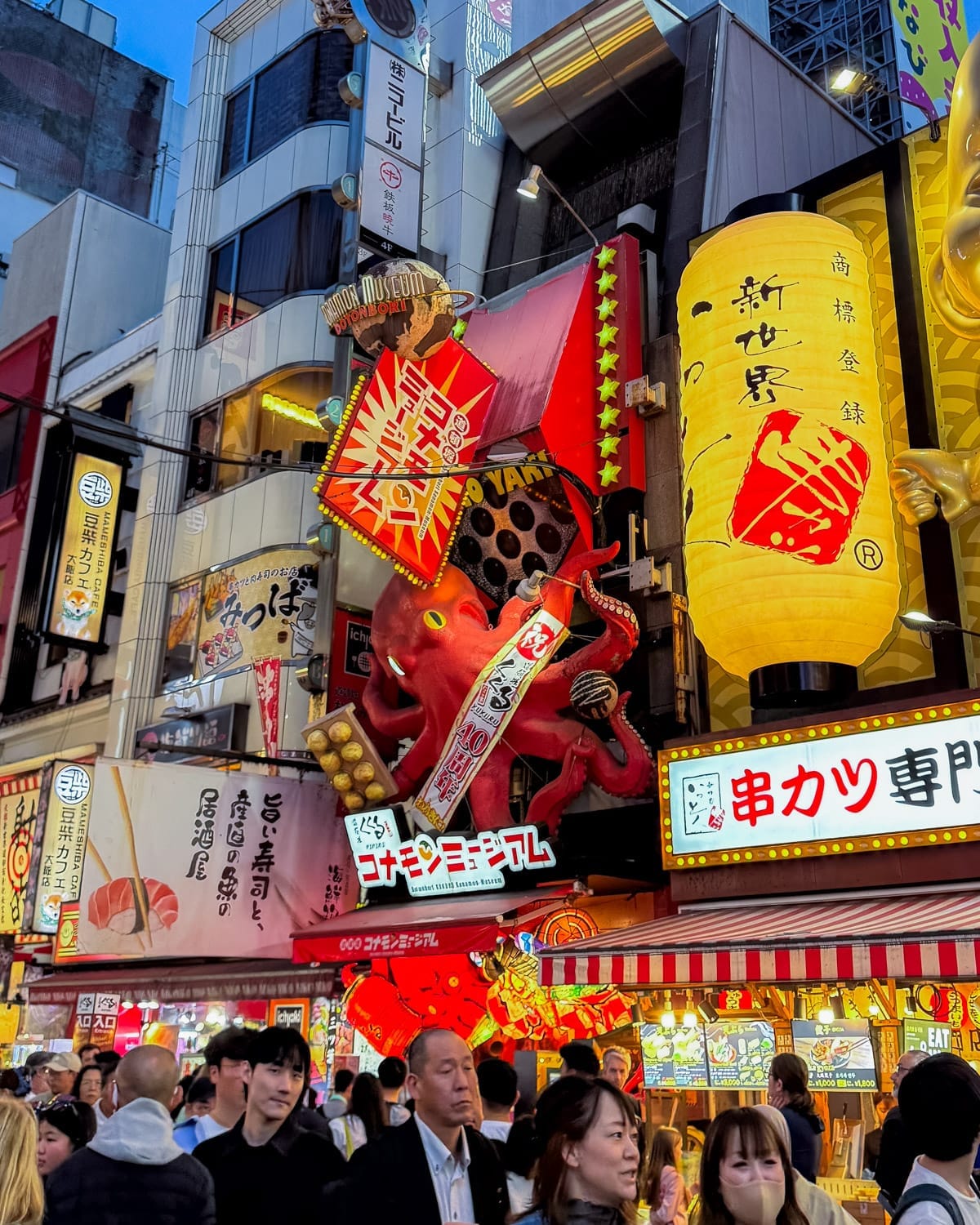
Known as Japan's food capital, Osaka is famous for its kuidaore culture, which literally means “eat until you drop.” And with so many delicious, inexpensive dishes to try, it's easy to see why.
Start in Dotonbori, Osaka's most famous neighbourhood. It's loud, chaotic and over the top in the best way. Giant moving crabs, octopuses and pufferfish hang above neon-lit restaurants, while the aroma of freshly cooked food fills the streets.
Come hungry for takoyaki (octopus-filled dough balls) and okonomiyaki (savoury cabbage pancakes).
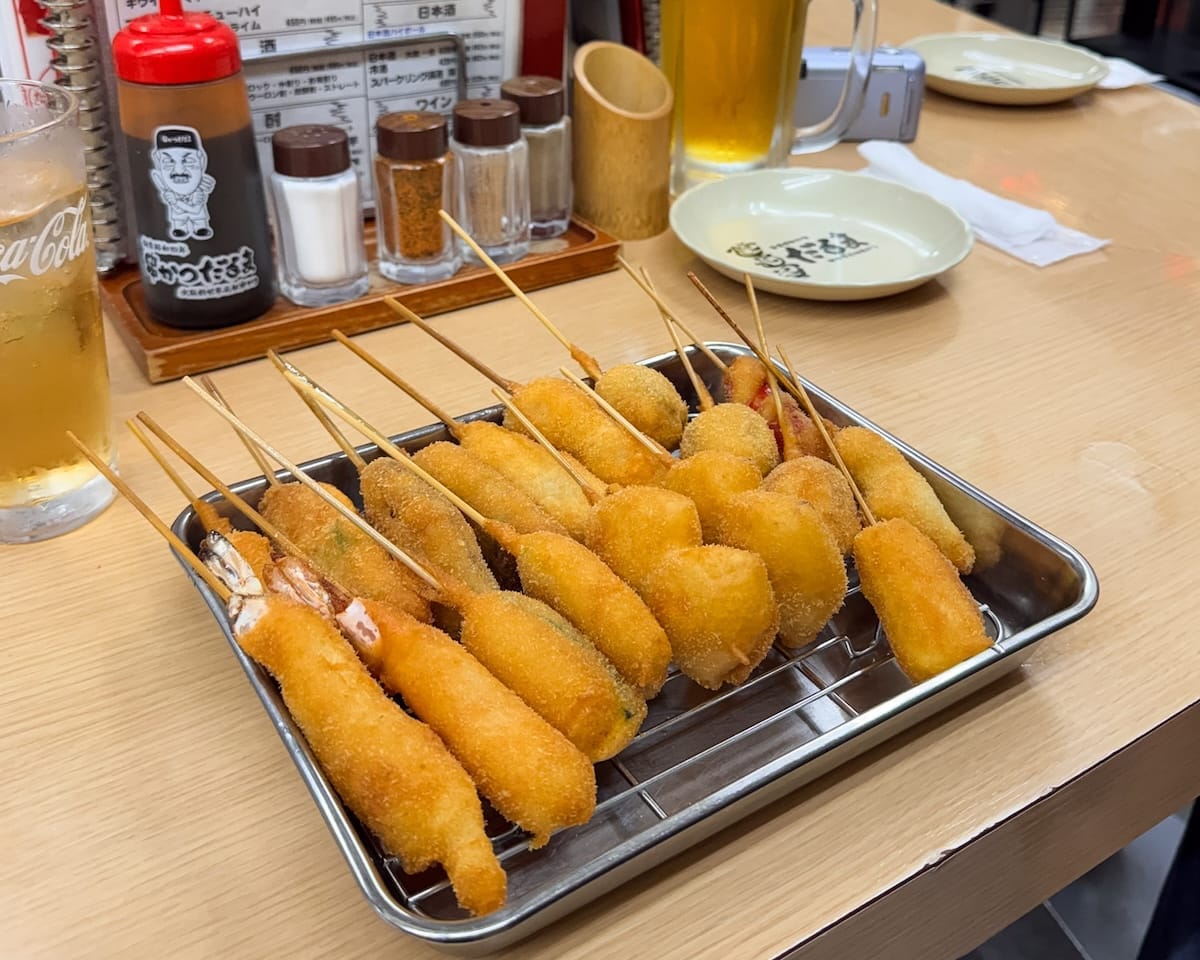
Then head to retro Shinsekai for kushikatsu, Osaka's famous deep-fried skewers coated in crispy breadcrumbs.
Order a selection of skewers with cold beers and keep ordering as you discover your favourites.
Check out our 2 Day Osaka Itinerary, including our favourite places to eat.
24. Tasting wines from some of the world's highest vineyards in Salta, Argentina
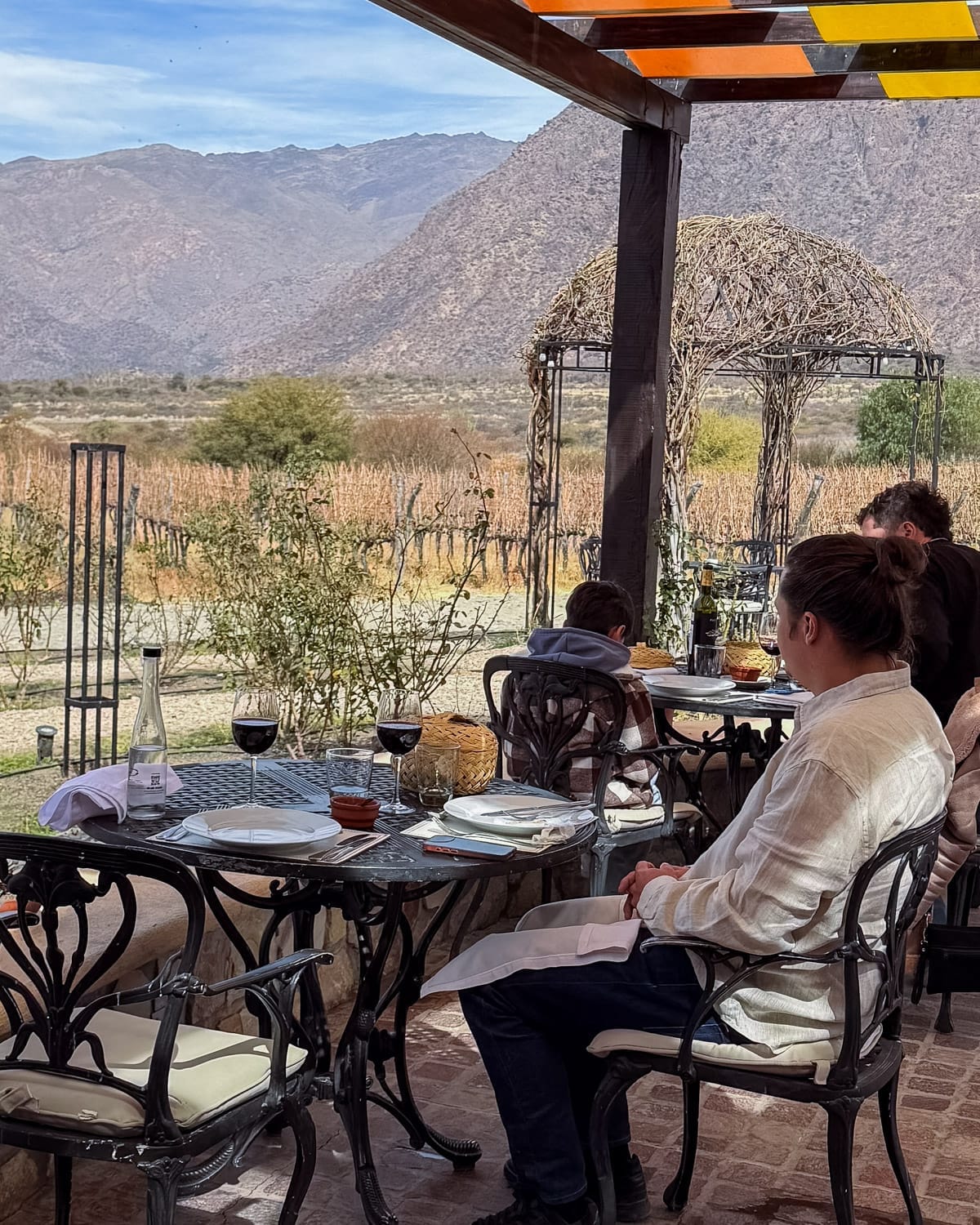
Located in northwestern Argentina, next to the Atacama Desert, Salta is a world away from the country's famous Mendoza wine region.
Home to some of the highest vineyards in the world, its vines grow at elevations of over 3,000 metres amid towering red mountains and dramatic desert valleys.
Unlike Mendoza, Salta has a much smaller wine scene, with around 50 bodegas, many family-run.
The intense sunshine, cool nights and dry mountain climate produce bold, concentrated Malbecs and aromatic Torrontes, a floral white wine that's a specialty of the region.
Cafayate is the heart of Salta's wine region, where you'll find plenty of wineries offering tastings and leisurely vineyard lunches.
Don't miss Bodega Colome, an extraordinary winery and boutique hotel tucked away in the remote Calchaqui Valleys, with its very own James Turrell art museum.
See our 5 Day Salta Road Trip Itinerary, with our favourite wine stops.
25. Enjoying a fabulous afternoon tea in London
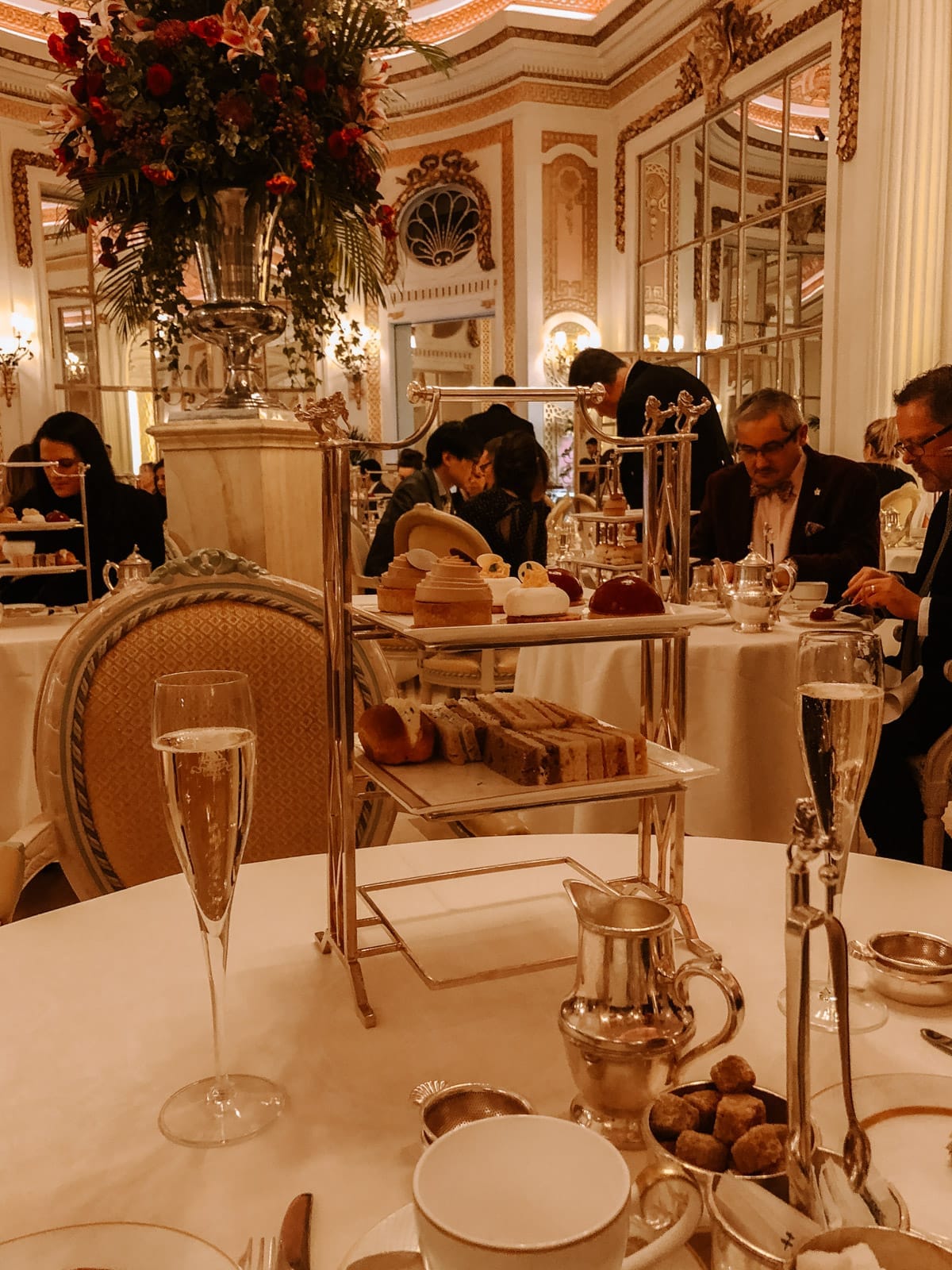
Afternoon tea is an English tradition dating back to 1840, when Anna, the 7th Duchess of Bedford, requested tea, bread and cake in her room around 4 pm to satisfy her hunger before a late dinner.
She soon began inviting friends, and the tradition caught on. It eventually became a lavish social affair, with upper-class women dressing up and gathering in drawing rooms for tea, finger sandwiches, pastries, scones and, of course, some gossip.
For a glamorous afternoon tea in London, head to The Ritz, a prestigious hotel that's welcomed celebrities and royalty since 1906.
Between the glittering chandeliers, live piano and harp music, and impeccably dressed guests, I felt like Jack Dawson arriving at his first-class dinner on the Titanic.
We started with Champagne before enjoying tiers of finger sandwiches, scones and pastries.
See our 5 Day London Itinerary.
We hope you enjoyed these 25 amazing culinary experiences!
Looking for more trip inspiration? Make sure to check out our other posts:
25 Incredible Adventure Trip Ideas 🚗 🏞
25 Unique Cultural Experiences to Inspire Your Next Trip 🎨 ⛩️